
Published: Monday, July 13, 2026 · 5:52 PM | Updated: Monday, July 13, 2026 · 5:52 PM
📊 203 views




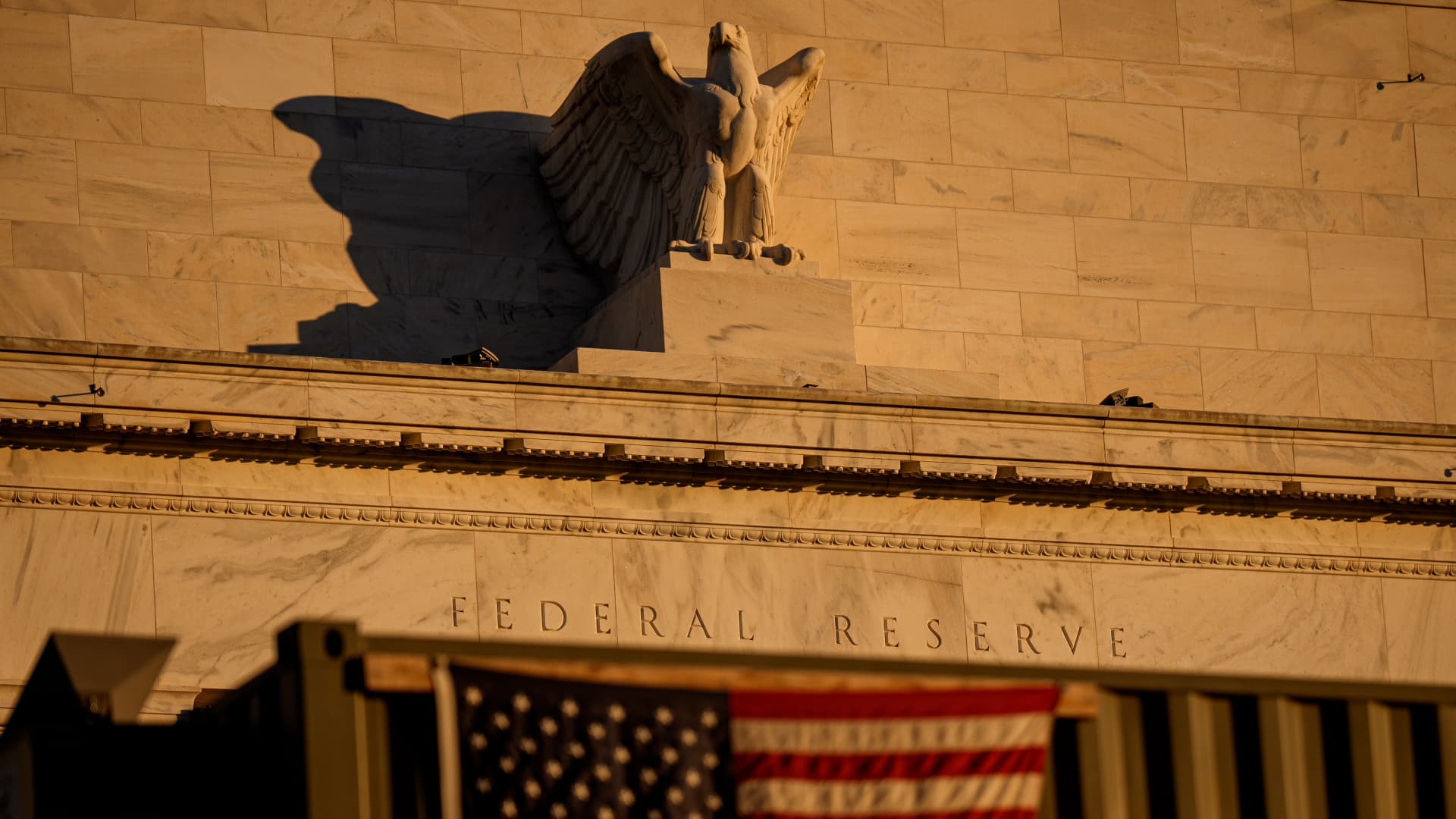
The prospect of a Federal Reserve July rate hike is intensifying, defying earlier expectations for a pause. Market probabilities have notably shifted upwards following recent geopolitical developments and hawkish signals from Fed officials, compelling investors to reassess current asset valuations. This evolving scenario underscores significant liquidity and risk management challenges for the broader market.
💰 Financial Strategy & Market Insights
- Escalating Hike Odds. CME’s FedWatch tool now shows a 46.5% chance of a 25 basis point hike in July, a significant leap from 34% just one day prior.
- Geopolitical Oil Shock. President Trump’s reinstatement of the U.S. blockade of Iranian ports and a 20% toll on Strait of Hormuz cargo propelled U.S. oil prices (@CL.1) over 5% to surpass $75 per barrel, fueling inflation concerns.
- Hawkish Fed Commentary. Federal Reserve Governor Christopher Waller emphasized learning from past inflation mistakes, indicating that rate hikes remain a potential tool despite some cooling in June inflation forecasts.
Expectations for the Federal Reserve to maintain the status quo at its upcoming July meeting are quickly eroding, as indicated by surging probabilities for a 25 basis point July rate hike. Futures traders and prediction markets, which initially leaned towards a pause, are now rapidly repricing the likelihood of tighter monetary policy. The CME’s FedWatch tool reported a sharp increase in hike odds to 46.5% from 34% just a day earlier, while the Kalshi platform noted a similar jump to 36% from under 20% over the weekend. This dramatic shift is forcing a re-evaluation of market liquidity and investment trends across various asset classes.
The immediate catalyst for this hawkish pivot stems from renewed geopolitical tensions. President Donald Trump’s announcement to reinstate the U.S. blockade of Iranian ports near the Strait of Hormuz, coupled with a 20% toll on all cargo, sent shockwaves through energy markets. U.S. oil prices responded swiftly, surging over 5% on Tuesday and pushing WTI Crude above the $75 per barrel mark. This sudden supply-side shock directly threatens to re-accelerate inflation, complicating the Fed’s already challenging mandate.
Further solidifying the hawkish sentiment were recent comments from Federal Reserve Governor Christopher Waller, who cautioned against repeating the monetary policy errors of 2021 and 2022 when the Fed was perceived to have waited too long to raise rates. While he advocated against overcorrecting, his remarks underscored the central bank’s vigilance towards inflationary pressures. This comes despite economists surveyed by Dow Jones projecting June inflation to have cooled slightly to 3.8% annually, down from May’s 4.2%.
- Geopolitical tensions in the Strait of Hormuz directly fueled energy price inflation, creating immediate ripple effects for global supply chains and consumer costs.
- Fed officials are signaling a data-dependent, yet cautious, approach to monetary policy, balancing inflation control with economic stability, a narrative that influences global market analysis.
- Broader inflation pressures, including potential AI-induced price hikes as suggested by Barclays, indicate a more complex economic landscape extending beyond solely energy costs.
However, the inflation outlook could become significantly more complicated if oil prices continue their upward trajectory following the renewed conflict in the Strait of Hormuz. A recent Barclays note highlighted that inflation concerns now extend beyond solely energy prices. Ajay Rajadhyaksha, Barclays’ global chairman of research, noted that the full pass-through of higher energy prices is still underway, and a lack of demand destruction has exacerbated its inflationary impact. He also pointed to potential AI-induced price hikes further deteriorating the overall inflation outlook, creating a scenario where the Fed might need to adopt an increasingly hawkish stance, as Reuters reported.
RISK vs REWARD: Navigating Monetary Policy Shifts
- Upside: A proactive July rate hike could signal the Fed’s resolute commitment to taming inflation, potentially leading to long-term price stability and bolstering the U.S. dollar, which is often seen as a safe haven in times of uncertainty.
- Downside Risks: Raising rates too aggressively could stifle economic growth, increase borrowing costs for businesses and consumers, and potentially trigger a recession. Such a move also risks exacerbating market volatility and dampening investor confidence across the financial sector.
A ‘data-dependent framework,’ as cited by financial strategists, means the Federal Reserve bases its monetary policy decisions primarily on incoming economic data, such as inflation prints, employment figures, and growth indicators. This approach prioritizes responsiveness to current economic conditions rather than adhering strictly to pre-set trajectories, making market forecasting particularly sensitive to new economic releases and requiring constant vigilance from investors seeking educational financial insights.
Key Probabilities and Market Responses
- CME FedWatch Tool: Odds of a 25 bps hike rose to 46.5% (from 34% previously).
- Kalshi Prediction Market: Probabilities of a hike climbed to 36% (from under 20% on Sunday).
- U.S. Oil Prices (WTI Crude): Jumped over 5%, crossing $75/barrel following Iranian port blockade news.
Oil Market Liquidity Under Geopolitical Strain
The renewed U.S. blockade of Iranian ports near the Strait of Hormuz immediately highlights the fragility of global oil market liquidity. This critical choke point for international oil shipments means any disruption can significantly impact supply. When a major oil artery faces restrictions, the available physical liquidity of crude oil can quickly diminish, leading to a rapid repricing as traders factor in potential shortages. The 5% surge in WTI Crude demonstrates how quickly supply shocks translate into higher prices, challenging demand elasticity and exacerbating inflationary pressures. Such events force market participants to reassess their inventory management and hedging strategies, often increasing volatility.
Fixed Income: Yield Curve Dynamics Post-Fed Signals
The increasing probability of a July rate hike has immediate implications for the U.S. Treasury yield curve. Typically, a rate hike directly impacts the short end of the curve, raising yields on instruments like 2-year and 3-month Treasury bills. If longer-term inflation expectations, as reflected in 10-year or 30-year bond yields, do not rise commensurately, this could lead to a flattening or even inversion of the yield curve. A yield curve inversion, where short-term rates exceed long-term rates, is often interpreted by Bloomberg Intelligence and other financial analysts as a recessionary signal, creating a complex environment for fixed-income investors seeking stable returns.
The Ripple Effect of a Potential July Rate Hike on 2026 Markets
The escalating probability of a July rate hike forces a re-evaluation of market assumptions, shifting focus from a potential pause to aggressive inflation countermeasures. This pivot could reprice assets across the board, testing investor resilience and risk models.
- Higher borrowing costs will pressure corporate earnings, particularly for highly leveraged firms and those dependent on consumer financing.
- Fixed income markets face continued volatility, with short-term yields sensitive to Fed commentary and geopolitical developments.
- Commodity prices, especially energy, remain a critical inflation driver directly influenced by geopolitical events and supply chain disruptions.
Will the Fed’s proactive stance successfully tame inflation without triggering an economic slowdown, or does more volatility lie ahead for investors?
📊 StockXpo Analyst’s View
Market Impact: The escalating odds for a Fed rate hike introduce a fresh layer of uncertainty, likely increasing market volatility and potentially tightening liquidity as investors de-risk from growth-oriented assets. A stronger dollar could emerge, impacting export-oriented companies while benefiting import-heavy sectors and pressuring emerging markets.
Sector To Watch: Energy stocks will likely remain buoyant given the geopolitical tensions driving oil prices, potentially leading to further capital allocation into this sector. Conversely, cyclical sectors and highly leveraged growth stocks could face significant headwinds from higher borrowing costs, while financials might see initial benefits from wider net interest margins, provided the economic slowdown doesn’t erode loan demand.
Financial Disclaimer:
StockXpo.com is a financial news aggregator and educational portal, not a registered investment advisor or broker-dealer. All information, news, and analysis provided herein are strictly for educational purposes and do not constitute investment, financial, legal, or tax advice. Investing in the stock market involves high risks, and past performance is not indicative of future results. StockXpo will not be liable for any financial losses or investment damages. Always consult a certified financial advisor before making market decisions.
MORE IN INSIDE FINANCE

China’s Exports Surge: Unpacking Global Trade Growth and Asset Implications
Published: Wednesday, October 14, 2026 · 2:14 AM

Singapore Haven: Stability Yields Opportunity Amid Global Volatility
Published: Tuesday, October 13, 2026 · 12:19 AM


