Published: Monday, July 13, 2026 · 12:11 PM | Updated: Monday, July 13, 2026 · 12:11 PM
📊 194 views




India’s inflation unexpectedly accelerated to 4.38% in June, exceeding market forecasts and posing a significant challenge to the nation’s economic stability. This uptick, primarily driven by surging food and fuel prices amidst the U.S.-Iran conflict and a weak monsoon, raises immediate concerns for consumer purchasing power and the Reserve Bank of India’s monetary policy trajectory. The global ramifications are substantial, as a destabilized Indian economy, the world’s fastest-growing major economy, could ripple through international trade and investment flows, warranting closer scrutiny of market educational insights.
📊 Macro-Economic Strategic Insights
- Inflationary Pressure Mounts. India’s inflation rate for June reached 4.38%, surpassing the Reuters poll forecast of 4.30%, signaling intensifying price pressures.
- Dual Shocks Drive Costs. Geopolitical tensions from the U.S.-Iran war impacting global oil prices, coupled with domestic weather disruptions from El Niño threatening monsoon crops, are key drivers.
- RBI Stance Under Scrutiny. The central bank previously held rates, anticipating a rise in inflation to 5.1% for FY27, which this data validates, placing future policy decisions under increased pressure.
The latest data from India’s Ministry of Statistics and Program Implementation reveals a concerning trend: India’s inflation advanced to 4.38% in June, a notable increase from 3.93% in May. This acceleration pushed the Consumer Food Price Index (CFPI) to 5.32% year-on-year, while transport inflation jumped significantly to 4.3% from 1.75% in the previous month. These figures collectively highlight a broad-based rise in living costs for Indian consumers, diverging from initial expectations and complicating the central bank’s inflation management strategies.
Two primary external and internal factors are converging to fuel this inflationary surge. Globally, renewed hostilities between the U.S. and Iran have reignited concerns over control of the Strait of Hormuz, a critical chokepoint for global energy supplies. As a result, global oil prices have seen an uptick, directly impacting India, which imports nearly 85% of its fuel needs. The nation’s reliance on the Strait of Hormuz for a substantial portion of its crude, LNG, and LPG imports makes it particularly vulnerable to these geopolitical disruptions.
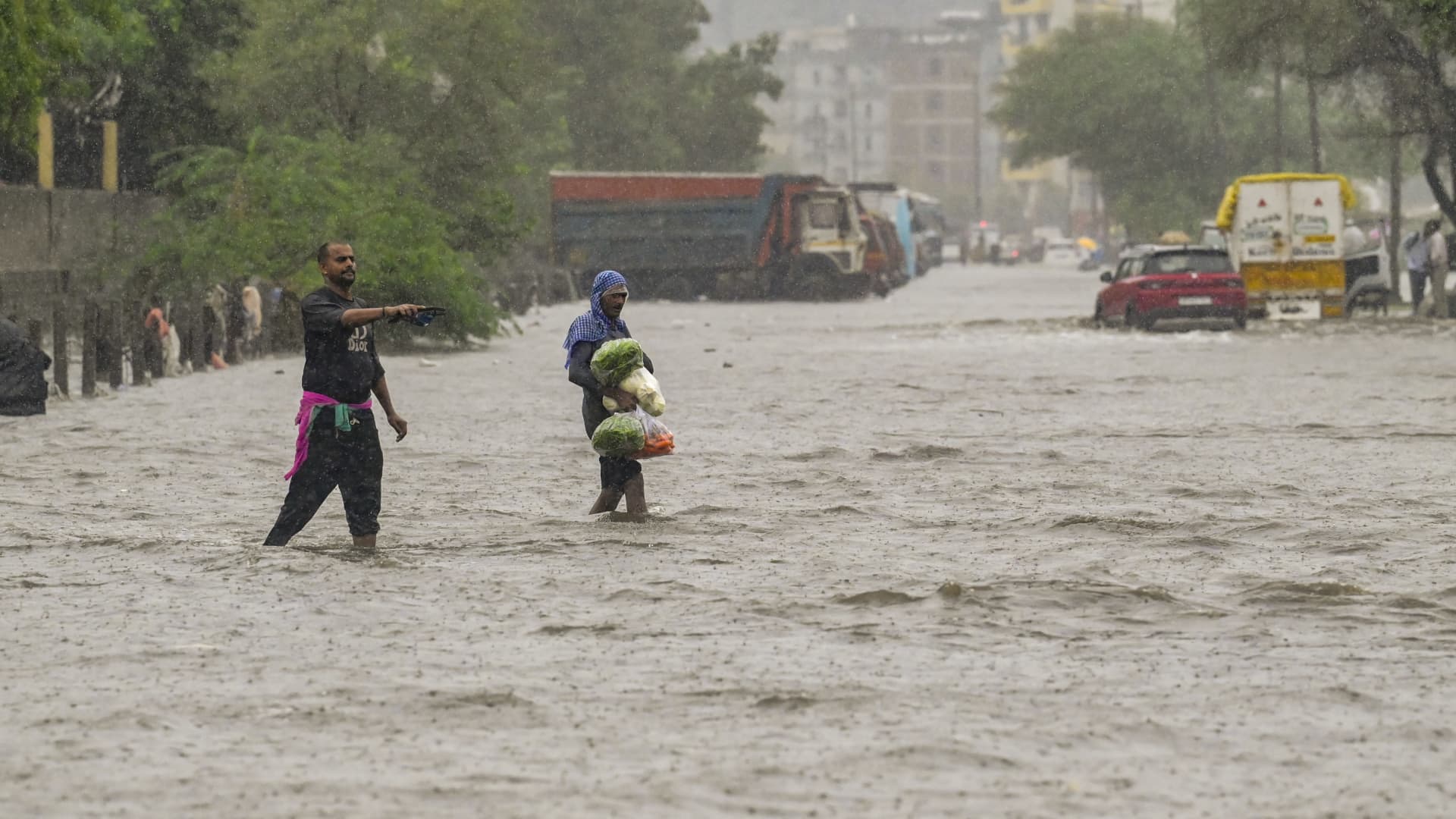
Domestically, the specter of El Niño looms large, threatening agricultural output despite recent heavy rainfall. While some regions have experienced copious downpours, leading to localized flooding, the overall monsoon forecast suggests a potential deficit. Such erratic weather patterns, characterized by swings between scarcity and surplus, can severely disrupt sowing decisions, impair crop health, and ultimately depress rural incomes, as noted by Crisil, an S&P Global-owned research firm. The India Meteorological Department (IMD) anticipates July rainfall to be 6% below the long-period average, exacerbating food price concerns.
The Reserve Bank of India (RBI) has previously acknowledged these risks, maintaining interest rates last month but forecasting inflation to climb to 5.1% for the financial year ending March 2027, with core inflation pegged at 4.7%. The current acceleration, therefore, aligns with the RBI’s cautionary outlook, but the speed and intensity of the rise may necessitate a re-evaluation of its monetary stance. Sustained higher energy and food prices are likely to translate into broader core inflation through increased input, transportation, and operational costs across various sectors.
Understanding the Economic Ripple Effect
The current inflationary pressures in India are creating a chain of economic consequences that could temper systemic growth:
- Geopolitical Tensions ↑ → Global Oil Prices ↑ → India’s Fuel Import Costs ↑
- Weak Monsoon/El Niño → Agricultural Output ↓ → Food Prices ↑
- High Food & Fuel Prices → Consumer Spending Power ↓ → Demand-Side Pressure on Growth ↓
- Rising Input Costs → Corporate Profit Margins ↓ → Investment Decisions Uncertain → Reduced Job Creation
“Core inflation, often seen as a cleaner measure of underlying price trends, excludes volatile food and energy components. However, in an economy like India’s, sustained shocks to food and fuel prices invariably feed into core inflation over time by increasing the cost of production and transportation for nearly all goods and services. Monitoring this pass-through effect is crucial for understanding the true inflationary impulse.”
Understanding India’s recent inflation trajectory requires a look at key contributing factors:
India’s Inflationary Risks: A Deeper Dive
Beyond the immediate triggers of oil and monsoon, India faces inherent structural inflationary risks. The rapid pace of economic growth itself can generate demand-side pressures if supply chains struggle to keep up. Furthermore, the global fertilizer market, already stressed by geopolitical events, poses a persistent threat to agricultural input costs, which directly impact food prices. The interconnectedness of these factors makes managing India’s inflation a multi-faceted challenge, requiring nuanced policy responses that balance growth imperatives with price stability. Global economic outlooks often cite these complexities when analyzing emerging markets, as highlighted by recent reports on global economic trends and global market shifts.
South Asian Regional Trends: A Contagion Threat?
India’s economic performance often sets a precedent for its South Asian neighbors. Should inflationary pressures persist and necessitate aggressive monetary tightening by the RBI, it could create a challenging environment for other regional economies that rely on trade and investment with India. Countries with similar import dependencies for energy and food, and vulnerable agricultural sectors, may experience a ‘contagion effect’ of rising prices. Regional stability is intricately linked to India’s macroeconomic health, making its inflation management a matter of broader geopolitical concern. This underscores the importance of resilient supply chains and diversified energy sources across the region, a topic often explored in depth within economic policy discussions.
The Ripple Effect of India’s Inflation on 2026 Markets
The acceleration of India’s inflation to 4.38% in June signals a period of heightened vigilance for policymakers and investors alike. The confluence of global energy shocks and domestic weather-induced agricultural vulnerabilities presents a complex challenge to maintaining macro-stability and sustaining systemic growth in one of the world’s most dynamic economies.
- Monetary Policy Response: The RBI faces increasing pressure to adjust its dovish stance, potentially leading to future interest rate hikes.
- Consumer Sentiment Impact: Higher food and fuel costs are likely to dampen consumer spending, potentially slowing economic momentum.
- Fiscal Policy Challenges: The government may face demands for subsidies or relief measures, straining public finances.
Will India’s economic resilience prove sufficient to navigate these intertwined inflationary headwinds without significant growth deceleration?
📊 StockXpo Analyst’s View
Market Impact: This inflation print will likely fuel expectations of a more hawkish RBI stance, potentially leading to increased volatility in Indian bond yields and currency markets. Equity markets, particularly consumer discretionary and auto sectors, could face headwinds from reduced purchasing power, while energy and agricultural commodity-related stocks might see short-term gains due to price increases, but long-term growth concerns will prevail. Investors should closely monitor the trajectory of global oil prices and the monsoon’s progress.
Sector To Watch: The agricultural and food processing sectors are critical. While higher food prices might benefit farmers initially, overall reduced yields due to erratic weather could severely impact their incomes and the supply chain. Companies reliant on imported raw materials, especially energy, will see significant margin compression. Conversely, businesses with strong pricing power and robust supply chain management might weather the storm better. For broader insights into investment strategies, consider exploring comprehensive investment analysis.
Financial Disclaimer:
StockXpo.com is a financial news aggregator and educational portal, not a registered investment advisor or broker-dealer. All information, news, and analysis provided herein are strictly for educational purposes and do not constitute investment, financial, legal, or tax advice. Investing in the stock market involves high risks, and past performance is not indicative of future results. StockXpo will not be liable for any financial losses or investment damages. Always consult a certified financial advisor before making market decisions.
MORE IN INSIDE ECONOMY
India Rate Hike: Inflation Risks Build Amid Global Headwinds
Published: Wednesday, October 7, 2026 · 1:41 AM

AI Concentration Risks Loom as East Asia & Pacific Sees 4.5% Growth Outlook
Published: Tuesday, October 6, 2026 · 1:56 AM