Published: Monday, July 13, 2026 · 12:42 PM | Updated: Monday, July 13, 2026 · 12:42 PM
📊 210 views




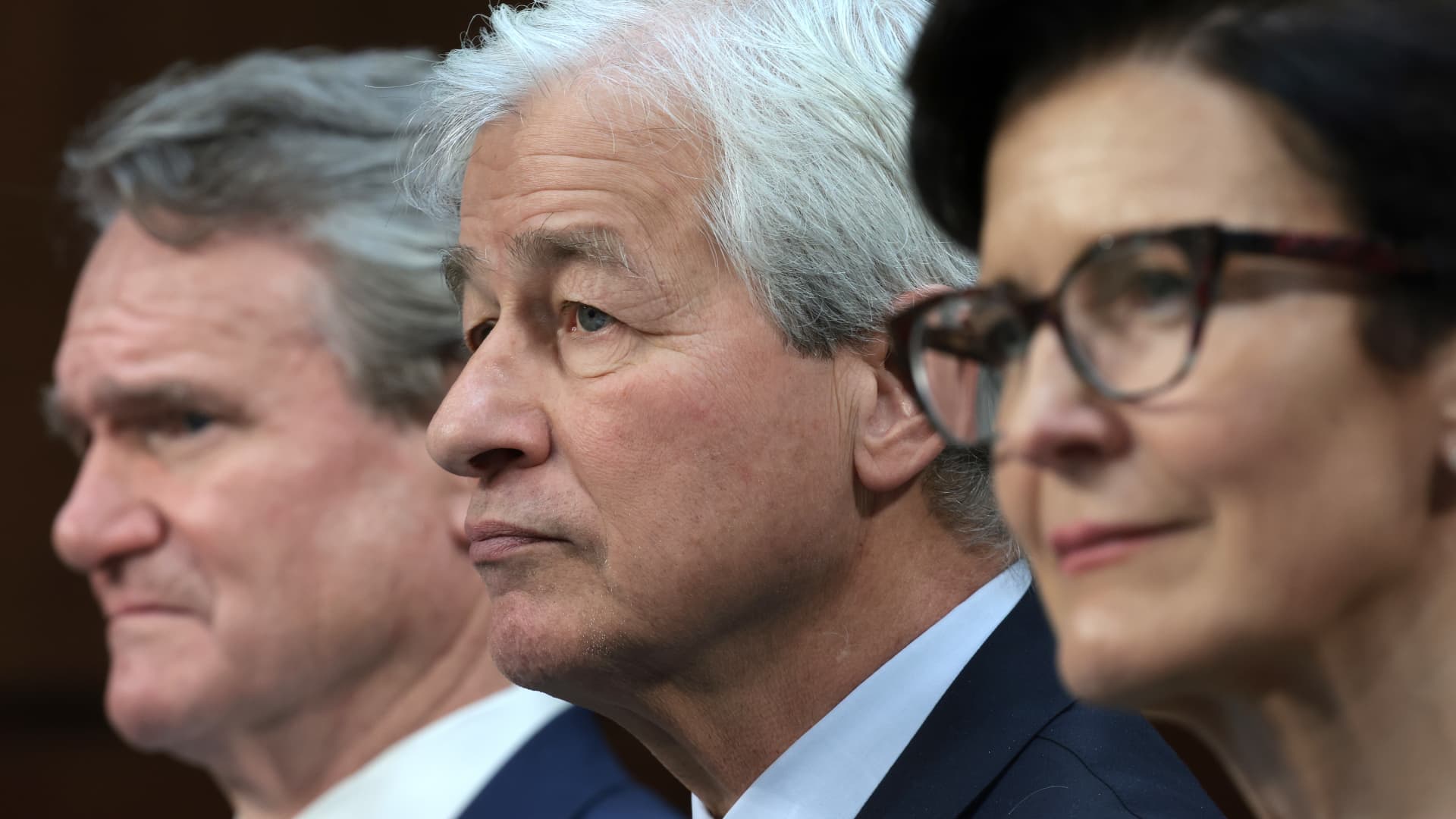
Major U.S. financial institutions are set to unveil exceptionally strong second-quarter earnings, signaling a robust period for the financial sector. Propelled by significant events like the SpaceX IPO and heightened geopolitical tensions, these Big Banks are demonstrating a rare dual-engine growth from both Wall Street and Main Street activities.
💰 Financial Strategy & Market Insights
- Investment Banking Boom. Record-setting M&A activity and monumental IPOs, notably SpaceX, have driven significant fee generation for lead underwriters like Goldman Sachs and Morgan Stanley.
- Volatility as an Asset. Geopolitical unrest, specifically the Iran conflict, has spurred substantial trading revenue across equities and fixed income, with banks adeptly capitalizing on market swings.
- Main Street’s Resurgence. A long-awaited rebound in commercial lending, fueled by AI-driven investments, coupled with resilient consumer credit, is bolstering traditional banking profits.
The upcoming second-quarter results from financial giants like JPMorgan Chase and Bank of America are expected to showcase impressive revenue figures, potentially rivaling or surpassing previous records in equity and fixed income trading. This period marks what veteran Wells Fargo analyst Mike Mayo describes as a ‘sweet spot’ for the financial sector, where both investment banking and traditional lending engines are simultaneously thriving. The environment has been particularly favorable for Big Banks, which have benefited from a unique confluence of factors after years of navigating high interest rates and recession anxieties.
Wall Street’s activity has been a primary driver, with banks earning substantial fees from corporate market access. The recent SpaceX IPO, reportedly generating hundreds of millions in fees for institutions such as Goldman Sachs and Morgan Stanley, exemplifies this trend. Beyond the direct underwriting fees, banks also secured revenue from raising debt for SpaceX and stand to manage the wealth of newly minted millionaires. Moreover, the concept of ‘soft dollars’—fees paid by hedge funds for a slice of oversubscribed IPOs—further amplified these gains, as noted by Jay Ritter, professor emeritus of finance at the University of Florida.
Geopolitical tensions, particularly the Iran war, have injected significant volatility into global markets, causing oil prices, interest rates, and currencies to swing. This instability has been a boon for risk-taking traders, enabling banks to capture substantial trading gains. KBW analyst Chris McGratty projects a 26% surge in investment banking revenue and a 14% jump in trading revenue year-over-year for the major banking group. McGratty observed, ‘Banks are doing a good job these days of capturing the upside of volatility, whereas in previous cycles, they’ve been caught offsides.’
Beyond the high-flying Wall Street segments, a quiet but significant turnaround is occurring on Main Street. Commercial lending, long a lagging sector, is finally gaining momentum. This resurgence is partly due to banks aggressively competing with private credit lenders and a broader economic boost from AI-fueled spending spreading across industries. Mike Mayo highlights that ‘Demand is back as companies treat the uncertainty as the new normal and build that new factory, invest in plants and get on with business,’ which could particularly benefit regional lenders like Fifth Third. Consumer banking also remains robust, with low unemployment rates keeping mortgage, auto, and credit card delinquencies in check, thus limiting potential losses for lenders. For a deeper dive into current market analysis, explore StockXpo’s market insights.
Assessing the Road Ahead for Financials
- Upside Potential: Continued robust IPO and M&A pipelines, sustained market volatility driving trading profits, a broadening base of AI-related commercial investment, and resilient consumer spending. Eased banking regulations under the current administration could also reduce compliance costs and expand operational scope.
- Downside Risks: The potential for undisclosed ‘cockroaches’ in the private credit market, as warned by JPMorgan CEO Jamie Dimon, could expose banks to unforeseen losses. Intensifying competition for deposits might pressure net interest margins, while an unexpected economic downturn or escalation of geopolitical conflicts could dampen both lending demand and market activity.
Expert Insight: Understanding Soft Dollars
In investment banking, ‘soft dollars’ refer to a practice where hedge funds and some active mutual funds effectively pay investment banks for a slice of oversubscribed Initial Public Offerings (IPOs). This payment isn’t a direct cash fee but rather commissions on future trading activities, allowing investment banks to strategically allocate desirable IPO shares in exchange for future brokerage business. As Jay Ritter, professor emeritus of finance, explained, ‘The big money maker for investment banks in IPOs is not the bankers’ fee, but the ability to allocate shares to hedge funds and some active mutual funds that pay soft dollars,’ underscoring a less visible but highly lucrative revenue stream.
Key Financial Projections for Q2 2026
| Metric | Projected Growth (YoY) | Source/Commentary |
|---|---|---|
| Investment Banking Revenue | +26% | KBW Analyst Chris McGratty |
| Trading Revenue | +14% | KBW Analyst Chris McGratty |
| Financial Stocks vs. Broader Market | Outperformance for 2 consecutive years | Wells Fargo Analyst Mike Mayo |
Financial Sector Liquidity Analysis: Capital Inflows
The influx of capital into the financial sector, particularly through large-scale IPOs and active debt markets, signifies robust market liquidity. The immense size of the SpaceX IPO not only generated direct fees but also facilitated significant capital reallocation across the broader market. This sustained liquidity supports higher trading volumes and enables banks to underwrite more complex deals. However, it also raises questions about potential asset bubbles in specific private markets if not managed with stringent risk protocols. For deeper understanding of the financial sector, visit our financial news section.
Global Market Sentiment Tracker: Volatility’s Dual Impact
Current global market sentiment is a complex blend of optimism from strong corporate earnings and underlying anxiety from geopolitical hotspots. While the Iran conflict has undeniably boosted trading desk revenues by generating volatility, it simultaneously introduces a layer of systemic risk that can quickly shift investor confidence. The ability of Big Banks to ‘capture the upside of volatility’ suggests sophisticated risk management, yet sustained geopolitical instability could eventually dampen broader economic activity and long-term investment. Keep informed on market trends by reading Bloomberg’s market updates.
Big Banks’ Q2 Surge: Can Momentum Sustain Into 2027?
The exceptional second-quarter performance projected for major U.S. banks highlights a powerful synergy between capital markets and traditional lending. This unique alignment, driven by blockbuster IPOs and geopolitical-induced trading activity, alongside a surprising revival in commercial and consumer credit, paints a picture of robust health for the industry. Investors are now keenly focused on whether this multi-faceted growth can endure beyond 2026, especially given the historical cyclicality of financial markets and emerging competitive pressures.
- Banks are benefiting from a confluence of factors rarely seen together: high Wall Street activity and resilient Main Street lending.
- The Trump administration’s push for eased banking regulations could further amplify the industry’s growth trajectory.
- Sustainability remains the key question, with market participants scrutinizing forward guidance for any signs of deceleration.
As the industry navigates potential headwinds like deposit competition and private credit risks, how effectively can these financial giants convert short-term gains into sustainable long-term shareholder value?
📊 StockXpo Analyst’s View
Market Impact: This news signals strong market liquidity and investor appetite for risk, especially in the wake of significant IPOs. The robust performance of Big Banks often acts as a bellwether for overall economic health and corporate activity. Expect a generally positive sentiment towards financials, potentially drawing capital from less volatile sectors as investors seek growth. However, the reliance on geopolitical volatility for trading gains introduces an unpredictable element into future earnings stability. For more educational financial insights, check out the StockXpo blog.
Sector To Watch: The financial sector, particularly diversified banks and investment banks (e.g., JPM, BAC, GS, MS), is clearly positioned for gains. Technology and infrastructure sectors might also indirectly benefit from increased commercial lending and AI-fueled investments. Conversely, sectors highly sensitive to interest rate fluctuations could face headwinds if deposit competition continues to intensify, impacting lender margins across the board. Stay updated on business finance at Reuters Finance.
Financial Disclaimer:
StockXpo.com is a financial news aggregator and educational portal, not a registered investment advisor or broker-dealer. All information, news, and analysis provided herein are strictly for educational purposes and do not constitute investment, financial, legal, or tax advice. Investing in the stock market involves high risks, and past performance is not indicative of future results. StockXpo will not be liable for any financial losses or investment damages. Always consult a certified financial advisor before making market decisions.
MORE IN INSIDE FINANCE

China’s Exports Surge: Unpacking Global Trade Growth and Asset Implications
Published: Wednesday, October 14, 2026 · 2:14 AM

Singapore Haven: Stability Yields Opportunity Amid Global Volatility
Published: Tuesday, October 13, 2026 · 12:19 AM