Published: Saturday, June 27, 2026 · 1:18 PM | Updated: Saturday, June 27, 2026 · 1:18 PM
📊 251 views




Hollywood is witnessing a robust revival, with the Summer Box Office unexpectedly surging, setting the stage for the industry’s first $10 billion year since the pandemic. This resurgence, driven by a diverse slate of films rather than just tentpole blockbusters, signals a crucial shift in audience engagement and operational recovery for major studios and exhibitors alike.
🗝️ Corporate Strategy Insights
- Diversified Content Strategy. Studios are succeeding with a broader range of genres, including low-budget horror and biopics, reducing reliance on singular blockbuster franchises.
- Sustained Audience Engagement. Films are exhibiting stronger ‘legs’ with smaller week-over-week drops, indicating positive word-of-mouth and driving repeat viewings.
- Strategic Scheduling Power. Anticipated late-summer releases like ‘Toy Story 5’ and ‘Spider-Man: Brand New Day’ are set to significantly bolster annual totals, capitalizing on renewed moviegoing habits.
The domestic movie industry is experiencing its most favorable summer season since 2019, positioning the annual box office to potentially exceed $10 billion for the first time in seven years. The period from May through Labor Day has already garnered $1.8 billion, a figure just under 2% shy of 2019 levels. This segment typically contributes around 40% of the total yearly box office, making its performance a critical indicator of the industry’s overall health and future trajectory, as noted by Paul Dergarabedian of Rentrak.
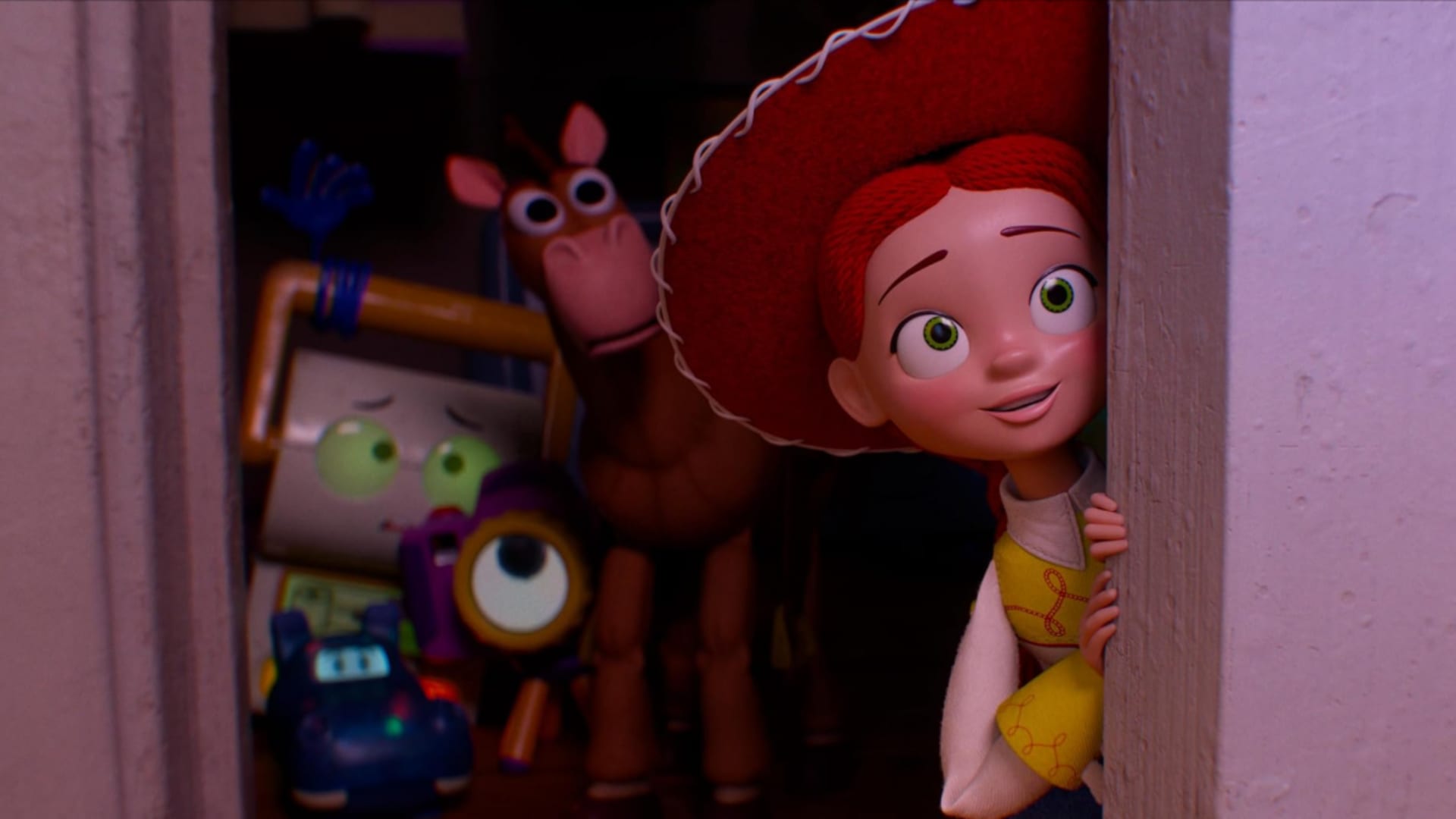
What distinguishes this summer’s success is its departure from the traditional blockbuster-led kickoff. Instead, initial momentum came from an eclectic mix: Disney’s ‘The Devil Wears Prada 2,’ Universal’s horror hit ‘Obsession,’ and A24’s ‘Backrooms,’ a low-budget film from YouTube creators. These, combined with the strong residual sales of Lionsgate’s ‘Michael’ biopic, accounted for nearly $850 million by early June. This diverse portfolio mirrors the contribution of a single behemoth like ‘Avengers: Endgame’ in 2019, highlighting a significant shift in content strategy. The recent release of Disney and Pixar’s ‘Toy Story 5’ further amplified this trend, achieving a franchise-best opening of $160 million and signaling robust audience enthusiasm. The cumulative effect of these upside surprises is building a promising foundation for the latter half of 2026, aiming to bridge the 15% gap behind 2019’s $5.2 billion year-to-date total.
- Studios are diversifying their film slates, moving beyond superhero dominance to embrace genres like horror, comedy-drama, and biopics. This strategy helps mitigate risk associated with fewer mega-franchise releases and caters to a broader demographic.
- The strong holdover performance of films like ‘Obsession’ (seeing ticket sales increase in its second and third weekends) and ‘Project Hail Mary’ indicates powerful word-of-mouth, a crucial organic marketing tool in a competitive entertainment landscape. This operational efficiency in audience retention is vital for sustained revenue generation, a point often discussed in corporate growth strategies.
- The pipeline of upcoming films, including ‘Supergirl,’ ‘Minions,’ ‘Moana,’ ‘The Odyssey,’ and ‘Spider-Man: Brand New Day,’ suggests that momentum is likely to be sustained. Analysts project this lineup could push the summer box office beyond $4 billion, a threshold only crossed once since 2019, demonstrating a return to pre-pandemic operational cadence.
The unexpected strength of the Summer Box Office generates a significant ripple effect across the entertainment ecosystem. A diversified slate of successful films → Increased audience confidence in theatrical releases → Higher foot traffic for exhibitors (e.g., AMC, Cinemark) → Enhanced advertising revenue for studios and cinemas → Stronger leverage for negotiating future distribution deals. This shift away from reliance on single tentpoles suggests a more resilient industry model. Competitors like Netflix or Amazon, while still investing heavily in streaming, may find the theatrical window regaining prominence, potentially shifting their own content release strategies or increasing the value of their theatrical distribution arms. For instance, the enduring appeal of traditional cinema experiences, especially for event films or those with strong narrative depth, could drive new investment analysis into content production cycles, as detailed by industry reports from Reuters.
‘The sustained performance of a diverse film slate, rather than just mega-blockbusters, is the most critical strategic takeaway, indicating a healthier, more resilient business model for Hollywood and renewed audience trust in the theatrical experience.’
The recent box office performance underscores several key metrics:
- Summer Box Office (YTD): $1.8 billion (as of Sunday). This figure is crucial as it represents approximately 40% of the annual domestic total.
- 2019 Summer Box Office (Same Period): $1.83 billion. The current lag of less than 2% demonstrates a strong recovery towards pre-pandemic levels.
- ‘Toy Story 5’ Opening Weekend: $160 million. A franchise-best, highlighting the power of established IPs even amidst a diversified market.
- ‘Obsession’ Weekly Drop-off: Increased 39% and 14% in second and third weekends, respectively. This rare phenomenon signals exceptional word-of-mouth and audience engagement, crucial for long-term revenue.
These indicators are vital for understanding the market’s recovery trajectory, demonstrating renewed consumer willingness to return to theaters and studios’ ability to deliver compelling content.
Disney’s Strategic Analysis
Disney, a conglomerate with vast content libraries and distribution channels, is strategically navigating this evolving market. The success of ‘The Devil Wears Prada 2’ demonstrates their ability to leverage established IP outside of their traditional Marvel and Star Wars franchises. Furthermore, ‘Toy Story 5”s record-breaking opening reaffirms the enduring value of Pixar, a key pillar in their animated content strategy. By balancing new, diverse content with beloved franchises, Disney aims to optimize its theatrical returns while simultaneously feeding its streaming platforms. This dual approach ensures broad market penetration and sustained engagement across different consumer segments, a foundational principle in modern stock markets and investment analysis.
Hollywood’s Competitive Advantages Reasserted
Hollywood’s enduring competitive advantage lies in its ability to consistently produce high-quality, culturally resonant cinematic experiences that streaming services, despite their convenience, cannot fully replicate. The communal aspect of moviegoing, especially for horror, comedy, or event films, remains a powerful draw. This summer’s performance reasserts the value proposition of the theatrical window, providing studios with premium revenue streams and a powerful marketing launchpad before content moves to digital platforms. The industry’s capacity to adapt its content slate, as evidenced by the success of lower-budget, high-concept films alongside blockbusters, showcases an agile production model crucial for maintaining market leadership and attracting diverse global market insights from Bloomberg. More on this can be found on the StockXpo blog.
The Summer Box Office’s Path to 2026 Resurgence
The current trajectory of the Summer Box Office points to a clear and robust resurgence, signaling a healthier theatrical market than many analysts predicted. This momentum is not merely a fleeting trend but a reflection of strategic shifts in content production and audience re-engagement. Hollywood’s ability to deliver a diverse and compelling slate, coupled with strong word-of-mouth driving sustained viewership, is proving instrumental in driving these gains.
- Studios are finding success with a broader array of genres, reducing over-reliance on a few mega-franchises.
- Audience interest is proving durable, with films showing stronger ‘legs’ in theaters.
- Upcoming releases are well-positioned to capitalize on renewed moviegoing habits, pushing annual totals closer to pre-pandemic levels.
Will this revitalized enthusiasm for cinema translate into a sustained golden era for Hollywood, or are there underlying economic pressures that could temper future growth?
📊 StockXpo Analyst’s View
Market Impact: This robust Summer Box Office performance should inject optimism across the entertainment sector, particularly for cinema chains and studios with strong theatrical pipelines. Improved attendance numbers could translate to higher revenue forecasts for companies like Disney (DIS), Universal (CMCSA), and Sony (SONY), potentially boosting their stock valuations. Increased box office success also has positive spillover effects on related industries such as advertising, concessions, and potentially even local economies surrounding theaters.
Sector To Watch: The Exhibitor sector (e.g., AMC Entertainment, Cinemark Holdings) stands to gain significantly from this news. Renewed consumer confidence in the theatrical experience directly benefits their core business model. Additionally, diversified content creators like A24, known for indie successes, could see increased investor interest as their unique strategic bets on smaller, high-quality films pay off handsomely, challenging the traditional blockbuster dominance.
Financial Disclaimer:
StockXpo.com is a financial news aggregator and educational portal, not a registered investment advisor or broker-dealer. All information, news, and analysis provided herein are strictly for educational purposes and do not constitute investment, financial, legal, or tax advice. Investing in the stock market involves high risks, and past performance is not indicative of future results. StockXpo will not be liable for any financial losses or investment damages. Always consult a certified financial advisor before making market decisions.
MORE IN INSIDE BUSINESS

Measles Resurgence: A Critical Warning for U.S. Public Health Strategy
Published: Tuesday, October 27, 2026 · 7:02 AM

Dollar General Overcharges Lawsuit: A Warning on Consumer Trust
Published: Monday, October 26, 2026 · 3:55 PM