Published: Saturday, June 27, 2026 · 1:17 PM | Updated: Saturday, June 27, 2026 · 1:17 PM
📊 236 views




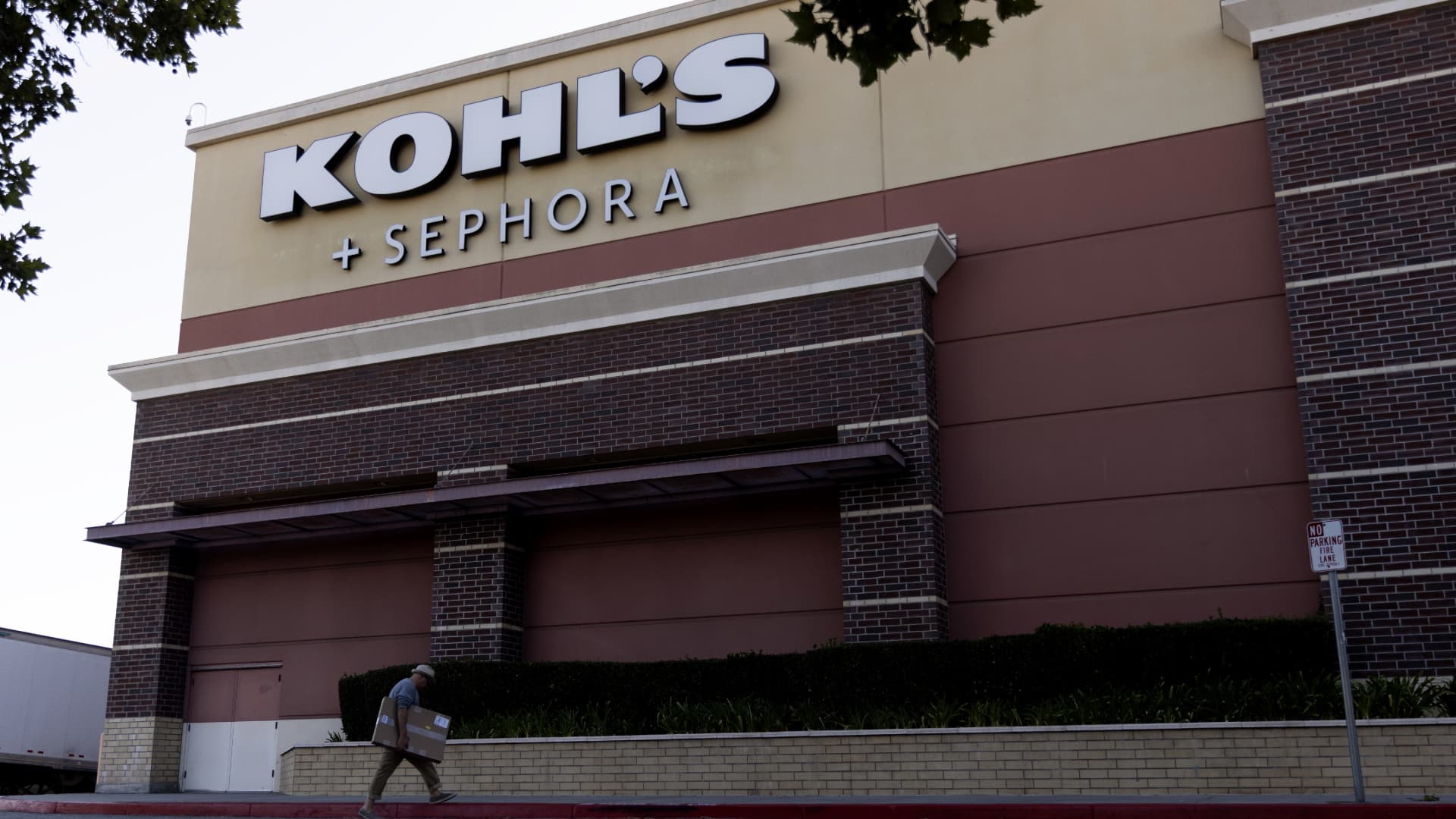
Kohl’s turnaround efforts are gaining traction, signaling a potential shift for a legacy department store battling competitive pressures and a changing consumer landscape. After years of declining sales and a significant stock plummet, the retailer is strategically realigning to its core strengths. This analysis delves into the strategic adjustments aimed at restoring Kohl’s once-dominant position in middle-income retail and how it seeks to carve out sustained relevance.
🗝️ Corporate Strategy Insights
- Strategic Realignment. Kohl’s is ‘picking a lane’ by returning to its core value proposition of proprietary brands, coupons, and a reliable in-store experience, abandoning prior diversions into off-price retail.
- Customer Re-engagement. After alienating its core middle-income shoppers by removing key categories like petites and jewelry, the company is refocusing on understanding and serving this traditional base.
- Youthful Appeal. The Sephora shop-in-shops represent a critical strategy to attract younger, Gen Z consumers, with the aim of converting them into broader store shoppers despite initial mixed performance.
Once a retail favorite known for value and loyalty programs, Kohl’s stock has plummeted nearly 70% over the past five years, reflecting sustained weak sales amidst a challenging department store environment. The retailer’s struggles intensified as it drifted from its foundational identity, a misstep acknowledged by CEO Michael Bender. According to Gordon Haskett analyst Chuck Grom, Kohl’s ‘alienated’ its core customer base by altering its product assortment, limiting coupon usage, and leaning into off-price retail over proprietary brands. This shift led to stagnant sales, declining foot traffic, and rapid executive turnover.
The company also faced fierce competition from agile retailers such as global business news outlets reported, including Walmart and T.J. Maxx, which capitalized on the market share Kohl’s relinquished. Online giant Amazon further intensified the pressure, drawing away consumers seeking convenience and aggressive pricing. As middle-income consumers faced budget constraints and rising inflation, the battle for value-conscious shoppers became increasingly difficult, with many retailers emphasizing compelling price points. Jefferies analyst Blake Anderson noted the evolving retail landscape and the growing difficulty for department stores to compete solely on value, a sentiment echoed by Sonia Lapinsky of AlixPartners, who highlighted the constant shifting strategies at Kohl’s that led to customer confusion.
Under CEO Michael Bender, who took the helm in late 2025, Kohl’s is actively working to stabilize its business and return to growth. The renewed strategy emphasizes proprietary brands, consistent value, and coupon offerings, aiming to restore customer assurance in product availability and pricing. Bender stated that the company is restoring themes that ‘made Kohl’s great back then,’ acknowledging customers’ desire for convenience. This strategic pivot appears to be yielding early results, with the retailer posting its best comparable sales growth in four years in its most recent earnings report, despite an overall revenue decline. Following the report, Kohl’s stock saw a 20% spike, signaling renewed investor interest, as observed by Gordon Haskett’s Grom, who believes the current strategy ‘makes a lot of sense.’
- Sephora Partnership: A key initiative, the Sephora shop-in-shops, aims to attract a younger demographic, particularly Generation Z. While Sephora’s performance slightly underperformed in the most recent quarter, it has historically delivered billions in sales and represents a crucial avenue for future growth and attracting new customers, according to Jefferies analyst Blake Anderson.
- Operational Efficiency: The company’s focus on rebalanced inventory and simplified promotions underscores a commitment to operational efficiency, which is vital for profitability and customer satisfaction in a competitive market.
- Customer-Centric Revival: Reintroducing categories like petites and jewelry, which were previously removed, reflects a renewed commitment to listening to and serving the traditional Kohl’s customer base, a critical step in regaining trust and loyalty.
Kohl’s renewed focus on core value and proprietary brands could significantly intensify competition within the middle-income retail segment. If successfully executed, this might lead to some market share recapture from discounters like T.J. Maxx and potentially impact the sales of other struggling department stores such as Macy’s, which already faces similar challenges. The strategy’s ripple effect could also spur competitors to re-evaluate their own loyalty programs and value propositions, triggering a broader competitive re-alignment in a market segment where price sensitivity is paramount. This strategic recalibration offers potential for Kohl’s to redefine consumer expectations, challenging established competitor dominance and creating a unique value proposition for its target demographic.
‘We made some decisions where we took away categories… those are categories, as an example, that are not substitutable,’ CEO Michael Bender commented, admitting the critical error in Kohl’s past strategy and underscoring the importance of understanding core customer needs.
Kohl’s Recent Performance Indicators
| Metric | Value / Change | Significance |
|---|---|---|
| Stock Performance (Past 5 Years) | ~70% decline | Reflects significant market concern and operational challenges. |
| Stock Performance (Past Year) | ~130% climb | Indicates renewed investor optimism in turnaround efforts. |
| Revenue (FY2019 Peak) | $20.23 billion | Benchmark for historical market share and operational scale. |
| Recent Quarterly Revenue | $3 billion | Exceeded Wall Street estimates, beating low expectations. |
| Comparable Sales Growth | Best in four years | Crucial indicator of renewed customer engagement and strategy efficacy. |
| Full-Year Sales Outlook | Down 2% to flat | Signals a potential stabilization and halting of severe declines. |
Kohl’s Competitive Advantages Amidst Retail Shifts
Despite years of decline, Kohl’s retains several competitive advantages that could be leveraged in its turnaround. Its extensive brick-and-mortar footprint across the U.S. provides accessibility for its target middle-income demographic, offering a physical presence that online-only retailers lack. The established Kohl’s brand, while tarnished, still holds recognition among a significant consumer segment. Furthermore, its loyalty program, Kohl’s Cash, remains a powerful tool for customer retention and encouraging repeat purchases, especially when paired with a clear and consistent value proposition. The strategic partnership with Sephora, despite recent minor setbacks, introduces a dynamic element that attracts a younger, beauty-focused demographic, providing a critical avenue for new customer acquisition and driving incremental traffic to stores. These intrinsic assets, if managed effectively, can form the bedrock of a revitalized competitive position in the shifting retail landscape.
Kohl’s Industry Benchmarking Against Department Store Peers
Kohl’s challenges are not unique, mirroring the broader struggles of the traditional department store model against specialty retailers and e-commerce. Compared to peers like Macy’s or Dillard’s, Kohl’s historically distinguished itself through its focus on value and proprietary brands, aiming for a broader, family-oriented market rather than luxury. However, its recent ‘drifting’ strategy blurred these lines, making differentiation difficult. While Macy’s has invested heavily in digital transformation and smaller store formats, and Nordstrom continues to lean into luxury and personalized service, Kohl’s is attempting to differentiate by re-emphasizing affordability, a compelling in-store experience, and the unique draw of Sephora. The success of Kohl’s strategy will be benchmarked not just by sales growth, but by its ability to demonstrate sustained profitability and customer loyalty, especially when contrasted with the performance of more specialized retailers and the robust growth of players like T.J. Maxx in the value segment, as investors review their corporate growth strategies.
Kohl’s Turnaround: A Path to Sustained Market Relevance?
Kohl’s is showing nascent signs of recovery by refocusing on its historical strengths and strategically adapting to new demographics. The company’s leadership is committed to a clear vision, emphasizing value, proprietary brands, and an enhanced in-store experience, a stark contrast to its previous ‘drifting’ strategies. The success of this pivot hinges on consistent execution and the ability to maintain a distinct brand identity in a fragmented retail market.
- Re-establishing customer trust with consistent value and a predictable promotional cadence.
- Scaling successful initiatives like Sephora shop-in-shops to attract and retain younger, diverse customer segments.
- Navigating macro-economic headwinds impacting middle-income shoppers while delivering a compelling product offering.
Can Kohl’s sustain its recent positive momentum to solidify its position as a leading destination for value-conscious American families, and how will this impact the broader global stock markets retail sector?
📊 StockXpo Analyst’s View
Market Impact: The initial positive market reaction to Kohl’s recent earnings suggests investor confidence in its strategic recalibration, potentially drawing more attention to value-oriented retail stocks and encouraging a re-evaluation of legacy department store potential for turnaround. This could lead to increased liquidity and trading volume for KSS and similar struggling retailers demonstrating strategic clarity.
Sector To Watch: Investors should closely monitor the broader department store sector, particularly companies attempting similar reinventions. Additionally, the beauty retail segment, and partnerships like Kohl’s-Sephora, will be key to understanding future foot traffic and customer acquisition trends in an evolving retail landscape. For more educational insights, consult our blog.
Financial Disclaimer:
StockXpo.com is a financial news aggregator and educational portal, not a registered investment advisor or broker-dealer. All information, news, and analysis provided herein are strictly for educational purposes and do not constitute investment, financial, legal, or tax advice. Investing in the stock market involves high risks, and past performance is not indicative of future results. StockXpo will not be liable for any financial losses or investment damages. Always consult a certified financial advisor before making market decisions.
MORE IN INSIDE BUSINESS

Saudi Arabia Flight Decision: Delta Weighs Safety Amid Regional Tensions
Published: Friday, October 9, 2026 · 7:21 AM

Skydance Vertical Win: Ellison’s Bold Strategy for Media Dominance
Published: Thursday, October 8, 2026 · 12:44 PM