Published: Friday, June 26, 2026 · 7:35 PM | Updated: Friday, June 26, 2026 · 7:35 PM
📊 259 views




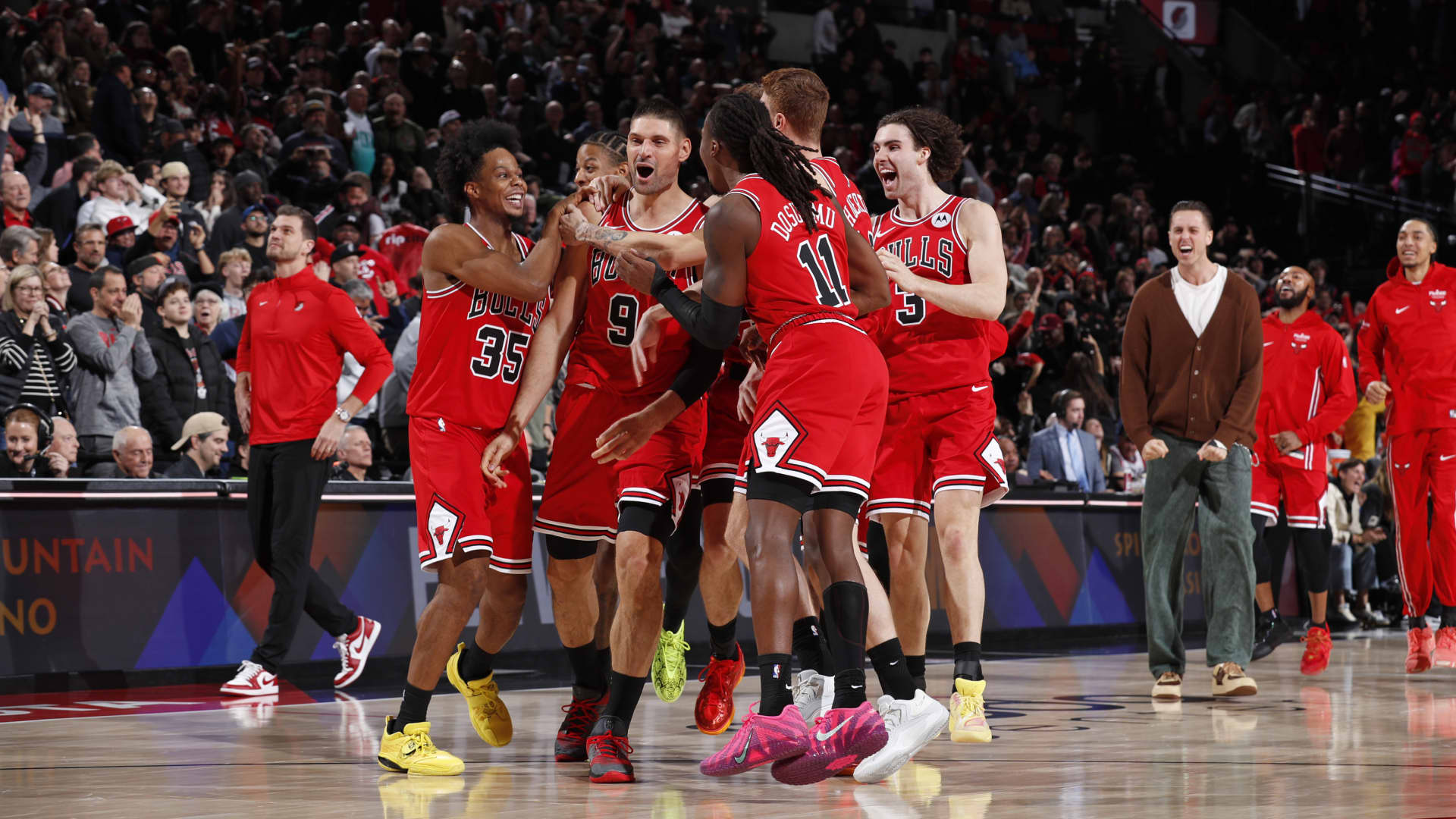
Lukas Walton, a prominent heir to the Walmart fortune, has deepened his family’s footprint in professional sports by acquiring a Chicago Bulls minority stake and a portion of the United Center. This move underscores a growing trend among ultra-high-net-worth individuals to invest in high-value sports franchises, blending wealth preservation with community development initiatives.
The transaction, while not granting controlling ownership, signals a strategic alignment with the long-term vision for the Bulls organization and the broader Chicago West Side redevelopment, known as the 1901 Project.
🗝️ Corporate Strategy Insights
- High-Net-Worth Diversification. Ultra-wealthy individuals are increasingly allocating capital into sports franchises as a stable, appreciating asset class.
- Strategic Real Estate Integration. The investment extends beyond the team to include the United Center and the 1901 Project, linking sports ownership with significant urban real estate development.
- Family Legacy in Sports. Lukas Walton follows his uncle Rob Walton into sports ownership, indicating a family strategy to diversify assets into highly visible and culturally impactful enterprises.
The acquisition, details of which remain undisclosed regarding stake size and valuation, solidifies the Reinsdorf family’s continued controlling ownership of the Chicago Bulls. Jerry Reinsdorf’s initial $16.2 million investment in 1985 has appreciated significantly, with the franchise now valued at approximately $6.45 billion, making it the NBA’s fifth-most valuable team according to CNBC’s latest assessments. This remarkable valuation trajectory highlights the robust growth and investment appeal of top-tier sports assets, even for teams experiencing recent on-court challenges.
Beyond the team, the Waltons’ investment also encompasses a stake in the United Center, which is jointly controlled by the Wirtz and Reinsdorf families. This dual investment aligns with a broader vision for the 1901 Project, a substantial $7 billion redevelopment effort planned for Chicago’s West Side. This comprehensive approach to investment, combining sports entertainment with urban renewal, indicates a sophisticated long-term capital allocation strategy.
Lukas Walton, grandson of Walmart founder Sam Walton, brings a significant personal fortune of approximately $45 billion, as reported by Forbes. His statement emphasized a dedication to Chicago’s future and an admiration for the vision behind the 1901 Project, suggesting a community-centric approach to his business ventures. This mirrors the family’s previous ventures into sports ownership, with his uncle, Rob Walton, having acquired the NFL’s Denver Broncos in 2022 and holding a stake in MLB’s Arizona Diamondbacks.
While the Chicago Bulls enjoyed immense success during the Michael Jordan era, securing six championships, their recent performance has been less stellar, having missed the playoffs since the 2021-2022 season. The investment by the Waltons, therefore, comes at a pivotal time for the franchise, potentially injecting new strategic impetus or capital for future growth and competitive improvements.
Understanding the Valuation Dynamics of Sports Franchises
The valuation of professional sports teams has surged dramatically over the past decade, driven by several factors that make them attractive to investors:
- Limited Supply & High Demand: There are a finite number of major sports franchises, creating intense bidding for available stakes.
- Robust Media Rights: Lucrative national and regional broadcasting deals provide substantial, predictable revenue streams.
- Global Brand Appeal: Top teams possess international recognition, offering extensive merchandising, sponsorship, and fan engagement opportunities.
- Real Estate Integration: Ownership often includes stakes in arenas or surrounding development, enhancing asset value and revenue diversification.
These dynamics provide a compelling case for wealthy investors seeking long-term asset appreciation and portfolio diversification beyond traditional sectors like retail or technology, aligning with broader trends in stock markets and private equity.
The Strategic Ripple Effect on Sports Investment
The Walton family’s continued expansion into sports ownership, exemplified by this Chicago Bulls minority stake, sends a clear signal across the professional sports investment landscape. This high-profile entry by a family known for its astute corporate growth and long-term vision could accelerate a cascade of strategic shifts:
Increased Valuation Pressure → Heightened Competition for Stakes → Potential for Minority Investor Influence → Enhanced Franchise Operational Focus.
For competitors in the NBA and other leagues, the continuous influx of ultra-wealthy investors like the Waltons means a likely escalation in franchise valuations, making outright team acquisitions even more challenging. It also underscores the importance of integrating sports assets with broader real estate and entertainment ventures to maximize value. Teams like the New York Knicks (Madison Square Garden Company) or the Golden State Warriors (Chase Center development) already exemplify this model, but the Waltons’ specific focus on urban redevelopment with the 1901 Project highlights a significant value-creation pathway.
“The Walton family’s investment in the Chicago Bulls is more than just a financial transaction; it’s a strategic endorsement of sports franchises as enduring assets capable of anchoring large-scale urban development projects. This sets a precedent for how future private capital may integrate with public infrastructure initiatives.”
Key Financial Indicators for NBA Franchises
- Franchise Valuation: Chicago Bulls valued at $6.45 billion (CNBC), reflecting strong market demand despite on-court performance. This metric highlights asset appreciation potential.
- Net Worth of Investor: Lukas Walton’s estimated $45 billion (Forbes) provides substantial long-term capital stability and strategic backing for the investment.
- Associated Development Value: The $7 billion 1901 Project tied to United Center ownership indicates the significant non-team assets driving overall investment appeal.
These indicators collectively demonstrate the multifaceted value proposition of investing in premier sports organizations, extending far beyond simple team revenue to encompass vast real estate and brand equity.
Chicago Bulls Market Leadership and Brand Resilience
Despite recent playoff struggles, the Chicago Bulls maintain significant market leadership and brand resilience within the NBA. Their storied history, particularly the six championships of the Michael Jordan era, has cemented their status as a global sports icon. This powerful brand equity translates into consistent fan engagement, merchandise sales, and robust local media deals, underpinning their high valuation.
The team’s ability to command a $6.45 billion valuation, ranking fifth in the league, even during a period of competitive rebuilding, speaks volumes about the enduring value of a strong brand in professional sports. This resilience makes them an attractive target for long-term investors like the Waltons, who prioritize stable assets with inherent growth potential regardless of short-term athletic outcomes. The investment provides an avenue for the Waltons to leverage this established brand and potentially inject capital or expertise to re-energize competitive performance.
United Center Strategic Analysis: Beyond the Game
The United Center’s strategic importance extends far beyond its role as a sports arena. As a co-owned asset between the Reinsdorf and Wirtz families, and now with a minority stake from the Waltons, it serves as a central pillar for the ambitious 1901 Project. This $7 billion urban redevelopment initiative is designed to transform Chicago’s West Side, integrating entertainment, residential, and commercial spaces around the arena.
For investors, participation in such a venture offers diversified revenue streams beyond ticket sales and concessions. It taps into real estate appreciation, rental income, and the economic stimulus generated by a revitalized urban core. This blended asset strategy positions the United Center as a significant profit center and a driver of broader regional economic development, attracting sophisticated investors interested in large-scale, multi-sector projects. It represents a robust approach to capital allocation, connecting sports entertainment with long-term urban planning and economic impact.
The Chicago Bulls’ Next Chapter: A Capital Infusion Perspective
Lukas Walton’s acquisition of a Chicago Bulls minority stake marks a pivotal moment, signaling both a personal and family commitment to Chicago and a broader strategic play in the appreciating world of sports asset ownership. This investment underscores the increasing convergence of generational wealth, sports franchises, and large-scale urban development projects.
- The move reinforces the trend of elite investors seeking stable, high-value assets with long-term appreciation potential.
- It aligns the Bulls organization with a powerful family office that has a proven track record in both retail and sports.
- The dual investment in the team and the United Center’s associated 1901 Project highlights a comprehensive, integrated capital allocation strategy.
How will this infusion of new capital and strategic alignment impact the Chicago Bulls’ competitive future and the ambitious redevelopment of Chicago’s West Side?
📊 StockXpo Analyst’s View
Market Impact: This acquisition, while a minority stake, bolsters investor confidence in sports franchises as a resilient asset class, potentially driving up valuations across major leagues. The association with a prominent family office like the Waltons adds prestige and suggests long-term stability, which could attract further institutional and private capital into sports ownership. It implicitly validates the robust economics of the NBA, despite localized team performance fluctuations, influencing broader investment analysis on educational insights.
Sector To Watch: Investors should closely monitor the Sports & Entertainment sector, particularly those entities with significant real estate holdings or urban development plans. The integration of team ownership with large-scale projects like Chicago’s 1901 Project creates a powerful synergy, offering diversified revenue streams and enhanced asset appreciation. This multi-asset strategy could become a blueprint for future investments, drawing attention from real estate investment trusts (REITs) and private equity firms.
Financial Disclaimer:
StockXpo.com is a financial news aggregator and educational portal, not a registered investment advisor or broker-dealer. All information, news, and analysis provided herein are strictly for educational purposes and do not constitute investment, financial, legal, or tax advice. Investing in the stock market involves high risks, and past performance is not indicative of future results. StockXpo will not be liable for any financial losses or investment damages. Always consult a certified financial advisor before making market decisions.
MORE IN INSIDE BUSINESS
AI Wall Street Jobs: Surging Demand Redefines Finance’s Future Growth
Published: Friday, October 2, 2026 · 7:06 AM
Digital Shelf Labels: Walmart’s Operational Efficiency Breakthrough
Published: Thursday, October 1, 2026 · 10:42 AM