Published: Friday, June 26, 2026 · 7:04 PM | Updated: Friday, June 26, 2026 · 7:04 PM
📊 200 views




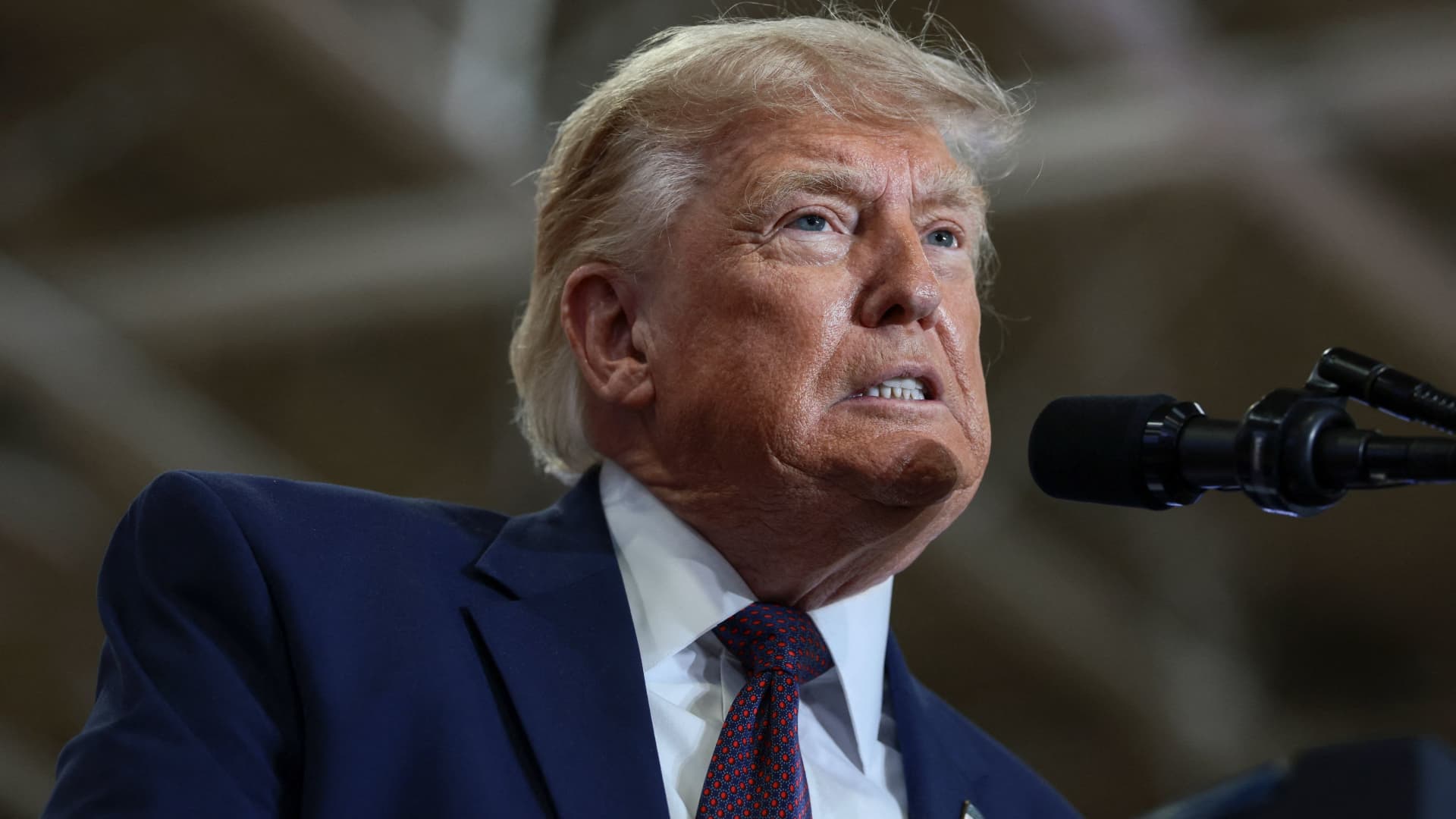
Former President Donald Trump has issued a stark warning, threatening to impose 100% tariffs on any country that implements a Digital Services Tax (DST) on U.S. companies. This aggressive stance signals a potential escalation in global trade disputes, directly impacting the operational frameworks of major American tech firms. The pronouncement raises immediate questions about international trade agreements and the enforceability of such sweeping measures, reflecting broader concerns in international trade policies.
🚀 Tech Strategy & Market Disruptions
- Escalating Tariff Threat. Trump’s declaration vows 100% tariffs on goods from nations imposing a Digital Services Tax, asserting these will supersede existing trade deals.
- Targeting U.S. Tech Dominance. Digital Services Taxes are predominantly structured to affect large American technology companies such as Meta, Alphabet, and Amazon, sparking claims of unfair targeting.
- Uncertain Legal Ground. The feasibility of immediately imposing such high tariffs is legally questionable, given prior Supreme Court rulings against Trump’s attempts to enact broad, unilateral tariffs.
The renewed threat from former President Trump specifically targets the growing trend among nations, particularly in Europe, to levy a Digital Services Tax. This tax is typically designed to capture revenue from digital services provided by large multinational corporations, many of which are U.S.-based tech giants, operating within their borders. Critics of DSTs argue they unfairly single out American innovation, leading to a complex web of international trade friction.
Trump’s previous administration had also taken a strong stance against these taxes, notably threatening to halt trade talks with Canada over its proposed DST, a move that ultimately led Ottawa to scrap the levy. This historical context underscores the potential for rapid and impactful economic repercussions should similar tariffs be enacted. Countries worldwide have sought to implement these taxes to ensure that highly profitable digital firms contribute a fair share to local economies where they generate significant revenue but may have limited physical presence. However, from a U.S. perspective, these taxes are often seen as discriminatory trade barriers, impacting the profitability and global competitive edge of companies like Meta, Alphabet, and Amazon, as detailed by digital economy shifts. The debate highlights a fundamental clash over digital economy regulation and fiscal sovereignty, a topic explored in depth in various educational tech insights.
- The Digital Services Tax aims to tax revenue from specific digital activities, rather than profits, often applied to companies exceeding certain global revenue thresholds.
- Over a dozen countries have already implemented DSTs, reflecting a broader global effort to adapt taxation to the digital age.
- The proposed tariffs could significantly increase operational costs for U.S. companies and spark retaliatory measures from affected nations, disrupting global value chains.
This tariff threat introduces a significant layer of uncertainty for global technology market trends and global supply chains. A unilateral imposition of 100% tariffs would immediately translate into higher import costs for goods from affected countries, directly impacting consumer prices and corporate profitability. This economic pressure could force U.S. tech firms to reassess their global market strategies, potentially leading to localized investments, altered pricing models, or even a reduction in service offerings in targeted regions. Such actions would not only escalate trade tensions but also risk fragmenting the global digital economy, challenging the interconnectedness that drives much of modern innovation and growth.
The imposition of such sweeping tariffs would force multinational tech companies to rapidly re-evaluate their global operating models, potentially leading to localized service adjustments and significant shifts in digital infrastructure investment strategies to mitigate escalating geopolitical risks.
Global Digital Services Tax: Ecosystem Expansion Potential
The ongoing dispute over the Digital Services Tax fundamentally challenges the ecosystem expansion potential of leading U.S. technology companies. These firms, which thrive on global reach and seamless cross-border operations, face a fractured regulatory landscape. The threat of tariffs creates a strong disincentive for market penetration and growth in countries adopting DSTs, forcing companies to weigh potential revenue against compliance costs and tariff exposure. This fragmentation could slow down the adoption of emerging technologies and digital transformation initiatives globally, as companies prioritize markets with more stable and predictable tax environments. It forces tech leaders to rethink their international growth blueprints and possibly invest more heavily in localized infrastructure to circumvent tariff impacts.
US Tech Giants: Market Adoption Challenges Amidst Trade Wars
For US tech giants like Alphabet, Meta, and Amazon, navigating the complexities of Digital Services Tax disputes presents substantial market adoption challenges. Beyond the direct financial hit from potential tariffs, these companies must contend with evolving consumer sentiment and regulatory scrutiny in affected markets. A trade war driven by DSTs could inadvertently empower local competitors or create barriers for new user acquisition and service expansion. Furthermore, the political nature of these disputes often draws tech firms into broader geopolitical conflicts, potentially impacting their brand reputation and long-term viability in critical international markets, making strategic growth more precarious. Learn more about navigating such challenges through emerging technologies.
Digital Services Tax Standoff: Navigating Future Trade Headwinds
The renewed tariff threat over the Digital Services Tax creates significant trade headwinds, demanding strategic foresight from global businesses and policymakers. This escalating tension highlights the urgent need for a unified international approach to digital taxation, rather than a patchwork of national levies and retaliatory tariffs. The immediate future will likely see increased lobbying efforts from tech firms and continued diplomatic friction as countries attempt to assert fiscal sovereignty.
- The dispute risks creating a fragmented global digital economy, hindering cross-border services and innovation.
- U.S. tech companies must prepare for potential operational disruptions and increased costs in key international markets.
- International cooperation on digital tax frameworks remains critical to prevent a full-blown trade war that could derail economic growth.
How will global businesses adapt their digital transformation strategies in anticipation of these potential trade barriers?
📊 StockXpo Analyst’s View
Market Impact: This escalating rhetoric introduces significant market volatility, particularly for the major U.S. tech indices and companies with substantial international revenue exposure. Investor sentiment could sour on global-facing tech stocks due to increased regulatory uncertainty and potential margin compression from tariffs. We anticipate a flight to more domestically focused assets or companies with resilient supply chains.
Sector To Watch: The e-commerce, cloud computing, and digital advertising sectors are directly exposed. Companies heavily reliant on cross-border data flows and international user bases, such as Amazon, Meta, and Alphabet, will face direct impacts. Conversely, sectors offering localized digital solutions or having diversified geographical revenue streams might show greater resilience.
Financial Disclaimer:
StockXpo.com is a financial news aggregator and educational portal, not a registered investment advisor or broker-dealer. All information, news, and analysis provided herein are strictly for educational purposes and do not constitute investment, financial, legal, or tax advice. Investing in the stock market involves high risks, and past performance is not indicative of future results. StockXpo will not be liable for any financial losses or investment damages. Always consult a certified financial advisor before making market decisions.
MORE IN INSIDE TECHNOLOGY

Grab financial services: $1.49 Billion Bet on Southeast Asia Lending
Published: Wednesday, September 16, 2026 · 2:09 AM

AI Slowdown: Digital Realty Sees Sustained Data Center Growth Amidst Shifting Tech Demands
Published: Tuesday, September 15, 2026 · 8:31 AM