Published: Friday, May 29, 2026 · 2:04 AM | Updated: Friday, May 29, 2026 · 2:04 AM
📊 239 views




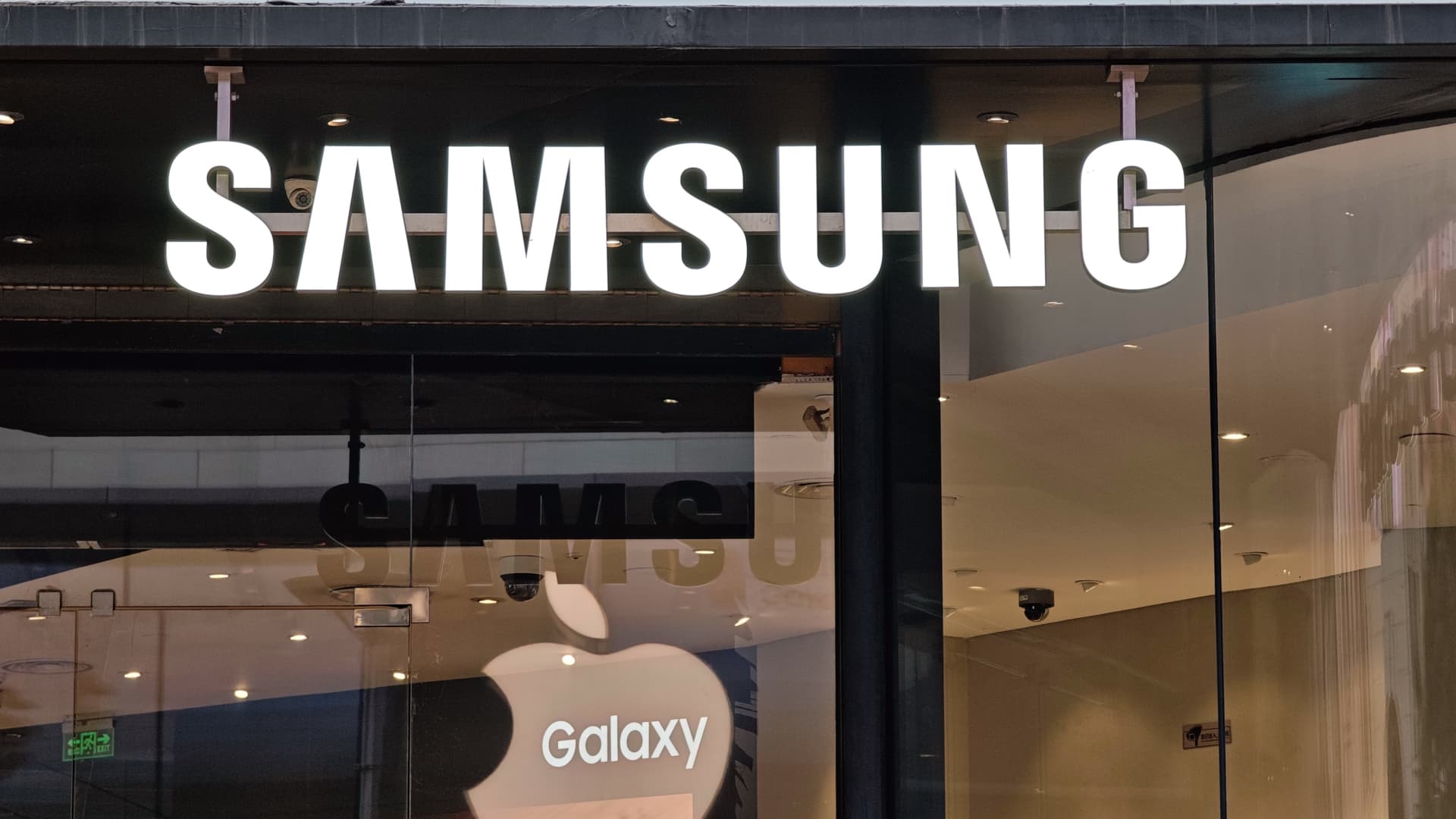
Samsung Electronics experienced a significant market uplift, with shares climbing as much as 6.51%, following the announcement that the company has commenced global shipments of its next-generation High Bandwidth Memory (HBM) chip samples. This development underscores the critical role of advanced memory solutions in powering the rapidly expanding artificial intelligence ecosystem.
🚀 Tech Strategy & Market Disruptions
- Next-Gen AI Memory: Samsung’s 12-layer HBM4E chip offers industry-leading speeds of 16 Gbps with enhanced efficiency, directly addressing the growing data demands of AI accelerators.
- Market Position Strengthening: The shipment of HBM4E samples signals Samsung’s aggressive strategy to close the gap with competitors like SK Hynix and solidify its standing in the lucrative AI hardware sector.
- Capacity Expansion: With a 48GB capacity and plans for 32GB and 64GB configurations, Samsung is demonstrating a clear roadmap for scaling memory solutions to meet future AI workloads.
The newly unveiled 12-layer HBM4E chip represents a notable advancement, boasting speeds up to 16 Gigabits-per-second. Crucially, Samsung highlights improved energy efficiency and thermal performance, factors that are paramount for high-density computing environments inherent in AI workloads. This latest iteration stacks Dynamic Random-Access Memory vertically, achieving a substantial 48-gigabyte capacity, which is more than a 30% increase over previous generations.
Samsung’s strategic move into advanced AI memory chips is crucial for supporting the intense data processing needs of AI accelerators. These specialized memory chips are indispensable for processors handling massive datasets required by the likes of Nvidia’s Rubin and Google’s Ironwood Tensor Processing Units. The company’s executive vice president, Sang Joon Hwang, emphasized their commitment to driving the global AI memory market through advanced manufacturing and infrastructure investment, positioning Samsung as a key player in emerging technologies.
This proactive development follows Samsung’s commencement of HBM4 chip shipments in February, a move clearly aimed at narrowing the competitive gap with industry leaders such as SK Hynix. The focus on next-generation AI memory underscores a broader trend across the semiconductor industry towards specialized components that can unlock new levels of AI performance. Investors are closely watching these developments, as the demand for AI-specific hardware continues to skyrocket, influencing the trajectory of semiconductor stocks and the overall technology market trends.
The company’s commitment to innovation in memory technology is evident not only in the current HBM4E offering but also in its forward-looking plans to expand the lineup. Samsung intends to introduce 8-layer 32GB and 16-layer 64GB configurations, tailored to evolving customer requirements and the ever-increasing demands of advanced AI applications. This flexibility in product development suggests a robust understanding of market dynamics and a keen ability to adapt to the fast-paced evolution of artificial intelligence.
Why This AI Memory Chip Matters for Tech Innovation
The significance of Samsung’s advancement in AI memory chips extends beyond mere product enhancements; it signals a critical inflection point for the entire AI development pipeline. High-bandwidth memory is the bottleneck for many AI computations, and improvements here directly translate to faster model training, more efficient inference, and the enablement of entirely new AI capabilities. This breakthrough is a prime example of how innovation in foundational hardware directly impacts the progress and adoption of cutting-edge technologies.
Samsung’s preemptive investment in HBM4E highlights a core principle of innovation-driven growth: anticipating and shaping future market needs rather than merely reacting to them. This strategic foresight is what distinguishes market leaders in the rapidly evolving semiconductor landscape.
The market is keenly observing how these new memory chips will integrate with existing AI infrastructure. The successful deployment and adoption of Samsung’s HBM4E could set new benchmarks for performance and efficiency, compelling competitors to accelerate their own development cycles. This competitive pressure is a catalyst for further innovation, as explored in detailed analyses of emerging technologies.
Samsung’s AI Memory Market Adoption Challenges
While the shipping of samples is a positive step, Samsung faces significant hurdles in achieving widespread market adoption for its HBM4E chips. The AI hardware market is intensely competitive, with established players like SK Hynix and Micron already holding strong positions. Furthermore, integrating new memory architectures into existing AI system designs requires substantial validation and testing by customers, including major chip designers like Nvidia and Google. The cost-effectiveness and scalability of Samsung’s manufacturing processes will also be critical factors for sustained success. Investors will be scrutinizing the company’s ability to secure large-scale orders and maintain its technological edge against rapid advancements from its rivals.
The Ripple Effect of HBM4E on AI Infrastructure
Samsung’s new HBM4E chip is more than just an incremental upgrade; it’s a potential enabler of more complex and powerful AI systems. By offering higher bandwidth, improved energy efficiency, and increased capacity, these chips can reduce processing times and power consumption for AI workloads. This reduction in operational overhead makes advanced AI more accessible and feasible for a broader range of applications, from large language models to sophisticated scientific simulations. The positive impact on the semiconductor industry and its supply chain is considerable, as demand for these specialized components escalates, driving further investment and research. Companies that can effectively leverage these advancements will likely gain a significant competitive advantage in the burgeoning AI sector, a topic often discussed in expert tech insights.
📊 StockXpo Analyst’s View
Market Impact: The surge in Samsung’s stock reflects increased investor confidence in the company’s ability to capture a significant share of the high-growth AI memory market. This development is likely to positively influence investor sentiment towards the broader semiconductor sector, potentially boosting market liquidity for related stocks. Expect a ripple effect that favors companies involved in AI hardware and specialized computing solutions.
Sector To Watch: Beyond memory manufacturers, the AI accelerator chip sector and companies developing AI software platforms are critical areas to watch. As AI processing becomes more efficient and powerful, these adjacent sectors will see accelerated innovation and market expansion. Investments in companies at the forefront of AI application development may also see increased traction.
Financial Disclaimer:
StockXpo.com is a financial news aggregator and educational portal, not a registered investment advisor or broker-dealer. All information, news, and analysis provided herein are strictly for educational purposes and do not constitute investment, financial, legal, or tax advice. Investing in the stock market involves high risks, and past performance is not indicative of future results. StockXpo will not be liable for any financial losses or investment damages. Always consult a certified financial advisor before making market decisions.
MORE IN INSIDE TECHNOLOGY
AI Buildout Hits Credit Headwinds: Neoclouds Under Pressure
Published: Saturday, October 24, 2026 · 12:23 AM

SK Hynix Shares Rebound: A Strategic Shift in Semiconductor Funding
Published: Friday, October 23, 2026 · 1:46 AM