Published: Saturday, June 27, 2026 · 1:42 AM | Updated: Saturday, June 27, 2026 · 1:42 AM
📊 214 views




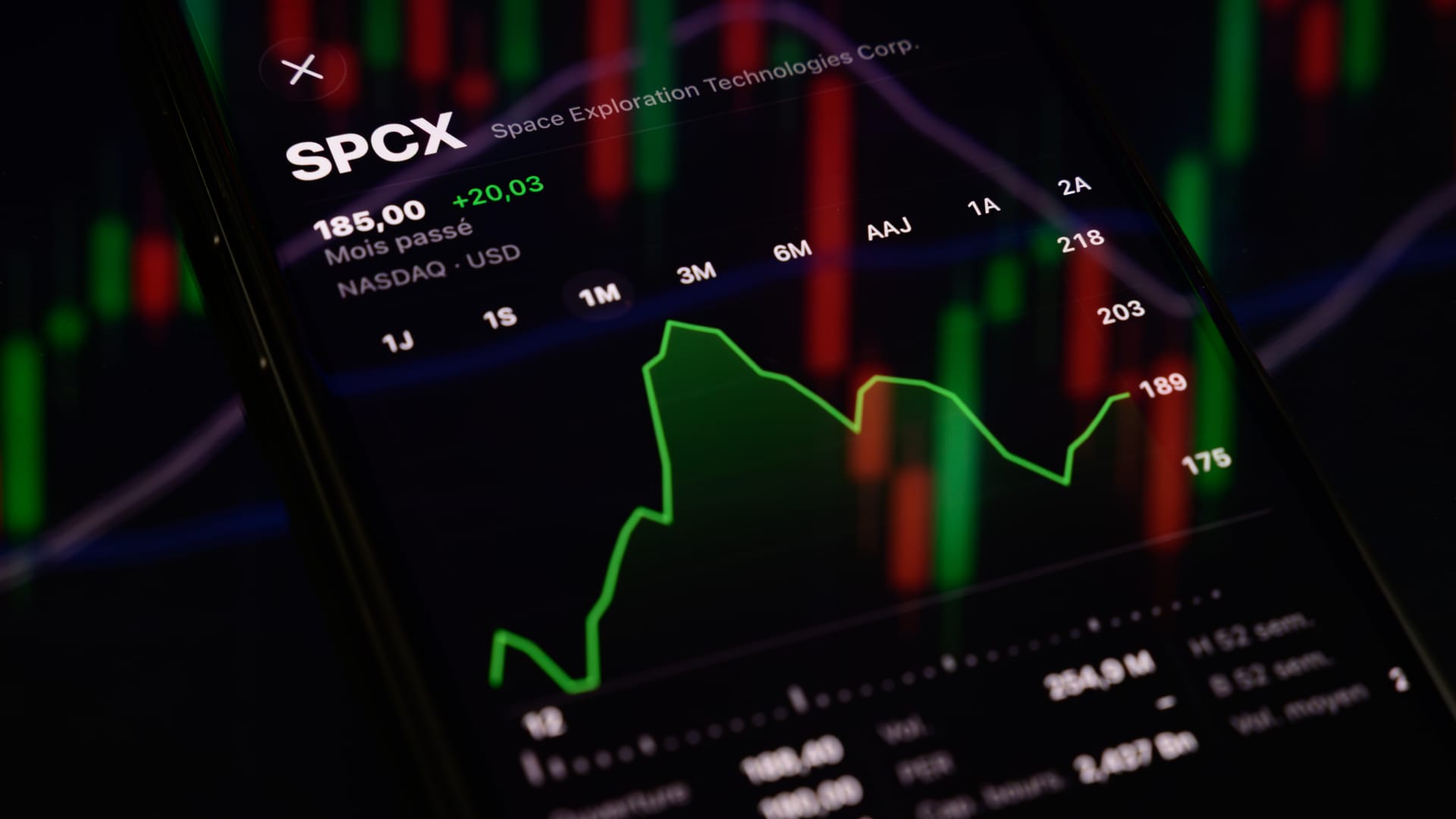
SpaceX, Elon Musk’s aerospace venture, is poised to make one of the quickest entries into the Nasdaq-100 index, triggering a fresh wave of buying from passive investment vehicles. This move, less than a month after its blockbuster public debut, signals a significant shift in capital allocation for index-tracking funds. The rapid inclusion highlights Nasdaq’s new fast-track framework, reshaping how major IPOs gain immediate benchmark exposure.
💰 Financial Strategy & Market Insights
- Rapid Index Inclusion. SpaceX joins the Nasdaq-100 less than a month after its IPO, thanks to a new fast-track framework for large, newly public companies.
- Passive Capital Inflow. Index-tracking funds, including those following the Invesco QQQ Trust (QQQ), will begin purchasing shares, creating sustained demand for the newly listed stock.
- Liquidity Dynamics Shift. Despite a small publicly tradable float, even a sub-1% weighting in the Nasdaq-100 will necessitate substantial institutional buying, impacting market liquidity.
The inclusion of SpaceX into the Nasdaq-100 index marks a pivotal moment for both the company and the broader market liquidity landscape. Set to officially join before trading commences on July 7, this move will compel index-tracking funds and other product sponsors, which collectively manage over $800 billion linked to the index, to acquire shares. This includes the highly popular Invesco QQQ Trust (QQQ), often seen as a barometer for the artificial intelligence bull market, signaling immediate and significant capital shifts.
Nasdaq’s recently adopted fast-track inclusion framework is the primary enabler for this unprecedented speed. This policy allows qualifying large IPOs to become eligible for the Nasdaq-100 after a mere 15 trading days, a stark departure from the historically prolonged waiting periods. This mechanism ensures that investors tracking the benchmark gain earlier exposure to market giants like SpaceX, rather than being forced to wait months under the old regime.
For SpaceX, already one of the most actively traded stocks since its June 12 debut, this inclusion represents a new, consistent source of demand. While its initial weighting in the index is expected to be less than 1%, the crucial factor lies in its publicly tradable float. Given that this float remains comparatively small relative to its total market capitalization, even a modest index weighting will necessitate meaningful purchases from these passive investment vehicles, thereby exerting upward pressure on its stock price and enhancing its market profile. This strategic financial maneuver is already drawing attention from professional market analysts.
It’s worth noting the divergence in index strategies; S&P Dow Jones Indices, earlier this month, chose not to implement a similar fast-track process for the S&P 500. Consequently, SpaceX remains ineligible for inclusion in that benchmark, primarily due to its stringent profitability and seasoning requirements. This highlights differing philosophies in how major indices integrate new market entrants, impacting investor access to these high-growth opportunities.
- Upside: Enhanced Liquidity and Demand: Passive index buying provides a sustained demand floor, potentially reducing price volatility and increasing the stock’s overall liquidity. This institutional validation can also attract further active investor interest.
- Upside: Increased Visibility and Valuation Support: Inclusion in a high-profile index like the Nasdaq-100 boosts SpaceX’s market visibility and perception, potentially supporting higher valuations as it becomes a staple in technology-focused portfolios.
- Downside Risks: Price Volatility Post-Adjustment: While initial buying is expected, the small float could lead to significant price swings if large active managers decide to adjust positions or if passive rebalancing creates short-term demand-supply imbalances.
- Downside Risks: Valuation Pressure and Overextension: The rapid rise driven by index inclusion might push the stock’s valuation beyond fundamentals in the short term, creating a susceptibility to corrections once the initial buying pressure subsides, especially given the company’s limited profitability track record relative to S&P 500 criteria.
In finance, ‘public float’ refers to the number of shares of a company that are available for trading in the public market, excluding restricted shares held by insiders or large institutions. A smaller public float, as in SpaceX’s case, means that even modest buying or selling pressure from index funds can have a disproportionately large impact on the stock’s price, intensifying market sensitivity to capital shifts.
Key details regarding SpaceX’s Nasdaq-100 inclusion:
- Index Tracking Value: Over $800 billion tracks the Nasdaq-100 index.
- Target Inclusion Date: Official entry into Nasdaq-100 slated for July 7, 2026.
- Initial Weighting: Expected to enter the index with less than a 1% weighting.
- Fast-Track Eligibility: Qualified under Nasdaq’s new framework, allowing inclusion after just 15 trading days for large IPOs.
- IPO Debut: Public trading commenced on June 12, 2026.
Unpacking SpaceX’s Liquidity Dynamics: What’s Next?
The inclusion of SpaceX into the Nasdaq-100 is set to fundamentally alter its market liquidity profile. Prior to index entry, liquidity was primarily driven by active investor interest and the initial enthusiasm following its IPO. With the influx of passive capital, the stock will gain a new, structural layer of demand. This institutional floor can smooth out daily trading volatility to some extent, providing a more stable trading environment, particularly crucial for a company with a relatively nascent public trading history. However, it also means that the stock’s movements could become more correlated with broader Nasdaq-100 rebalancing events, which are periodic and predictable. For active managers, understanding these evolving liquidity patterns will be key to optimizing entry and exit points, especially in a market driven by algorithmic trading and quantitative strategies. The change effectively transitions SpaceX from a pure growth story traded on individual merit to a constituent that influences and is influenced by broader market analysis critical.
SpaceX Market Sentiment Tracker: Post-Inclusion Pulse
Post-inclusion, the market sentiment around SpaceX is likely to experience a tangible uplift, driven by the perceived institutional validation that comes with a Nasdaq-100 listing. This is not merely about mandated buying; it also signals to a wider audience of active investors that SpaceX has met specific criteria, even if fast-tracked. The company’s innovative aerospace and satellite communications ventures already garner significant attention, but index inclusion elevates its status within the financial sector. We expect an initial wave of positive sentiment as the passive buying unfolds, followed by a stabilization phase where focus shifts back to fundamental performance and future growth catalysts. Any further news regarding Starlink’s profitability, new contracts, or technological advancements will be amplified by its benchmark status. Conversely, any setbacks could see magnified sell-offs due to its high-profile position. Monitoring social media trends, analyst ratings, and investor forums will be crucial for gauging this evolving sentiment.
SpaceX’s Market Trajectory: What Investors Need to Know
SpaceX’s swift entry into the Nasdaq-100 is a testament to its market significance and a strategic coup enabled by Nasdaq’s revised inclusion rules. This move guarantees significant institutional buying, fundamentally altering the stock’s liquidity and valuation dynamics. Investors should prepare for increased volatility during the rebalancing phase, while recognizing the long-term benefits of enhanced market visibility and consistent demand from passive funds.
- The quick inclusion underscores Nasdaq’s agility in adapting to the landscape of large, rapid-growth IPOs.
- Expect a period of heightened trading activity and potential price shifts as index funds integrate SpaceX shares.
- Long-term implications include greater market exposure and potential for more stable institutional ownership, contingent on fundamental performance.
How will SpaceX’s enhanced index presence redefine its path to sustained valuation in a rapidly evolving aerospace market?
📊 StockXpo Analyst’s View
Market Impact: The immediate impact will be a surge in mandated buying, driving up demand for SpaceX shares. This structural shift in ownership, moving towards passive index funds, is likely to stabilize its trading activity over time. However, given its relatively small public float, the initial rebalancing could trigger short-term volatility as funds adjust their portfolios. This scenario is a critical watch point for overall educational financial insights.
Sector To Watch: The aerospace and satellite communication sector will gain significant attention. SpaceX’s inclusion validates the growth potential of innovative space-tech companies, potentially drawing more capital into disruptive technologies within this niche. Investors should monitor peers and related technology firms for a ripple effect.
Financial Disclaimer:
StockXpo.com is a financial news aggregator and educational portal, not a registered investment advisor or broker-dealer. All information, news, and analysis provided herein are strictly for educational purposes and do not constitute investment, financial, legal, or tax advice. Investing in the stock market involves high risks, and past performance is not indicative of future results. StockXpo will not be liable for any financial losses or investment damages. Always consult a certified financial advisor before making market decisions.
MORE IN INSIDE FINANCE

NAND Memory Chips: YMTC’s Surge Signals Major Capital Shifts
Published: Thursday, August 13, 2026 · 12:57 AM

Prediction Market Platforms Under Scrutiny: NYC Council Probes Marketing Tactics
Published: Wednesday, August 12, 2026 · 7:19 AM