Published: Monday, August 3, 2026 · 5:56 PM | Updated: Monday, August 3, 2026 · 5:56 PM
📊 102 views




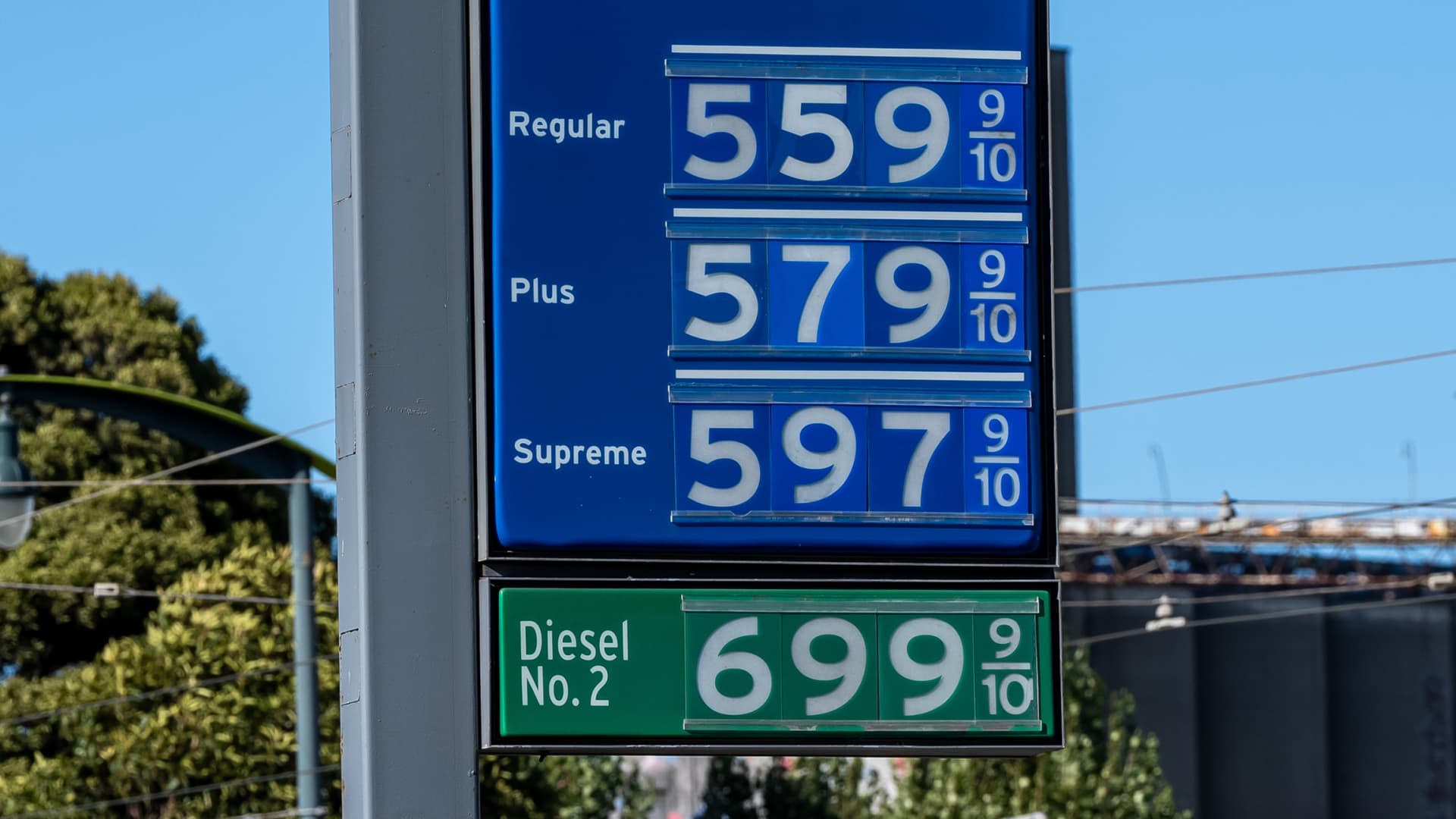
The ongoing geopolitical tensions in the Middle East and Eastern Europe are significantly impacting global energy markets, particularly for refined petroleum products. California, with its unique market dynamics, is experiencing an unprecedented surge in Diesel Prices, triggering a nationwide economic ripple effect that translates into higher costs for consumers across various sectors.
💰 Financial Strategy & Market Insights
- Geopolitical Supply Shocks. Conflicts in Iran and Ukraine have tightened global diesel supply by an estimated 8% of demand, creating sustained price pressure.
- California’s Cost Amplification. The state’s strict regulations, declining refining capacity, and isolation from major fuel pipelines mean its high diesel prices disproportionately inflate national freight costs.
- Inflationary Pressure on Consumers. Elevated transportation expenses for goods moving through key U.S. ports in California effectively act as a ‘hidden tax’, pushing up prices for everyday products nationwide.
The U.S. economy faces renewed inflationary pressures as Diesel Prices surge, particularly in key logistical hubs like California. This increase stems from a confluence of global geopolitical events and specific regional market characteristics. The ongoing conflict in Iran and escalating attacks on Russian refining infrastructure by Ukraine have created a significant global deficit in diesel supply. Andy Lipow of Lipow Oil Associates estimates this shortfall to be approximately 8% of global demand, a substantial figure for a commodity often dubbed the ‘workhorse of the American economy’.
California, home to the nation’s busiest containership port complex in San Pedro Bay, is at the epicenter of this price surge. Nearly one-third of all U.S. containership imports and exports pass through this complex. Before these goods reach shelves nationwide, they are transported by trucks and trains that bear California’s elevated fuel costs. This unique bottleneck means that the state’s stringent environmental regulations, dwindling fossil fuel industry, and lack of extensive pipeline infrastructure effectively transform its local price hikes into a national ‘hidden tax’ on consumers.
ExxonMobil CEO Darren Woods recently told CNBC that the ‘refining challenge is going to be with the world for a while,’ attributing it to factors beyond just the Strait of Hormuz, including lost Russian capacity and uncertain Chinese export policies. This sentiment underscores a broader structural issue in the global petroleum product markets, which are proving far tighter than crude oil markets. For businesses operating within critical supply chains, these dynamics necessitate a re-evaluation of operational efficiency and cost management strategies.
JPMorgan analysts, led by Natasha Kaneva, highlighted in a June note that a ‘meaningful share of America’s supply chain pays West Coast fuel prices.’ These analysts further elaborated that these elevated prices ‘influence freight costs, transportation margins, and ultimately the delivered cost of goods nationwide.’ The ramifications extend beyond immediate transport, touching every sector reliant on logistics, from agriculture to retail.
- The geographic concentration of major U.S. port activity in California amplifies the national impact of its localized fuel prices.
- The structural decline in California’s refining capacity, coupled with strict regulatory frameworks, exacerbates local supply constraints.
- Global conflicts are demonstrably and directly translating into higher domestic commodity prices, bypassing traditional crude oil market dynamics.
Navigating the current landscape of elevated Diesel Prices involves a delicate balance of managing risks and identifying potential opportunities for savvy investors and businesses.
- Upside Opportunities:
- Logistics Optimization Firms: Companies offering fuel-efficient logistics solutions or alternative transportation technologies could see increased demand.
- Refining Sector Profits: Refiners with capacity outside of highly regulated areas or those efficiently managing feedstock costs might see margin expansion due to tight product markets.
- Renewable Energy Infrastructure: Accelerated investment in electric trucking or rail, driven by high fossil fuel costs, could create long-term growth for related infrastructure providers.
- Downside Risks:
- Consumer Spending Contraction: Higher overall goods prices, fueled by increased transport costs, could dampen consumer discretionary spending, impacting retail and service sectors.
- Supply Chain Disruptions: Sustained high fuel costs could lead to reduced shipping frequency, increased transit times, or even regional supply shortages as margins shrink for transporters.
- Inflationary Spiral: Persistent high energy costs risk entrenching inflation, potentially leading central banks to maintain higher interest rates for longer, affecting broader market analysis and asset valuations.
Understanding the ‘Crack Spread’: The difference between the price of crude oil and the refined petroleum products (like gasoline or diesel) derived from it is known as the ‘crack spread.’ A widening crack spread, as seen currently with diesel, indicates higher profitability for refiners and signals tight supply in the refined product market, distinct from crude oil prices. This dynamic highlights the refining bottleneck as a key driver of current fuel inflation.
Recent data highlights the stark disparity in Diesel Prices and the significant global supply deficit.
| Metric | Value | Source / Context |
|---|---|---|
| U.S. Average Diesel Price | $5.36 per gallon | AAA, Post-war |
| California Average Diesel Price | $6.92 per gallon | AAA, Post-war (up from $5.10 pre-war) |
| Global Diesel Supply Shortage | ~8% of demand | Lipow Oil Associates |
Understanding Energy Sector Liquidity Dynamics
The current environment of high Diesel Prices has significant implications for energy sector liquidity. While crude oil markets might appear relatively stable, the tightness in refined product markets suggests a liquidity crunch for specific products. Refiners, while potentially seeing higher margins from crack spreads, face challenges in securing sufficient crude feedstock and managing operational costs amidst volatile input prices. Companies involved in energy logistics and distribution are experiencing increased working capital requirements due to higher fuel inventories. This can strain smaller players and lead to consolidation within the financial sector, as firms with stronger balance sheets can better absorb these shocks and potentially acquire distressed assets.
Crude Oil Market Sentiment Tracker: Diverging from Refined Products
Market sentiment towards crude oil has been primarily driven by global demand forecasts, OPEC+ policies, and macroeconomic indicators. However, the sentiment tracker for refined products, especially diesel, reveals a divergent trend. While broader crude oil sentiment might fluctuate with recession fears or supply cut announcements, diesel sentiment is heavily influenced by refining capacity utilization, inventory levels, and geopolitical disruptions affecting specific product flows. This divergence suggests that investors need to look beyond headline crude prices and delve into the intricacies of product markets for a comprehensive view. The sentiment among freight and logistics companies, for instance, reflects deep concern over sustained high operating costs, a sentiment not always mirrored in the upstream crude oil futures.
Diesel Prices: Navigating the Persistent Supply Chain Squeeze
The enduring elevated Diesel Prices are more than a temporary blip; they represent a fundamental challenge to global supply chains and consumer purchasing power. Geopolitical instability has exposed structural weaknesses in global refining capacity, particularly impacting critical transportation fuels. For investors, understanding this multi-layered problem is crucial for identifying sectors resilient to, or benefiting from, persistent cost pressures.
- The ‘hidden tax’ of high diesel costs is set to continue influencing consumer prices across a wide array of goods.
- Refining capacity, rather than just crude oil availability, remains the primary bottleneck driving current price dynamics.
- Businesses must strategically reassess their supply chain resilience, considering diversification and efficiency gains to mitigate future fuel price volatility.
How will long-term investment in sustainable logistics and refining infrastructure adapt to these entrenched market realities?
📊 StockXpo Analyst’s View
Market Impact: The sustained elevation in diesel prices injects a significant inflationary impulse across the economy, potentially leading to margin compression for manufacturers and retailers. Investor sentiment will likely turn cautious on sectors heavily reliant on physical transportation, while capital could shift towards companies with robust hedging strategies or those pioneering logistics innovation. This also implies sustained pressure on central banks to manage inflation, which could keep interest rates firmer for longer, affecting overall market liquidity.
Sector To Watch: The industrial logistics and transportation sectors are on high alert. Companies focused on last-mile delivery, intermodal freight, and warehousing will face direct cost pressures. However, firms specializing in supply chain software, efficiency analytics, and electric vehicle fleet conversion could experience tailwinds. Additionally, the broader energy sector, particularly independent refiners with diversified operations, warrants close observation for potential valuation shifts.
Financial Disclaimer:
StockXpo.com is a financial news aggregator and educational portal, not a registered investment advisor or broker-dealer. All information, news, and analysis provided herein are strictly for educational purposes and do not constitute investment, financial, legal, or tax advice. Investing in the stock market involves high risks, and past performance is not indicative of future results. StockXpo will not be liable for any financial losses or investment damages. Always consult a certified financial advisor before making market decisions.
MORE IN INSIDE FINANCE

AI Stock Boom Fuels $67 Billion Equities Growth for Wall Street Giants
Published: Wednesday, October 21, 2026 · 11:03 AM

New Risks Emerge: Global Finance Chiefs Highlight Debt, AI, and Geopolitical Volatility
Published: Tuesday, October 20, 2026 · 2:12 AM