Published: Saturday, June 27, 2026 · 12:44 PM | Updated: Saturday, June 27, 2026 · 12:44 PM
📊 236 views




The global memory shortage, fueled by unprecedented AI demand, is causing widespread disruption across the technology industry. While giants like Apple and Microsoft implement price hikes, smaller hardware innovators face an escalating ‘existential crisis’ threatening their very survival and long-term digital transformation initiatives. This critical supply crunch is reshaping market dynamics and forcing a re-evaluation of technology market trends.
🚀 Tech Strategy & Market Disruptions
- AI-Driven Demand Escalation. The insatiable appetite for high-bandwidth memory from AI chipmakers like Nvidia is the primary catalyst, driving an unprecedented surge in component costs.
- Asymmetric Market Impact. Large tech firms with substantial purchasing power and supply chain leverage are better positioned to absorb increased costs, leaving smaller players to contend with dire financial pressures and limited access to critical components.
- Memory Suppliers’ Windfall. Manufacturers such as Micron, SK Hynix, and Samsung are reporting record revenues and significantly expanded gross margins, directly benefiting from soaring average selling prices for DRAM.
Earlier this year, Mono Technologies, a small firm specializing in router development kits, successfully shipped nearly 1,000 units. However, co-founder Tomaž Zaman now faces an untenable situation: the cost of 8 gigabytes of DRAM from Micron has skyrocketed from $35 to $300, rendering his $600 product economically unviable. This dramatic price surge exemplifies the broader implications of the global memory shortage, impacting everything from high-volume consumer electronics to specialized defense contractor equipment.
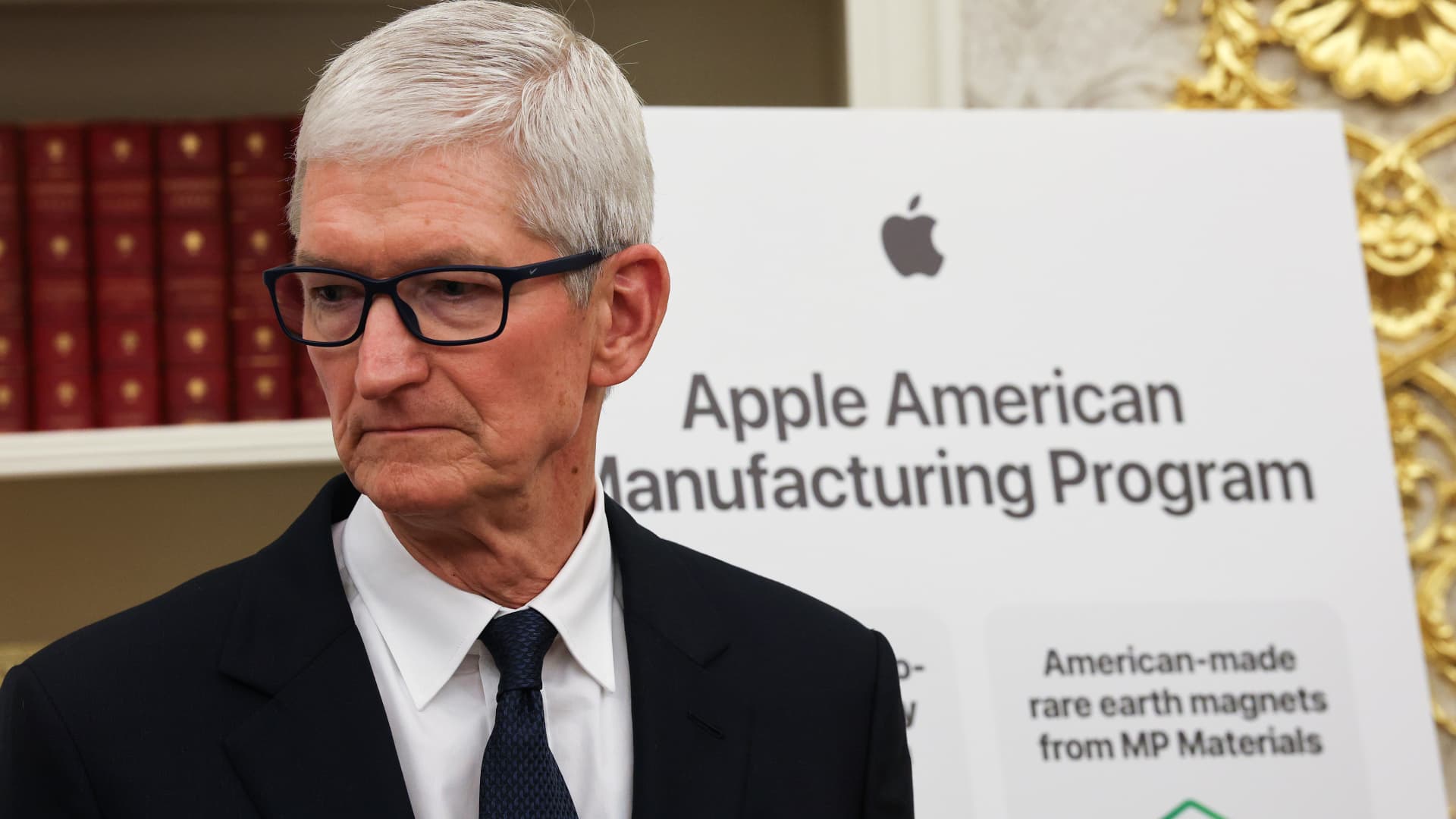
Tech giants, despite their immense resources, are not immune. Apple recently announced price hikes across its iPad and Mac lines, with CEO Tim Cook describing the memory situation as a ‘hundred-year flood’ in a Wall Street Journal interview. Similarly, Microsoft increased the price of its Xbox Series S by $100, citing a 2.5x increase in console storage and memory prices, with expectations of another doubling by late 2027. These moves underscore the widespread inflationary pressure on hardware across the industry.
For smaller entities, the situation is far more precarious. GoPro, the action camera manufacturer, issued a warning this month about a potential ‘going concern’ risk, attributing it to memory cost increases of 80% to 115%. Sonos, the speaker maker, has seen its shares drop 23% this year due to margin pressure from rising memory prices. Nabila Popal, an analyst at IDC, characterizes this as an ‘absolute existential crisis’ for smaller Android phone manufacturers and local device makers, predicting they will be squeezed out of supply by larger players. The scarcity not only pushes up prices but also extends lead times, as demonstrated by W5 Technologies’ struggle to secure a server for a defense contractor, seeing prices nearly double and delivery delays stretching from May to August. The ripple effect is impacting diverse sectors, including telecommunications and medical devices, as noted in a letter from lobbyists sent to the Department of Commerce.
The current environment illustrates a clear disruption flow:
- AI Boom & Hyperscale Data Centers → Accelerating demand for high-performance, high-bandwidth memory (HBM).
- Constrained Manufacturing Capacity → Inability of existing fabrication plants to rapidly scale production of advanced DRAM to meet surging AI and consumer electronics needs.
- Global Memory Shortage → A critical supply-demand imbalance, leading to unprecedented price increases and extended lead times for memory components.
- Escalating Production Costs → Direct financial strain on hardware manufacturers, from smartphones to networking equipment, forcing price adjustments or product redesigns.
- Market Disruption & Consolidation Pressure → Larger companies leverage buying power to secure supply, while smaller innovators face prohibitive costs, jeopardizing market entry and threatening existing business models.
‘The current memory shortage highlights a critical vulnerability in the global tech supply chain, forcing companies to re-evaluate their hardware dependencies and potentially innovate new architectural paradigms to optimize resource utilization and secure future resilience.’
| Metric / Company | Pre-Shortage Cost (Example) | Current Cost (Example) | Impact / Change |
|---|---|---|---|
| Mono Tech 8GB DRAM | $35 | $300 | +757% cost increase |
| GoPro Memory Costs | N/A | N/A | +80% to +115% increase |
| Micron Q3 DRAM ASP | N/A | N/A | +260% from prior year |
| Micron Quarterly Revenue | N/A (Previous) | Quadrupled (Current) | Significant growth |
| Micron Gross Margin | 39% (Prior Year) | ~85% (Current) | Doubled margin |
Navigating Supply Chain Resilience for Innovation
The intensifying memory shortage underscores the urgent need for a paradigm shift in how technology companies approach supply chain management, particularly for critical components like DRAM. Innovation-driven growth requires not just groundbreaking ideas but also the robust infrastructure to bring them to market reliably. Companies are now compelled to move beyond just-in-time inventory models towards more diversified sourcing strategies, potentially engaging in long-term contracts with multiple suppliers, or even exploring vertical integration where feasible. For emerging technologies, securing consistent access to high-performance memory is paramount for developing competitive products and scaling operations. This challenge forces CTOs and solution architects to embed supply chain robustness directly into product design and architectural decisions, considering modularity and alternative component compatibility from the outset.
Market Adoption Challenges for Hardware Startups
For startups and smaller hardware manufacturers, the memory shortage presents a formidable barrier to market entry and sustainable growth. Unlike established players with deep pockets and existing relationships with memory suppliers, new entrants struggle to absorb escalating component costs or secure sufficient allocations. This dynamic stifles innovation at the grassroots level, particularly for those building next-generation devices or novel digital transformation solutions that rely heavily on integrated memory. The inability to price products competitively or meet production targets due to component scarcity directly impacts user adoption and investor confidence. Without strategic interventions or collaborative purchasing models, many promising smaller players focused on emerging technologies may find their market potential severely constrained, favoring incumbent players and potentially slowing overall industry advancement. For educational tech insights, explore more at StockXpo.
Memory Shortage: A Defining Test for Tech Sector Agility
The current memory shortage represents more than a temporary market fluctuation; it is a profound stress test for the entire technology ecosystem, particularly impacting the speed of emerging technologies adoption. This crisis forces a re-evaluation of current technology adoption curves and strategic investment into component diversification, shaping future product roadmaps and market strategies.
- Companies must prioritize resilient supply chain strategies and explore alternative component sourcing to mitigate future shocks.
- The market is seeing a clear bifurcation, with established giants able to absorb costs, while smaller, agile innovators struggle to compete.
- Investment in advanced manufacturing and novel memory technologies will be crucial for long-term stability and innovation-driven growth.
How will this sustained pressure reshape the landscape of digital transformation and foster new approaches to hardware innovation?
📊 StockXpo Analyst’s View
Market Impact: This ongoing memory crunch fundamentally alters investment calculus in the hardware sector. While memory manufacturers are set for continued strong performance, consumer electronics firms, especially those with thin margins or heavy reliance on external component sourcing, will face sustained margin compression and potentially slower growth. Investor sentiment will likely favor companies demonstrating robust supply chain resilience and strategic forward-buying capabilities.
Sector To Watch: Beyond direct memory producers, the ‘Industrial IoT’ and ‘Edge Computing’ sectors, which often require specialized, durable memory components and have less flexible pricing models, are particularly vulnerable. Conversely, companies investing heavily in developing advanced chip design or alternative computing architectures to reduce memory reliance might emerge as long-term winners. For a deeper dive into emerging technologies, visit Reuters.
Financial Disclaimer:
StockXpo.com is a financial news aggregator and educational portal, not a registered investment advisor or broker-dealer. All information, news, and analysis provided herein are strictly for educational purposes and do not constitute investment, financial, legal, or tax advice. Investing in the stock market involves high risks, and past performance is not indicative of future results. StockXpo will not be liable for any financial losses or investment damages. Always consult a certified financial advisor before making market decisions.
MORE IN INSIDE TECHNOLOGY

Data Centers Face Global Headwinds: A $119 Billion Investment at Risk
Published: Saturday, October 3, 2026 · 2:48 AM

AI Cyberattacks: Interpol Warns of Escalating Speed and Risk
Published: Friday, October 2, 2026 · 1:18 AM