
Published: Friday, June 26, 2026 · 9:42 AM | Updated: Friday, June 26, 2026 · 9:42 AM
📊 278 views




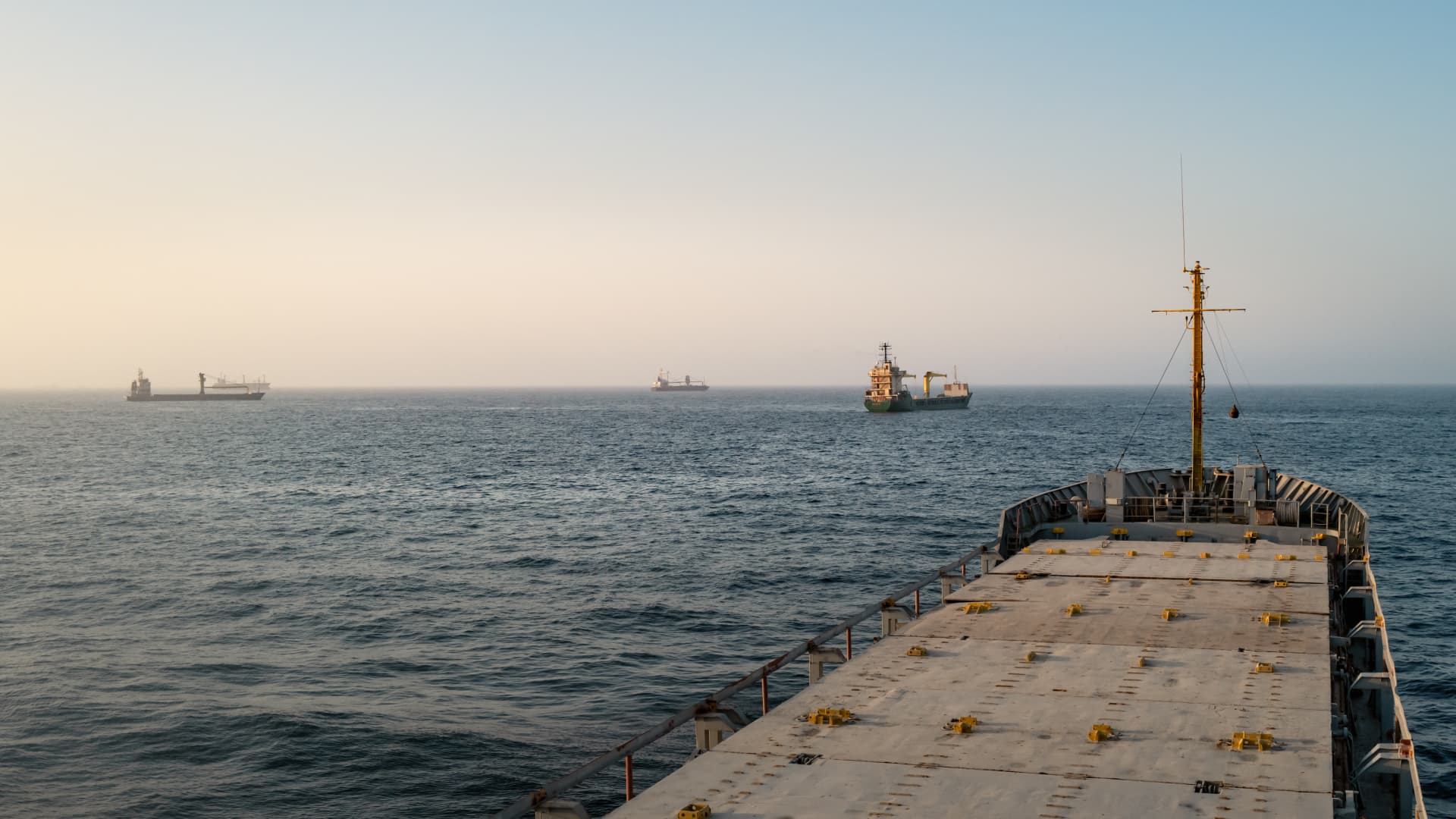
The critical Strait of Hormuz is experiencing a tenuous rebound in shipping traffic following a U.S.-Iran deal, yet lingering geopolitical tensions and a recent vessel attack threaten to unravel this fragile stability. As a vital global energy chokepoint, sustained disruptions here could trigger significant inflationary pressures and impact international oil markets, challenging broader macro-stability efforts worldwide.
📊 Macro-Economic Strategic Insights
- Tenuous Rebound Post-Deal. Shipping traffic through the Strait of Hormuz jumped to 125 transits in the week following the June 17 ceasefire, the highest since the conflict began in February.
- Security Concerns Persist. A missile strike on the container ship Ever Lovely off Oman, attributed to Iran’s IRGC, immediately followed the truce, signaling ongoing security risks and halting UN evacuation plans.
- Dual Navigation Authority Challenges. Shipowners face a dilemma between Iranian-mandated northern routes and a U.S.-Oman backed southern corridor, creating operational uncertainty and raising insurance premiums.
The narrow Strait of Hormuz, a strategic artery through which roughly 20% of the world’s oil transits, witnessed a notable surge in vessel activity immediately after the U.S. and Iran reached an agreement to reopen the waterway on June 17. Data from June 15-21 recorded 125 transits, marking the highest weekly total since the late February conflict, as tankers moved stored Gulf crude ahead of a 60-day truce expiration. This initial surge reflects a pent-up demand and an eagerness to capitalize on a fleeting window of perceived stability, with AXS Marine noting 62 commercial vessel crossings on June 24—the highest single-day count since the war, albeit still only 53% of last year’s traffic for the same day.
However, this fragile confidence was immediately tested. Just hours after Iran’s Islamic Revolutionary Guard Corps (IRGC) declared that all ships must adhere to its northern route and specific instructions, the Singapore-flagged Ever Lovely container ship was struck near the Omani coast. U.S. officials attributed this first post-ceasefire attack to the IRGC, introducing fresh uncertainty and prompting some tankers to reverse course. This incident highlights the profound governance vacuum in the strait, where no unified navigation rules exist, forcing shipping companies to choose between competing authorities and avoid pre-war commercial lanes still deemed unsafe due to mines. This dual command structure creates an untenable operating environment, with Iran backing a northern passage and the U.S. and Oman supporting a southern corridor, complete with American naval oversight.
Shipowners and cargo carriers, like Singapore-based electronics manufacturer Bruce Tan, are navigating this high-stakes environment by moving goods in smaller batches or seeking alternative, albeit costlier, routes as a hedge against renewed closure. While Okeanis Eco Tankers Corp CEO Aristidis Alafouzos believes such ‘one-off’ events may not derail the recent increase in crude oil passages, particularly from Kuwait and UAE, the absence of Saudi Arabian exports from the Arabian Gulf remains a significant factor. Saudi Arabia continues to primarily use Yanbu in the Red Sea, underscoring persistent concerns regarding the strait’s long-term viability for major energy producers.
The ongoing instability in the Strait of Hormuz creates a clear chain of economic consequences:
Persistent Security Risks → Increased War-Risk Insurance Premiums → Higher Shipping Costs for Goods & Oil → Elevated Consumer Prices & Supply Chain Disruptions → Potential Global Inflationary Pressures & Reduced Economic Growth.
Moreover, the reduced capacity and uncertainty for oil transit directly impacts energy markets: Limited Oil Supply Access → Higher Crude Oil Prices → Increased Input Costs for Industries → Weakened Corporate Profits & Investment Outlook.
‘Boardrooms aren’t asking about cargo safety — they’re asking if it is insurable. War-risk premiums have shot up from 0.05% to over 0.7% of hull value per transit. That’s not a risk premium, that’s a serious business model stress test.’Han Shen LinChina country director of The Asia Group
Key Shipping Metrics Post-Deal
- Weekly Transits (June 15-21): 125 vessels, the highest weekly total since the war began in late February. This demonstrates immediate, albeit cautious, market response to de-escalation.
- Single-Day Crossings (June 24): 62 commercial vessels, representing the highest daily count post-conflict, yet still only 53% of traffic compared to the same day last year, indicating substantial recovery potential remains unrealized.
- War-Risk Premiums: Surged from 0.05% to over 0.7% of hull value per transit, as noted by Han Shen Lin, significantly elevating operational costs for shipowners.
Global Shipping Policy Commentary
The imperative for a unified, internationally recognized navigational framework for the Strait of Hormuz has never been clearer. The current dual-authority setup, where Iranian and U.S.-Oman backed routes compete, breeds confusion and escalates risk. International bodies and maritime organizations must intensify diplomatic efforts to establish clear, mutually agreed-upon guidelines that prioritize safe passage over geopolitical maneuvering. The economic repercussions of continued uncertainty, from soaring insurance costs to delayed cargo, extend far beyond the immediate region, impacting global trade flows and consumer supply chains. A cohesive policy consensus is crucial for restoring long-term confidence and predictability for global shipping firms.
Middle East Regional Trends
The delicate balance of power and economic interests within the Middle East directly influences the stability of critical chokepoints like the Strait of Hormuz. While Kuwaiti and Emirati crude oil exports have seen an uptick, the continued reluctance of Saudi Arabia to route significant volumes through the strait, favoring alternative Red Sea pipelines, indicates a deep-seated caution among major regional players. This trend suggests that despite a temporary truce, underlying geopolitical tensions and risk assessments remain high among Gulf states. The diversification of export routes by major oil producers could alter regional shipping dynamics and potentially influence future investment in maritime infrastructure, highlighting a strategic hedging against persistent regional instability.
The Strait of Hormuz: Navigating a New Normal
The initial rebound in Strait of Hormuz shipping traffic underscores the global economy’s desperate need for stability in this vital waterway. However, the immediate post-deal attack shattered the illusion of a swift return to normalcy, signaling a ‘new normal’ characterized by heightened operational risk and conflicting navigational authorities.
- Shipowners face an unprecedented choice: risk transit with prohibitive insurance or seek costly alternative routes.
- The lack of unified safety protocols complicates global energy supply chains and trade dynamics.
- Sustained uncertainty will likely favor alternative energy routes and regional oil diversification strategies.
Can international diplomacy successfully broker a lasting, unified solution for safe passage, or will the Strait of Hormuz remain a flashpoint for global economic instability?
📊 StockXpo Analyst’s View
Market Impact: This seesaw of confidence and renewed conflict in the Strait of Hormuz will maintain a geopolitical risk premium on crude oil prices, preventing any significant downside momentum. Investors should brace for increased volatility in energy futures and shipping indices. Market liquidity might tighten in segments sensitive to global trade disruptions. We provide educational insights on these trends.
Sector To Watch: The energy sector, particularly oil and gas exploration and production companies, will remain in focus due as geopolitical risks impact supply. Additionally, the maritime logistics and insurance sectors face direct operational and financial challenges, with firms offering specialized high-risk cargo insurance potentially seeing increased demand. Alternative logistics providers leveraging rail or land routes may also gain traction. We offer further investment analysis on our platform.
Financial Disclaimer:
StockXpo.com is a financial news aggregator and educational portal, not a registered investment advisor or broker-dealer. All information, news, and analysis provided herein are strictly for educational purposes and do not constitute investment, financial, legal, or tax advice. Investing in the stock market involves high risks, and past performance is not indicative of future results. StockXpo will not be liable for any financial losses or investment damages. Always consult a certified financial advisor before making market decisions.
MORE IN INSIDE ECONOMY

2 Trillion Deficit: A Looming Challenge for U.S. Macro-Stability
Published: Monday, October 26, 2026 · 4:27 PM
Trump Economic Approval Plummets: A Warning for Macro Stability
Published: Thursday, October 22, 2026 · 9:12 AM


