Published: Friday, June 26, 2026 · 9:38 PM | Updated: Friday, June 26, 2026 · 9:38 PM
📊 237 views




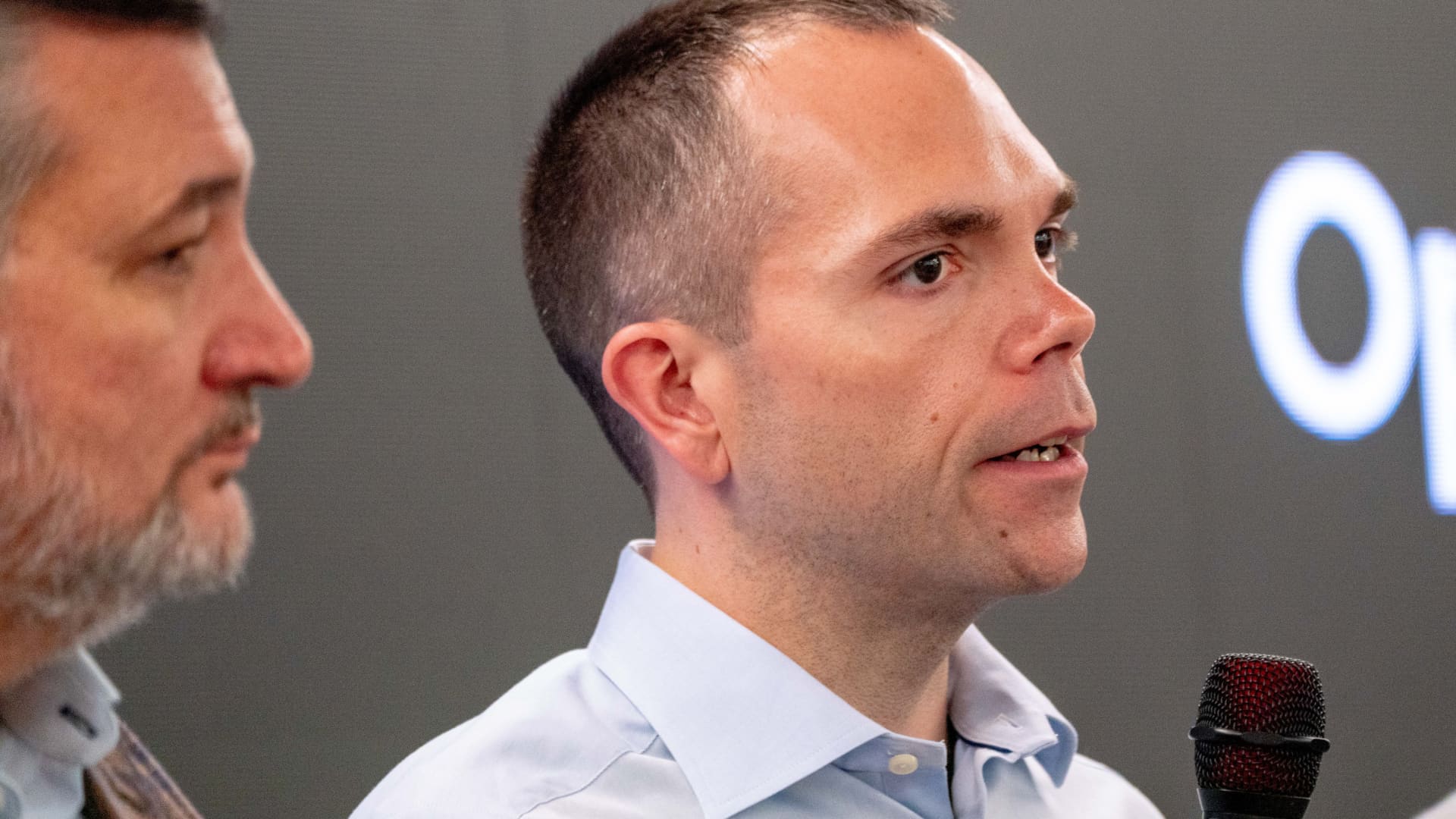
Oracle just endured its worst week on Wall Street in a quarter-century, as escalating AI financing concerns and a soaring debt load rattled investors. The software giant’s aggressive pivot to AI infrastructure, particularly for key partners like OpenAI, is creating significant balance sheet pressure amidst an already competitive cloud market.
🚀 Tech Strategy & Market Disruptions
- High-Stakes AI Investment. Oracle’s bet-the-house strategy on AI infrastructure for partners like OpenAI demands immense capital, elevating debt and increasing financial risk.
- Competitive Cloud Landscape. The company is racing to expand data centers against hyperscalers Amazon, Microsoft, and Google, without their comprehensive tech stacks, leading to lower-margin offerings.
- Digital Transformation Pressure. The market now questions Oracle’s ability to sustain massive AI investments while facing headwinds from software sector selloffs and potential AI model cannibalization of existing products.
Oracle’s stock plunged 19% this past week, marking its steepest decline since the August 2001 dot-com bust, according to CNBC. This downturn reflects growing investor unease over the company’s substantial debt, which reached approximately $130 billion by the end of May. The core of this financial strain stems from Oracle’s ambitious commitment to AI infrastructure development, aimed at supporting burgeoning AI customers like OpenAI, a venture that necessitates record levels of debt financing.
The company’s capital expenditures soared by 162% to nearly $56 billion in fiscal year 2026. This aggressive spending is directed towards rapidly expanding its global data center footprint, a direct challenge to established cloud giants such as major technology players like Amazon, Microsoft, and Google. Unlike its rivals, Oracle currently operates without the advantage of selling a full, integrated technology stack, leading to a focus on potentially lower-margin infrastructure offerings in the high-demand AI space. This strategic divergence presents a notable risk as the company seeks to carve out its niche in the competitive AI cloud market.
- Financial Headwinds: Oracle reported a negative free cash flow of almost $24 billion in the latest fiscal year, further exacerbating investor apprehension.
- Future Financing: Plans include raising an additional $40 billion through debt and equity in fiscal 2027, including a $20 billion share sale, following $43 billion in debt sales and $5 billion from equity issuance in the prior fiscal year.
Despite these significant financial pressures, analyst sentiment remains largely optimistic. FactSet data shows 71% of analysts recommend buying Oracle stock, the highest percentage in 15 years, with firms like Evercore maintaining a bullish outlook on demand signals despite AI financing concerns. This dichotomy between market perception and analyst recommendations highlights the speculative nature of current AI infrastructure investments. Oracle’s recent annual report also indicated a 13% reduction in headcount, totaling 141,000 employees in fiscal 2026, with a notable pullback in sales and marketing, suggesting internal shifts to optimize operations amidst its capital-intensive expansion.
Oracle’s strategy of heavily financing AI infrastructure — primarily via debt — creates a direct disruption flow within the enterprise cloud and AI markets. The initial cause is the immense capital needed for AI compute. This leads to Oracle’s aggressive debt acquisition and rapid data center expansion, creating a surge in available, albeit specialized, AI compute capacity. This increased capacity, intended for strategic partners, then fuels the development and deployment of larger AI models, accelerating the pace of AI innovation across industries. However, this aggressive expansion without a full-stack advantage forces Oracle into a high-volume, potentially lower-margin infrastructure play, which could disrupt traditional cloud pricing models but simultaneously introduces significant financial risk for the company itself. For businesses looking to leverage emerging technologies, this means more choices for raw AI power, potentially driving down costs for core AI workloads, but also highlighting the intense capital expenditure required to compete at the foundational layer of the AI stack.
“The current wave of AI infrastructure buildout is less about incremental innovation and more about raw compute and data gravity. Companies like Oracle, while traditionally strong in database and enterprise applications, are now directly competing on the fundamental availability and efficiency of GPU farms. This shift requires not just technological prowess but also an unprecedented ability to manage immense capital expenditure and balance sheet risk, redefining the competitive moat in the cloud sector.”
| Financial Metric (Fiscal Year 2026) | Value | Context |
|---|---|---|
| Total Debt (as of May) | ~$130 billion | Increased significantly to fund AI infrastructure. |
| Capital Expenditures | $56 billion (162% increase) | Driven by rapid data center buildout for AI. |
| Negative Free Cash Flow | ~$24 billion | Reflects heavy investment outflow against operational cash. |
| Headcount Reduction | 13% (141,000 employees) | Optimization efforts, notable in sales/marketing. |
| Planned 2027 Financing | $40 billion (debt & equity) | Continued capital raising for sustained AI expansion. |
Oracle Platform Architecture: Scaling for Generative AI
Oracle’s platform architecture, traditionally rooted in robust database systems and enterprise applications, is undergoing a significant transformation to accommodate the demands of generative AI. The current focus is on building out a distributed network of high-performance data centers equipped with specialized hardware, primarily GPUs, necessary for training and deploying large language models. This infrastructure-centric approach aims to provide foundational compute and storage capabilities, positioning Oracle as a critical layer for companies developing sophisticated AI applications. However, this strategy contrasts with the more vertically integrated cloud offerings from rivals like Amazon Web Services (AWS) or Microsoft Azure, which provide a broader spectrum of platform services from AI/ML toolkits to serverless functions. Oracle’s challenge lies in demonstrating how its raw compute power can seamlessly integrate into existing enterprise workflows and developer ecosystems, particularly without the same breadth of complementary services that competitors offer. The long-term success of this architectural shift hinges on securing strong partnerships and proving the economic efficiency of its specialized AI cloud.
Oracle Market Adoption Challenges: Beyond Infrastructure
While Oracle’s aggressive investment in AI infrastructure addresses a critical market need for compute power, the company faces substantial challenges in broader market adoption compared to its hyperscaler rivals. Oracle’s historical strength lies in its proprietary software and database solutions, but the AI cloud market demands a more open, agile, and full-stack approach. The inability to “sell a full technology stack” — a point highlighted in the news — means Oracle’s AI offerings are primarily focused on the infrastructure layer, potentially limiting its appeal to enterprises seeking comprehensive, end-to-end AI solutions. Competing effectively will require not just powerful hardware but also a developer-friendly ecosystem, a wide array of managed services, and a compelling value proposition that goes beyond raw computing. Furthermore, the pervasive concern that AI models could eventually replace some of its legacy software products adds another layer of complexity to Oracle’s market positioning. Overcoming these headwinds will necessitate a clear strategy for ecosystem expansion and integration, leveraging its existing customer base to drive adoption of its new AI cloud services. These dynamics are crucial for understanding broader technology market trends.
Oracle’s AI Gambit: Navigating Market Skepticism
Oracle’s current financial position and market performance underscore a critical tension between ambitious AI investment and immediate investor confidence. The company’s significant capital allocation to AI infrastructure is a high-stakes gamble, reflecting a broader industry shift towards foundational AI compute. While management remains committed to disciplined capital allocation and maintaining its investment-grade credit rating, the scale of debt and negative cash flow has undeniably spooked the market.
- Oracle’s stock experienced its sharpest weekly decline in 25 years due to mounting debt and AI financing concerns.
- Aggressive capital expenditures for AI data centers are creating substantial balance sheet risk despite strong demand signals for AI infrastructure.
- The market is weighing Oracle’s infrastructure-focused AI strategy against competitors offering a more comprehensive technology stack.
Can Oracle’s bold AI investment translate into sustainable, high-margin growth that appeases investors in the long run?
📊 StockXpo Analyst’s View
Market Impact: Oracle’s aggressive debt-fueled AI infrastructure build-out is a significant market event, signaling the immense capital requirements for competing at the foundational layer of AI. The stock’s dramatic drop reflects investor nervousness about leverage and future equity dilution, even as demand for AI compute remains strong. This dynamic could prompt a re-evaluation of valuation multiples for companies prioritizing long-term AI infrastructure over near-term profitability and cash flow.
Sector To Watch: The cloud infrastructure sector, particularly companies involved in GPU manufacturing, data center construction, and specialized AI hardware, will continue to see increased demand. However, the financial strain on major players like Oracle underscores potential liquidity and financing challenges across the broader tech industry as companies race to capture AI market share. Investors should closely monitor debt-to-equity ratios and free cash flow generation for all firms making large AI bets, as seen in recent industry reports.
Financial Disclaimer:
StockXpo.com is a financial news aggregator and educational portal, not a registered investment advisor or broker-dealer. All information, news, and analysis provided herein are strictly for educational purposes and do not constitute investment, financial, legal, or tax advice. Investing in the stock market involves high risks, and past performance is not indicative of future results. StockXpo will not be liable for any financial losses or investment damages. Always consult a certified financial advisor before making market decisions.
MORE IN INSIDE TECHNOLOGY

AI’s Dual Edge: Innovation-Driven Growth Meets Global Economic Hazard
Published: Wednesday, October 7, 2026 · 3:12 AM

Anduril Navy Contract: A $2.9 Billion Breakthrough in Submarine Production
Published: Tuesday, October 6, 2026 · 9:36 AM