Published: Friday, June 26, 2026 · 2:38 AM | Updated: Friday, June 26, 2026 · 2:38 AM
📊 261 views




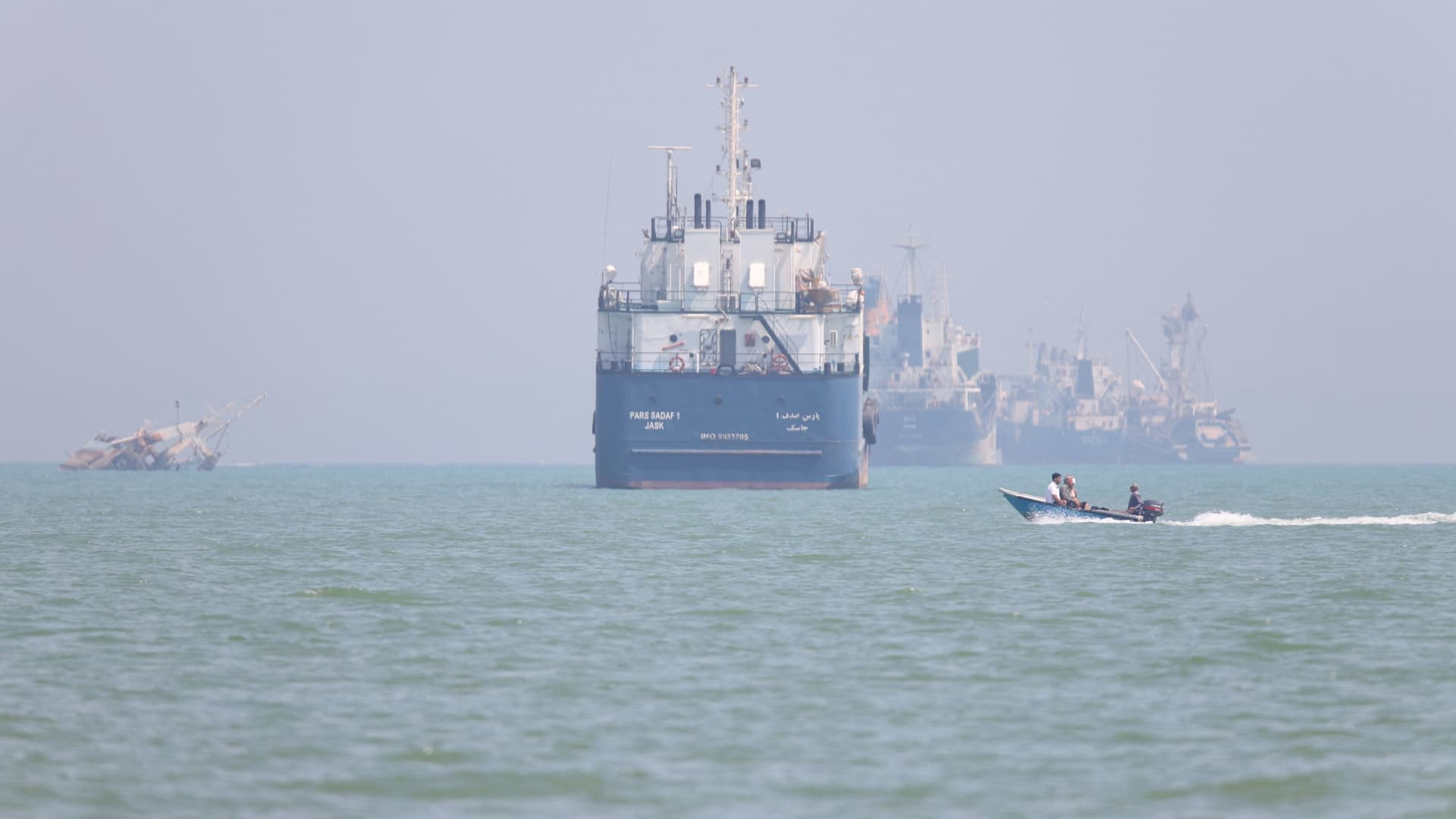
The International Maritime Organization’s (IMO) initiative to evacuate vessels and seafarers from the Middle East Gulf has been temporarily suspended following a direct attack on a container ship in the Gulf of Oman. This development injects immediate uncertainty into global shipping lanes, particularly through the strategically vital Strait of Hormuz, a key chokepoint for energy and trade.
📊 Macro-Economic Strategic Insights
- Geopolitical Risk Premium Re-emerges. The attack and subsequent pause in evacuation plans signal a potential return of heightened geopolitical risk in a crucial energy transit zone, which could impact oil prices and insurance costs.
- Fragile Peace Deal Under Strain. The incident directly challenges the 60-day interim peace deal between the U.S. and Iran, potentially derailing negotiations for a permanent agreement and increasing regional instability.
- Supply Chain Vulnerability Highlighted. The reliance on the Strait of Hormuz for global trade is starkly illustrated, with any disruption posing immediate threats to the flow of goods and potentially exacerbating inflationary pressures.
The pause was initiated by IMO Secretary-General Arsenio Dominguez, who stated the need to reconfirm safety guarantees for ships on the evacuation list and all vessels operating in the region. A U.S. official confirmed awareness of the reports and reiterated President Trump’s stance against Iran disrupting traffic in the strait. The IMO’s evacuation plan, launched earlier this week, aimed to facilitate the passage of hundreds of stranded ships and thousands of seafarers through either a northern route via Iranian waters or a southern route under U.S. oversight. This initiative was part of a broader effort to normalize traffic after an interim peace deal between the U.S. and Iran had begun to restore some transit levels, though they remain below pre-war figures.
Even before the latest incident, the operational landscape was fraught with tension. Iran’s military had warned against the use of the southern IMO-approved route, labeling any unauthorized transit as ‘unacceptable and dangerous.’ Reports indicate at least two vessels, reportedly using the southern route near the Omani coast, executed U-turns following Iran’s insistence on routes approved by Tehran. The attacked vessel, flagged in Singapore and owned by Evergreen, was not part of the IMO’s evacuation framework at the time of the incident.
These developments underscore the precarious nature of international maritime security in critical global transit points and the complex interplay between geopolitical agreements and on-the-ground operational realities. The renewed threat to shipping in the Strait of Hormuz directly impacts global commodity flows and could have cascading effects on inflation and economic stability worldwide, a situation closely watched by international economic bodies and major economic institutions.
### Navigating the Uncertainty: Hormuz Ship Security Fallout
This situation highlights the inherent risks associated with vital shipping corridors and the delicate balance required to maintain free trade. The pause in the IMO’s evacuation efforts emphasizes the immediate impact of geopolitical flare-ups on global logistics and underscores the need for robust security measures. The attack serves as a stark reminder of the fragility of peace agreements and their susceptibility to external provocations.
The ‘risk premium’ in maritime shipping insurance can surge dramatically following such incidents, increasing operational costs for all vessels transiting the affected region. This impacts not just the immediate parties but has ripple effects across global supply chains and consumer prices, a critical factor for inflation monitoring.
**Economic Indicators Under Pressure**
* Trade Volume through Strait of Hormuz: While partially recovered post-ceasefire, levels remain below pre-war benchmarks, indicating a persistent vulnerability to disruptions.
* Shipping Insurance Premiums: Anecdotal evidence suggests a potential uptick in premiums for vessels operating in the Gulf region, reflecting increased risk.
* Oil Prices: While not immediately impacted by this specific event, sustained tensions in the Strait can contribute to upward pressure on crude oil prices, a key inflation driver.
### Iran’s Strategic Control Over Maritime Passages
Iran’s assertive stance on regulating transit routes through the Strait of Hormuz underscores its strategic imperative to control this vital waterway. By challenging approved routes and asserting its own, Tehran aims to reinforce its regional influence and leverage its position in future negotiations. This policy commentary highlights Iran’s persistent efforts to assert dominance over a critical global energy artery, impacting international maritime law and regional stability dynamics.
### The Hormuz Ship Incident’s Trade Implications
The disruption to the IMO’s evacuation plan and the potential for further escalations in the Strait of Hormuz pose significant risks to global trade. Companies operating in the region face increased uncertainty, potentially leading to rerouting of vessels, higher shipping costs, and delays in product delivery. This impacts everything from consumer goods to energy supplies, underscoring the interconnectedness of geopolitical events and economic stability.
**The Fragile Recovery of Hormuz Shipping**
The recent uptick in vessel transits through the Strait of Hormuz, noted as the highest weekly level since the war’s inception following the ceasefire, now faces a serious setback. The attack and the subsequent pause in evacuation efforts create a volatile environment that could reverse this nascent recovery, impacting the broader economic outlook and the fragile stability sought by the interim peace deal. This situation demands careful observation of international responses and further diplomatic efforts to de-escalate tensions.
## Hormuz Ship Evacuation Pause Signals Renewed Geopolitical Risk
This latest development is a significant setback for efforts to normalize maritime traffic and underscores the persistent geopolitical tensions in the Middle East. The pause in the UN’s evacuation plan highlights the immediate threat to global trade and the potential for renewed instability.
- The attack on a commercial vessel is a direct challenge to the fragile peace in the region.
- The IMO’s decision to pause evacuations raises concerns about the safety of seafarers and the future of trade through the Strait.
- This incident could lead to increased volatility in energy markets and broader economic disruptions.
What will be the long-term impact of this renewed regional instability on global commodity markets and inflation trends?
### 📊 StockXpo Analyst’s View
Market Impact: This event introduces immediate uncertainty into global markets, particularly affecting energy stocks and shipping-related equities. Investor sentiment may turn cautious, leading to a temporary risk-off environment, though sustained impact will depend on de-escalation efforts.
Sector To Watch: Defense contractors and cybersecurity firms focused on maritime security could see increased interest. Conversely, companies heavily reliant on smooth transit through the Strait of Hormuz, such as major oil producers and international shipping lines, may face headwinds.
Financial Disclaimer:
StockXpo.com is a financial news aggregator and educational portal, not a registered investment advisor or broker-dealer. All information, news, and analysis provided herein are strictly for educational purposes and do not constitute investment, financial, legal, or tax advice. Investing in the stock market involves high risks, and past performance is not indicative of future results. StockXpo will not be liable for any financial losses or investment damages. Always consult a certified financial advisor before making market decisions.
MORE IN INSIDE ECONOMY

2 Trillion Deficit: A Looming Challenge for U.S. Macro-Stability
Published: Monday, October 26, 2026 · 4:27 PM
Trump Economic Approval Plummets: A Warning for Macro Stability
Published: Thursday, October 22, 2026 · 9:12 AM