Published: Friday, July 24, 2026 · 4:58 AM | Updated: Friday, July 24, 2026 · 4:58 AM
📊 180 views




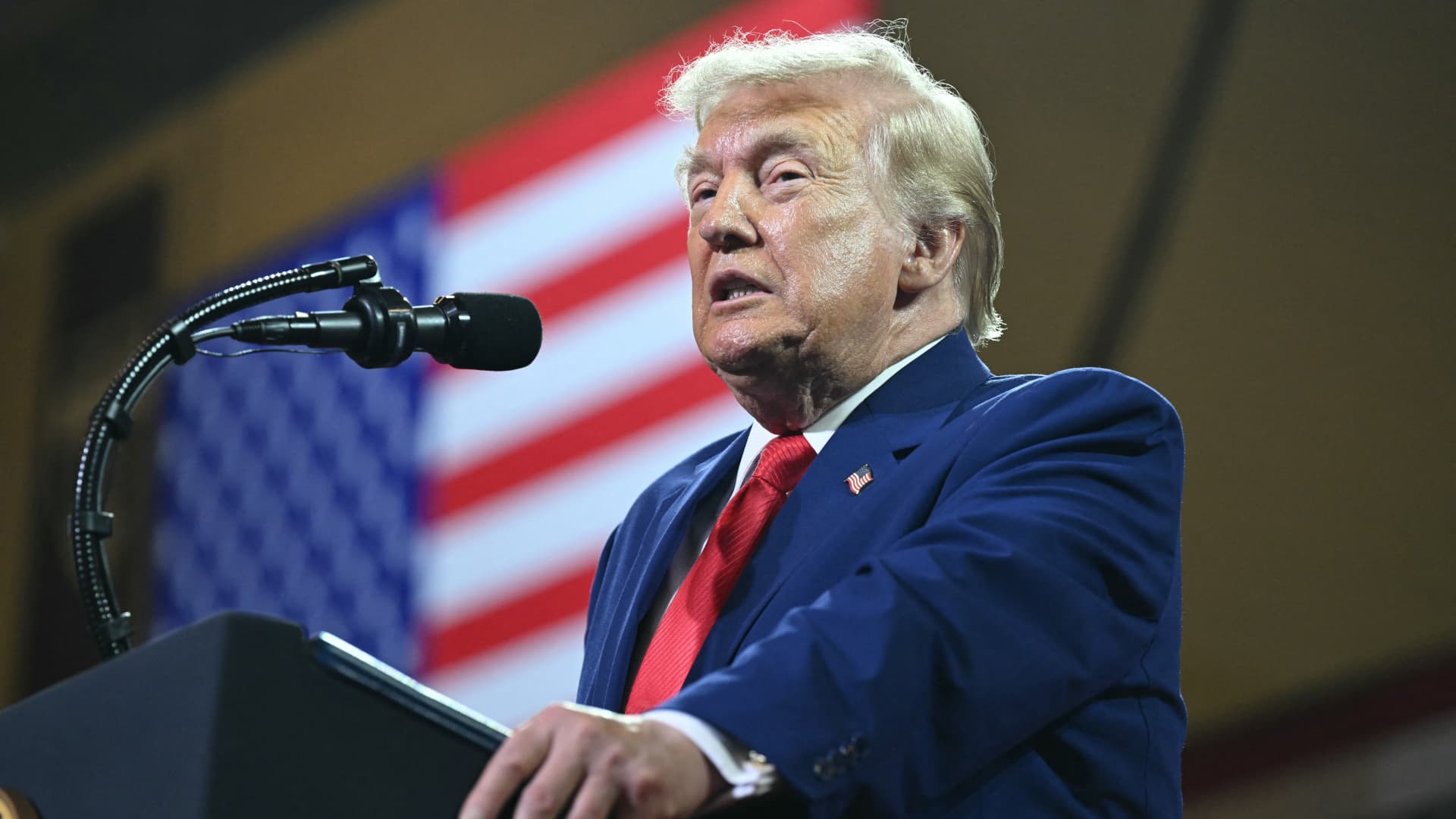
President Donald Trump’s administration has implemented a sweeping global tariff regime, citing forced labor as the legal justification, fundamentally altering the landscape of international trade. This move, affecting 60 economies and nearly all U.S. imports, introduces significant uncertainty into global supply chains and challenges established economic partnerships, with potential ramifications for macro-stability and systemic growth worldwide.
📊 Macro-Economic Strategic Insights
- Trade Policy Reorientation. The new Section 301 tariffs aim to establish a durable legal foundation for broad import duties, moving beyond prior challenges to emergency trade powers.
- Global Rebukes, Measured Responses. Major trading partners, while rejecting the forced-labor rationale, have largely signaled a preference for negotiation over retaliatory measures, indicating a cautious diplomatic approach.
- Supply Chain Volatility Ahead. With duties impacting 99.4% of U.S. imports, businesses face increased costs and pressure to re-evaluate sourcing strategies, potentially affecting consumer prices and investment flows.
The Trump administration, through the Office of the U.S. Trade Representative (USTR), has activated Section 301 of the Trade Act of 1974 to impose new tariffs, a strategic shift following the Supreme Court’s February ruling against prior emergency-powers tariffs. These duties, set at 10% for partners with existing import prohibitions on forced labor goods and 12.5% for those without, now cover the top 60 U.S. trade partners, impacting a remarkable 99.4% of American imports. This action replaces a temporary Section 122 tariff expiring on July 24, providing a seemingly more robust legal framework for the administration’s protectionist agenda.
Trading partners from across the globe have voiced strong objections to Washington’s justification. Australian Trade Minister Don Farrell explicitly stated the tariffs were ‘unjustified, inconsistent with our free trade agreement, and should be removed,’ emphasizing Australia’s strong anti-forced labor stance. Brazil’s government echoed this sentiment, labeling the duties ‘arbitrary’ and ‘unjustified,’ with President Luiz Inácio Lula da Silva indicating a willingness to negotiate while also exploring alternative markets. Chile likewise asserted the measure was inconsistent with its labor standards, pushing for exclusions on key exports.
- Despite widespread disapproval of the forced-labor rationale, most affected nations, including Canada and New Zealand, have opted for continued diplomatic engagement rather than immediate retaliation. This indicates a strategic desire to de-escalate potential trade wars, prioritizing sustained dialogue. Canada, receiving a 10% duty with USMCA-compliant exemptions, noted the move was ‘not unexpected’ and pledged constructive engagement. New Zealand also registered its disagreement but confirmed existing exemptions on about 30% of its U.S. exports remain. The Peterson Institute for International Economics views this not primarily as a labor-standards exercise but as a mechanism to extend the U.S. ban on Chinese goods and resurrect a tariff regime previously challenged by the courts, as detailed in recent economic policy analysis.
The Ripple Effect of Trade Restrictions
The imposition of a global tariff regime based on forced-labor claims creates a chain of economic consequences that could reverberate through markets worldwide:
- New Tariffs → Increased Import Costs for U.S. Businesses → Higher Operational Expenses → Potential Rise in Consumer Prices.
- Trade Partner Rebukes → Heightened Trade Policy Uncertainty → Reduced Global Investment Confidence → Slower Cross-Border Capital Flows.
- Supply Chain Disruption → Pressure on Manufacturers to Re-source → Inefficiencies and Delays → Impact on Global Production and Delivery Schedules.
- Retaliation Avoidance → Diplomatic Engagement → Prolonged Negotiations → Uncertainty for Long-Term Trade Agreements.
The activation of Section 301 of the Trade Act of 1974 grants the U.S. President broad authority to respond to unfair trade practices, but its application here, under the guise of forced labor, appears to be a sophisticated legal maneuver to implement widespread import barriers. This approach potentially transforms human rights concerns into a potent tool for economic protectionism, raising questions about the true intent and long-term enforceability of such measures in a globalized economy.
Key Tariff Figures and Import Coverage
- Standard Duty Rate: 10% for partners with forced labor import bans. This incentivizes compliance with U.S. labor standards, but also serves as a baseline import tax.
- Higher Duty Rate: 12.5% for partners without such bans. This differential aims to exert stronger pressure on non-compliant economies.
- Trade Partner Reach: Tariffs apply to the top 60 U.S. trade partners. This broad application indicates a systemic rather than targeted approach.
- Import Coverage: 99.4% of American imports affected. This near-universal coverage ensures a wide-ranging impact on virtually all sectors.
- Brazil’s Cumulative Tariff: A combined 37.5% (12.5% new duty + separate 25% Section 301 tariff). This significantly raises the cost of Brazilian goods entering the U.S. market, potentially forcing commodity re-routing.
Global Trade Policy Commentary: Navigating Protectionism
The new global tariff policy signals a continued preference for unilateral trade actions over multilateral frameworks. While the administration frames this as a moral imperative against forced labor, the broad application and timing suggest a broader strategic objective: to rebalance trade relationships and bring manufacturing back onshore, irrespective of economic efficiency arguments. This approach could set a precedent for other nations to use non-trade issues as justification for protectionist measures, further fragmenting the global trading system. Businesses reliant on complex international supply chains face increased pressure to localize production or diversify sourcing to mitigate tariff-related costs and uncertainties. Analyzing these macro trends is crucial for informed stock market investment decisions.
Emerging Markets Inflationary Risks: Brazil’s Case
Brazil, facing a cumulative 37.5% tariff on its goods, exemplifies the acute inflationary risks for emerging market economies. Higher tariffs directly increase import costs for U.S. buyers, which can lead to reduced demand for Brazilian exports or force Brazilian producers to absorb costs, impacting profitability. Should these producers pass on costs domestically, it could fuel inflation within Brazil. Furthermore, the search for alternative markets, while a necessary response, involves new logistical costs and market access challenges, potentially further pressurizing prices and growth in a country already grappling with economic complexities. Such policy shifts demand careful monitoring for economic stability analysis.
The Global Tariff Landscape: A Path Forward?
President Trump’s new global tariff regime, cloaked in the urgent language of human rights, represents a significant escalation in trade policy, aiming for both legal durability and broad economic impact. While partners have largely refrained from immediate retaliation, the underlying tensions and objections to the forced-labor rationale remain potent, indicating a complex path ahead for international commerce.
- The move underscores a U.S. intent to use trade policy as a robust tool for enforcing its domestic and ethical standards globally.
- Businesses must brace for continued volatility and adapt their supply chains to account for elevated import costs and potential policy shifts.
- The emphasis on negotiation by trading partners suggests a fragile stability, with the potential for escalation if diplomatic efforts falter.
Can the international trading system absorb these new protectionist measures without fragmenting into regional blocs, or will a new equilibrium emerge that redefines systemic growth?
### 📊 StockXpo Analyst’s View
Market Impact: This broad global tariff introduction injects considerable uncertainty into investor sentiment, particularly across multinational corporations and sectors heavily reliant on international trade. We anticipate increased market volatility as companies assess the impact on their earnings and supply chain resilience. Sectors with deep integration into global supply chains, such as manufacturing, electronics, and automotive, are likely to face margin pressures due to higher import costs, potentially affecting liquidity and short-term valuations.
Sector To Watch: Given the focus, the logistics and shipping sectors will be critical to monitor, as they adapt to rerouted trade flows and potential increases in shipping costs. Furthermore, consumer discretionary firms may experience headwinds if higher import duties translate into increased consumer prices, impacting demand. Conversely, domestic producers in protected sectors might see an advantage, potentially drawing capital looking for insulation from trade friction, but the broader impact on global economic health remains a key concern for investors following our macro trends insights. For more educational insights, visit our StockXpo blog.
Financial Disclaimer:
StockXpo.com is a financial news aggregator and educational portal, not a registered investment advisor or broker-dealer. All information, news, and analysis provided herein are strictly for educational purposes and do not constitute investment, financial, legal, or tax advice. Investing in the stock market involves high risks, and past performance is not indicative of future results. StockXpo will not be liable for any financial losses or investment damages. Always consult a certified financial advisor before making market decisions.
MORE IN INSIDE ECONOMY

Western Populations’ Shrinkage: A Looming Fiscal Warning by 2029
Published: Monday, October 5, 2026 · 3:15 AM

Labor Market Weakness: September Jobs Report Signals Economic Shift
Published: Friday, October 2, 2026 · 10:08 AM