
Published: Friday, June 26, 2026 · 3:25 PM | Updated: Friday, June 26, 2026 · 3:25 PM
📊 237 views




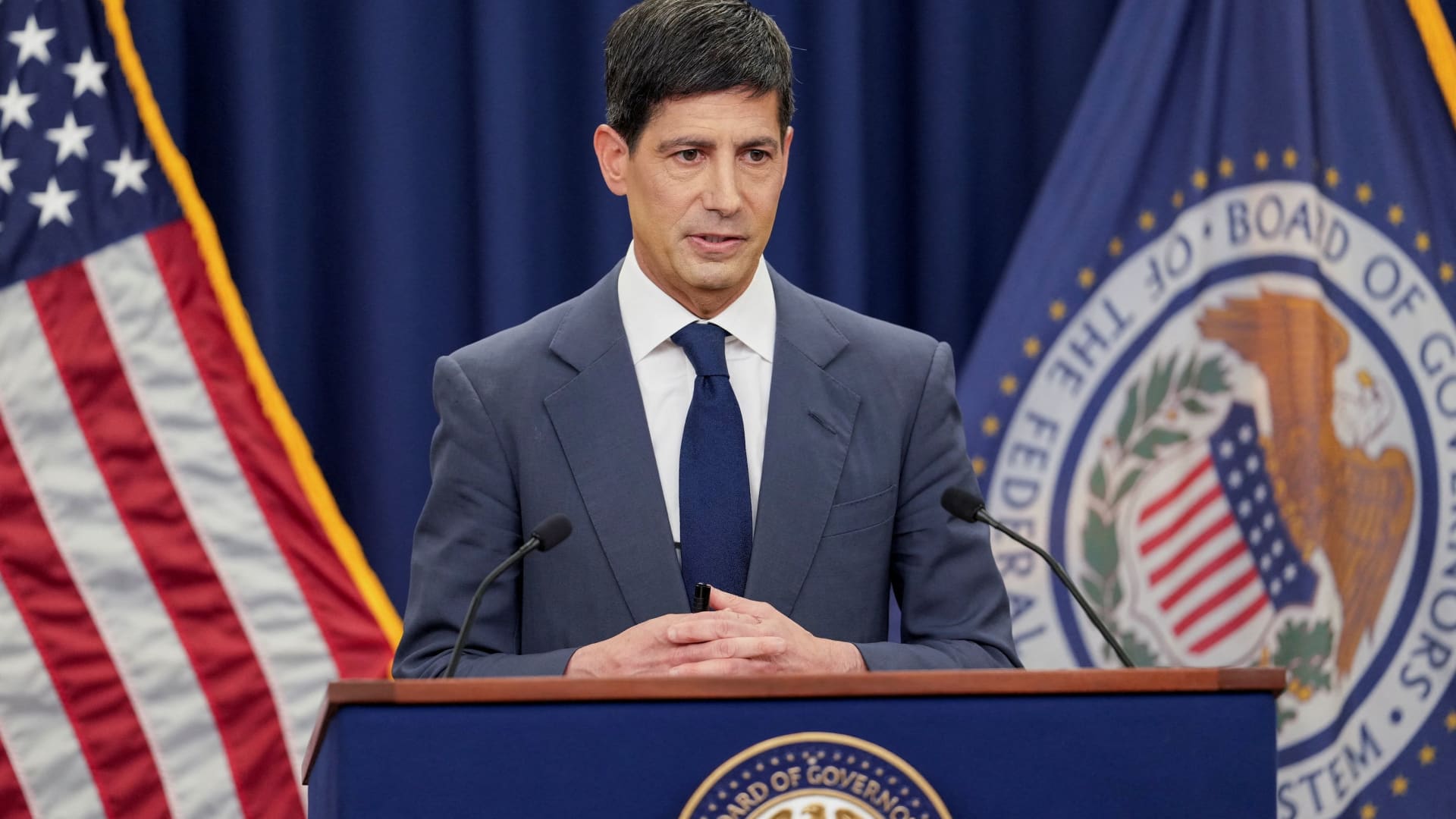
Federal Reserve Chairman Kevin Warsh is strategically reshaping the central bank’s operational and policy framework through a series of key internal Fed appointments. These moves signal a deliberate pivot towards leveraging existing institutional expertise to redefine the Fed’s approach to the economy and monetary policy.
💰 Financial Strategy & Market Insights
- Internal Expertise Prioritized. Chairman Warsh is leaning on seasoned Fed economists, Daniel Covitz and Eric Engstrom, for key advisory roles, suggesting a preference for continuity and deep institutional knowledge over solely external perspectives.
- Monetary Policy Redefinition. These Fed appointments are part of a broader strategy, including five task forces, to fundamentally re-examine how the central bank analyzes data, inflation, and its balance sheet, indicating potential shifts in future policy directions.
- Strategic Operational Realignment. The selections underscore a methodical effort to remake the Fed’s operational structure and communication strategies, which could have long-term implications for market expectations and transparency.
Chairman Kevin Warsh has made significant inroads into reorganizing the Federal Reserve’s advisory structure, appointing veteran economists Daniel Covitz and Eric Engstrom to crucial posts. Covitz, a deputy director in the research and statistics division, and Engstrom, an associate director in monetary affairs, bring decades of internal Fed experience to their new rotating advisory roles, as reported by financial news outlets. This move to tap internal talent contrasts with earlier appointments, such as Paul Winfree and Daniel Heil, who had more external ties, signaling a dual strategy of leveraging both inside and outside perspectives.
These recent Fed appointments arrive shortly after Warsh unveiled five specialized task forces designed to address core aspects of the Fed’s functionality. These initiatives focus on critical areas that underpin the central bank’s decision-making and market communication:
- Communication Strategy: Enhancing clarity and transparency in Fed messaging.
- Data Analysis: Re-evaluating methodologies and sources for economic indicators.
- Inflation Targeting: Potentially recalibrating approaches to price stability.
- Technology Integration: Modernizing internal systems and analytical tools.
- Fed’s Balance Sheet Review: Assessing the long-term implications and management of the central bank’s asset holdings.
Warsh has emphasized the necessity of a thorough re-examination of these key metrics, advocating for the deployment of comprehensive resources. The reliance on internal experts like Covitz and Engstrom for these strategic roles suggests a desire to infuse the reform efforts with deep institutional understanding and a pragmatic approach, which investors watch closely for signs of future policy direction and broader market analysis.
Risk vs Reward: Assessing Warsh’s Internal Strategy
- Upside: The emphasis on internal expertise from these Fed appointments could lead to more stable, consistent policy development, leveraging deep institutional memory and reducing potential friction. It might also foster greater analytical rigor, leading to more robust economic models and improved guidance on monetary policy.
- Downside Risks: An overly insular approach, despite deep expertise, might limit exposure to diverse viewpoints or slow the adoption of truly innovative economic theories. There’s also the risk of resistance to radical change if entrenched perspectives dominate, potentially hindering the Fed’s adaptability in rapidly evolving economic landscapes, which could impact the broader financial sector.
Monetary Policy Realignment Explained: This refers to a significant shift in the Federal Reserve’s strategies and tools for managing the economy, primarily by influencing interest rates, money supply, and credit conditions. Warsh’s internal appointments and task forces aim to recalibrate these foundational elements, potentially altering how the Fed addresses inflation, employment, and financial stability in the coming years.
Key Personnel & Strategic Initiatives
- Chairman: Kevin Warsh
- Recent Internal Advisors: Daniel Covitz (Deputy Director, Research & Statistics), Eric Engstrom (Associate Director, Monetary Affairs)
- Earlier External Hires: Paul Winfree (Project 2025 architect), Daniel Heil (Stanford, previously worked with Warsh)
- Five Task Force Focus Areas: Communication, Data, Inflation, Technology, Fed Balance Sheet
Monetary Policy Outlook: What These Appointments Signal
These strategic Fed appointments underscore a Chairman’s clear intent to imbue the central bank’s core functions with renewed rigor and a possibly more conservative, internally informed perspective. The selection of seasoned Fed economists like Covitz and Engstrom suggests a focus on refining existing frameworks rather than immediate radical overhauls. This could lead to a more predictable, data-driven approach to interest rate decisions and liquidity management, potentially reducing market volatility associated with abrupt policy shifts. Investors should pay close attention to the communications emerging from Warsh’s new task forces, particularly those related to inflation and the Fed’s balance sheet, as they will directly influence bond yields and asset valuations. For more insights on the latest market movements, investors often consult sources like Reuters.
Fed Balance Sheet Implications: A Closer Look
The task force dedicated to the Fed’s balance sheet, spearheaded by these new strategic Fed appointments, signals a critical review of its current composition and future trajectory. With trillions in assets accumulated from past quantitative easing, any significant re-evaluation could have profound implications for market liquidity and credit conditions. A more active management or gradual unwinding strategy, if adopted, would influence long-term interest rates and the availability of capital across various sectors. The internal expertise brought by Covitz and Engstrom, with their deep understanding of monetary operations, suggests a nuanced rather than an abrupt approach, but the long-term direction remains a key variable for fixed-income investors and those interested in broader educational financial insights. Staying informed via platforms like Bloomberg can provide real-time updates.
Warsh’s Fed Reshaping: Navigating Economic Shifts
Chairman Warsh’s internal appointments and comprehensive task forces represent a deliberate and foundational effort to re-equip the Federal Reserve for future economic challenges. This strategic alignment aims to enhance the central bank’s analytical capabilities and refine its communication, ultimately seeking to foster greater stability and predictability in monetary policy.
- Warsh’s strategy prioritizes internal expertise, potentially leading to more cohesive policy development.
- The focus on inflation, data, and the balance sheet suggests a potential recalibration of key economic indicators.
- Market participants should monitor task force outputs for early signals of future policy shifts and their impact on asset valuations.
How will this internal restructuring ultimately shape the Fed’s response to emergent economic headwinds and global capital flows?
### 📊 StockXpo Analyst’s View
Market Impact: These Fed appointments suggest a period of methodical internal review rather than immediate, dramatic policy shifts. Investor sentiment might lean towards cautious optimism, as the emphasis on deep internal expertise could imply a more stable and predictable monetary policy trajectory. Market liquidity is unlikely to see immediate drastic changes, but long-term shifts in balance sheet management could gradually influence credit markets.
Sector To Watch: The financial services sector, particularly banking and asset management, will be keenly watching the balance sheet task force’s findings, as any changes in quantitative tightening or easing could directly impact their lending and investment strategies. Technology and data analytics firms could also see increased demand if the Fed prioritizes modernization of its data infrastructure.
Financial Disclaimer:
StockXpo.com is a financial news aggregator and educational portal, not a registered investment advisor or broker-dealer. All information, news, and analysis provided herein are strictly for educational purposes and do not constitute investment, financial, legal, or tax advice. Investing in the stock market involves high risks, and past performance is not indicative of future results. StockXpo will not be liable for any financial losses or investment damages. Always consult a certified financial advisor before making market decisions.
MORE IN INSIDE FINANCE

Crypto Derivatives Trading: Blockchain.com’s Bold Move into U.S. Markets
Published: Friday, October 9, 2026 · 8:23 AM

China’s Real Estate Market: A Potential Turnaround Amid Policy Shifts
Published: Thursday, October 8, 2026 · 6:10 AM


