
Published: Thursday, June 25, 2026 · 3:49 PM | Updated: Thursday, June 25, 2026 · 3:49 PM
📊 263 views




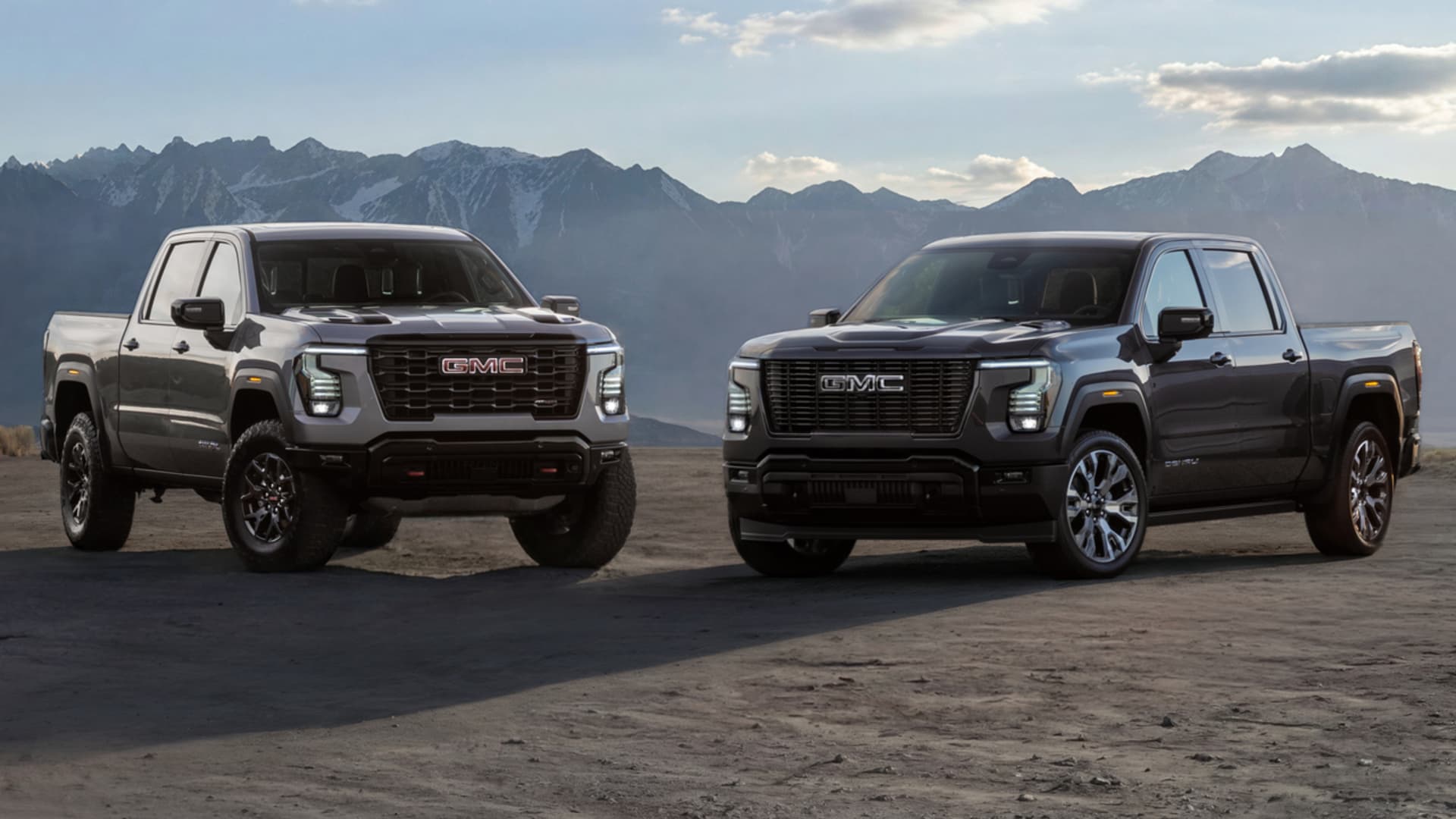
General Motors (GM) has officially pulled back the curtain on its 2027 GMC Sierra pickup, signaling a refined strategic push into the most profitable segments of the truck market. This significant overhaul, featuring new V-8 engines and a redesigned cabin, underscores GM’s commitment to fortifying its competitive moat against rivals and bolstering its bottom line in a dynamic automotive landscape. The launch of the latest GMC Sierra pickup is not just a product update, but a calculated maneuver to capture premium market share and enhance per-unit profitability.
🗝️ Corporate Strategy Insights
- Premium Portfolio Streamlining. GM is strategically narrowing its Sierra lineup, eliminating mid-level trims to focus solely on high-margin Pro, Elevation, AT4, AT4X, Denali, and Denali Ultimate models, thereby maximizing average transaction prices.
- Engineered for Profitability. The introduction of next-generation V-8 engines and a GM-exclusive diesel V-6 ensures the Sierra maintains its performance edge while catering to power-hungry truck buyers, crucial for sustaining its market appeal in lucrative segments.
- Immersive Cabin Experience. A completely redesigned interior, boasting over 60 inches of screen space, enhanced storage, and a versatile work surface, positions the Sierra to lead in comfort and technology, attracting affluent customers willing to pay for advanced amenities.
Detroit’s automotive giant, General Motors, has unveiled its comprehensively updated 2027 GMC Sierra 1500 pickup truck lineup, a critical strategic move designed to secure its dominant position in the highly profitable truck market. The refresh introduces potent new V-8 engine options and a completely overhauled interior and exterior aesthetic, reinforcing the brand’s commitment to performance and luxury. These trucks, especially the luxurious Denali models and rugged AT4 off-road variants, are paramount to GM’s sales and earnings, historically representing nearly half of the Sierra’s total sales volume. By focusing on these premium trims, GM leverages unique parts, accessories, and amenities to command higher pricing and bolster profit margins, a core tenet of its operational efficiency.
In a significant shift, GM is streamlining the Sierra 1500’s model hierarchy, eliminating the mid-level SLE and SLT trims. This decision, which removes options previously starting around $51,500 and $57,900, is a clear indication of the automaker’s intent to elevate the Sierra’s average transaction price and concentrate resources on its most lucrative offerings. The remaining lineup—Pro, Elevation, AT4, AT4X, Denali, and Denali Ultimate—will be available late this year, with detailed pricing and performance specifications to follow. The current Sierra 1500’s starting prices range from approximately $41,000 for the entry-level Pro to over $86,000 for a Denali Ultimate, showcasing the wide profit spectrum GM aims to exploit.
Underpinning the next-generation Sierra’s appeal is a suite of advanced powertrains and a re-imagined cabin experience. Michael MacPhee, vice president of GM’s GMC and Buick brands, articulated the ambition, stating, ‘The next-generation Sierra is the truck all others will be measured against.’ It will feature a new generation of GM’s small block V-8 gas engines, available in 5.7-liter and 6.6-liter displacements, alongside two V-6 options, including a GM-exclusive diesel variant. This diverse engine portfolio allows GMC to cater to a broad spectrum of customer demands, from sheer towing power to fuel efficiency, securing a strong competitive edge in a dynamic market environment, as recently discussed in insights on corporate growth.
While sharing mechanical foundations with the recently updated Chevrolet Silverado 1500, the GMC Sierra distinguishes itself through unique styling and an entirely redesigned interior. Borrowing cues from the brand’s all-electric Sierra pickup, the new cabin prioritizes driver and passenger experience.
- Increased storage solutions and a versatile sliding center console.
- A practical folding table or work surface, enabled by relocating the gear shifter behind the steering wheel.
- Integration of new technologies, featuring over 60 inches of available screen space, including an 11.5-inch passenger-side screen for media and entertainment.
These innovations are designed to provide a more immersive and functional environment, targeting customers who use their trucks for both work and leisure.
Despite these advancements, GM navigates a challenging sales environment. Cox Automotive forecasts a roughly 7% decline in GM’s U.S. sales through the first half of this year, outpacing the overall market’s projected 3% dip. General Motors reported a 9.7% year-over-year decline in first-quarter sales, although the GMC brand remained relatively stable. Specifically, Sierra 1500 sales saw a modest 2% decrease to nearly 51,900 units, with heavy-duty models down 8%. The electric Sierra, while growing by 3%, still registered under 1,300 units, indicating the gas-powered trucks remain the volume and profit drivers for the foreseeable future. Understanding these broader investment analysis trends is crucial for contextualizing GM’s strategic choices.
The launch of the 2027 GMC Sierra pickup is poised to create a significant strategic ripple effect across the automotive industry. This Product Launch (new Sierra lineup with premium focus) will directly lead to Market Share Fortification in the lucrative luxury and off-road truck segments. By doubling down on high-margin trims like Denali and AT4, GM aims to increase its Average Transaction Prices (ATPs), translating into Higher Revenue Potential and enhanced per-unit profitability. This strategy intensifies competitive pressure on rivals such as Ford’s F-Series (especially King Ranch and Raptor models) and Ram’s Laramie and TRX lines, forcing them to innovate further or risk losing ground in the premium truck space. The advanced interior technology and powertrain options also serve as a benchmark, potentially influencing future design and feature rollouts across the broader pickup truck market, shaping the next era of vehicle offerings.
GM’s unwavering focus on its highest-margin truck segments with the 2027 GMC Sierra is a clear signal of a corporate strategy prioritizing profitability and premium market dominance, even amid broader sales headwinds. This move is less about volume growth and more about optimizing the earnings potential of its most valuable assets.
While full performance specifications for the 2027 models are pending, understanding GM’s current market position provides essential context for its strategic investments:
- GM Q1 Total Sales (YoY): Down 9.7% – Indicates a challenging overall market for the automaker.
- GMC Brand Sales Q1 (YoY): About level – Highlights the relative resilience of the GMC premium portfolio.
- Sierra 1500 Sales Q1 (YoY): Down 2% to ~51,900 units – Shows a slight dip but remains a strong volume contributor.
- Electric Sierra Sales Q1 (YoY): Up 3% to <1,300 units – Illustrates nascent but growing adoption of EV trucks, though traditional powertrains dominate.
General Motors’ Strategic Analysis in Action
GM’s strategy with the 2027 GMC Sierra is a masterclass in portfolio optimization and brand differentiation within a mature market. By explicitly shedding lower-margin trims, the company is not just streamlining production but also intentionally elevating the GMC brand perception as a purveyor of premium, high-capability vehicles. This calculated risk, undertaken amidst a forecast market slowdown, reflects confidence in the brand’s ability to command higher prices through superior features, technology, and perceived value. It’s a pragmatic approach to maximize profitability per unit sold, rather than chase volume at all costs, ensuring a healthier bottom line for shareholders.
General Motors’ Competitive Advantages Fortified
The 2027 GMC Sierra further cements General Motors’ competitive advantages in several key areas. Firstly, its deep understanding of truck buyers, particularly those in the luxury and off-road segments, allows for highly targeted product development—exemplified by the Denali’s opulent features and the AT4’s rugged capabilities. Secondly, the shared mechanical underpinnings with the Chevrolet Silverado provide significant economies of scale in manufacturing and R&D, while distinct styling and interior design allow for effective brand separation and pricing power. Lastly, the commitment to internal combustion engine innovation, alongside a growing electric portfolio, offers customers a wide array of choices, appealing to diverse market demands and maintaining relevance across traditional and emerging segments, a critical factor for market leadership.
GMC Sierra Pickup’s Bold Redesign: A Profit Play for GM
The unveiling of the 2027 GMC Sierra pickup underscores General Motors’ strategic pivot towards high-margin truck segments, prioritizing profitability and brand prestige over sheer volume. This focused approach, coupled with significant engineering and interior innovations, aims to solidify GMC’s position at the apex of the premium truck market. The company is clearly banking on its ability to attract affluent buyers with a compelling blend of power, luxury, and advanced technology.
- GM’s decision to narrow the Sierra lineup to premium trims is a calculated move to boost average transaction prices and profit margins.
- The introduction of new V-8 engines and a refined interior cabin are designed to enhance the Sierra’s competitive standing against key rivals.
- Despite broader market headwinds, GMC aims to leverage its brand strength and product differentiation to maintain market leadership in critical segments.
Will this premium-focused strategy effectively insulate GM from broader market volatility and redefine expectations for the future of the pickup truck segment?
### 📊 StockXpo Analyst’s View
Market Impact: This aggressive push into high-margin segments for the GMC Sierra pickup is likely to be viewed positively by investors, especially given GM’s recent sales challenges. It signals a pragmatic capital allocation strategy that could improve profitability per vehicle, potentially cushioning earnings against a softer overall market. Competitors in the full-size truck market, particularly Ford and Stellantis (Ram), will face increased pressure to innovate their premium offerings to retain market share, which could spark a new cycle of feature upgrades across the industry. This strategic move by GM could enhance investor confidence in the company’s ability to navigate an evolving automotive landscape, influencing broader sentiment on stock markets.
Sector To Watch: The traditional full-size pickup truck segment is the immediate area to watch. While electric truck sales are growing, the robust demand for powerful, feature-rich gasoline and diesel trucks remains immense and highly profitable. Suppliers of advanced interior technology, high-performance engine components, and premium materials stand to gain from this intensified focus on luxury and capability. This development highlights that, despite the EV transition, legacy segments will continue to be cash cows for automakers, making the commercial vehicle and premium truck sector a key area for investment analysis within the evolving automotive landscape.
Financial Disclaimer:
StockXpo.com is a financial news aggregator and educational portal, not a registered investment advisor or broker-dealer. All information, news, and analysis provided herein are strictly for educational purposes and do not constitute investment, financial, legal, or tax advice. Investing in the stock market involves high risks, and past performance is not indicative of future results. StockXpo will not be liable for any financial losses or investment damages. Always consult a certified financial advisor before making market decisions.
MORE IN INSIDE BUSINESS

United Airlines Profit Outlook Slashed Amid Fuel Costs, Strong Demand Persists
Published: Wednesday, October 21, 2026 · 7:30 AM

General Motors Earnings Preview: A 30% EPS Surge Amidst Market Caution
Published: Tuesday, October 20, 2026 · 1:11 AM


