Published: Thursday, June 25, 2026 · 3:51 PM | Updated: Thursday, June 25, 2026 · 3:51 PM
📊 296 views




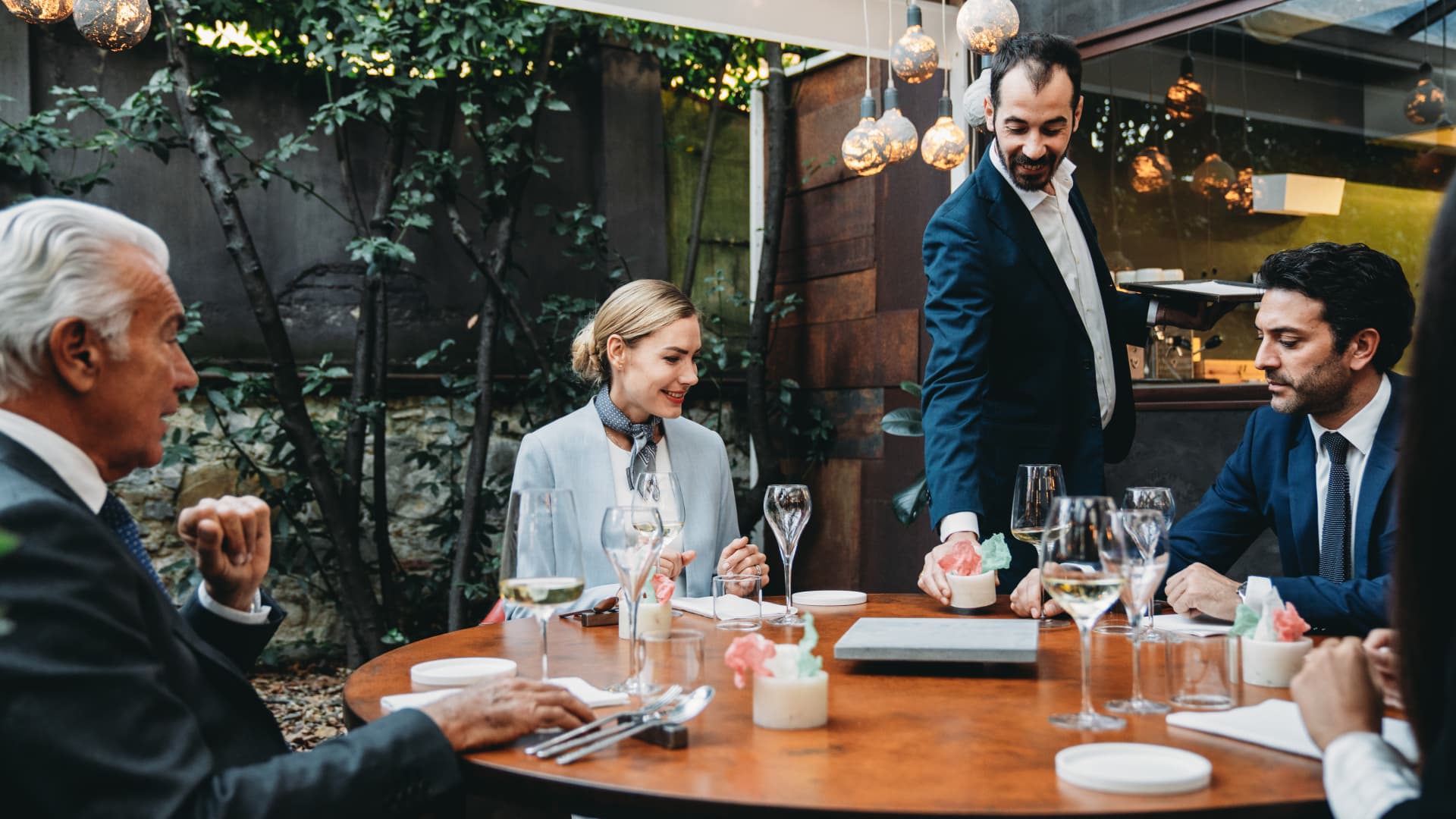
The global luxury market is on the cusp of a significant rebound, but its trajectory is being redefined by a fundamental shift in consumer priorities. For the first time in years, luxury spending on experiences is projected to outpace traditional luxury goods, signaling a strategic realignment for brands across the sector. This pivot demands a re-evaluation of corporate strategy and capital allocation, as companies increasingly focus on delivering unique, personal, and authentic moments rather than just tangible status symbols.
🗝️ Corporate Strategy Insights
- Experiential Dominance. Growth in high-end travel, bespoke dining, and exclusive events is now significantly outpacing sales of personal luxury goods, driving a new focus for investment.
- US Market Leadership. The United States has emerged as the leading country for luxury goods growth, propelled by a rising segment of aspirational consumers, presenting a key geographic opportunity.
- Authenticity & ‘Inheritourism’. Wealthy consumers increasingly seek unique, less replicable experiences and multi-generational travel (‘inheritourism’), demanding personalized and culturally rich offerings.
The latest report from Bain & Co. and Altagamma indicates a projected rebound in overall luxury spending this year, with personal luxury goods sales expected to grow between 1% and 4%, reaching €365 billion to €373 billion (US$413.6 billion to US$422.7 billion). This modest growth contrasts sharply with the projected 3% to 7% growth for luxury experiences, underscoring a critical divergence in consumer behavior. Bookings in dining, leisure, and entertainment have already surged by approximately 30% this year, reflecting a robust appetite for intangible value.
While geopolitical tensions in the Middle East continue to dampen luxury markets like Dubai, a potential stabilization in the region combined with strengthening demand from China could bolster goods sales. Notably, the U.S. has secured its position as the leading country for luxury goods growth since 2021, largely driven by aspirational consumers contributing to the market’s expansion. This aspirational segment, alongside the ultra-wealthy, is fundamentally reshaping how luxury brands must approach product development and marketing efforts to capture value.
Wealthy consumers globally are prioritizing “time, access and meaning” over overt status symbols, as noted by Claudia D’Arpizio, a senior partner at Bain & Co. This shift manifests in several key trends:
- The rise of “immersive wayfaring”—bespoke, slow-travel experiences rooted in discovery and tradition.
- A 20% increase in travel to nontraditional, less crowded destinations.
- The emergence of “inheritourism,” where affluent families engage in multi-generational travel, with younger generations adopting their parents’ preferences.
- Cruises attracting a significant number of first-time buyers, alongside repeat customers.
- A “less-but-better” mindset driving fine dining and gourmet food choices.
These shifts indicate that market players, from high-end hotels to bespoke travel agencies, are poised for accelerated growth, while traditional luxury manufacturers face increased pressure to innovate beyond physical products.
This profound pivot in luxury spending habits generates a ripple effect across numerous sectors. For traditional luxury goods manufacturers, the direct consequence is intensified pressure to integrate experiential elements into their brand offerings or risk losing market share to pure-play experience providers. This could manifest as luxury fashion houses investing in exclusive events, high-end hospitality ventures, or bespoke travel packages, rather than solely relying on handbag or watch sales. Competitors like LVMH, already diversified into hospitality with properties like Cheval Blanc, are strategically positioned to leverage this trend, whereas brands with less experiential exposure may need to consider strategic partnerships or acquisitions. The shift also implies increased capital allocation towards service infrastructure, digital platforms for experience booking, and personalized customer relationship management, impacting technology providers and service-oriented businesses.
“What we’re seeing across experiential luxury this year is resilience concentrated in the categories that offer something money can’t easily replicate: time, access and meaning. Luxury is increasingly about how people live rather than what they own.” – Claudia D’Arpizio, Senior Partner at Bain & Co.
Key Luxury Market Indicators (2026 Projections)
| Metric | Projection | Significance |
|---|---|---|
| Luxury Goods Sales Growth | 1-4% | Indicates a modest rebound but signals market saturation for traditional goods. |
| Luxury Experiences Growth | 3-7% | Highlights the accelerating shift in consumer preference towards intangible value. |
| Bookings (Dining, Leisure, Entertainment) | Up ~30% | Reflects strong immediate demand for high-end leisure and hospitality services. |
| Nontraditional Travel Destinations | Up 20% | Shows a desire for unique, personalized journeys over conventional tourist routes. |
Luxury Goods Brands: Navigating the Experiential Shift
For companies deeply rooted in manufacturing and selling tangible luxury items, this market evolution presents both challenges and opportunities. Brands like Hermès or Rolex, traditionally known for their craftsmanship and exclusivity in goods, must now creatively integrate experiential components without diluting their core identity. This could involve offering exclusive factory tours, bespoke styling services, or unique brand-sponsored travel events that provide access and meaning. Capital allocation strategies will likely pivot to include investments in high-touch retail environments that offer more than just a purchase, perhaps incorporating private dining or cultural immersion areas. The goal is to evolve from mere product providers to curators of a lifestyle, fostering deeper connections with affluent consumers. For more insights on corporate growth strategies, visit StockXpo’s business section.
Travel and Hospitality Sector: Capitalizing on ‘Inheritourism’
The burgeoning trend of “inheritourism” and “immersive wayfaring” positions the high-end travel and hospitality sector at the forefront of luxury growth. Operators, from boutique hotels to luxury cruise lines and private jet services, are uniquely placed to capitalize on the demand for personalized, multi-generational, and culturally rich experiences. Companies like Ritz-Carlton or Four Seasons are likely to see sustained demand for their bespoke services, while specialized travel agencies focusing on unique, off-the-beaten-path itineraries will thrive. Investment in sustainable luxury travel, culturally authentic accommodations, and highly personalized concierge services will be key. This also signifies a growing market for specialized financial services targeting affluent families planning complex multi-destination trips, linking directly to broader trends in global business shifts.
Luxury Spending’s New Horizon: Prioritizing Authenticity
The luxury market is undergoing a fundamental transformation, moving beyond ostentatious displays of wealth towards a pursuit of authentic and personalized experiences. Brands that fail to adapt their corporate strategy to this deep-seated shift will struggle to maintain market leadership. The data clearly indicates that while traditional luxury goods will see some recovery, the real dynamism lies in sectors delivering unique moments and intangible value.
- Brands must innovate their offerings to provide unique, memorable experiences, integrating them into their core value proposition.
- Investment in high-end hospitality, bespoke travel, and curated events will likely yield higher returns than solely focusing on physical products.
- Understanding the evolving desires of aspirational consumers and multi-generational families is crucial for future growth strategies.
How will traditional luxury behemoths reinvent their portfolios to truly capture the essence of experiential luxury?
📊 StockXpo Analyst’s View
Market Impact: This clear pivot towards experiences signals a reallocation of investor capital away from traditional luxury goods manufacturers and towards companies in high-end travel, hospitality, and bespoke services. Valuations for luxury brands that successfully integrate experiential components, like LVMH with its hospitality ventures, may see increased investor confidence, while purely product-focused entities could face headwinds. This shift also underscores the resilience of consumer discretionary spending on quality, albeit in a transformed guise.
Sector To Watch: The luxury travel and hospitality sector, encompassing high-end hotel chains, cruise lines, and specialized tour operators, is poised for significant growth. Companies that can deliver unique, personalized, and ‘money-can’t-buy’ moments will attract premium valuations. Furthermore, adjacent sectors like premium dining and exclusive event management will likely benefit, attracting savvy investors looking for diversified opportunities beyond traditional stock markets. For deeper educational insights, check out the StockXpo blog.
Financial Disclaimer:
StockXpo.com is a financial news aggregator and educational portal, not a registered investment advisor or broker-dealer. All information, news, and analysis provided herein are strictly for educational purposes and do not constitute investment, financial, legal, or tax advice. Investing in the stock market involves high risks, and past performance is not indicative of future results. StockXpo will not be liable for any financial losses or investment damages. Always consult a certified financial advisor before making market decisions.
MORE IN INSIDE BUSINESS

Young Airplane Scrapping: A $17 Million Engine Crisis Reshaping Aviation
Published: Saturday, October 24, 2026 · 8:26 AM
American Express Workforce Cuts: A Strategic AI Preparation
Published: Friday, October 23, 2026 · 9:50 AM