Published: Tuesday, July 21, 2026 · 4:34 AM | Updated: Tuesday, July 21, 2026 · 4:34 AM
📊 233 views




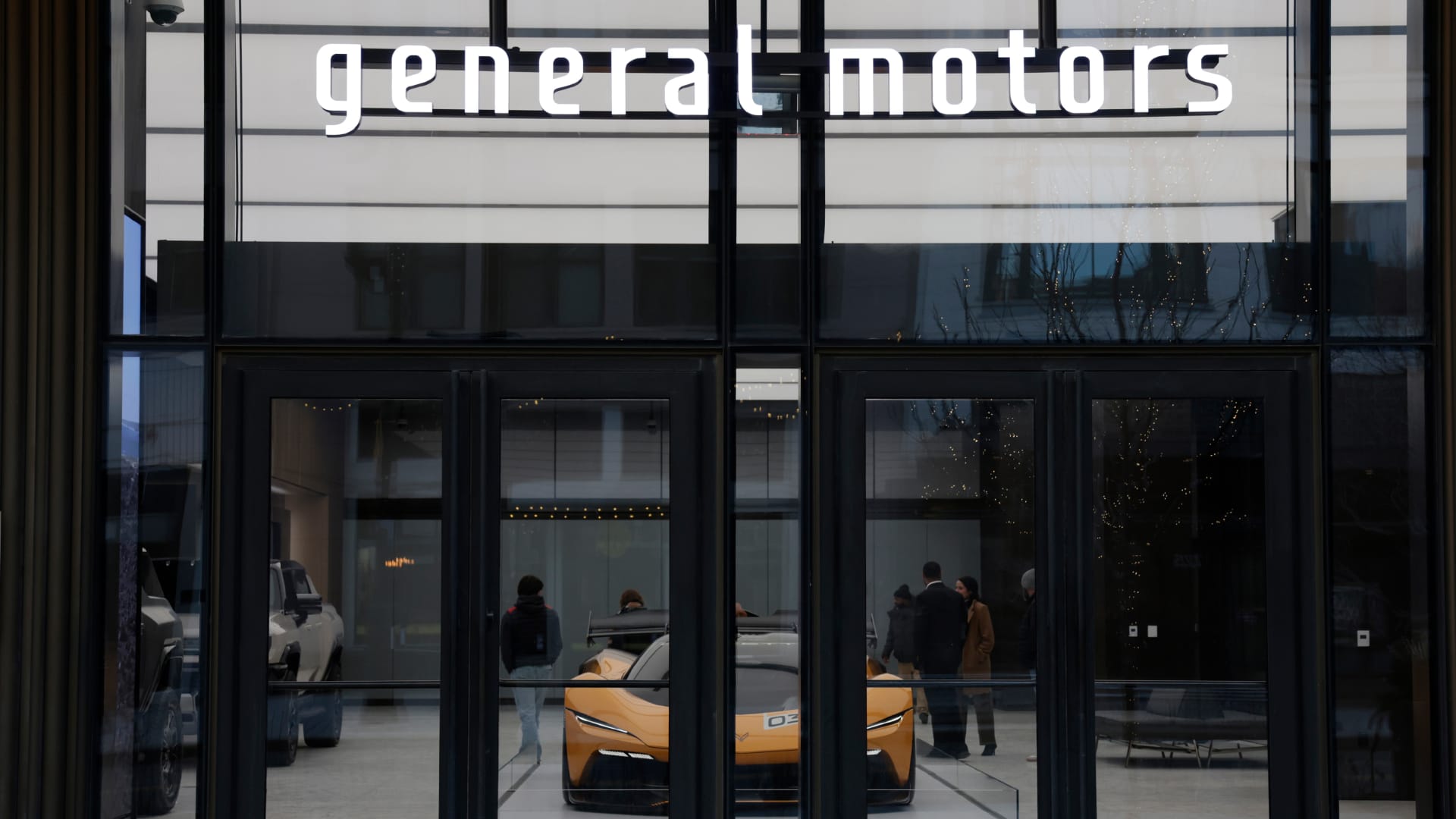
As General Motors prepares to release its second-quarter earnings, market participants are keenly focused on key metrics that could signal the automaker’s resilience amidst evolving industry dynamics. These results are poised to provide critical insights into GM’s operational efficiency and strategic direction, particularly as the auto sector navigates shifts in consumer demand and supply chain complexities.
💎 Strategic Investment & Portfolio Insights
- Earnings Beat Potential. Analyst consensus points to a strong EPS beat, signaling potential for short-term positive sentiment and price momentum.
- Guidance as a Catalyst. Any upward revision to 2026 guidance, especially regarding tariff impacts, could materially alter long-term valuation models for GM.
- Commodity Cost Headwinds. Monitoring the effects of DRAM chips and other commodity costs will be crucial for assessing margin sustainability and competitive advantage in the auto sector.
Detroit-based General Motors (GM) is slated to report its second-quarter earnings before the bell on Tuesday, with Wall Street analysts forecasting adjusted earnings per share (EPS) of $3.20 on revenue of $47.01 billion, according to average estimates compiled by LSEG. These projections indicate a significant more than 26% year-over-year increase in adjusted EPS, despite a slight 0.2% anticipated decline in revenue compared to the $47.12 billion reported in Q2 2025. This divergence suggests improved profitability per unit or more efficient cost management, factors critical for comprehensive market analysis in the automotive industry.
Beyond the headline figures, investors will be closely scrutinizing GM’s commentary on several key operational and macro factors. These include the effects of ongoing tariffs, the delicate balance of vehicle pricing strategies in a competitive environment, and the persistent challenge of commodity costs, particularly for critical components like dynamic random access memory (DRAM) chips. Changes to the automaker’s 2026 guidance will also be paramount, shaping investor confidence and long-term outlook.
- Barclays analyst Dan Levy anticipates both GM and rival Ford Motor to deliver earnings beats for the second quarter, potentially accompanied by a ‘soft raise’ in guidance. This optimistic view is underpinned by a strong macro environment, with US seasonally adjusted annual sales rates (SAAR) outperforming in the first half of the year, alongside stable pricing across the industry.
GM had previously raised its 2026 adjusted earnings guidance in April, reflecting a $500 million tariff rebate, pushing its full-year outlook to between $13.5 billion and $15.5 billion, or $11.50 to $13.50 per share. This represented a $500 million, or 50 cents per share, increase from prior expectations, underscoring the dynamic nature of its financial forecasting.
The Portfolio Positioning Effect of General Motors Earnings
The impending General Motors Earnings report could significantly influence portfolio positioning, particularly for investors with exposure to cyclical sectors and dividend-paying stocks. A robust earnings beat combined with an optimistic outlook on 2026 guidance could trigger a positive revaluation of GM shares, leading to increased capital allocation towards value-oriented automotive stocks. Conversely, any unexpected weaknesses in revenue or cautionary guidance could prompt a defensive shift, reallocating capital towards more stable, less cyclical assets. This dynamic interplay between corporate performance and broader market sentiment necessitates active monitoring for effective long-term portfolio growth strategies.
CIO Insight: “In the current market, General Motors’ ability to sustain pricing power and mitigate commodity cost volatility will be the true test of its intrinsic value. A strong report here could validate its strategic shift towards higher-margin vehicles and EV initiatives, making it an attractive component for diversified value portfolios seeking alpha.”
Key Financial Metrics for GM’s Q2 Performance
Understanding the context of current expectations against past performance is crucial for assessing the strength of General Motors’ upcoming results. The table below outlines the critical metrics that Wall Street analysts are focusing on for Q2 2026, alongside comparative figures from the prior year.
| Metric | Q2 2026 (Expected) | Q2 2025 (Actual) | Significance |
|---|---|---|---|
| Adjusted EPS | $3.20 | N/A (vs. consensus) | Indicates profitability per share; 26%+ YoY growth expected. |
| Revenue | $47.01 billion | $47.12 billion | Measures sales volume and pricing power; slight decline expected. |
| Net Income Attributable to Stockholders | N/A (Expected) | $1.9 billion | Overall company profitability; benchmark for Q2 2026. |
| Adjusted EBIT | N/A (Expected) | $3.04 billion | Operating performance before interest/taxes. |
General Motors Risk-Reward Matrix
The risk-reward profile for General Motors ahead of its earnings report is multifaceted. On the reward side, a beat on EPS and a favorable guidance update could propel the stock higher, especially given the embedded conservatism analysts have noted in previous company guidance. Continued strength in US SAAR and steady pricing, as highlighted by Barclays, could further underpin a positive market reaction. GM’s strategic pivot towards electric vehicles (EVs) and higher-margin trucks and SUVs also positions it for long-term growth, albeit with significant investment requirements and execution risks.
However, the risks are equally pronounced. The automotive sector remains susceptible to broader economic slowdowns, rising interest rates impacting auto loan demand, and geopolitical tensions that could disrupt supply chains or introduce new tariffs. Specific to GM, the fluctuating costs of critical commodities like DRAM chips, intense competition in the EV space from established players and new entrants, and the potential for labor disputes or manufacturing disruptions present tangible downside risks. Investors must weigh these factors carefully, understanding that while the upside could be substantial, the path to sustained growth is not without obstacles.
General Motors Competitive Benchmarking
General Motors operates in a highly competitive global automotive landscape, directly vying with peers like Ford Motor, Toyota, Stellantis, and an expanding cohort of EV manufacturers. While Ford is also expected to post strong Q2 results, the nuances of each company’s performance reveal differing strategic priorities and market exposures. GM’s focus on North American truck and SUV markets, alongside its aggressive EV rollout, distinguishes it. Recent reports of mixed U.S. auto sales, with hybrid vehicles driving market momentum, suggest a shifting consumer preference that GM and its rivals must address. For example, Toyota’s substantial investment in moving Tacoma pickup truck production to Texas underscores the competitive intensity in the profitable truck segment, a key area for GM. Meanwhile, Ford’s Q2 sales drop due to F-Series supplier issues and falling EV demand highlights the challenges even leading players face. Monitoring these competitor movements is vital for a holistic view of GM’s market positioning and relative performance, offering context for global business news in the auto sector.
The Q2 Outlook: Navigating Headwinds, Eyeing Opportunity
The upcoming General Motors Earnings call is more than just a numbers reveal; it’s a critical juncture for assessing the automaker’s strategic agility in a dynamic global market. The consensus expects strong profitability, but the commentary on forward guidance, especially concerning the evolving tariff landscape and commodity cost management, will truly dictate investor sentiment and the stock’s trajectory.
- GM’s ability to maintain stable vehicle pricing despite economic headwinds is a key indicator of demand resilience.
- Updates on 2026 guidance, particularly any upward revisions, could solidify investor confidence in long-term earnings potential.
- The management’s outlook on EV adoption rates and profitability will be crucial for valuing its future growth segments.
Can GM’s operational strength and strategic foresight continue to drive alpha in an increasingly competitive and technologically evolving auto industry?
📊 StockXpo Analyst’s View
Market Impact: The General Motors Earnings report is likely to serve as a bellwether for the broader automotive sector. A strong beat could inject positive sentiment, suggesting that resilient consumer demand and effective cost controls are offsetting macro pressures, potentially lifting other auto stocks. Conversely, any disappointment could temper enthusiasm, particularly regarding EV transition narratives, influencing broader market trends in industrial cyclicals.
Sector To Watch: Beyond traditional auto manufacturing, the semiconductor sector, specifically suppliers of DRAM chips, could experience ripple effects. GM’s commentary on component availability and pricing will directly inform expectations for chipmakers. Additionally, companies involved in automotive software and advanced driver-assistance systems (ADAS) may see renewed investor interest if GM’s strategic tech initiatives are highlighted as future growth drivers.
Financial Disclaimer:
StockXpo.com is a financial news aggregator and educational portal, not a registered investment advisor or broker-dealer. All information, news, and analysis provided herein are strictly for educational purposes and do not constitute investment, financial, legal, or tax advice. Investing in the stock market involves high risks, and past performance is not indicative of future results. StockXpo will not be liable for any financial losses or investment damages. Always consult a certified financial advisor before making market decisions.
MORE IN INSIDE INVESTMENT NEWS

AI Funding Fears Rattle Wall Street: Adjusting for Alpha and Preservation
Published: Saturday, October 24, 2026 · 12:28 PM

Volvo Cars Plunge: Alpha Warning as China Sales Slump Hits Earnings
Published: Friday, October 23, 2026 · 6:18 AM