Published: Tuesday, July 21, 2026 · 1:09 PM | Updated: Tuesday, July 21, 2026 · 1:09 PM
📊 238 views




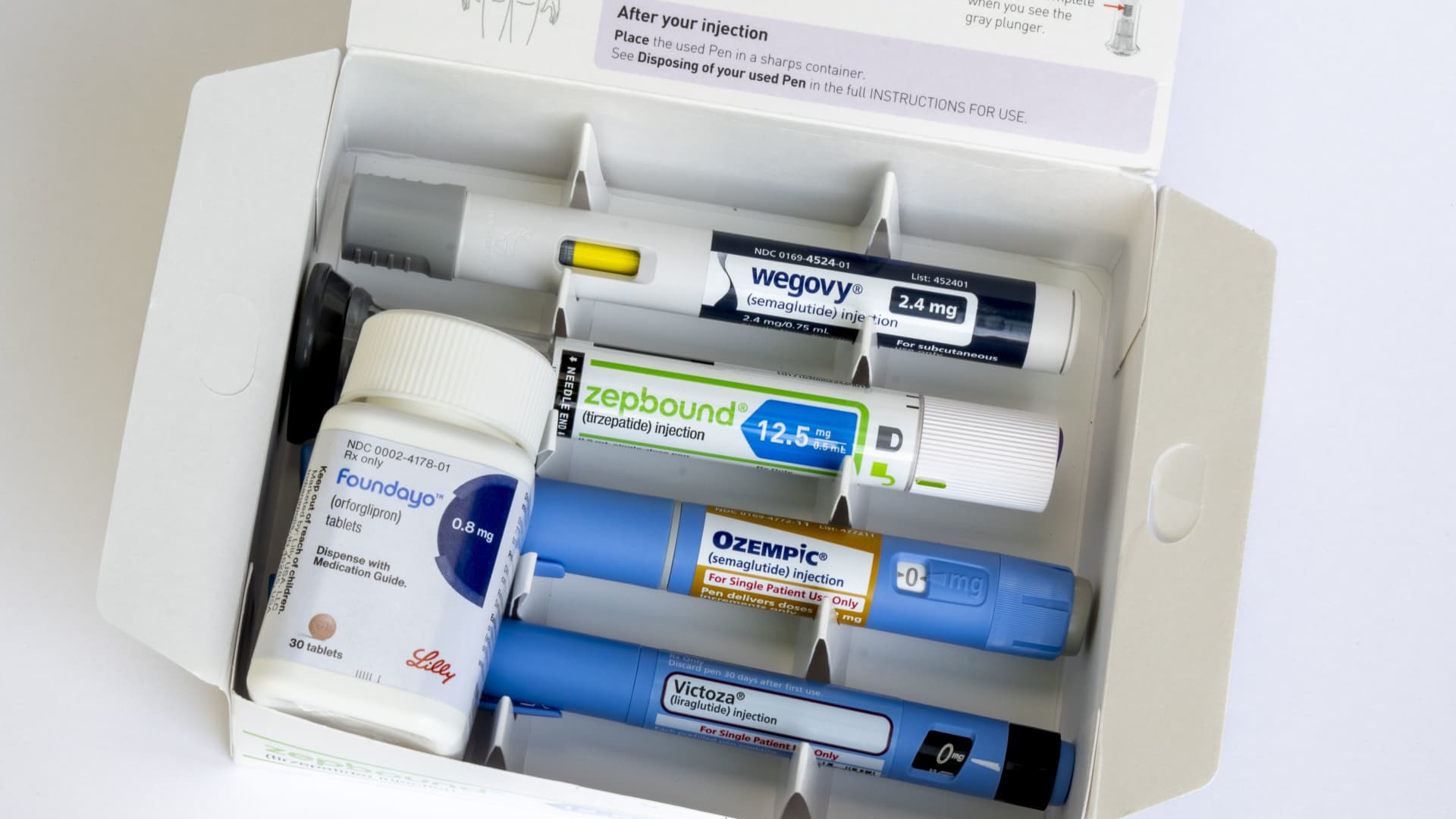
The competitive landscape of the blockbuster GLP-1 drug market just intensified dramatically, with Novo Nordisk filing a Novo Nordisk lawsuit against rival Eli Lilly. This high-stakes legal challenge alleges misleading advertising practices that could reshape how pharmaceutical giants promote their highly effective, and highly profitable, obesity and diabetes medications.
🗝️ Corporate Strategy Insights
- Advertising Scrutiny. Novo Nordisk’s legal action focuses on Eli Lilly’s GLP-1 drug ads, specifically claims of ‘outdated’ clinical trial comparisons for Zepbound and Mounjaro against Wegovy and Ozempic.
- Market Share Defense. This lawsuit is a proactive move by Novo Nordisk to defend its market position in the rapidly expanding GLP-1 sector, challenging Lilly’s perceived efficacy advantage in consumer perception.
- Regulatory Pressure. The dispute highlights the increasing legal and ethical pressures on pharmaceutical companies regarding marketing transparency and the potential for federal and state unfair competition claims under the Lanham Act.
Novo Nordisk has initiated a legal challenge against Eli Lilly, accusing the pharmaceutical giant of employing deceptive advertising for its leading obesity and diabetes medications, Zepbound and Mounjaro. The Danish drugmaker contends that Lilly’s nationwide campaigns leverage outdated clinical trial data to inaccurately portray its products as more efficacious than Novo Nordisk’s rival drugs, Wegovy and Ozempic. The crux of the Novo Nordisk lawsuit, filed in the U.S. District Court for the District of New Jersey, revolves around claims that Lilly’s ads compare the highest doses of its drugs against lower or older doses of Novo Nordisk’s offerings, omitting crucial new data.
Specifically, Novo Nordisk points to the omission of its recently approved high-dose Wegovy, which hit the market in March. This new formulation delivers weight loss results comparable to Lilly’s products, a fact Novo Nordisk argues is deliberately obscured in Lilly’s prominent advertising. John Kuckelman, Novo’s group general counsel, stated that Lilly’s campaigns leave consumers with ‘the inevitable conclusion that Lilly’s medicines are superior to Novo’s, and that’s not accurate.’ This legal escalation follows an ignored cease-and-desist request from Novo Nordisk in April, indicating a strategic decision to pursue judicial intervention to halt what it deems misleading promotions.
- Central Allegations: Lilly’s ads, particularly a TV commercial comparing Zepbound and Wegovy, show Zepbound patients losing 50 pounds versus 33 pounds for Wegovy (2.4mg dose). Novo Nordisk argues this ignores its 7.2mg high-dose Wegovy, which achieves an average 47-pound weight loss, aligning with Zepbound’s efficacy in recent trials. The lawsuit emphasizes that no head-to-head trials have compared the currently available highest doses of both drugs.
Novo Nordisk seeks a permanent injunction to prevent Lilly from running these ads, corrective advertising, and unspecified financial damages. The company has also signaled its intent to seek a preliminary injunction to immediately block the ads while the case proceeds, underscoring the urgency of its competitive stance in the fiercely contested GLP-1 market. This move reflects an aggressive strategy by Novo Nordisk to claw back market share amid Lilly’s strong performance, driven by the perceived superior efficacy of Zepbound and Mounjaro among healthcare providers and patients.
The Broader Impact of Marketing Disputes in Pharma
This Novo Nordisk lawsuit could create a significant strategic ripple effect across the pharmaceutical industry, particularly within the booming GLP-1 market. Should Novo Nordisk succeed, it could lead to:
- Enhanced Marketing Scrutiny: Stricter regulatory oversight on comparative advertising claims for all pharmaceutical companies, potentially increasing compliance costs and delaying new campaigns.
- Shift in Market Perception: A forced adjustment in Eli Lilly’s marketing could neutralize its perceived efficacy advantage, allowing Novo Nordisk’s high-dose Wegovy and other offerings to gain traction more rapidly.
- Intensified R&D: A focus shift towards proving superior efficacy through head-to-head trials of all available dosages, rather than relying on selective data, thus influencing future clinical development strategies.
- Precedent Setting: The outcome could set a new benchmark for what constitutes ‘truthful, current, and complete information’ in pharmaceutical advertising, impacting future competitive tactics beyond the GLP-1 space. This legal skirmish, as reported by Reuters Business, highlights the broader implications for honest competitive practices.
‘This litigation is more than a simple dispute; it’s a direct challenge to a competitor’s narrative, aiming to redefine market leadership through legal rather than purely scientific means. The implications for marketing ethics in a hyper-competitive sector like GLP-1s are profound, signaling a potential shift in how drug efficacy is communicated to the public.’
Key Metrics Underpinning the GLP-1 Rivalry
While specific financial damages are yet to be determined, the lawsuit’s underlying metrics of competitive harm are critical:
- Ad Impressions: Lilly’s Zepbound TV commercial garnered over 700 million impressions since late April, illustrating the vast reach and potential influence of the contested ads on consumer perception. This metric highlights the scale of alleged competitive damage.
- Weight Loss Efficacy: The core of the dispute rests on comparative average weight loss – 50 lbs (Lilly’s Zepbound) vs. 33 lbs (Novo’s Wegovy 2.4mg), versus Novo’s new 7.2mg Wegovy achieving 47 lbs. These numbers directly impact patient and physician choice.
- Market Share Dynamics: Lilly’s medications have seen increasing preference among providers. This lawsuit aims to rebalance the perception of efficacy, crucial for securing and expanding market share in a rapidly growing, multi-billion dollar market.
These indicators are vital as they directly influence patient prescribing patterns and, consequently, revenue streams for both pharmaceutical giants.
Eli Lilly’s Strategic Considerations in GLP-1 Marketing
Eli Lilly’s aggressive marketing strategy for Zepbound and Mounjaro, even if contested, demonstrates a clear intent to establish early and dominant market leadership in the GLP-1 space. Their approach, focusing on strong efficacy comparisons, aimed to capitalize on perceived advantages and capture significant mindshare among patients and prescribers. The company’s refusal to pull ads after Novo Nordisk’s cease-and-desist request suggests a calculated risk, potentially believing their claims, however interpreted, fall within acceptable advertising guidelines, or perhaps banking on the slow pace of legal proceedings. This strategy prioritizes rapid market penetration over immediate litigation avoidance, aiming to solidify their brand’s position before challenges fully materialize. The success of this approach hinges on the legal outcome and public perception shifts. For more insights on corporate growth, visit StockXpo’s business strategy analysis.
Novo Nordisk’s Competitive Advantages in a Heated Market
Despite Eli Lilly’s strong market performance with its GLP-1 drugs, Novo Nordisk maintains several inherent competitive advantages. Their early entry into the GLP-1 market with Ozempic and Wegovy established a strong brand presence and patient base. The approval of a high-dose Wegovy version directly addresses the efficacy comparisons, demonstrating a robust R&D pipeline responsive to market demands. Furthermore, a diversified portfolio including an upcoming oral obesity pill offers broader patient accessibility and preferences, potentially broadening their market reach beyond injectable solutions. This legal challenge itself can be seen as a strategic move to leverage regulatory frameworks to level the playing field, rather than solely competing on product features, highlighting a multifaceted approach to market leadership in a dynamic sector. Investors tracking these developments can find more context on market movements and investment analysis on StockXpo’s stock markets page.
The GLP-1 Ad Battle: What’s Next for Novo Nordisk and Eli Lilly?
The Novo Nordisk lawsuit against Eli Lilly signifies a pivotal moment in the GLP-1 drug market, where advertising practices are now under intense legal scrutiny. This battle moves beyond clinical trials into the realm of marketing ethics, with significant implications for how pharmaceutical companies communicate drug efficacy to the public.
- The outcome will set important precedents for pharmaceutical advertising standards, especially concerning comparative claims and data currency.
- It could force a re-evaluation of marketing strategies across the entire GLP-1 industry, emphasizing transparency and comprehensive data presentation.
- Investor sentiment for both companies may fluctuate based on legal developments, highlighting the financial risks associated with aggressive marketing tactics.
Will this lawsuit fundamentally alter the competitive dynamics and consumer perception of GLP-1 medications, or merely mark a skirmish in an ongoing war for market dominance?
📊 StockXpo Analyst’s View
Market Impact: This lawsuit introduces a new layer of uncertainty for investors in both Novo Nordisk and Eli Lilly, potentially dampening sentiment until clearer legal outcomes emerge. While the long-term demand for GLP-1s remains robust, short-term stock volatility could increase as legal developments unfold. The broader pharmaceutical sector might face increased scrutiny over marketing claims, leading to more cautious advertising strategies. Access timely educational insights on our blog.
Sector To Watch: The pharmaceutical sector, particularly companies heavily invested in blockbuster drug development and direct-to-consumer advertising, will be closely watched. Biotechnology firms engaged in competitive therapeutic areas may also adjust their marketing compliance frameworks. The legal services and advertising standards industries could see increased demand for expertise in navigating these complex regulatory landscapes. Read more on global business insights at Bloomberg Markets.
Financial Disclaimer:
StockXpo.com is a financial news aggregator and educational portal, not a registered investment advisor or broker-dealer. All information, news, and analysis provided herein are strictly for educational purposes and do not constitute investment, financial, legal, or tax advice. Investing in the stock market involves high risks, and past performance is not indicative of future results. StockXpo will not be liable for any financial losses or investment damages. Always consult a certified financial advisor before making market decisions.
MORE IN INSIDE BUSINESS
American Express Workforce Cuts: A Strategic AI Preparation
Published: Friday, October 23, 2026 · 9:50 AM

American Airlines loss forecast: Strategic Capacity Slowdown Expected
Published: Thursday, October 22, 2026 · 8:40 AM