Published: Tuesday, July 21, 2026 · 1:10 PM | Updated: Tuesday, July 21, 2026 · 1:10 PM
📊 243 views




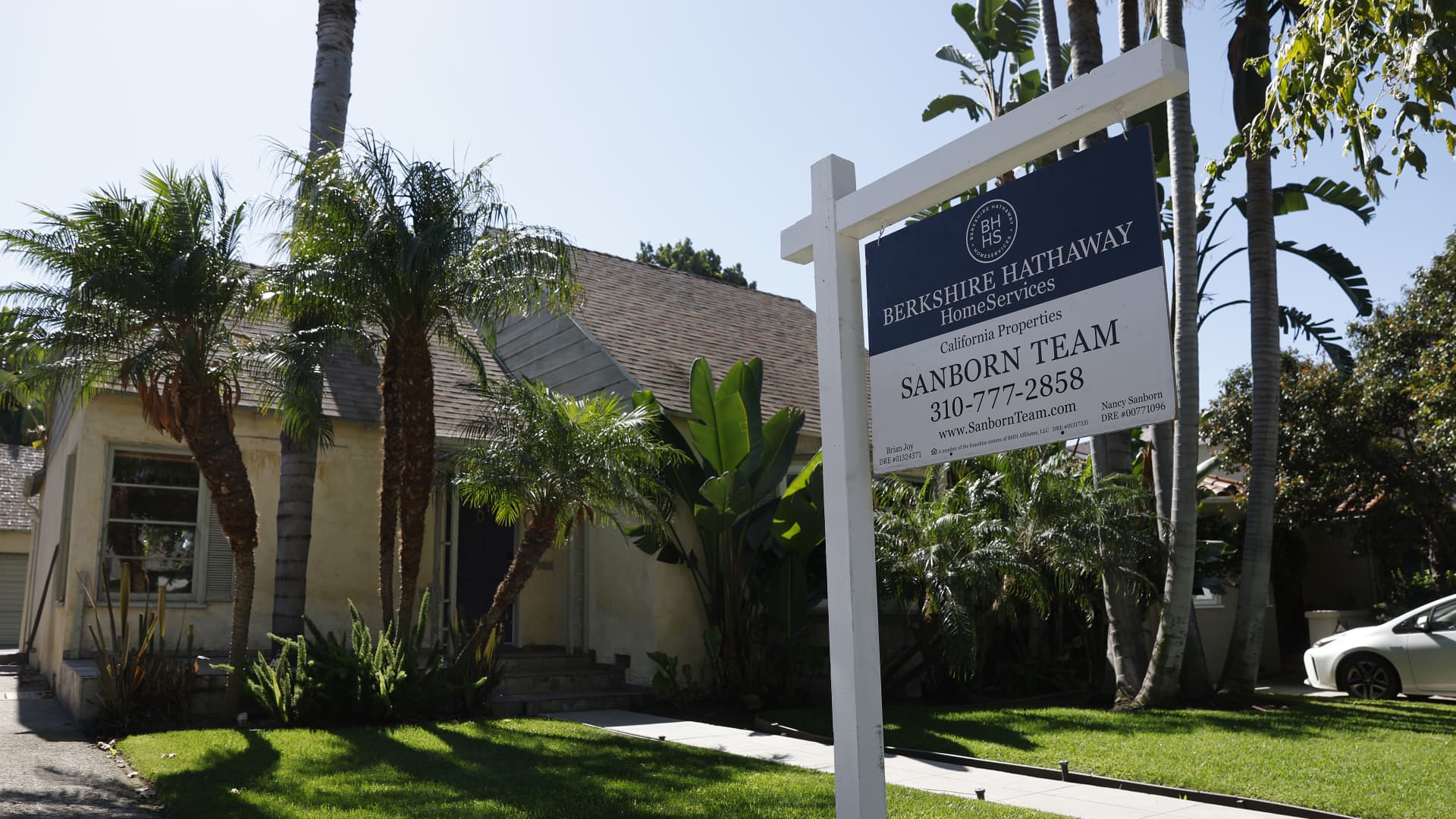
The landscape of the U.S. single-family rental homes market is experiencing a profound transformation, as newly enacted housing legislation forces institutional investors to alter their acquisition strategies. This regulatory shift is already doubling the inventory of investor-owned homes for sale, signaling a significant re-evaluation of portfolios and future growth avenues across the sector.
🗝️ Corporate Strategy Insights
- Legislative Pressure. New laws restrict institutional investors (350+ homes) from purchasing existing single-family properties, accelerating portfolio rebalancing.
- Strategic Pivot to Build-to-Rent. Major players like AMH and Invitation Homes are shifting capital into build-to-rent and other approved exceptions, reshaping their development pipelines.
- Market Re-Pricing. Institutional sellers are increasingly offering price cuts, impacting local market valuations and potentially creating opportunities for individual homebuyers.
The U.S. housing market is currently navigating a significant legislative shift impacting large-scale investors in the single-family rental homes sector. New housing legislation has taken effect, which bans institutional investors—defined as entities owning 350 or more homes—from acquiring additional single-family rental properties. This measure, aimed at curbing price inflation and supporting owner-occupant buyers, has prompted a rapid re-evaluation of strategies among major landlords. According to an exclusive analysis by Parcl Labs, the number of homes owned by institutional investors listed for sale has more than doubled since early February, rising from 4,166 to 9,447 homes, totaling an asking price of $3.1 billion. This marks a critical moment for the future of housing investment, requiring deep investment analysis.
This legislative surprise redefines institutional involvement, moving the threshold from a traditional 1,000-home benchmark to 350 homes. While investors are not compelled to divest their current holdings, the prohibition on new purchases—barring specific exceptions like build-to-rent projects or rent-to-renovate initiatives—is compelling them to adjust their portfolios. Lawmakers, on a bipartisan basis, initiated this ban, asserting that the all-cash purchasing power of these entities was inflating home prices and effectively sidelining conventional buyers.
Institutional investors initially entered the market aggressively following the 2008 financial crisis, acquiring foreclosed properties in bulk and transforming them into a burgeoning single-family rental asset class. Today, this cohort, owning 350 or more homes, controls approximately 589,000 homes, which represents 3.9% of the 14 million single-family rental homes nationwide, as reported by Parcl. This group accounts for roughly 40% of the net selling activity year-to-date.
Prominent landlords, including Progress Residential, Invitation Homes, AMH, Tricon, FirstKey, Amherst, and VineBrook, are collectively net sellers since January 1st, offloading 3,180 more homes than they’ve acquired. This isn’t a mass liquidation, given their combined portfolio of about 400,000 homes, yet it signals a clear change in direction. Notably, VineBrook has nearly 10% of its portfolio—approximately 1,900 homes valued at $285 million—currently on the market.
Stephen Scherr, co-president of Pretium (parent company of Progress Residential), highlighted the evolving perspective, stating, ‘There is broad recognition now both by the White House and lawmakers, in an overwhelming majority, that private capital has a very big role to play for a component of the American population that wants to rent a home.’ Progress Residential is now actively channeling its investments into permissible areas, embracing the legislative exceptions, a clear shift in their company strategy.
The shift towards build-to-rent (BTR) communities is becoming a dominant strategy. AMH, for example, initiated its BTR program in 2017 and has since developed over 14,000 homes across 180 communities. Invitation Homes recently acquired ResiBuilt, an Atlanta-based homebuilder, early this year to bolster its own BTR capabilities. Chris Nebenzahl, VP of rental research at John Burns Research and Consulting, noted that ‘The financing case has materially changed with the forced disposition mandate removed. Lenders can underwrite [build-to-rent] again, and we’re starting to see this happen.’
The properties being sold by institutional investors are often seeing price reductions. While 38.7% of all national listings have experienced price cuts, a higher proportion—54%—within the institutional single-family rental cohort carries a discount. Since early May, these markdowns have deepened from around 3.1% to 4% of the asking value. Jason Lewris of Parcl Labs suggests this partially reflects a strategic re-allocation of capital, where investors are ‘culling underperforming assets and redirect that capital towards growth areas, i.e. build-to-rent, for example.’
The legislative ban on institutional purchases of existing single-family homes is creating a cascading strategic ripple effect throughout the real estate investment landscape. This direct regulatory intervention initially triggers a portfolio rebalancing mandate for large investors, compelling them to offload current assets and reassess their growth models. This, in turn, leads to an observable increase in listings for rental homes owned by these entities, contributing to a temporary boost in market inventory for individual buyers and potentially moderating price appreciation in affected segments.
Concurrently, this shift drives a significant capital redirection towards build-to-rent (BTR) projects, as it remains one of the few viable acquisition paths for institutional capital. This focus on new construction impacts developers and homebuilders, creating new partnerships and investment opportunities, while also influencing the supply dynamics of future rental housing. Competitors, especially smaller regional players or those below the 350-home threshold, may find a less aggressive bidding environment for existing homes, potentially increasing their market access. However, the concentration of institutional capital in BTR could intensify competition in that specific niche. For the broader market, this aims to re-empower individual homebuyers, potentially altering the competitive dynamics of local housing markets and stabilizing entry-level prices over time.
The ongoing shift from acquiring existing single-family homes to developing purpose-built rental communities represents a fundamental recalibration of institutional investment in housing, moving from asset accumulation to strategic development, as widely reported by major business news outlets.
Key Performance Indicators Reflecting Market Shifts:
- Institutional Listings Surge: The number of homes listed for sale by institutional investors has more than doubled from 4,166 in February to 9,447 by July, signifying an active divestment trend. This metric is crucial as it directly reflects the immediate behavioral response of large-scale landlords to the new legislation.
- Total Asking Price: These 9,447 homes represent approximately $3.1 billion in total asking price, indicating the significant capital value being re-allocated or released back into the market. This financial scale underscores the impact on capital allocation strategies.
- Price Cut Incidence: A notable 54% of institutional single-family rental listings are experiencing price cuts, compared to 38.7% nationally. The deeper markdowns, averaging 4% of asking value, reveal investor willingness to adjust prices to facilitate dispositions, which can influence local market valuations.
- Net Selling Activity: Major landlords are net sellers year-to-date, with 3,180 more homes sold than bought, demonstrating a clear strategic pivot away from existing asset accumulation towards other investment avenues.
These indicators collectively highlight a dynamic market response, with institutional investors adapting their operational strategies and portfolio composition in compliance with the new regulatory framework, thereby influencing both supply and pricing across the rental homes sector.
Invitation Homes’ Strategic Reinvention for Sustained Growth
Invitation Homes (INVH), one of the largest publicly traded single-family rental REITs, is actively reshaping its growth strategy in response to the new legislative environment. With 549 homes currently listed for sale, the company is recalibrating its portfolio to align with permissible acquisition channels. Its acquisition of ResiBuilt, an Atlanta-based homebuilder, earlier this year is a clear signal of this strategic pivot towards the build-to-rent model. This move allows Invitation Homes to control the entire development process, from land acquisition to construction and leasing, ensuring a consistent supply of high-quality assets that meet specific market demands while bypassing restrictions on existing home purchases. This forward-looking approach positions INVH to maintain its market leadership by creating new inventory rather than competing for scarce existing homes, ensuring long-term pipeline visibility and operational efficiency in a changing regulatory landscape. The company’s focus on creating new housing stock also aligns with broader societal needs for affordable and accessible housing, potentially enhancing its public and regulatory standing.
AMH: Pioneering the Build-to-Rent Model for Future Returns
American Homes 4 Rent (AMH) stands out as an early adopter and pioneer in the build-to-rent segment, initiating its development efforts back in 2017. With 536 homes currently for sale, AMH is also adjusting its existing portfolio but its established BTR capabilities give it a significant head start. Having already developed over 14,000 homes in 180 communities, AMH possesses a distinct competitive advantage in this evolving market. This early entry provided invaluable experience in site selection, construction management, and community development tailored specifically for the rental market. Their integrated approach allows for greater control over property quality, tenant experience, and cost efficiencies compared to acquiring and renovating scattered existing homes. AMH’s deep expertise in BTR positions it strongly to capitalize on the accelerated shift of institutional capital into this sector, reinforcing its competitive moat and enabling it to continue delivering purpose-built rental homes that meet modern tenant expectations and regulatory frameworks. For more educational insights on market trends, check our blog.
The New Era for Rental Homes Investment: Opportunities and Challenges
The recent legislative changes are fundamentally reshaping the investment thesis for single-family rental homes, ushering in a new era where strategic development supersedes bulk acquisition of existing properties. Institutional players are actively rebalancing their portfolios, evidenced by a surge in listed properties and a deepening commitment to build-to-rent models. This pivot not only impacts the operational strategies of major landlords but also has broader implications for housing supply, market pricing, and the competitive environment for both investors and individual homebuyers.
- The ban fosters a more balanced market for individual homebuyers by reducing institutional competition for existing housing stock.
- Institutional capital is now decisively flowing into new construction, particularly build-to-rent, driving innovation and scale in this segment.
- The market is seeing increased transparency and perhaps moderation in pricing as large investors adjust their asset values.
Will this legislative intervention effectively stabilize housing affordability and create a more equitable market for all participants?
📊 StockXpo Analyst’s View
Market Impact: This policy shift, while potentially dampening the direct acquisition of existing rental homes by large funds, injects significant liquidity back into the market through asset sales. We anticipate a temporary increase in supply in certain geographies, potentially easing price pressures for owner-occupant buyers. However, the redirection of institutional capital into build-to-rent projects could accelerate the development of new housing stock, ultimately benefiting long-term rental supply, but not immediately impacting affordability for existing homes, a trend mirrored across global market dynamics.
Sector To Watch: The homebuilding sector is poised for substantial gains, particularly companies with established build-to-rent capabilities or those actively partnering with institutional investors. Companies like LGI Homes, DR Horton, and Toll Brothers, who have already diversified into BTR or have the capacity to do so, will likely see increased demand for their services and land development. Conversely, smaller-scale property management firms that catered predominantly to institutional investors acquiring existing homes may need to diversify their client base or services.
Financial Disclaimer:
StockXpo.com is a financial news aggregator and educational portal, not a registered investment advisor or broker-dealer. All information, news, and analysis provided herein are strictly for educational purposes and do not constitute investment, financial, legal, or tax advice. Investing in the stock market involves high risks, and past performance is not indicative of future results. StockXpo will not be liable for any financial losses or investment damages. Always consult a certified financial advisor before making market decisions.
MORE IN INSIDE BUSINESS

American Express Workforce Cuts: A Strategic AI Preparation
Published: Friday, October 23, 2026 · 9:50 AM

American Airlines loss forecast: Strategic Capacity Slowdown Expected
Published: Thursday, October 22, 2026 · 8:40 AM