Published: Tuesday, June 23, 2026 · 8:23 PM | Updated: Tuesday, June 23, 2026 · 8:23 PM
📊 221 views




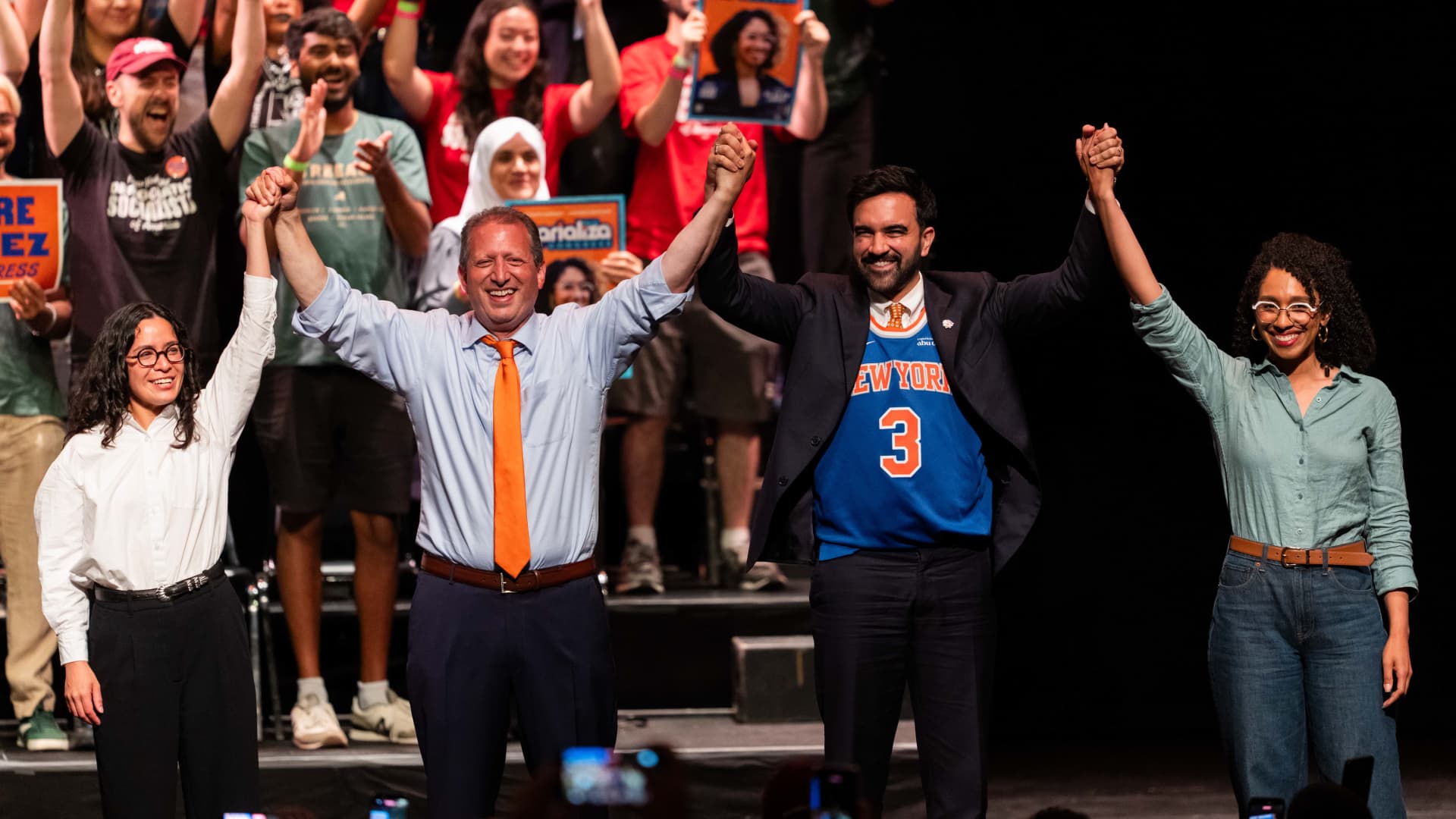
New York City’s upcoming primaries are poised to test Mayor Zohran Mamdani’s political influence, with prediction markets forecasting favorable outcomes for his endorsed candidates. This electoral dynamic, tracked by platforms like Kalshi, signals a potential shift in local political capital that could have tangible implications for regional asset valuation and future investment trends.
The outcomes of these races for Mamdani-backed candidates could redefine legislative priorities, impacting sectors from real estate to infrastructure and even public services within the city.
💰 Financial Strategy & Market Insights
- Political Influence as Intangible Asset. Mayor Mamdani’s endorsements act as a form of political capital, directing voter sentiment and potentially shaping future policy, which can indirectly influence real estate and infrastructure development.
- Prediction Markets as Sentiment Gauge. Platforms like Kalshi offer real-time, alternative data on perceived political outcomes, functioning as a forward-looking sentiment indicator that can inform investors about potential policy continuity or disruption.
- Capital Allocation Shifts Post-Election. The success of specific candidates, especially those with distinct policy stances, could lead to reallocations of public and private capital within NYC, impacting localized market liquidity and investment attractiveness.
Speculators on Kalshi predict a strong showing for two out of three of Mayor Mamdani’s endorsees: former NYC Comptroller Brad Lander in NY-10 and New York State Assemblywoman Claire Valdez in NY-7. These outcomes are not merely political victories; they represent potential alignments in legislative agendas that could influence everything from zoning laws to public spending, thereby affecting asset values across the metropolitan area. Lander, a Mamdani ally, challenges incumbent Rep. Dan Goldman, whose support for Israel has drawn criticism, particularly in districts encompassing downtown Manhattan and Park Slope, Brooklyn. This race highlights ideological divides that can translate into varying policy approaches, crucial for investors monitoring regulatory shifts for deeper market analysis.
Valdez, backed by the Democratic Socialists of America, is expected to succeed retiring Rep. Nydia Velázquez in NY-7, covering Williamsburg in Brooklyn and Long Island City in Queens. Her victory could signal a more progressive tilt in local governance, potentially influencing affordable housing initiatives or environmental regulations. Conversely, first-time candidate Darializa Avila Chevalier, also DSA-backed, faces an uphill battle against incumbent Rep. Adriano Espaillat in NY-13, which spans Harlem, Washington Heights, and parts of the Bronx. The persistence of an established incumbent in this district could temper some of the broader progressive shifts predicted elsewhere.
The broader financial sector implications of these primary results extend beyond direct legislative changes. The presence of significant AI super PAC spending in the NY-12 primary, where Alex Bores, a proponent of AI regulations, is a candidate, underscores how technological and policy debates are directly influencing campaign finance and potentially future economic landscapes. OpenAI-backed Leading the Future has spent $8 million opposing Bores, while Anthropic-backed Public First Action has injected $11 million supporting him. This battle over AI regulation illustrates how capital is flowing into political contests, aiming to shape future technological environments that affect countless industries. Kalshi traders, however, favor state Assemblyman Micah Lasher in this high-stakes contest.
- Brad Lander (NY-10): Kalshi traders give Lander a near-certain chance of winning the Democratic nomination against incumbent Rep. Dan Goldman.
- Claire Valdez (NY-7): Favored with nearly 80% odds to win the Democratic nomination to replace Rep. Nydia Velázquez.
- Darializa Avila Chevalier (NY-13): Traders give incumbent Rep. Adriano Espaillat two-in-three odds of fending off Chevalier’s challenge.
- Micah Lasher (NY-12): Favored with a 74% chance of winning the Democratic nomination amidst significant AI super PAC spending.
Assessing Risk and Reward in NYC’s Political Climate
The electoral outcomes in New York City’s primaries present distinct risk and reward profiles for various market participants, particularly those with significant local asset holdings or long-term investment horizons.
- Upside Potential:
- Policy Predictability: If Mamdani’s favored candidates align on key policy fronts, this could bring greater predictability for urban development projects, infrastructure spending, and social programs, potentially stabilizing asset valuations.
- Targeted Investment Growth: New legislative priorities could direct capital towards specific sectors (e.g., green infrastructure, affordable housing), creating new investment opportunities and enhancing the value of related assets.
- Enhanced Community Engagement: Candidates with strong local backing may foster environments conducive to community-led development, reducing friction for certain types of projects and encouraging long-term capital commitment.
- Downside Risks:
- Regulatory Uncertainty: A significant shift in political power could lead to new or more stringent regulations (e.g., rent control, environmental mandates) that could depress certain asset values, particularly in real estate.
- Capital Reallocation Pressure: Policy changes driven by new leadership might redirect public funds or disincentivize private investment in historically favored areas, potentially leading to capital outflows from specific sub-sectors or geographies.
- Increased Social Activism: A more politically charged environment, whether from wins or losses, can sometimes lead to increased social activism that, while potentially beneficial long-term, could create short-term volatility or project delays for businesses.
In financial markets, political prediction platforms like Kalshi serve as a valuable alternative data source, offering a real-time, aggregated sentiment indicator on future political events. Unlike traditional polls, which often capture stated intentions, prediction markets involve real money, thereby reflecting participants’ true beliefs and providing a unique lens into perceived electoral probabilities and potential policy shifts that could impact market liquidity and investment strategies.
Political Capital Market Shift
The influence wielded by Mayor Zohran Mamdani in these primaries underscores a significant aspect of modern urban economies: the market for political capital. This ‘capital’ is not just about campaign funds; it encompasses endorsements, voter mobilization, and the ability to shape public discourse. When political capital shifts, it reorients the very landscape upon which investment decisions are made. A surge in the influence of a particular political bloc, as indicated by the likely success of Mamdani-backed candidates, signals a potential realignment of city priorities. This realignment can affect asset valuation directly, for instance, through changes in property tax structures, zoning laws, or infrastructure development plans. Investors must consider these political currents as critical, albeit non-traditional, market forces. Understanding these movements is key to navigating the broader financial environment and anticipating capital flows in dynamic urban centers.
Prediction Market Sentiment Tracker
The robust activity on prediction market platforms such as Kalshi offers a fascinating, real-time sentiment tracker for political outcomes, distinct from conventional polling methods. These platforms, where individuals wager real money on future events, aggregate collective wisdom and provide a dynamic, probabilistic forecast. For investors and market analysts, this acts as a unique sentiment indicator, much like consumer confidence or manufacturing indices for broader economic trends. The high odds for certain Mamdani-backed candidates suggest a strong market belief in their victory, reflecting an informed, albeit speculative, consensus. This data can inform risk management strategies, especially for those with stakes in industries sensitive to local governance and policy changes, allowing for proactive adjustments to portfolio allocations based on perceived political stability or shifts. For insights into global market trends, platforms like Bloomberg Markets provide crucial context.
Mamdani-backed Candidates: A Bellwether for Future NYC Investment
The anticipated success of Mamdani-backed candidates in the upcoming NYC primaries is more than a local political story; it’s a significant indicator of potential shifts in the city’s future policy landscape and, by extension, its investment climate. The mayor’s influence reflects a growing political alignment that could reshape regulatory frameworks and investment incentives across key urban sectors.
- A strengthened progressive voice in Congress from NYC could drive new legislative initiatives impacting environmental regulations and social infrastructure.
- Investors should anticipate potential changes in real estate development paradigms, particularly concerning affordable housing and commercial zoning.
- The outcomes may signal a greater emphasis on local community needs, potentially favoring socially responsible investment (SRI) frameworks in future public-private partnerships.
How will these new political alignments impact capital allocation in New York’s key sectors over the next fiscal year?
📊 StockXpo Analyst’s View
Market Impact: The predicted wins for Mamdani-backed candidates introduce a moderate level of policy predictability in specific districts, potentially fostering investor confidence in sectors aligned with progressive agendas. However, a strong progressive shift could also heighten regulatory scrutiny on established industries, leading to re-evaluations of asset valuations, particularly in traditional real estate and certain financial services. This news could impact investor sentiment around localized capital shifts and future urban development projects, influencing where private equity and venture capital choose to deploy funds within the city.
Sector To Watch: We recommend close monitoring of the New York real estate market, particularly in areas like Brooklyn and Queens, as new housing policies or zoning changes could emerge. Additionally, infrastructure development companies and firms involved in renewable energy initiatives could see increased opportunities given potential policy support from these candidates. Keep an eye on broader financial news reports from sources like Reuters Finance for additional context on how these local shifts may resonate nationally, and explore educational financial insights on StockXpo’s blog for more in-depth analysis.
Financial Disclaimer:
StockXpo.com is a financial news aggregator and educational portal, not a registered investment advisor or broker-dealer. All information, news, and analysis provided herein are strictly for educational purposes and do not constitute investment, financial, legal, or tax advice. Investing in the stock market involves high risks, and past performance is not indicative of future results. StockXpo will not be liable for any financial losses or investment damages. Always consult a certified financial advisor before making market decisions.
MORE IN INSIDE FINANCE

Trading Volumes Under Fire: Prediction Markets Kalshi and Polymarket Face Scrutiny
Published: Thursday, October 1, 2026 · 11:43 AM

Temasek Middle East Expansion: A Bold $400 Billion Capital Shift
Published: Wednesday, September 30, 2026 · 5:31 AM