
Published: Wednesday, June 17, 2026 · 7:04 AM | Updated: Wednesday, June 17, 2026 · 7:04 AM
📊 276 views




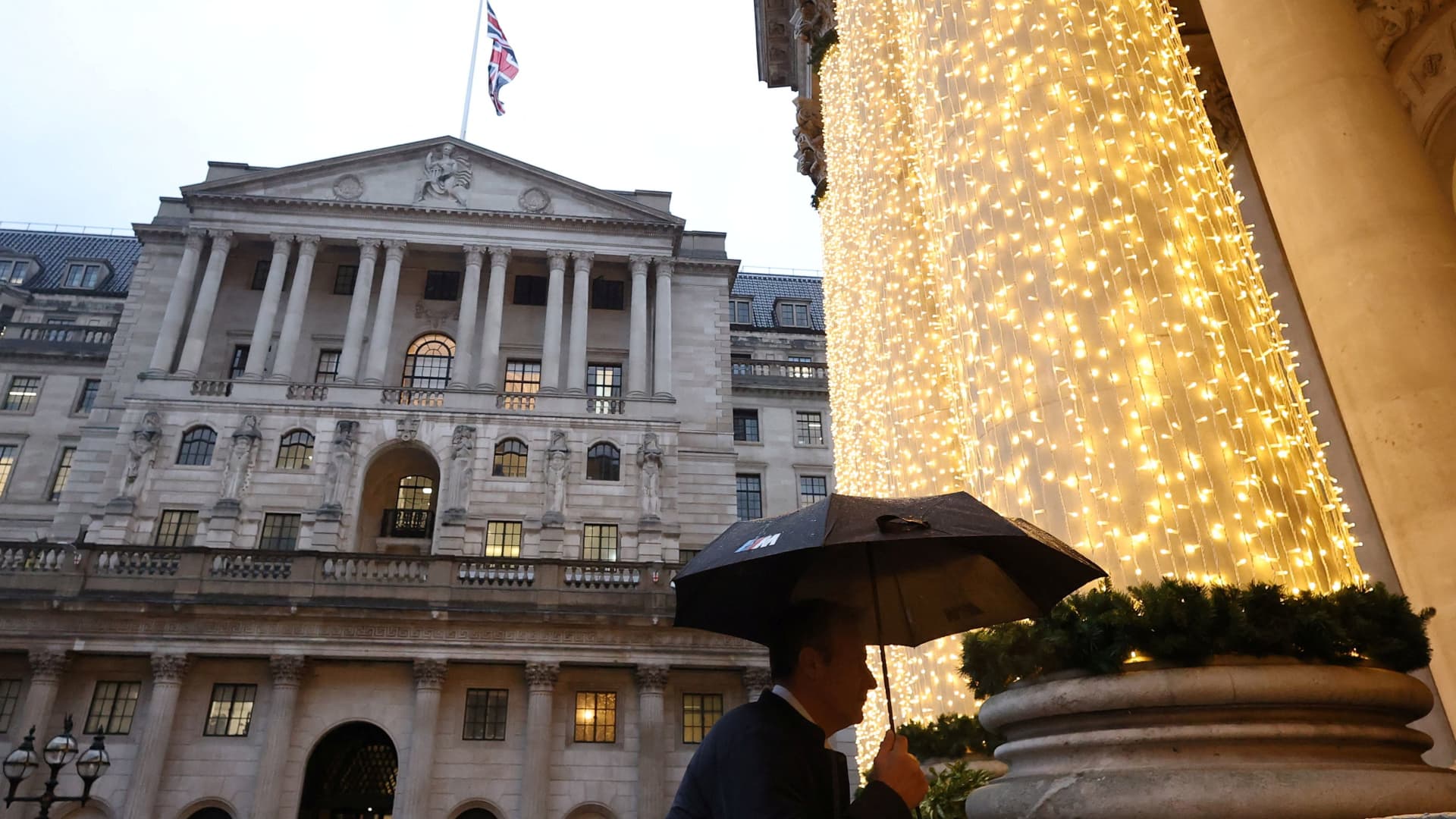
Britain’s economic landscape saw a critical development this week as UK inflation unexpectedly held steady at 2.8% in May, defying market expectations for a rise. This latest reading offers a momentary pause in rising price pressures, yet the underlying dynamics, particularly the impending energy price cap adjustment and volatile global energy markets, suggest this stability could be fleeting, significantly impacting global economic forecasts.
📊 Macro-Economic Strategic Insights
- Unexpected Stability. The annual UK inflation rate remained at 2.8% in May, confounding economist predictions of an increase to 3%, offering temporary relief.
- Energy Price Cap Looms. Despite current stability, the U.K.’s regulated energy price cap is set to rise by 13% later this summer, poised to drive energy costs to a two-year high and reignite inflationary pressures.
- BoE’s Dilemma. The Bank of England held interest rates at 3.75%, acknowledging its limited influence over global energy prices, with markets anticipating a hold this week but potential hikes by year-end.
The Office for National Statistics (ONS) confirmed on Wednesday that UK inflation in May maintained its April level of 2.8%, registering below the 3% forecast by Reuters-polled economists. This unexpected stability contrasts sharply with higher inflation figures seen in the Eurozone (3.2%) and the U.S. (4.2%) for the same period, providing a temporary reprieve for British consumers and policymakers alike. However, this snapshot of calm is largely attributed to previous adjustments to the energy price cap, a factor expected to reverse course dramatically in the coming months.
The primary driver behind May’s price increases was the transport sector. Surging air fares, which jumped 10.3% month-on-month, alongside increases in motor fuel and sea fares, contributed significantly to household expenditure. Analysts pointed to the timing of the Easter holiday as a potential catalyst for the spike in travel-related costs. Gasoline prices, for instance, saw an average rise of 0.6 pence per liter between April and May, reaching levels not seen since November 2022, a period marked by the initial shockwaves from the Russia-Ukraine conflict.
Crucially, the Bank of England’s Monetary Policy Committee recently chose to keep its benchmark interest rate at 3.75%, a decision heavily influenced by external economic forces. Policymakers have openly stated that monetary tools have little sway over global energy price dynamics, especially amidst geopolitical tensions like the U.S.-Iran war and the resulting closure of the Strait of Hormuz. While a framework deal between the U.S. and Iran to reopen the Strait could offer some long-term relief to oil prices, the immediate outlook remains cautious. Scott Gardner, investment strategist at J.P. Morgan Personal Investing, remarked that the latest data provides ‘some hope’ that any inflation rebound could be ‘short-lived,’ yet he underscored the looming impact of the Ofgem price cap and the evolving Middle East situation on household spending. Investors are advised to consult diverse investment analysis to navigate these complex market conditions.
- The May CPI print for the UK stood at 2.8%, defying expectations.
- Transportation costs, particularly air and motor fuel, were the largest upward contributors.
- Falling food and non-alcoholic drink prices partially offset other increases.
- The forthcoming 13% rise in the energy price cap is a significant inflationary concern.
The Ripple Effect: Economic Cause and Consequence
The interplay of domestic and global factors creates a complex web of economic consequences, influencing macro-stability and systemic growth:
Steady May Inflation → Temporary Policy Relief for BoE
Rising Transport Costs → Increased Household Expenditure → Potential Strain on Consumer Spending
Impending Energy Price Cap Hike → Higher Utility Bills → Renewed Inflationary Pressure
US-Iran Deal Progress → Potential Easing of Oil Prices → Reduced Global Energy Cost Headwinds
Higher Global Inflation (Eurozone, US) → Increased Pressure on UK to Maintain Competitiveness & Attract Capital
In macroeconomic terms, ‘core inflation’ often provides a clearer picture of underlying price trends by excluding volatile items like food and energy. While headline inflation currently shows stability, the anticipated surge in regulated energy prices could mask persistent inflationary pressures in other sectors, making the Bank of England’s task of achieving systemic growth without triggering a wage-price spiral even more challenging.
Key Macroeconomic Indicators: May 2026
Understanding these metrics is crucial for evaluating national and global economic policy decisions and their impact on market stability.
| Indicator | Value (May 2026) | Significance |
|---|---|---|
| UK CPI Annual Inflation | 2.8% | Defied expectations of 3% rise, offering temporary stability. |
| Eurozone CPI Annual Inflation | 3.2% | Higher than UK, reflecting broader regional price pressures. |
| U.S. CPI Annual Inflation | 4.2% | Significantly higher, indicating stronger demand-side inflation. |
| BoE Key Interest Rate | 3.75% | Held steady, reflecting caution amid external energy shocks. |
UK Monetary Policy Commentary: Navigating External Shocks
The Bank of England finds itself in a precarious position, attempting to manage domestic price stability while largely powerless against global energy price volatility. Their decision to hold rates at 3.75% underscores a recognition that current inflationary pressures are significantly external. This approach emphasizes fiscal responsibility over aggressive monetary tightening in the face of imported inflation. However, the anticipated domestic impact of the Ofgem price cap later this summer will test this ‘wait and see’ strategy. The Bank’s ability to anchor inflation expectations will be crucial for the UK economy as it seeks to restore long-term macro stability. For deeper educational insights into macro trends, visit the StockXpo blog.
Global Inflationary Risks: Beyond the UK’s Borders
While UK inflation shows a temporary deceleration, the global inflationary environment remains elevated, as evidenced by higher readings in the Eurozone and the U.S. This disparity highlights divergent economic recoveries and varying exposures to commodity shocks. The U.S.-Iran framework deal, if successfully implemented, could temper global oil prices, providing a much-needed reprieve for energy-importing nations, including the UK. However, the long-term impact of geopolitical tensions, supply chain vulnerabilities, and persistent demand in key global economies suggests that inflation remains a significant risk factor across advanced economies, influencing broader global economic trends. For detailed insights into global economic trends, consider reading reports from Reuters.
The Unseen Pressures on UK Inflation: A Forward Look
The recent stability in UK inflation offers a brief respite, yet it is a calm before a potential storm. The underlying drivers, particularly the looming energy price cap adjustment and persistent global energy volatility, signal that the fight against inflation is far from over for the Bank of England. Policymakers must weigh domestic cost-of-living concerns against broader macroeconomic stability.
- The current inflation pause is temporary, largely influenced by a favorable, but expiring, energy price cap.
- External factors, especially global energy prices and geopolitical events, continue to exert significant influence over the UK’s inflationary trajectory.
- The Bank of England’s cautious stance on interest rates reflects a complex challenge: addressing imported inflation without stifling domestic growth.
Can the UK economy absorb future energy price hikes without triggering a broader inflationary surge, and what are the long-term implications for household purchasing power?
📊 StockXpo Analyst’s View
Market Impact: The current stability in UK inflation, while temporary, could provide short-term confidence, potentially leading to a slight strengthening of the GBP. However, the anticipation of an interest rate hike by the BoE later in the year, coupled with global uncertainties, suggests a cautious investor sentiment. Fixed-income markets will closely watch yield curves for signs of future rate moves, while equity markets might see rotations towards defensive sectors.
Sector To Watch: The energy sector remains paramount. While a U.S.-Iran deal could ease oil prices, the domestic energy cap adjustments will impact utility providers and consumer discretionary spending. Retailers, particularly those dependent on discretionary income, might face headwinds as household energy bills rise.
Financial Disclaimer:
StockXpo.com is a financial news aggregator and educational portal, not a registered investment advisor or broker-dealer. All information, news, and analysis provided herein are strictly for educational purposes and do not constitute investment, financial, legal, or tax advice. Investing in the stock market involves high risks, and past performance is not indicative of future results. StockXpo will not be liable for any financial losses or investment damages. Always consult a certified financial advisor before making market decisions.
MORE IN INSIDE ECONOMY
Trump Economic Approval Plummets: A Warning for Macro Stability
Published: Thursday, October 22, 2026 · 9:12 AM
UK Inflation Jumps to 3.5%: Cementing Rate Hike Expectations
Published: Wednesday, October 21, 2026 · 2:51 AM


