Published: Thursday, June 11, 2026 · 2:48 PM | Updated: Thursday, June 11, 2026 · 2:48 PM
📊 421 views




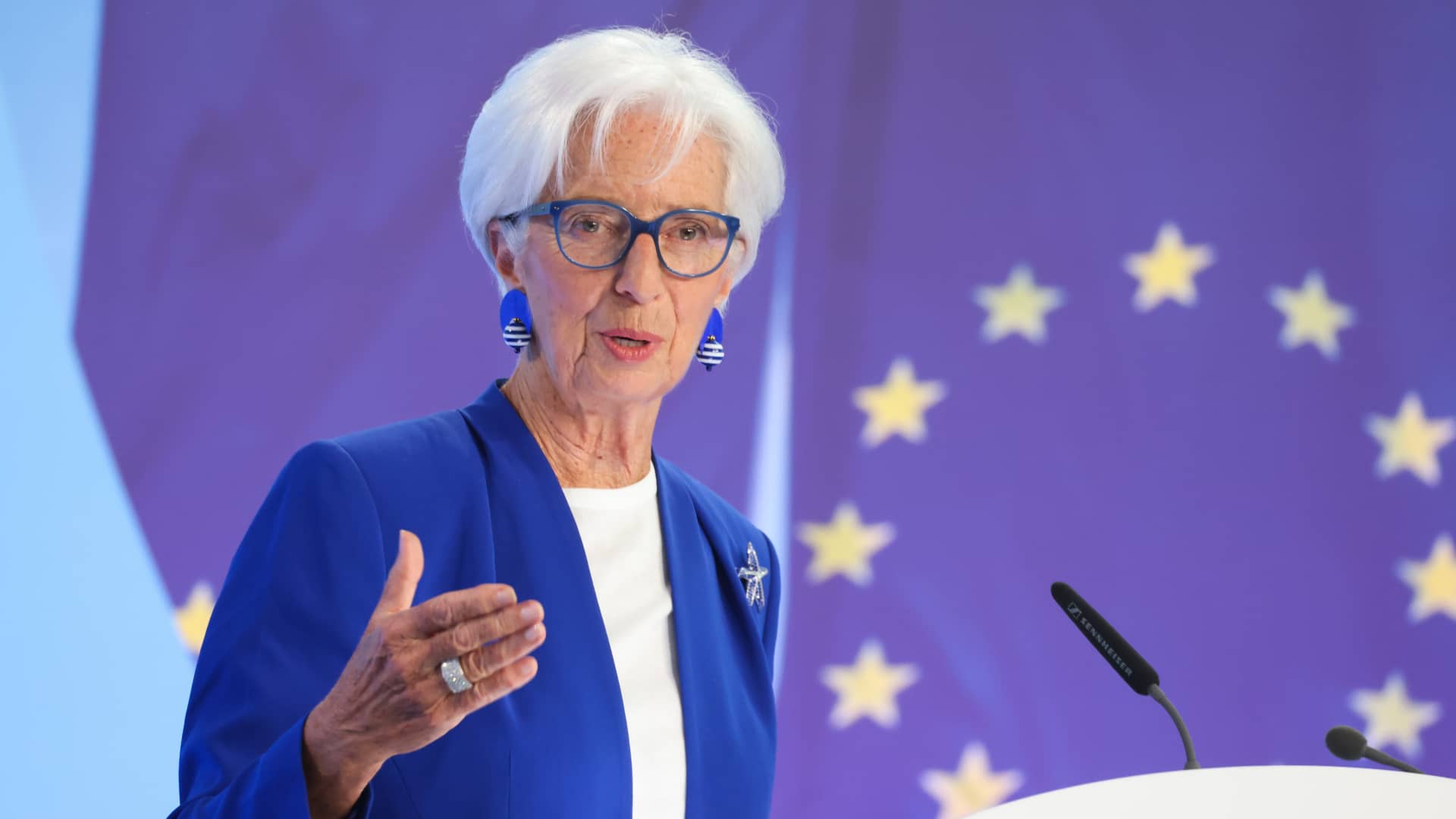
The European Central Bank (ECB) has announced its first interest rate hike since 2023, raising its key rate by a quarter-point to 2.25%. This pivotal decision underscores the central bank’s firm resolve to tackle persistent inflationary pressures, primarily driven by the escalating conflict in the Middle East and its profound impact on global energy markets.
📊 Macro-Economic Strategic Insights
- Targeting Inflation. The ECB’s move directly addresses surging inflation, now projected to average 3% in 2026 for the euro zone, far exceeding its 2% target.
- War-Driven Energy Costs. The U.S.-Iran conflict and disruptions to energy supply chains, particularly the Strait of Hormuz, are identified as primary drivers of increased commodity prices.
- Growth Outlook Trimmed. Alongside higher inflation forecasts, the ECB has revised down economic growth projections, reflecting the war’s impact on real incomes and business confidence.
Facing a challenging economic landscape, the ECB’s Governing Council enacted a 25-basis point increase, bringing the benchmark interest rate to 2.25%. This broader economic policy decision was widely anticipated by markets, with LSEG data indicating a near 100% probability of such a move. The bank explicitly stated the decision was a direct response to inflationary pressures generated by the U.S.-Iran war, which continues to destabilize energy markets and disrupt supply chains.
The conflict has led to significant upward revisions in the ECB’s inflation forecasts. Headline inflation in the euro zone is now expected to hit 3% in 2026, gradually easing to 2.3% in 2027 and 2% in 2028. This altered outlook is largely attributed to anticipated higher energy prices, which are expected to cascade into the costs of food, goods, and services across the region. Conversely, economic growth projections have been scaled back for both 2026 and 2027, with the ECB now forecasting growth of 0.8% and 1.2% respectively, before reaching 1.5% in 2028.
Christine Lagarde, President of the ECB, reiterated the central bank’s cautious stance, stating, ‘The outlook remains uncertain, with upside risks for inflation, and downside risks for economic growth. We are not pre-committing to a particular rate path.’ This sentiment highlights the fluid nature of the current economic environment, heavily influenced by geopolitical events. Deutsche Bank’s chief European economist, Mark Wall, described the ECB Interest Rate Hike as a ‘significant moment,’ noting it as the first such move by a major global central bank in response to the energy shock.
Key takeaways from the ECB’s assessment include:
- The war in the Middle East is directly fueling inflationary pressures.
- Expectations of higher energy prices will drive up costs across sectors.
- The full implications of the conflict depend on its intensity and duration, alongside ‘second-round effects’ on the economy.
- The ECB remains prepared to monitor the situation without committing to a specific future rate trajectory.
The Ripple Effect: Macroeconomic Chains in Motion
Understanding the causal links within the global economy is crucial, particularly in times of geopolitical strain. The ECB’s latest move initiates a series of economic reactions:
Rising Energy Costs → Higher Production Expenses → Increased Consumer Prices (Inflation) → ECB Interest Rate Hike → Higher Borrowing Costs for Businesses & Consumers → Reduced Investment & Spending → Slower Economic Growth → Potential for Inflation Moderation.
This chain illustrates the delicate balance central banks must maintain between taming inflation and supporting economic activity. The decision to prioritize inflation control comes with the inherent risk of dampening an already fragile growth outlook.
Understanding ‘Second-Round Effects’: In economics, ‘second-round effects’ refer to the phenomenon where an initial price shock, such as a surge in energy costs, leads to broader price increases across other goods and services, often accompanied by demands for higher wages. These effects can embed inflation more deeply into the economy, making it harder for central banks to control through monetary policy alone.
Eurozone Economic Projections: Key Metrics
The recent ECB forecasts highlight significant shifts in the macroeconomic outlook for the euro area. Here’s a snapshot of the revised projections, critical for understanding the path forward:
| Metric | 2026 Forecast | 2027 Forecast | 2028 Forecast |
|---|---|---|---|
| Headline Inflation (%) | 3.0% | 2.3% | 2.0% |
| Economic Growth (GDP %) | 0.8% | 1.2% | 1.5% |
| Key Interest Rate (%) | 2.25% (Current) | TBD | TBD |
These figures illustrate the ECB’s acknowledgment of sustained inflationary pressures while attempting to guide the economy back to its 2% inflation target in the medium term, albeit with tempered growth expectations.
Eurozone Inflationary Dynamics: Beyond Energy Shocks
While the immediate impetus for the ECB’s rate hike is the surge in energy costs linked to geopolitical tensions, it’s crucial to examine the underlying inflationary dynamics within the Eurozone. Supply chain disruptions, wage pressures, and robust consumer demand in certain sectors were already contributing to price increases before the latest energy shock. The ECB’s challenge now is to distinguish between transient, supply-side inflation and more entrenched, demand-driven pressures. Failure to address the latter could lead to a more prolonged period of elevated inflation, necessitating further restrictive monetary policy that risks stifling economic recovery. The interplay of fiscal policies across member states will also play a critical role, as divergent approaches could either exacerbate or alleviate the ECB’s efforts.
Assessing Macro Stability in Geopolitical Volatility
The current environment underscores the profound link between geopolitics and macro-stability. The Iran war is not merely an external shock; it’s a systemic risk factor impacting global trade routes, commodity prices, and investor confidence. For the Eurozone, heavily reliant on energy imports, this volatility translates directly into inflation and reduced purchasing power. Central banks, including the ECB, are now grappling with a new paradigm where traditional monetary policy tools must contend with non-economic exogenous shocks. This situation demands a more agile and forward-looking approach to risk management, as prolonged geopolitical instability could lead to a fundamental re-evaluation of global supply chain resilience and energy independence strategies, with significant long-term implications for economic growth and stability. Insights from Reuters’ global market insights highlight the widespread impact.
ECB Interest Rate Hike: Charting the Eurozone’s Economic Future
The ECB’s recent ECB Interest Rate Hike marks a decisive step to rein in inflation, albeit with a clear acknowledgment of growth risks. The path forward remains fraught with uncertainty, heavily dependent on the evolving geopolitical landscape and its impact on energy markets. This decision sets a precedent for how major central banks might navigate future inflation shocks originating from external geopolitical events.
- The ECB demonstrates a strong commitment to its inflation mandate, even at the cost of tempering growth projections.
- Future policy decisions will be data-dependent, with no pre-commitment to a specific rate hike cycle.
- The ongoing Middle East conflict remains the primary external risk factor influencing both inflation and growth outlooks.
How effectively can the Eurozone economy absorb higher borrowing costs while simultaneously battling external energy shocks and maintaining systemic growth?
📊 StockXpo Analyst’s View
Market Impact: This ECB Interest Rate Hike signals a hawkish tilt, which might lead to initial volatility in European equities and bond markets, particularly for rate-sensitive sectors. However, the clarity of action could also provide some stability by reinforcing the ECB’s commitment to price stability. We expect moderate upward pressure on the euro as carry trade becomes more attractive.
Sector To Watch: Energy-intensive industries, such as chemicals and manufacturing, will face continued cost pressures, potentially impacting their margins. Conversely, financial institutions could see an uptick in profitability from wider net interest margins. Investors seeking a deeper understanding of market trends should closely monitor earnings reports from these sectors for forward guidance.
Financial Disclaimer:
StockXpo.com is a financial news aggregator and educational portal, not a registered investment advisor or broker-dealer. All information, news, and analysis provided herein are strictly for educational purposes and do not constitute investment, financial, legal, or tax advice. Investing in the stock market involves high risks, and past performance is not indicative of future results. StockXpo will not be liable for any financial losses or investment damages. Always consult a certified financial advisor before making market decisions.
MORE IN INSIDE ECONOMY
Trump Economic Approval Plummets: A Warning for Macro Stability
Published: Thursday, October 22, 2026 · 9:12 AM

UK Inflation Jumps to 3.5%: Cementing Rate Hike Expectations
Published: Wednesday, October 21, 2026 · 2:51 AM