Published: Wednesday, June 17, 2026 · 7:06 AM | Updated: Wednesday, June 17, 2026 · 7:06 AM
📊 247 views




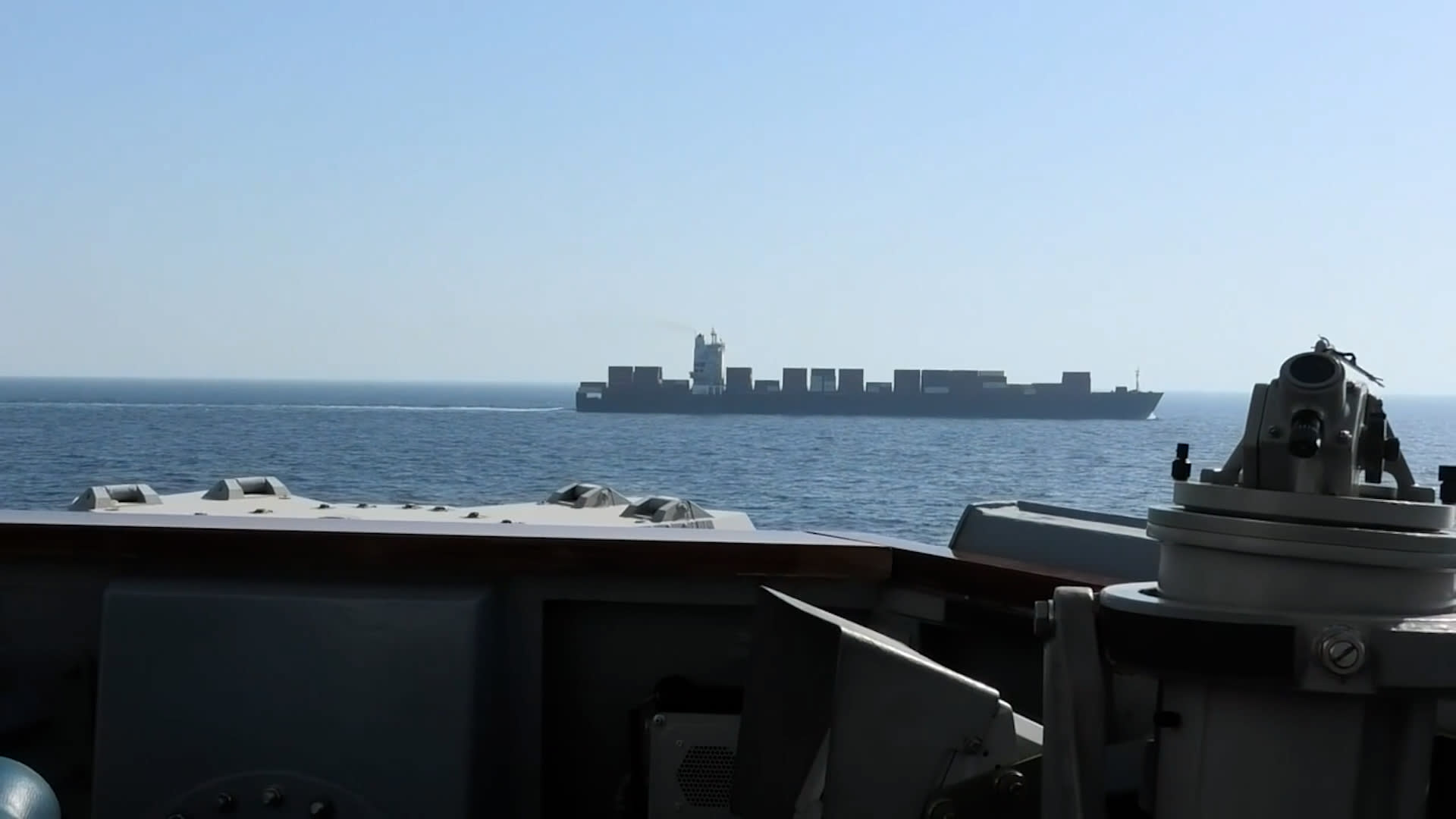
The emergence of Iranian tankers from U.S. blockades marks a significant turning point for global energy markets. With a U.S.-Iran deal imminent, the anticipated reopening of the Strait of Hormuz could fundamentally alter oil supply dynamics and alleviate months of shipping disruptions, profoundly impacting macro-stability.
📊 Macro-Economic Strategic Insights
- Geopolitical Thaw. A pending U.S.-Iran deal to reopen the Strait of Hormuz after a four-month blockade suggests a de-escalation of regional tensions.
- Oil Supply Surge. The release of millions of barrels of Iranian crude oil into the market is expected, potentially easing global supply constraints.
- Shipping Sector Caution. While some shipowners are repositioning, the maritime industry remains wary, demanding guarantees of sustained safety and stable war-risk premiums.
The recent movement of at least three Iranian tankers, including sanctioned vessels like Diona and Hero 2, carrying nearly five million barrels of crude oil, signals an impending shift in global oil trade. This outbound shipment, the first in two months, directly precedes a formal U.S.-Iran deal signing in Geneva, which is widely expected to reopen the critical Strait of Hormuz and waive sanctions on Iranian oil sales. Shipowners, battered by soaring freight costs and war-risk insurance premiums, are cautiously watching developments, with some already repositioning vessels towards Gulf ports.
Washington’s readiness to allow Tehran immediate oil sales post-agreement, in exchange for nuclear program commitments, as reported by The Wall Street Journal, underscores the economic leverage at play. The Strait of Hormuz, a conduit for approximately a fifth of the world’s oil before the conflict, has been effectively closed, disrupting energy flows and stranding hundreds of vessels. This blockade, enforced by the U.S. Navy, has severely constrained Iran’s ability to export its primary commodity, creating a complex web of economic pressures.
Industry observers, such as Michelle Wiese Bockmann from Windward, note that the departure of these tankers indicates broader preparations among Iranian-trading vessels to resume operations. However, the maritime sector is reacting with ‘wary disbelief’ rather than immediate celebration, according to Lloyd’s List Intelligence. Insurers are maintaining high war-risk premiums, awaiting ‘solid evidence’ of lasting safety. Market participants closely monitor geopolitical developments, with recent analyses published by leading economic news outlets confirming the cautious sentiment.
- Immediate Supply Impact: A potential surge of 118 laden tankers exiting the region within 15 days post-deal, as estimated by Kpler, could inject significant crude volumes into the market.
- Freight Market Dynamics: While an initial rush is anticipated, experts like Niels Rasmussen of BIMCO suggest that a durable recovery of traffic hinges on consistent safety assurances.
- Geopolitical Stability: The fragility of the reprieve, rather than a return to normality, remains a core concern for long-term planning and investment analysis, as noted by Lloyd’s analysts.
The U.S. Navy has reiterated that blockades remain active until the agreement is formally signed, underscoring the delicate balance of anticipation and reality. Accessing comprehensive insights into global economic shifts helps investors navigate these complexities.
The Ripple Effect: Economic Cause and Effect
U.S.-Iran Deal → Sanctions Waiver on Oil Sales → Increased Iranian Oil Supply → Potential Decline in Global Oil Prices.
Strait of Hormuz Reopening → Reduced Shipping Risk & Insurance Premiums → Lower Freight Costs → Increased Efficiency in Global Energy Logistics.
Increased Oil Supply → Easing Inflationary Pressures from Energy Costs → Enhanced Consumer Spending Power → Boost for Overall economic policy and systemic growth.
The reopening of the Strait of Hormuz is more than a simple supply-side adjustment; it’s a recalibration of geopolitical risk in energy markets. Companies operating within the logistics and refining sectors must prepare not just for increased throughput but for a potential shift in long-term hedging strategies and supply chain resilience against renewed regional volatility.
Key Oil Flow Metrics
- Current Tanker Movement: 3 Iranian tankers (Diona, Hero 2, one unnamed) exited U.S. blockade.
- Volume of Crude Released: Approximately 4.8 million barrels (3.8 million from Diona/Hero 2, 1 million from third tanker).
- Estimated Backlog Post-Deal: Up to 118 laden tankers could exit the region within 15 days.
- Pre-War Global Oil Flow: About 20% of the world’s oil transited the Strait of Hormuz.
These figures highlight the significant immediate impact on crude supply and the logistical challenges awaiting the shipping sector.
What Global Benchmarking Reveals About Oil Prices
The reintroduction of significant Iranian crude volumes onto the market could put downward pressure on international oil benchmarks like Brent and WTI. While the market has largely priced in some anticipation of this deal, the actual flow and the speed of integration will be crucial. Competing factors, such as OPEC+ production decisions and global demand shifts, will determine the long-term price trajectory. The resumption of Iranian exports also forces a re-evaluation of energy diversification strategies for nations heavily reliant on Middle Eastern crude. Keeping an eye on these global trends can offer valuable educational insights for investors. For a deeper dive into how oil market dynamics impact global trade, consult reports from prominent financial news services.
Navigating Inflationary Risks from Energy Cost Volatility
The easing of tensions in the Strait of Hormuz and the potential for increased oil supply represent a welcome reprieve from energy-driven inflationary pressures. For months, elevated crude prices, fueled by supply disruptions and geopolitical uncertainty, have contributed to higher costs across various sectors. A sustained period of stable or declining oil prices could translate into lower input costs for businesses and reduced consumer energy bills, potentially allowing central banks more flexibility in their monetary policy decisions. However, the inherent volatility of the region means that inflationary risks linked to energy prices remain a perennial concern.
The Ripple Effect of Iranian Tankers on 2026 Global Markets
The imminent U.S.-Iran deal and the subsequent release of Iranian tankers from blockade signal a profound shift in global energy geopolitics and market dynamics. While the immediate influx of crude promises to stabilize supply, the maritime industry’s cautious optimism reflects deep-seated concerns about sustained safety and the fragility of any political détente.
- The deal is poised to unlock millions of barrels of crude, impacting global oil prices and supply chains.
- Shipping and insurance sectors face a cautious return to normality, demanding long-term security assurances.
- Macro-economic stability stands to benefit from potentially lower energy costs, easing inflationary pressures.
Will this fragile reprieve truly usher in a new era of energy stability, or are hidden risks still lurking in the Strait of Hormuz?
📊 StockXpo Analyst’s View
Market Impact: This development will likely lead to an immediate, albeit cautious, positive sentiment across global stock markets, particularly for energy-consuming nations. While oil prices may see an initial dip due to increased supply, the broader easing of geopolitical tensions reduces systemic risk, which could boost investor confidence. Liquidity in the crude oil futures market is also expected to improve.
Sector To Watch: The shipping and logistics sectors, especially those involved in Very Large Crude Carriers (VLCCs), stand to gain from resumed activity, though profitability will hinge on the sustained safety of transit routes and a moderation of war-risk premiums. Energy majors with diversified portfolios may see a slight rebalancing of their crude sourcing, while refineries could benefit from a wider array of supply options.
Financial Disclaimer:
StockXpo.com is a financial news aggregator and educational portal, not a registered investment advisor or broker-dealer. All information, news, and analysis provided herein are strictly for educational purposes and do not constitute investment, financial, legal, or tax advice. Investing in the stock market involves high risks, and past performance is not indicative of future results. StockXpo will not be liable for any financial losses or investment damages. Always consult a certified financial advisor before making market decisions.
MORE IN INSIDE ECONOMY
Trump Economic Approval Plummets: A Warning for Macro Stability
Published: Thursday, October 22, 2026 · 9:12 AM

UK Inflation Jumps to 3.5%: Cementing Rate Hike Expectations
Published: Wednesday, October 21, 2026 · 2:51 AM