Published: Thursday, July 9, 2026 · 9:27 PM | Updated: Thursday, July 9, 2026 · 9:27 PM
📊 181 views




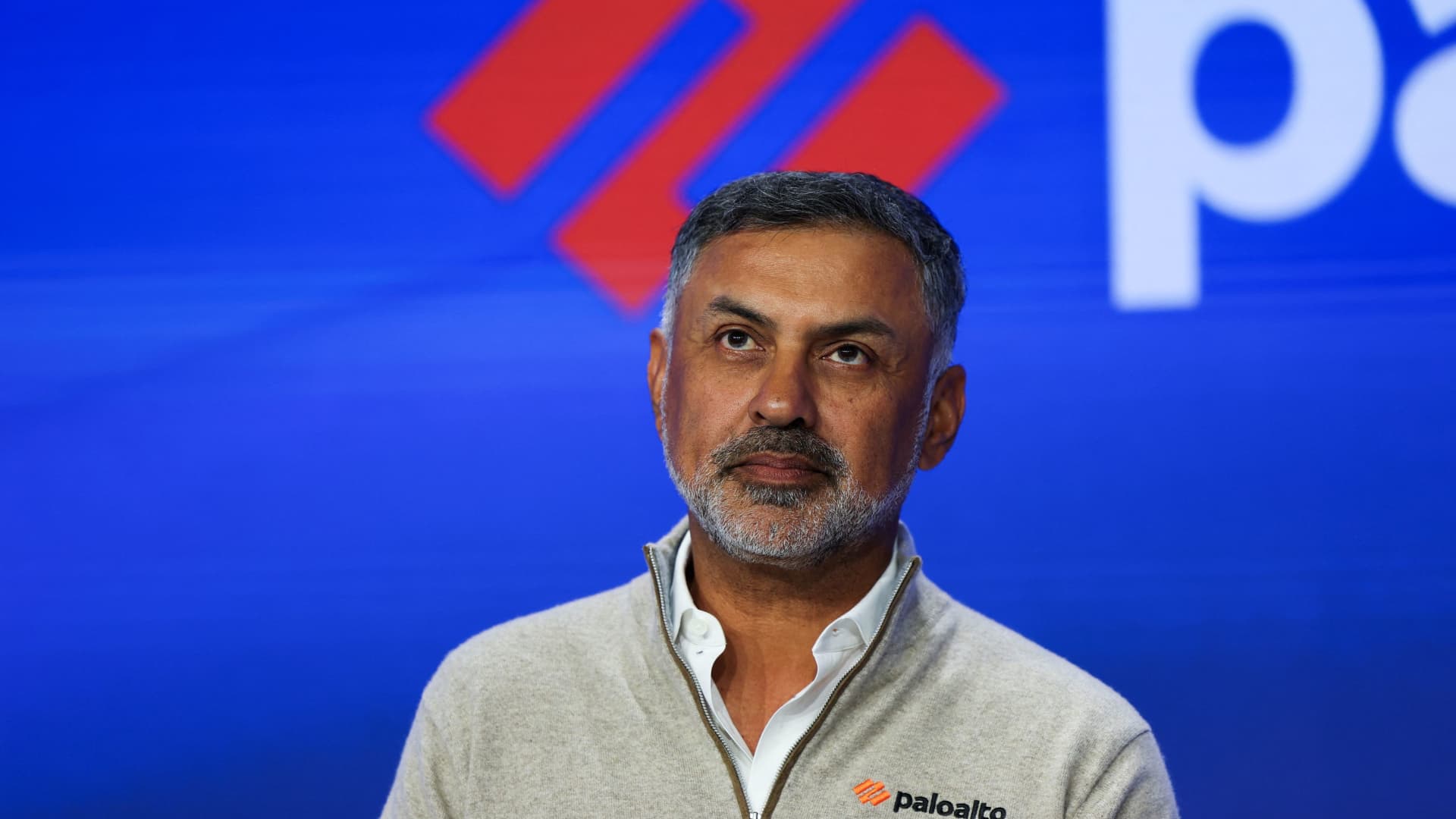
Palo Alto Networks CEO Nikesh Arora has issued a stark warning: the cost of Artificial Intelligence, particularly token-based pricing, must decrease by as much as 90% to facilitate widespread enterprise adoption. This sentiment highlights a growing concern within the tech industry regarding the economic viability of scaling advanced AI solutions.
🚀 Tech Strategy & Market Disruptions
- Token Cost Barrier. Current token pricing models for AI are proving prohibitively expensive, creating a significant hurdle for businesses looking to integrate AI into their operations.
- Efficiency vs. Cost. While AI models are becoming more token-efficient, as seen with OpenAI’s latest release, the actual cost reduction needs to be far more dramatic to spur mass adoption.
- Alternative Models Emerge. The high cost of proprietary AI solutions is driving interest in more cost-effective open-weight models, a trend that could reshape the competitive landscape.
The Skyrocketing Cost of AI Tokens
Arora’s comments follow reports of OpenAI’s new model offering a 54% improvement in token efficiency for coding tasks. While this is seen as a positive step, the Palo Alto Networks chief believes it’s just the beginning. He stated that token efficiency needs to improve to 20% within the next year and a staggering 90% by the following year. The current pricing structure, he argues, makes AI tools increasingly challenging for businesses to implement, placing a strain on already stretched AI budgets.
This pressure on AI spending is not unique to Palo Alto Networks. Other industry leaders are also voicing similar concerns. Palantir CEO Alex Karp recently criticized the token model used by major AI labs like OpenAI and Anthropic, advocating for open-weight models as a potential solution to the escalating costs. The prevailing sentiment among enterprises is that the current token system encourages inefficient usage and wasted resources, prompting many to explore cheaper open-weight alternatives, including rapidly advancing Chinese AI models.
The demand for AI capabilities remains theoretically infinite, driving substantial infrastructure build-outs and investment. Tech giants are actively seeking new capital streams to fund these initiatives, with companies like SpaceX and Amazon recently raising billions in debt offerings specifically to support AI-related investments. Arora suggests that the market will eventually reach a point of equilibrium, either through cost rationalization by AI providers or through business model adjustments as the technology matures and becomes more efficient. For a deeper dive into evolving emerging technologies, understanding the economic drivers is paramount.
The current economic model of AI is facing scrutiny. As enterprises grapple with the financial implications of large-scale AI deployment, the industry is at a crossroads. The focus on token efficiency is a clear signal that accessibility and cost-effectiveness are becoming as critical as the capabilities themselves. This dynamic is forcing a re-evaluation of how AI services are priced and delivered.
- The 90% Reduction Target: Arora’s ambitious goal for AI pricing reduction underscores the perceived disconnect between the current cost of AI services and what businesses can sustainably afford for broad adoption.
- OpenAI’s Efficiency Gains: While OpenAI’s latest model shows improved token efficiency, it is viewed as an incremental step rather than a solution to the core cost problem.
- Enterprise AI Budgets: Soaring token costs are directly impacting enterprise AI budgets, creating a bottleneck for innovation and implementation across various sectors.
The current token-based pricing model for advanced AI, while a mechanism for monetizing computational resources, has become a significant barrier to the very mass adoption it seeks to enable. A fundamental shift in cost structure is required for AI to transition from a specialized tool to a ubiquitous business utility.
Palo Alto Networks’ Platform Architecture
Palo Alto Networks, a leader in cybersecurity, is heavily invested in AI to enhance its security offerings. The company’s platform architecture is designed to leverage AI and machine learning for real-time threat detection, automated response, and predictive analytics. This integration aims to provide customers with more proactive and intelligent security solutions, moving beyond traditional signature-based detection methods. The underlying infrastructure must be robust enough to process vast amounts of data while maintaining low latency, a challenge amplified by the cost of AI processing.
Market Adoption Challenges for AI Pricing
The primary challenge for AI adoption, as highlighted by Arora, is the prohibitive cost associated with its current pricing models. Businesses, particularly small and medium-sized enterprises, find it difficult to allocate the necessary capital for AI tools when token consumption can escalate rapidly and unpredictably. This financial barrier risks creating a digital divide, where only larger corporations can fully leverage the benefits of advanced AI, thus slowing down overall innovation and technology market trends.
The Future of AI Cost Rationalization
Arora predicts that the market will eventually correct itself, either through further technological advancements that drastically reduce costs or through a strategic shift in how AI is provisioned and consumed. The infinite demand for AI services, coupled with the increasing efficiency of hardware and software, suggests a downward pressure on pricing over time. This anticipated rationalization is crucial for unlocking the full potential of AI across all industries and is a key consideration for innovation-driven growth. You can find more insights on educational tech insights here.
AI Cost Reduction: A Turning Point for Enterprise Integration
The urgent call for a 90% reduction in AI pricing by Palo Alto Networks CEO Nikesh Arora signals a critical juncture for enterprise AI adoption. While significant progress has been made in AI capabilities, the economic model is proving to be a major impediment. This situation necessitates a re-evaluation of how AI services are priced and delivered to ensure broader accessibility and unlock the technology’s full transformative potential.
- Significant cost reductions are essential for AI to move beyond niche applications and become a foundational technology for businesses of all sizes.
- The current economic model may inadvertently favor well-funded enterprises, potentially hindering widespread market disruption and innovation.
- Expect further industry debate and innovation focused on cost-effective AI deployment strategies, including open-source solutions and optimized infrastructure.
Will AI pricing shifts democratize advanced intelligence, or will they lead to further market segmentation?
📊 StockXpo Analyst’s View
Market Impact: The assertion from a major cybersecurity and AI player like Palo Alto Networks that AI pricing needs a 90% drop is a strong signal to the market. It suggests potential margin compression for AI providers but also a significant opportunity for increased adoption and application across sectors like cybersecurity, healthcare, and manufacturing, which are sensitive to operational costs. Investors should watch for companies that can demonstrate a clear path to cost efficiency in their AI offerings. Companies focused on optimizing inference costs or leveraging more efficient model architectures may see increased investor interest.
Sector To Watch: Cybersecurity solutions leveraging AI are poised for substantial growth if AI becomes more affordable. Companies that can integrate advanced AI capabilities into their offerings at a lower price point could disrupt the existing market. Additionally, industries heavily reliant on data processing and automation, such as logistics and financial services, will likely see accelerated AI integration.
Financial Disclaimer:
StockXpo.com is a financial news aggregator and educational portal, not a registered investment advisor or broker-dealer. All information, news, and analysis provided herein are strictly for educational purposes and do not constitute investment, financial, legal, or tax advice. Investing in the stock market involves high risks, and past performance is not indicative of future results. StockXpo will not be liable for any financial losses or investment damages. Always consult a certified financial advisor before making market decisions.
MORE IN INSIDE TECHNOLOGY

Bond Yields Under Pressure: IMF Warns of ‘Disorderly’ Spike Driven by AI Debt and Inflation
Published: Tuesday, October 13, 2026 · 1:21 AM
AI Breakthroughs: TikTok CEO Predicts Major Scientific Leap Within Three Years
Published: Monday, October 12, 2026 · 2:40 AM