Published: Thursday, July 9, 2026 · 2:43 PM | Updated: Thursday, July 9, 2026 · 2:43 PM
📊 215 views




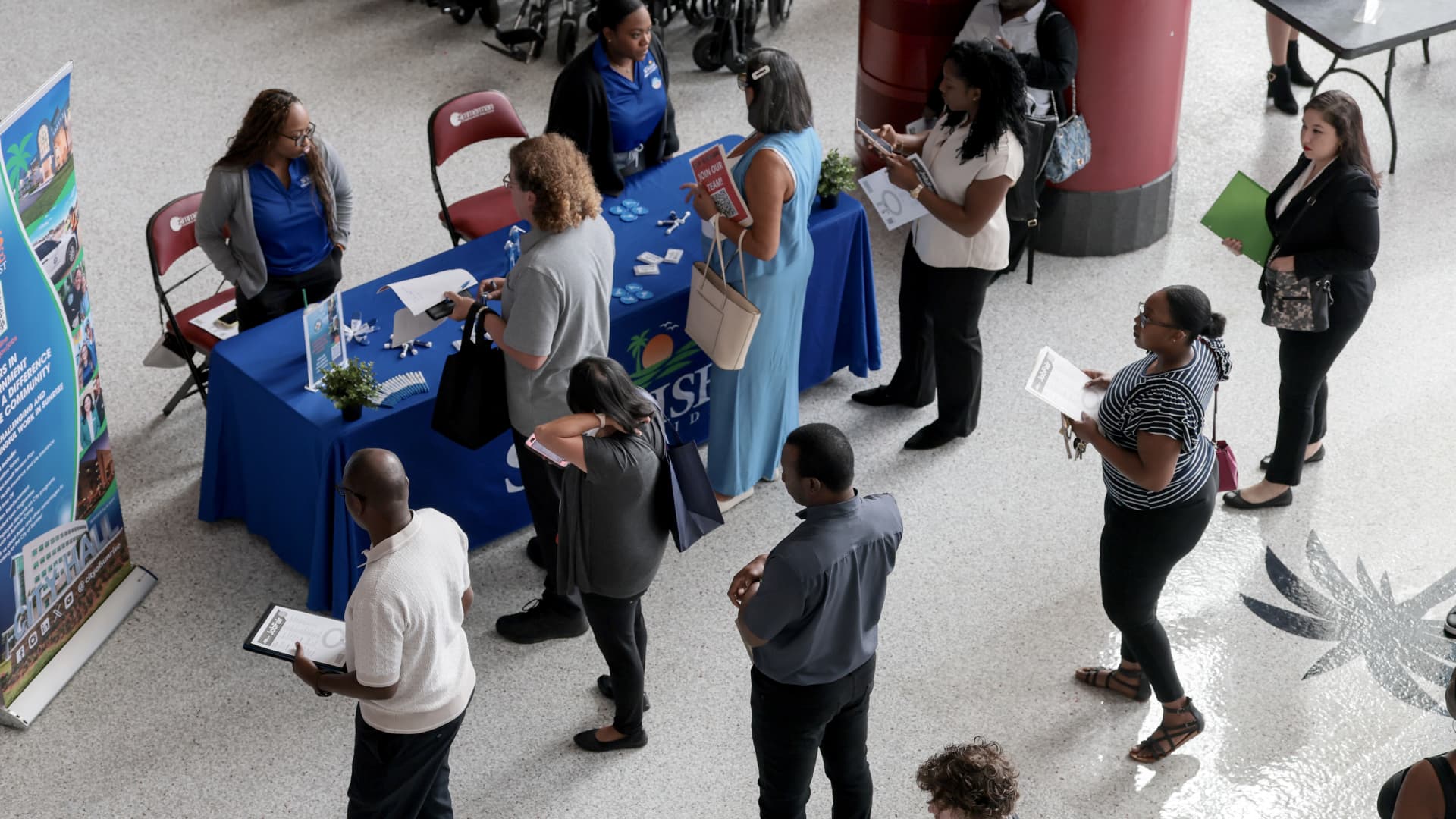
The latest jobs report, while seemingly positive with a drop in the unemployment rate, unveils a concerning reality beneath the surface. A significant decline in the labor force participation rate to levels not seen in 50 years (outside the brief COVID-era anomaly) points to a shrinking workforce and potential structural weaknesses that could impede long-term macro-stability and systemic growth. This shift demands immediate attention from policymakers and market strategists.
📊 Macro-Economic Strategic Insights
- Unemployment Rate Misdirection. The drop to 4.2% unemployment is largely a statistical artifact of workers exiting the labor force, masking a weaker underlying job market.
- Prime-Age Worker Exodus. Contrary to popular belief, the decline isn’t solely driven by retirees; a substantial number of workers aged 25-54 are also leaving the workforce.
- Long-Term Growth Implications. A shrinking active workforce threatens future productivity, consumer spending, and the nation’s capacity for sustained economic expansion.
Bureau of Labor Statistics (BLS) data for June 2026 reveals a decline in the jobless level to 4.2%, its lowest in a year. However, this positive headline belies a more troubling trend: the working-age population either employed or actively seeking work slid to 61.5%, marking the lowest labor force participation rate since March 2021. When excluding the immediate COVID-era distortions, this figure represents a 50-year low, underscoring a profound shift in the employment landscape. The total labor force contracted by a staggering 720,000 individuals in June alone, while those categorized as ‘not in the labor force’ surged by 832,000.
The narrative of this decline often points to retiring baby boomers or a shrinking immigrant population. Yet, the latest data challenges this simplistic explanation. Dan North, senior economist at Allianz, expressed concern, noting that the steepest plunge in participation came from ‘prime-age’ workers, those between 25 and 54, whose rate fell 0.6 percentage points to 83.3%—the lowest since December 2023. This suggests deeper structural issues are at play, possibly including discouraged workers giving up on their job search. RBC’s head of U.S. economics, Mike Reid, termed this a ‘massive exodus,’ driven by potential retirements but also by prior job seekers simply dropping out. This trend suggests fundamental shifts in how people engage with the economy, impacting everything from stock markets to long-term national productivity.
While the establishment survey showed a modest growth of 57,000 jobs filled, the household survey, which counts individuals, indicated a tumble of 507,000 in the number of working people. On a year-over-year basis, the labor force is down by over 1 million, with the employed tally falling by 1.06 million, even as unemployment registers only a minor uptick of 40,000. Heather Long, chief economist at Navy Federal Credit Union, noted the shock of ‘720,000 people stop looking for work entirely and the hospitality sector shed jobs,’ highlighting limited opportunities despite a seemingly improved market compared to a year ago. Understanding these nuanced shifts is crucial for developing sound economic policy decisions.
What This Data Really Signals
- The 4.2% unemployment rate, while historically low, is distorted by a shrinking pool of active job seekers, not by robust job creation for all.
- The decline in prime-age worker participation suggests broader societal or structural factors, beyond demographics, are discouraging engagement.
- A sustained contraction in the workforce could lead to wage inflation as companies struggle to find talent, even if overall demand is moderate.
The Ripple Effect: Economic Consequences
The ongoing contraction in the active workforce sets off a series of economic consequences:
- Reduced Labor Supply → Increased Wage Pressure → Higher Business Costs → Potential Inflationary Pressures
- Fewer Active Job Seekers → Slower Economic Growth → Reduced Consumer Spending Capacity → Less Investment
- Eroding Employment-to-Population Ratio → Lower Tax Revenue → Strain on Public Services → Fiscal Imbalances
The Labor Force Participation Rate is a critical economic indicator representing the percentage of the working-age population (typically 16 years and older) that is either employed or actively looking for work. A falling rate indicates fewer people are contributing to the economy’s productive capacity, signaling potential long-term challenges for growth and innovation.
Key Labor Market Metrics: A Closer Look
| Metric | June 2026 Value | Significance |
|---|---|---|
| Unemployment Rate | 4.2% | Lowest in a year, but misleading due to falling participation. |
| Labor Force Participation Rate | 61.5% | 50-year low (ex-COVID), indicates significant workforce contraction. |
| Prime-Age Participation (25-54) | 83.3% | Lowest since Dec 2023, refutes solely demographic explanations. |
| Monthly Labor Force Decline | -720,000 | Sharp monthly reduction in active job seekers/employed. |
| Year-over-Year Labor Force Decline | -1,000,000+ | Persistent, long-term trend of workforce shrinkage. |
U.S. Policy Commentary on Workforce Shrinkage
The U.S. Federal Reserve and Treasury Department are likely monitoring these labor force dynamics closely, as a sustained decline in participation complicates both monetary and fiscal policy objectives. A shrinking workforce can lead to ‘supply-side’ inflation, where even moderate demand can drive up wages and prices due to labor scarcity. Policymakers face the challenge of boosting labor supply without overheating an economy already facing inflation concerns. Initiatives to incentivize re-entry, reskill workers, or address childcare barriers could become central to future economic strategies. Such discussions are often highlighted in broader economic commentary from leading financial newsrooms.
Global Benchmarking: Developed Nations and Labor Trends
Comparing the U.S. labor force participation rate to other developed nations reveals a mixed picture. While many industrialized economies grapple with aging populations, the sharp, recent decline in prime-age workers in the U.S. stands out. Countries like Japan have implemented extensive policies to encourage older workers and women back into the workforce, often through flexible work arrangements and enhanced social support. European nations, contending with similar demographic shifts, also show varying degrees of success in maintaining robust participation. This global context offers valuable lessons for U.S. policymakers seeking to understand the unique drivers of its workforce contraction and potential solutions, frequently discussed in publications like Reuters’ economic analyses.
The Labor Force Participation Rate: A Critical Juncture for Economic Stability
The unexpected and significant drop in the labor force participation rate presents a critical juncture for assessing the fundamental health of the U.S. economy. This trend, if unaddressed, threatens to undermine the nation’s productive capacity and long-term competitiveness. Understanding the motivations behind this exodus—whether it’s early retirements, skill mismatches, or structural disincentives—is paramount.
- The 50-year low in participation signals persistent challenges that transcend cyclical economic fluctuations.
- Policymakers must move beyond headline unemployment rates to address the deeper structural issues driving workers out of the market.
- A proactive approach focusing on workforce development and incentives for re-engagement is essential to sustain future growth.
How will this evolving labor market reshape investment analysis and contribute to new insights on systemic growth and financial trends for educational insights?
### 📊 StockXpo Analyst’s View
Market Impact: This contraction in the labor force participation rate implies persistent labor scarcity, which could sustain wage growth pressures even amid slowing economic activity. This scenario complicates the Federal Reserve’s inflation fight and may keep interest rates higher for longer, impacting equity valuations, particularly for labor-intensive sectors. Investor sentiment might become more cautious regarding the sustainability of economic growth.
Sector To Watch: Industries heavily reliant on a broad labor pool, such as leisure and hospitality, retail, and manufacturing, will face continued operational challenges and increased labor costs. Technology and automation sectors, conversely, could see increased investment as companies seek solutions to mitigate labor shortages and enhance productivity.
Financial Disclaimer:
StockXpo.com is a financial news aggregator and educational portal, not a registered investment advisor or broker-dealer. All information, news, and analysis provided herein are strictly for educational purposes and do not constitute investment, financial, legal, or tax advice. Investing in the stock market involves high risks, and past performance is not indicative of future results. StockXpo will not be liable for any financial losses or investment damages. Always consult a certified financial advisor before making market decisions.
MORE IN INSIDE ECONOMY

Western Populations’ Shrinkage: A Looming Fiscal Warning by 2029
Published: Monday, October 5, 2026 · 3:15 AM

Labor Market Weakness: September Jobs Report Signals Economic Shift
Published: Friday, October 2, 2026 · 10:08 AM