Published: Thursday, July 9, 2026 · 3:14 PM | Updated: Thursday, July 9, 2026 · 3:14 PM
📊 226 views




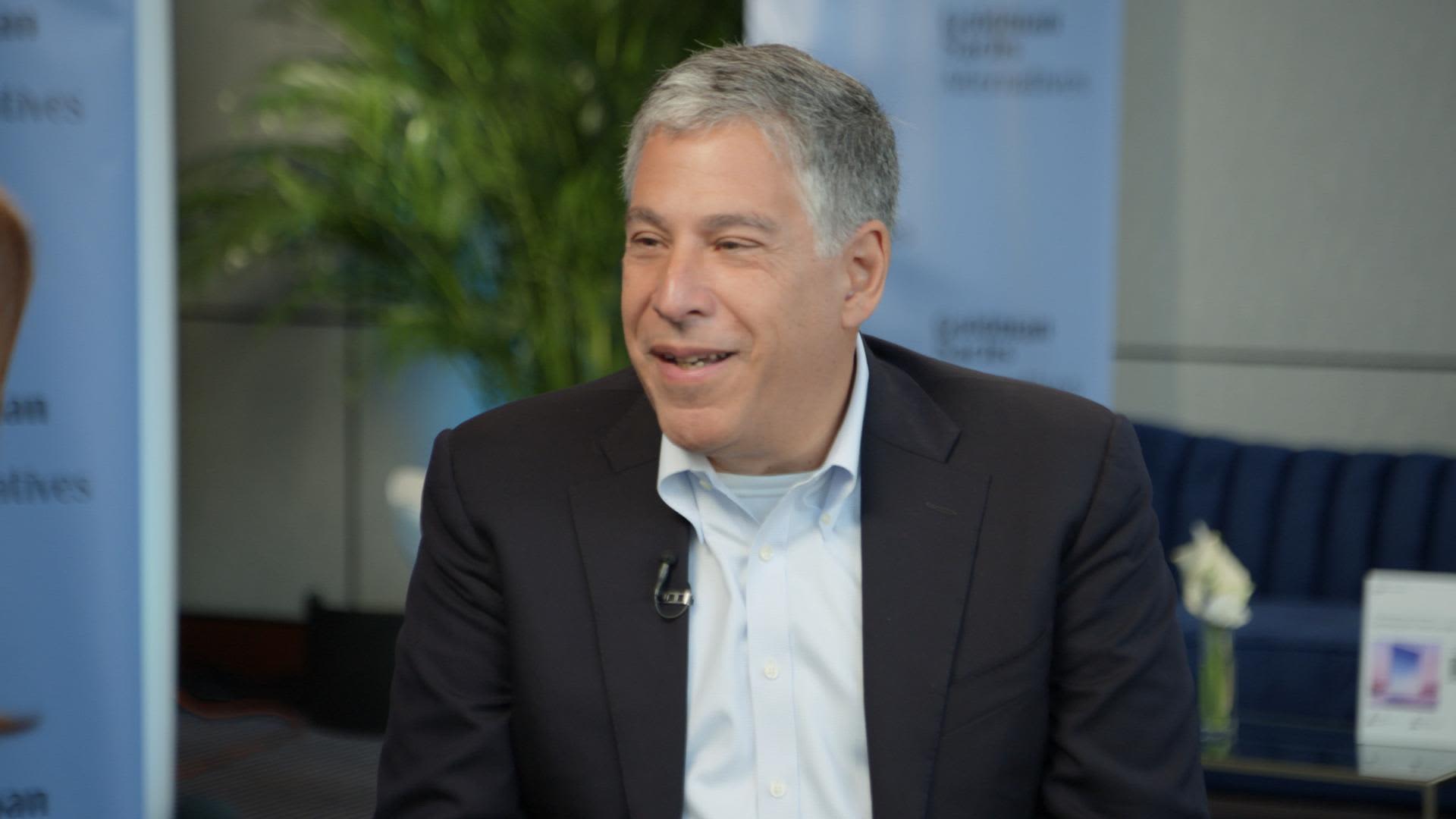
Goldman Sachs has significantly bolstered its asset management division, securing approximately $70 billion in new mandates from corporate giants Verizon Communications and Lockheed Martin. This substantial inflow underscores a growing trend among America’s largest employers to outsource the complex management of retirement assets, signaling a strategic reorientation in institutional investing.
The move solidifies Goldman’s position in the highly competitive outsourced chief investment officer (OCIO) market, providing a stable, recurring revenue stream amidst traditionally volatile investment banking and trading operations.
💰 Financial Strategy & Market Insights
- Goldman’s Landmark Win. Goldman Sachs secured $70 billion in new Asset Management Deals from Verizon and Lockheed Martin, signifying a major expansion in its asset and wealth management division.
- Outsourcing Trend Accelerates. Large corporations are increasingly delegating complex retirement asset management to specialized external firms due to the intricate nature of public and private market investments.
- Shift Towards Stable Revenue. These long-term institutional mandates provide Goldman Sachs with consistent, fee-based revenue, diversifying its earnings away from more volatile trading and investment banking operations.
The recent announcements highlight a critical juncture in how major corporations approach retirement plan oversight. As portfolios grow increasingly complex, demanding specialized expertise across diverse public and private market asset classes, the appeal of entrusting these responsibilities to external firms like Goldman Sachs becomes evident. This trend reflects a broader capital reallocation within the financial sector, where specialized knowledge and robust platforms offer significant advantages in navigating intricate investment landscapes.
Goldman Sachs’s successful bid includes $30 billion in pension assets from Verizon and Lockheed Martin, alongside an additional $40 billion in Verizon’s defined-contribution retirement assets, commonly known as 401(k) plans. This significant influx strengthens Goldman’s outsourced chief investment officer business, which already managed approximately $480 billion in assets as of March 31. The firm’s broader asset and wealth management division currently oversees roughly $3.7 trillion worth of investments, as reported by CNBC.
The market for managing multitrillion-dollar retirement assets is fiercely competitive, with key players including BlackRock, Russell Investments, and Mercer vying for mandates. The long-term nature of these institutional arrangements generates predictable fee revenues, which are highly attractive to financial institutions seeking to balance their revenue streams. For a deeper understanding of market movements, investors often consult market analysis from leading financial news sources.
Marc Nachmann, Goldman’s global head of asset and wealth management, emphasized this consolidation, stating, ‘Large plan sponsors are consolidating responsibilities with one partner with the investment expertise and depth of platform to manage their bespoke needs.’ This strategic imperative underscores the importance of comprehensive service offerings and a proven track record in securing these high-value mandates.
- Verizon Pension Assets: Approximately $30 billion, now managed by Goldman Sachs.
- Lockheed Martin Pension Assets: Included in the $30 billion pension mandate.
- Verizon Defined-Contribution Assets (401(k)s): Roughly $40 billion, also transferred to Goldman’s management.
The Strategic Play Behind Outsourced Capital
The shift towards outsourced capital management is more than just a convenience; it’s a strategic move for corporations facing increasing regulatory scrutiny, complex actuarial requirements, and the need for specialized investment teams. By externalizing these functions, companies like Verizon and Lockheed Martin can focus on their core operations while benefiting from the scale, diversification, and advanced analytical tools offered by global financial powerhouses. This evolution in corporate financial strategy is a significant area of focus for modern financial sector analysis.
Risk vs Reward: Navigating the Mandates
- Upside:
- Enhanced Stability: Recurring fee income from these mandates provides a buffer against volatility in Goldman’s trading and investment banking segments.
- Market Leadership: Securing such large mandates reinforces Goldman’s position as a top-tier asset manager, potentially attracting further institutional clients.
- Diversification of AUM: Expands the firm’s asset under management (AUM) across various client types, spreading risk.
- Downside Risks:
- Performance Pressure: Failure to meet or exceed performance benchmarks could jeopardize future renewals and reputational standing.
- Integration Complexity: Managing large, diverse retirement portfolios requires significant operational resources and seamless integration.
- Fee Compression: Intense competition in the OCIO market could lead to pressure on management fees over time, impacting profitability.
Expert Insight: The ‘Outsourced Chief Investment Officer’ (OCIO) model offers institutional clients access to a dedicated team of investment professionals, leveraging economies of scale, advanced risk management frameworks, and broader access to diverse asset classes, including illiquid alternatives, than they could typically achieve in-house. This expertise is critical for navigating today’s intricate global markets.
Goldman Sachs’s Asset Valuation Trends
Goldman Sachs’s strategy in these Asset Management Deals hinges on its ability to deliver superior asset valuation and risk management. With substantial assets under management, the firm employs sophisticated models to navigate market cycles, identify undervalued assets, and manage portfolio volatility. The scale of these new mandates allows for greater diversification and potentially more advantageous fee structures through bulk management.
- Goldman Sachs’s Outsourced CIO Business Assets (as of March 31): ~$480 billion
- Goldman Sachs’s Broader Asset and Wealth Management Division Assets: ~$3.7 trillion
Why Institutional Capital Shifts Matter
The trend of major corporations shifting their capital to external asset managers is indicative of broader market dynamics. It signals a recognition that specialized investment management offers a competitive edge in optimizing returns and managing risk. This move frees corporate treasuries from the operational burdens of managing complex portfolios, allowing them to allocate resources more effectively towards their primary business objectives. Understanding these fundamental shifts provides valuable educational financial insights for individual and institutional investors alike.
Goldman Sachs’s Strategic Gains: What’s Next for Asset Management?
Goldman Sachs’s latest wins underscore a clear strategic direction towards bolstering its asset and wealth management segment, aiming for more predictable, recurring revenue streams. These mandates not only increase assets under management but also validate the firm’s expertise in handling complex institutional portfolios.
- The deals mark a significant expansion of Goldman’s OCIO business.
- They highlight a continuing trend of corporations seeking specialized external management for retirement assets.
- The focus on stable fee income enhances Goldman’s overall financial resilience against market fluctuations.
Will other major financial institutions follow suit, intensifying the competition for large institutional mandates and reshaping the landscape of corporate retirement asset management?
### 📊 StockXpo Analyst’s View
Market Impact: This move by Goldman Sachs will likely intensify competition within the institutional asset management space, compelling other major players to refine their OCIO offerings and demonstrate superior risk-adjusted returns to capture similar large-scale mandates. It also signals a broader shift in institutional liquidity, where significant capital is migrating towards specialist managers.
Sector To Watch: The financial services sector, particularly asset management firms and wealth management divisions, will be a key area to monitor. Companies with robust analytics, extensive public and private market access, and a strong track record in risk management will likely gain market share. Technology providers supporting these complex portfolio management systems could also see increased demand.
Financial Disclaimer:
StockXpo.com is a financial news aggregator and educational portal, not a registered investment advisor or broker-dealer. All information, news, and analysis provided herein are strictly for educational purposes and do not constitute investment, financial, legal, or tax advice. Investing in the stock market involves high risks, and past performance is not indicative of future results. StockXpo will not be liable for any financial losses or investment damages. Always consult a certified financial advisor before making market decisions.
MORE IN INSIDE FINANCE

Singapore Haven: Stability Yields Opportunity Amid Global Volatility
Published: Tuesday, October 13, 2026 · 12:19 AM

Inflation Peak for 2026: Sticky Prices to Challenge Asset Valuations
Published: Monday, October 12, 2026 · 11:45 AM