Published: Monday, June 15, 2026 · 10:49 PM | Updated: Monday, June 15, 2026 · 10:49 PM
📊 247 views




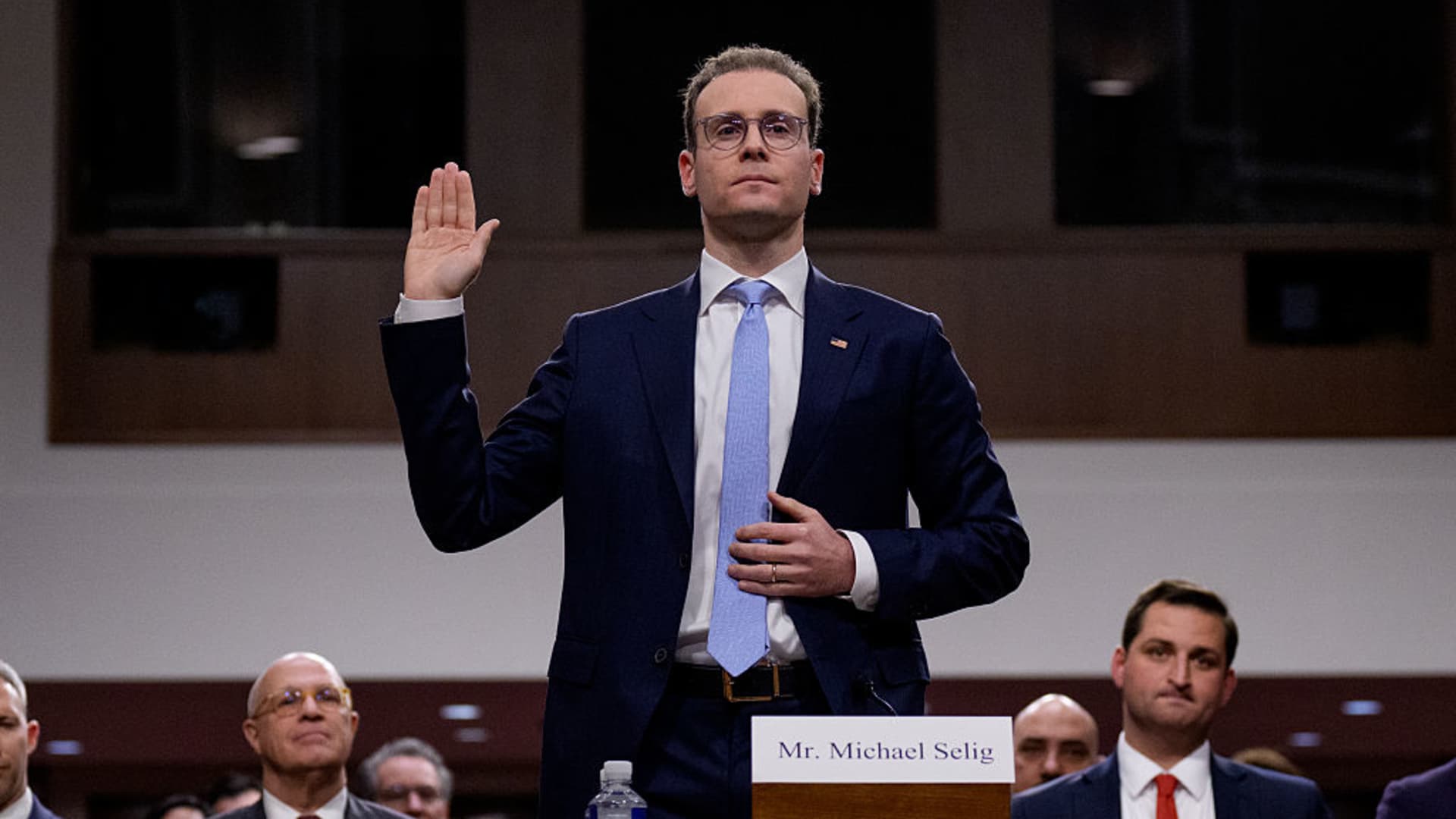
The Commodity Futures Trading Commission (CFTC) has ignited a debate within financial circles by approving regulated Perpetual Futures contracts in the U.S., a move fiercely defended by Chairman Michael Selig. This decision allows platforms like Kalshi to offer these non-expiring derivatives, initially for Bitcoin, ushering in a new era for domestic crypto markets and potentially redefining risk management paradigms.
💰 Financial Strategy & Market Insights
- Regulatory Onshoring. CFTC’s Selig emphasizes the strategy to regulate and onshore innovative financial products developed internationally, aiming for safer market participation.
- Industry Pushback. CME Group CEO Terrence Duffy voiced strong concerns over the high leverage and inherent risks associated with these complex contracts.
- Immediate Market Uptake. Kalshi reported over $3 billion in notional volume during its beta testing, demonstrating robust demand for the newly approved product.
CFTC Chair Michael Selig has publicly addressed the controversy surrounding the approval of Perpetual Futures, often referred to as ‘perps,’ in the U.S. market. Speaking on CNBC’s ‘Fast Money,’ Selig underscored the commission’s commitment to fostering innovation within a regulated framework, countering arguments from traditional finance incumbents like CME Group. The decision empowers platforms such as Kalshi to offer these continuous futures contracts, allowing traders to speculate on asset prices without owning the underlying asset or facing an expiration date.
This landmark approval, granted to Kalshi in late May, initially covered Bitcoin perpetual futures and has since expanded to other cryptocurrencies. It marks a significant shift, as these derivatives, immensely popular overseas, are now permissible domestically. Selig dismissed concerns about the complexity and high leverage associated with perps, arguing against a ‘paternalistic’ regulatory approach and emphasizing proper disclosure and broker suitability assessments. Kalshi CEO Tarek Mansour further noted that his platform’s maximum leverage of approximately six times is actually less than that offered on some CME futures contracts, challenging the narrative of excessive risk.
- The approval highlights a regulatory philosophy keen on preventing innovative financial products from remaining solely offshore, where oversight may be less stringent.
- The debate pits traditional financial institutions’ caution against the demand for novel, high-growth products in the evolving digital asset space.
- Despite criticisms, the immediate trading volume on Kalshi suggests a pent-up demand for regulated access to these speculative instruments within the U.S.
Risk vs. Reward in Crypto Derivatives
The introduction of regulated perpetual futures in the U.S. presents a dual-sided coin for investors and the broader financial sector, balancing potential gains against significant risks.
- Upside Potential:
- Market Expansion: Legalized perpetual futures can attract new institutional capital, enhancing market depth and liquidity for crypto assets.
- Innovation Onshoring: Brings previously offshore-dominated trading activities under U.S. regulatory purview, potentially increasing investor confidence and protection.
- Price Discovery: Offers new mechanisms for price discovery and hedging strategies for digital assets, contributing to more efficient markets.
- Increased Accessibility: Provides regulated avenues for sophisticated traders to engage in high-leverage speculation on crypto price movements.
- Downside Risks:
- Leverage Amplification: The inherent high leverage in perpetual futures can lead to rapid and substantial losses, particularly for inexperienced traders.
- Volatility Exposure: Cryptocurrency markets are notoriously volatile, and perps amplify this risk, requiring robust risk management frameworks.
- Regulatory Scrutiny: Despite approval, the asset class will remain under intense regulatory and public scrutiny, potentially leading to future restrictions or changes.
- Systemic Risk: Unforeseen market events or liquidations could trigger broader instability if not adequately managed across the financial sector.
Understanding Perpetual Futures: Perpetual futures are derivative contracts that enable traders to speculate on the future price of an asset, typically cryptocurrencies, without an expiration date. Unlike traditional futures, they utilize a ‘funding rate’ mechanism to keep their price closely tethered to the underlying spot market. This continuous nature, combined with often significant leverage, requires sophisticated risk management and deep understanding, as amplified price movements can lead to rapid margin calls and liquidation.
Notional Volume and Leverage Benchmarks
The initial market response to Kalshi’s perpetual futures offering provides early data points on demand and operational leverage. While not enough for a formal table, these metrics are crucial for initial assessment.
- Kalshi’s Perpetual Futures Notional Volume: Over $3 billion in just over one week of beta testing, signaling robust market interest and liquidity.
- Kalshi’s Maximum Leverage: Approximately 6 times, which is noted by Kalshi CEO Tarek Mansour as being lower than some futures contracts offered by CME Group. This comparison aims to allay fears of excessive leverage often associated with offshore crypto derivatives.
Perpetual Futures Liquidity Analysis
The introduction of regulated Perpetual Futures by Kalshi could significantly impact the liquidity landscape for crypto assets in the U.S. By providing a regulated onshore venue for these highly popular derivatives, the CFTC aims to draw trading volume from offshore platforms into a more transparent and compliant environment. Increased participation from institutional investors, who often demand regulated products, could enhance market depth, reduce bid-ask spreads, and improve overall price efficiency. This shift would not only boost trading activity but also integrate these assets more firmly into traditional financial structures, offering new avenues for comprehensive market analysis. However, the true test of liquidity will depend on factors like market maker participation, spread tightness, and the ability of platforms to handle large order flows without significant slippage, particularly during periods of high volatility.
Crypto Derivatives Market Sentiment Tracker
Market sentiment surrounding crypto derivatives in the U.S. is at a pivotal juncture following the CFTC’s approval of perpetual futures. On one hand, the move is widely seen as a legitimization of the asset class, potentially fostering a more positive and growth-oriented outlook among institutional players and sophisticated retail traders. The ability to trade these products under U.S. regulatory oversight might alleviate concerns about counterparty risk and legal uncertainties often associated with offshore exchanges. On the other hand, traditional financial giants like CME Group express caution, reflecting a segment of the market that remains wary of the volatility and leverage inherent in crypto derivatives. The successful beta launch by Kalshi, registering billions in notional volume, suggests a strong bullish sentiment among those eager to access these instruments, creating a nuanced and dynamic picture of investor confidence within the broader financial sector.
Kalshi’s Perpetual Futures: Reshaping U.S. Crypto Derivatives?
The CFTC’s decision to approve regulated perpetual futures within the U.S. marks a significant inflection point for the country’s crypto derivatives market. This move, championed by Chair Selig, aims to bring innovation home while ensuring robust regulatory oversight for what has traditionally been an offshore-dominated product.
- The approval potentially channels significant trading volume into regulated U.S. venues.
- It sets a precedent for how future novel financial products might be integrated into domestic markets.
- The ongoing debate underscores the inherent tension between financial innovation and traditional risk management concerns.
How will the introduction of regulated perpetual futures impact broader asset valuation and risk management practices across the evolving digital asset landscape?
### 📊 StockXpo Analyst’s View
Market Impact: The U.S. approval of perpetual futures is a watershed moment, likely increasing institutional engagement in crypto markets and enhancing overall market liquidity. This legitimization under CFTC oversight could lead to more robust price discovery mechanisms and attract a new wave of capital, though it will also intensify regulatory scrutiny on risk management frameworks within trading firms.
Sector To Watch: We anticipate heightened activity and innovation in the FinTech and digital asset infrastructure sectors. Companies providing secure trading platforms, advanced risk analytics, and compliance solutions for these complex derivatives will be key beneficiaries. Investors should also monitor traditional derivatives exchanges and brokers as they adapt to or compete with these new offerings, providing in-depth financial insights into this evolving market, as seen in reports from global financial markets and the latest financial news.
Financial Disclaimer:
StockXpo.com is a financial news aggregator and educational portal, not a registered investment advisor or broker-dealer. All information, news, and analysis provided herein are strictly for educational purposes and do not constitute investment, financial, legal, or tax advice. Investing in the stock market involves high risks, and past performance is not indicative of future results. StockXpo will not be liable for any financial losses or investment damages. Always consult a certified financial advisor before making market decisions.
MORE IN INSIDE FINANCE
AI Stock Boom Fuels $67 Billion Equities Growth for Wall Street Giants
Published: Wednesday, October 21, 2026 · 11:03 AM
New Risks Emerge: Global Finance Chiefs Highlight Debt, AI, and Geopolitical Volatility
Published: Tuesday, October 20, 2026 · 2:12 AM