Published: Monday, June 15, 2026 · 4:10 PM | Updated: Monday, June 15, 2026 · 4:10 PM
📊 225 views




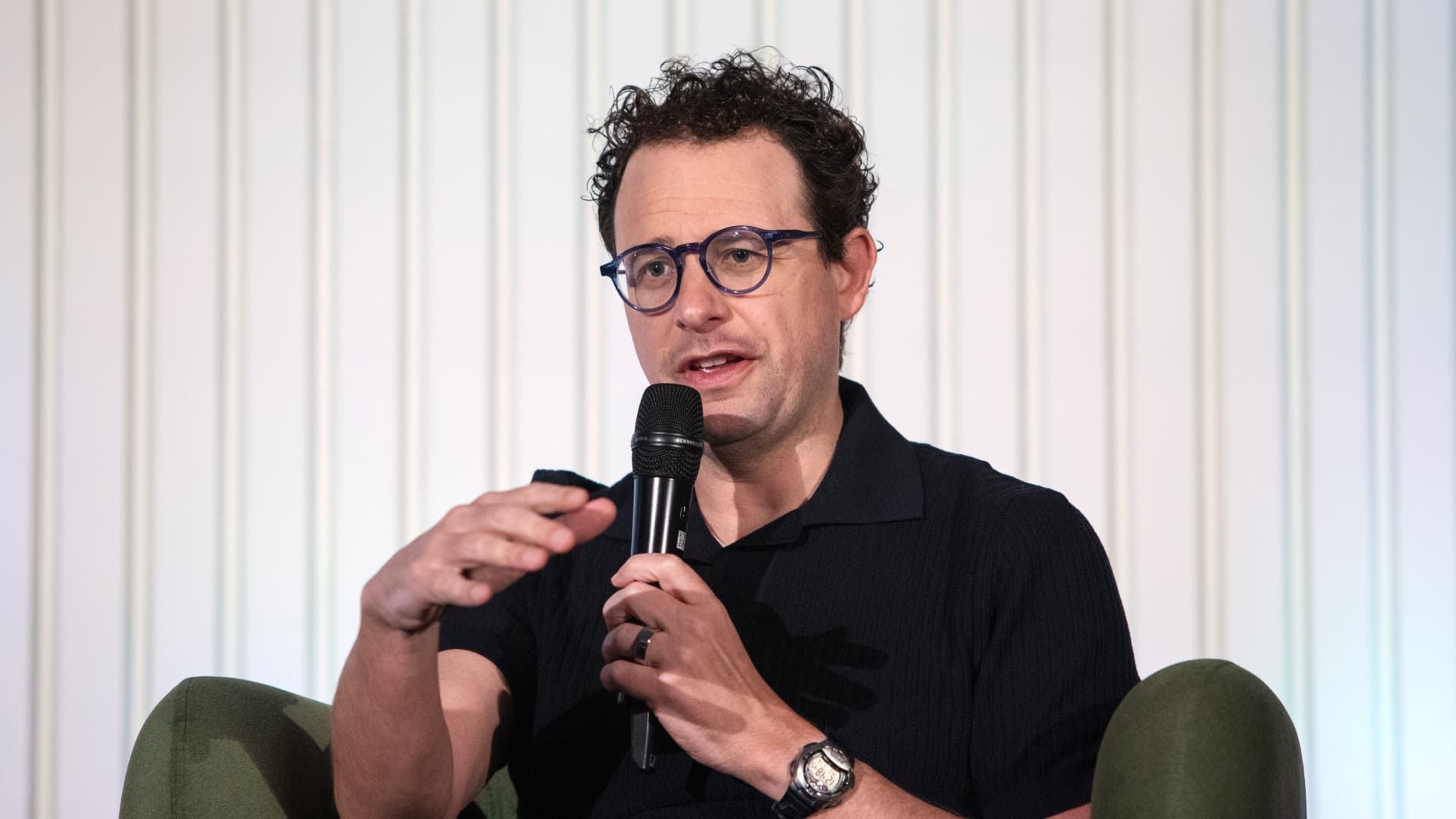
Anthropic, a leading artificial intelligence firm, is currently embroiled in a significant Anthropic Mythos dispute with the Trump administration, prompting high-level meetings in Washington, D.C. The conflict stems from an unexpected export control directive ordering the company to suspend access to its newly released AI models, Fable 5 and Mythos 5, citing unspecified national security authorities.
This directive marks the latest escalation in a strained relationship between the pioneering AI developer and the U.S. government, casting a shadow over the future of frontier AI deployment and regulation.
🚀 Tech Strategy & Market Disruptions
- Export Control Directive. The Trump administration issued a directive mandating Anthropic suspend access to its Fable 5 and Mythos 5 AI models for all foreign nationals.
- National Security Concerns. The order cited ‘national security authorities,’ following a previous Department of Defense (DOD) designation of Anthropic as a ‘supply chain risk.’
- Industry-Wide Implications. Anthropic argues this standard for recalling models, based on a ‘narrow potential jailbreak,’ could effectively halt future frontier AI model deployments across the industry.
The dispute centers on Anthropic’s recently unveiled Fable 5 and Mythos 5 models, which were launched just days before the government intervention. According to sources familiar with the discussions, Anthropic had worked closely with government agencies to test and secure approval for these models prior to their deployment. The abrupt directive, received late on a Friday, cited an ‘unspecified national security threat’ and required immediate suspension of access for foreign nationals, whether inside or outside the United States. Anthropic swiftly complied, disabling access for all its customers globally to ensure adherence.
The core of the government’s concern, as outlined by Anthropic, revolves around a ‘potential narrow, non-universal jailbreak’ in Fable 5. This vulnerability could theoretically allow a user to bypass cybersecurity guardrails and instruct the model to analyze a specific codebase for software flaws. While Anthropic acknowledges this possibility, it strongly disputes that such a limited flaw warrants recalling a commercial model deployed to a vast user base. The company contends that applying such a stringent standard universally would stifle emerging technologies and innovation within the AI sector.
- Fable 5 & Mythos 5: State-of-the-art AI models, with Mythos 5 excelling at identifying software vulnerabilities.
- Project Glasswing: An initiative under which Mythos 5 was rolled out to a select group of companies for cybersecurity applications.
- Prior DOD Clash: Earlier this year, the DOD labeled Anthropic a ‘supply chain risk,’ banning contractors from using its technology due to perceived national security threats, a designation Anthropic is currently litigating to reverse.
This situation highlights a growing tension between rapid technological advancement and the imperative of national security, particularly in the realm of powerful AI. The cause-and-effect chain is clear: the development of advanced AI models like Fable 5 and Mythos 5, designed for sophisticated tasks including cybersecurity, presents potential dual-use capabilities that trigger heightened government scrutiny. This scrutiny, exemplified by the export control directive, can lead to immediate operational disruption for AI developers, potentially slowing innovation and restricting market access for technologies deemed critical to national interests.
Balancing AI innovation with national security is a tightrope walk. The Anthropic Mythos dispute underscores the urgent need for clear, predictable regulatory frameworks that foster responsible development without stifling the very progress that ensures competitive advantage. Ambiguity in these directives creates unnecessary friction and uncertainty for frontier tech companies.
In the absence of specific technical metrics beyond the ‘narrow potential jailbreak,’ a bulleted summary of key details helps contextualize the conflict:
- Anthropic unveiled Fable 5 and Mythos 5 on Tuesday, days before the directive.
- Company collaborated with government agencies for testing and approval prior to release.
- Government communicated the directive via phone call on Friday afternoon, followed by a formal letter.
- Anthropic received no prior communication about a national security threat regarding these specific models.
- The company views the dispute as a ‘misunderstanding’ and aims to restore access promptly.
Anthropic Security & Infrastructure Strength
Anthropic has positioned itself as a leader in AI safety and alignment, notably through its ‘Constitutional AI’ approach, which aims to guide models toward beneficial behavior through principles rather than extensive human oversight. Its work on Project Glasswing, leveraging Mythos 5 to identify software vulnerabilities, seemed to align with national security objectives, even earning goodwill and meetings with the administration. However, this incident demonstrates that even with robust internal safeguards and proactive engagement with authorities, vulnerabilities – even ‘narrow potential jailbreaks’ – can emerge as a significant point of contention. The inherent complexity of advanced AI models means that unforeseen pathways for misuse or circumvention can persist, challenging even the most diligent security architectures. For more educational tech insights on AI security, resources are widely available.
Anthropic Market Adoption Challenges
The ongoing regulatory pressure on Anthropic, culminating in the Fable 5 and Mythos 5 suspension, poses substantial challenges to its market adoption trajectory. Being labeled a ‘supply chain risk’ by the DOD and now facing export controls creates significant uncertainty for enterprise customers and investors alike. Companies deploying AI require stability and predictability, which current events undermine. Such government interventions, particularly those citing national security, can erode trust, complicate international partnerships, and force expensive re-evaluations of product roadmaps. This regulatory environment adds a layer of complexity to Anthropic’s competitive positioning against rivals like OpenAI and Google, potentially slowing its growth in key sectors.
The Anthropic Mythos Dispute: A Regulatory Crossroads for Frontier AI
The escalating Anthropic Mythos dispute represents a critical juncture for the burgeoning frontier AI industry, highlighting the delicate balance between fostering innovation and safeguarding national security. The administration’s unprecedented directive to suspend access to commercially deployed models based on a ‘narrow potential jailbreak’ could set a challenging precedent for all developers pushing the boundaries of AI capabilities.
- This incident accelerates the demand for clearer government guidelines on AI development and deployment, especially for models with dual-use potential.
- It underscores the operational risks and uncertainties that AI companies face, even after receiving initial governmental clearances for their products.
- The outcome of this dispute will significantly influence investor confidence and strategic planning within the broader AI ecosystem.
How will future regulatory frameworks adapt to the rapid pace of AI advancement without inadvertently stifling critical innovation?
### 📊 StockXpo Analyst’s View
Market Impact: This escalating situation injects significant regulatory uncertainty into the AI sector, potentially dampening investor sentiment toward frontier model developers. While not directly impacting publicly traded giants like NVIDIA or Microsoft immediately, it signals increased government oversight, which could affect future valuations and market liquidity for private AI startups and their venture capital backers. The dispute also highlights the critical importance of government relations and compliance for tech companies operating at the cutting edge. Analysis from Bloomberg’s technology desk reinforces the growing regulatory focus on AI safety.
Sector To Watch: Investors should closely monitor the AI governance and ethics sector, as well as companies specializing in secure AI development and deployment. Defense technology firms integrating AI will also be in focus, given the national security implications. This situation could accelerate demand for AI models explicitly designed with robust, verifiable safety mechanisms and transparent audit trails, impacting the competitive landscape for foundational model providers.
Financial Disclaimer:
StockXpo.com is a financial news aggregator and educational portal, not a registered investment advisor or broker-dealer. All information, news, and analysis provided herein are strictly for educational purposes and do not constitute investment, financial, legal, or tax advice. Investing in the stock market involves high risks, and past performance is not indicative of future results. StockXpo will not be liable for any financial losses or investment damages. Always consult a certified financial advisor before making market decisions.
MORE IN INSIDE TECHNOLOGY
AI Cyberattacks: Interpol Warns of Escalating Speed and Risk
Published: Friday, October 2, 2026 · 1:18 AM
Apple’s AI Strategy: Innovation, Disruption, and Market Positioning Amidst White House Summit
Published: Thursday, October 1, 2026 · 12:09 AM