Published: Thursday, May 21, 2026 · 1:51 PM | Updated: Thursday, May 21, 2026 · 1:51 PM
📊 283 views




The financial markets are buzzing with significant developments as SpaceX prepares for a potentially record-setting public debut, while Nvidia continues its dominant run on the back of surging AI demand. These movements are unfolding against a backdrop of broader technology market trends and critical economic discussions, including Jeff Bezos’s latest insights on the perceived AI bubble.
As investors sift through earnings reports and IPO filings, the convergence of space technology and advanced artificial intelligence is rapidly redefining innovation-driven growth opportunities and market disruption across various sectors.
🚀 Tech Strategy & Market Disruptions
- SpaceX IPO Ambition. The SpaceX IPO prospectus reveals a staggering $28.5 trillion total addressable market, signaling aggressive expansion beyond its current space operations, heavily driven by AI capital expenditure.
- Nvidia’s AI Dominance. Nvidia reported an 85% revenue increase, with its data center unit nearly doubling to $75.2 billion, demonstrating parabolic demand fueled by agentic artificial intelligence, despite post-earnings stock fluctuations.
- AI Bubble Dismissal. Amazon founder Jeff Bezos downplayed concerns of an AI bubble, arguing that the intense investment it drives is ultimately healthy for innovation and long-term technological advancement.
Disrupting Terrestrial Boundaries: The SpaceX IPO Vision
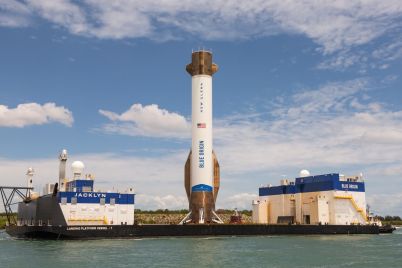
SpaceX, the aerospace manufacturer led by Elon Musk, has officially filed its prospectus with regulators, pushing the company closer to what analysts anticipate will be a record-setting initial public offering. Slated to list on Nasdaq under the ticker SPCX, the filing revealed Musk’s substantial control, retaining 85% of voting power, alongside a significant strategic allocation: most of SpaceX’s capital expenditures in the first quarter were directed towards artificial intelligence initiatives. This emphasis on AI is key to understanding the company’s long-term vision, as it forecasts a total addressable market of $28.5 trillion, a figure that dwarfs its existing business and underscores an intent to leverage advanced technology for unprecedented expansion in the burgeoning space economy.
The potential for a monumental SpaceX IPO arrives amid other major AI players considering public markets. OpenAI, the developer behind ChatGPT, could confidentially file for its own IPO as early as tomorrow, according to CNBC sources, although the company maintains its focus remains on execution. These simultaneous moves highlight a robust and competitive landscape in emerging technologies, particularly within the AI sector.
Nvidia’s AI Ascent and Strategic Market Concessions
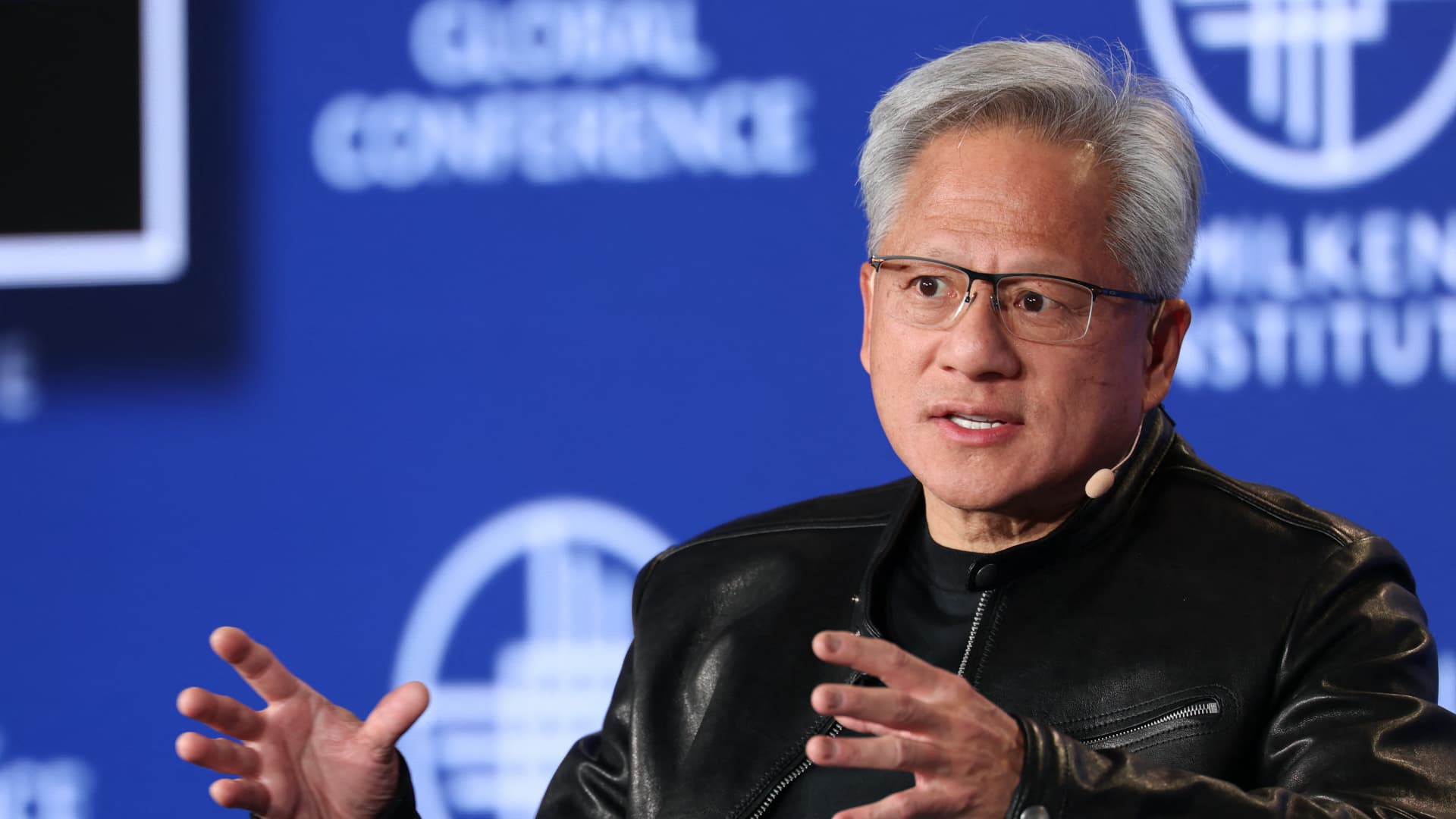
Meanwhile, chipmaker Nvidia once again surpassed quarterly earnings and revenue expectations, showcasing an 85% revenue surge propelled by its data center division, which nearly doubled its revenue from the previous year to $75.2 billion. This remarkable performance, driven by what CEO Jensen Huang described as ‘parabolic’ demand for agentic artificial intelligence, solidifies Nvidia’s position at the forefront of the AI revolution. Despite the stellar results, shares saw a slight pullback pre-bell, marking the fourth consecutive post-earnings dip, suggesting that even exceptional growth is met with cautious market scrutiny.
In a candid interview with CNBC, Huang disclosed that Nvidia has ‘largely conceded’ the crucial China AI chip market to Huawei, a strategic retreat forced by ongoing U.S. export restrictions. This concession could reshape the competitive dynamics within global AI hardware, potentially creating new opportunities for domestic players in affected regions and necessitating a re-evaluation of supply chain resilience and geopolitical risks. For companies looking into deeper educational tech insights, understanding these macro shifts is crucial.
Decoding the AI Investment Climate: Bezos’s Perspective
Adding a crucial voice to the ongoing debate around AI valuation, Amazon founder Jeff Bezos publicly dismissed concerns about an ‘AI bubble’ during an interview with CNBC. He posited that even if elements of a bubble exist, the overwhelming investment it stimulates will ultimately yield ‘very healthy’ long-term innovation. This perspective suggests a belief in the fundamental, transformative power of AI, irrespective of short-term market fluctuations.
Bezos’s comments align with a broader sentiment among tech pioneers that the foundational shifts driven by AI justify significant capital deployment, comparing it perhaps to the early internet boom where speculative investments ultimately paved the way for profound technological advancements. These insights are vital for anyone monitoring the technology landscape from Bloomberg and similar financial news outlets.
CTO Insight: The convergence of massive capital influx into AI, exemplified by SpaceX’s CapEx and Nvidia’s growth, fundamentally reshapes digital transformation strategies. This isn’t merely about incremental improvement; it’s about building entirely new computational and infrastructural paradigms that will underpin the next generation of global economic activity, from space internet to autonomous systems. The market is not just investing in chips, but in a complete AI-driven ecosystem.
While the focus remains on high-growth tech, the broader economy shows mixed signals. Walmart issued a weaker-than-expected outlook, citing consumer pressure, while E.l.f. Beauty beat expectations and rolled back price hikes. The Federal Reserve’s latest minutes indicated a readiness for higher rates if inflation persists due to geopolitical factors like the Iran war, although some officials see room for cuts if economic conditions cool. These varying economic currents underscore a complex market environment where tech innovation continues to stand out.
Nvidia’s Ecosystem Expansion Potential
Nvidia’s strategic position extends beyond merely selling chips; it’s cultivating an expansive ecosystem of software, tools, and platforms that lock in developers and enterprises. The ‘parabolic’ demand for agentic AI suggests that Nvidia’s CUDA platform and related software stacks are becoming indispensable for organizations pushing the boundaries of machine learning and data processing. This creates a powerful network effect, making it challenging for competitors to unseat Nvidia, even as new players emerge. The company’s consistent reinvestment into R&D and strategic acquisitions, alongside robust share buybacks and dividend increases, further solidify its long-term growth trajectory within emerging technologies. Reports from Reuters on chip markets often detail these intricate ecosystem plays.
SpaceX Platform Architecture and Future Trajectories
The underlying architecture of SpaceX’s operations, particularly Starlink, is a critical component of its disruptive potential beyond rocket launches. Its satellite internet constellation, powered by advanced networking and onboard AI, forms a global high-speed data backbone. The significant capital expenditure in AI highlighted in the SpaceX IPO filing indicates a deep commitment to optimizing satellite performance, autonomous operations, and data processing at the edge. This foundational infrastructure is not only poised to revolutionize global connectivity but also to enable a myriad of new services, from precision agriculture to remote sensing, leveraging its low-latency, high-bandwidth capabilities. The ambition to tap into a $28.5 trillion market suggests future trajectories involve leveraging this robust platform for applications yet to be fully imagined, further driving market disruption.
The AI Ascent: Navigating Nvidia’s Growth and SpaceX’s Public Debut
The impending SpaceX IPO and Nvidia’s continued AI dominance underscore a pivotal moment for technology markets, characterized by groundbreaking innovation and strategic reorientation. Jeff Bezos’s outlook on AI investment further validates the long-term, transformative potential of these technologies, even as market dynamics remain complex.
- SpaceX’s ambitious IPO signals a new era for commercial space and AI-driven infrastructure.
- Nvidia’s unprecedented growth in AI data centers solidifies its role as an indispensable technology enabler.
- The broader economic environment, from retail pressures to Federal Reserve policies, continues to shape investor sentiment around these high-growth sectors.
How will these converging forces redefine the competitive landscape for decades to come?
📊 StockXpo Analyst’s View
Market Impact: The strong performance from Nvidia and the anticipated record-setting SpaceX IPO will likely continue to draw significant investor capital into high-growth technology and space sectors. While some volatility may persist post-earnings for companies like Nvidia, the underlying demand for AI infrastructure suggests robust long-term potential, offsetting broader retail and interest rate concerns. Investor sentiment remains largely bullish on transformative tech.
Sector To Watch: Beyond semiconductors, the space economy and AI infrastructure industries are poised for substantial expansion. Companies involved in satellite technology, advanced computing, autonomous systems, and AI-driven data services will likely experience accelerated growth, positioning them as key beneficiaries of this innovation wave.
Financial Disclaimer:
StockXpo.com is a financial news aggregator and educational portal, not a registered investment advisor or broker-dealer. All information, news, and analysis provided herein are strictly for educational purposes and do not constitute investment, financial, legal, or tax advice. Investing in the stock market involves high risks, and past performance is not indicative of future results. StockXpo will not be liable for any financial losses or investment damages. Always consult a certified financial advisor before making market decisions.
MORE IN INSIDE TECHNOLOGY

Starlink India: Regulatory Hurdles and Innovation-Driven Growth Risks
Published: Friday, October 9, 2026 · 12:48 AM
Starlink Launch: India’s Digital Transformation Faces Regulatory Risk
Published: Thursday, October 8, 2026 · 1:51 AM