Published: Monday, June 8, 2026 · 3:03 PM | Updated: Monday, June 8, 2026 · 3:03 PM
📊 224 views




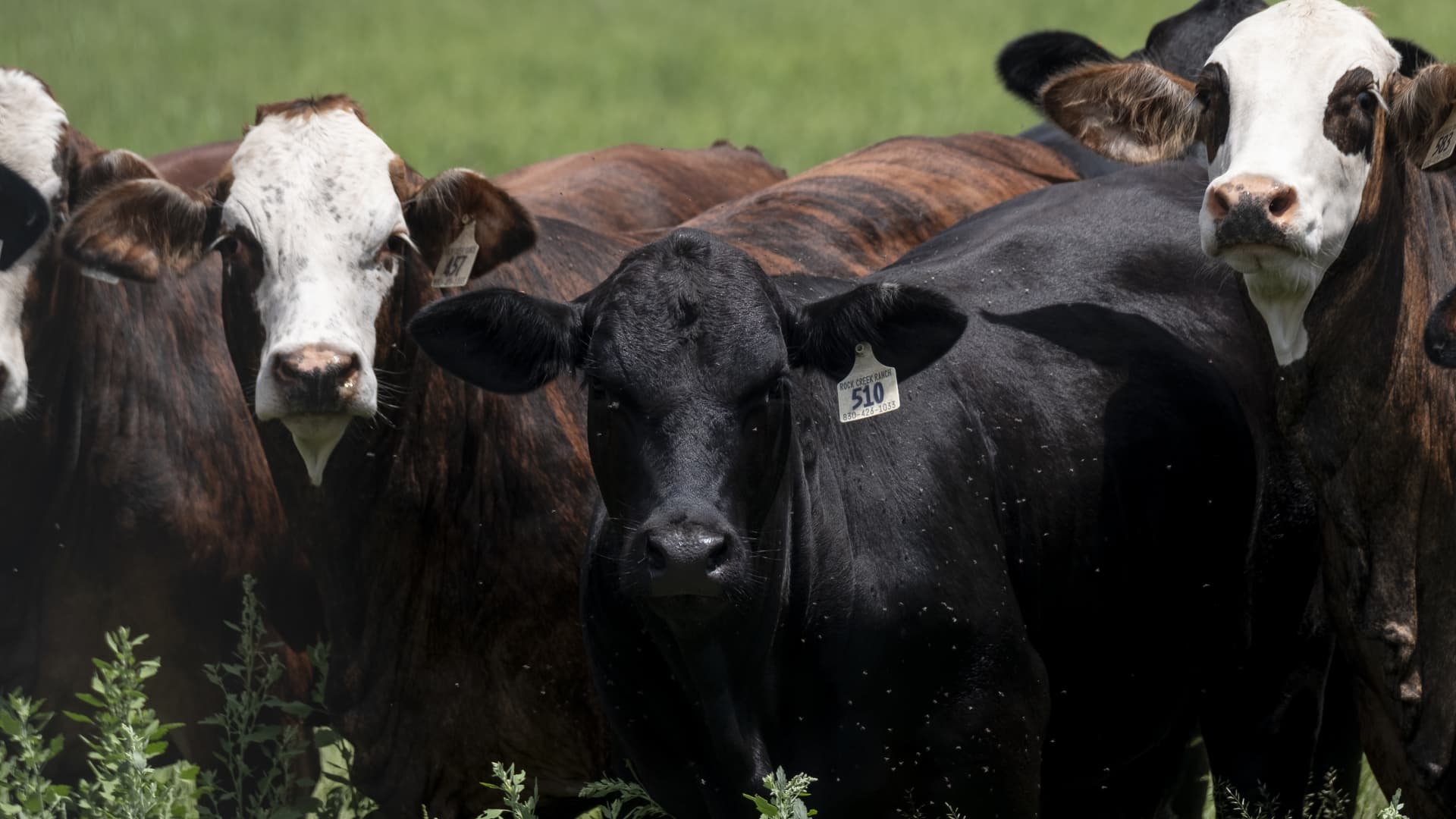
The U.S. agricultural sector is closely monitoring the re-emergence of Texas screwworm cases, a parasitic threat that the U.S. Department of Agriculture (USDA) had previously eradicated decades ago. Despite recent confirmations of the flesh-eating parasite in Texas, USDA Secretary Brooke Rollins has assured the public that the nation’s food supply remains secure, highlighting the agency’s swift and substantial response to prevent a wider outbreak. This development underscores the continuous biosecurity challenges faced by the livestock industry and the strategic importance of rapid containment measures.
🗝️ Corporate Strategy Insights
- Rapid Mobilization. The USDA has committed over a billion dollars and deployed ‘boots on the ground’ to quickly contain and eradicate the screwworm, demonstrating a decisive operational response to protect agricultural assets.
- Proven Playbook Execution. Leveraging a successful strategy from the 1960s, which includes the release of sterile insects, highlights the USDA’s reliance on historically effective methods to address new biological threats.
- Public Confidence Management. Secretary Rollins’ clear communication aims to reassure consumers and markets about the safety of the food supply, mitigating potential panic or economic disruption despite a concerning re-emergence.
Secretary Rollins detailed the USDA’s comprehensive approach during an interview on CNBC’s ‘Squawk Box,’ emphasizing that the screwworm is a treatable pest, not a virus or disease that directly impacts food products. The agency has confirmed four cases in Texas, including incidents in a calf and a dog, with early reports suggesting a connection to Mexico. This resurgence marks the first instances of New World screwworm in the U.S. since 1966, posing a significant risk to livestock, wildlife, and pets if left unchecked. The USDA’s strategy involves heavy investment and the release of approximately 10 million sterile flies weekly to suppress the parasite’s population, mirroring the successful eradication campaign of 50 years ago. This aggressive posture aims to push the pest back across the border and ultimately eliminate it from U.S. territory. The broader market perspective suggests that such rapid governmental responses are key to maintaining agricultural sector stability, a sentiment often reflected in global financial markets commentary.
Texas agriculture officials, notably Commissioner Sid Miller, have voiced criticism regarding the USDA’s perceived slow initial response. Rollins, however, has dismissed these claims, asserting that the agency has acted with ‘Trump speed’ and that Miller’s comments are ‘disturbing and disruptive’ to the ongoing efforts. The divergence in public statements, particularly regarding border control and early detection, points to potential operational friction but does not undermine the overall federal commitment to containment. This swift, multi-faceted response is critical for maintaining market stability within the cattle and broader agricultural sectors.
- The parasitic fly larvae, while not affecting meat, fruits, or vegetables, can cause severe and life-threatening wounds in warm-blooded animals, posing a direct threat to animal welfare and agricultural productivity.
- The reintroduction of screwworms highlights the persistent challenges of border biosecurity, especially in regions with high cross-border traffic of animals.
The Strategic Ripple Effect on Livestock Operations
The re-emergence of Texas screwworm cases initiates a significant ripple effect across the livestock industry. Heightened Biosecurity Protocols → Increased Operational Costs for Ranchers → Potential Margin Compression for Cattle Producers. This direct pressure on operational efficiency could prompt ranchers to invest more heavily in animal health monitoring and protective measures. Furthermore, robust governmental intervention signals a strong commitment to agricultural integrity, which can positively influence investor confidence in the sector’s resilience, as detailed by recent analysis on global business trends. Competitors in other states, while not directly impacted, will likely face increased scrutiny and potentially new preventative guidelines, indirectly affecting industry-wide practices and perhaps even prompting cross-state collaboration on biosecurity standards.
The USDA’s rapid, billion-dollar deployment against the screwworm is not just a pest control measure; it’s a strategic declaration of commitment to safeguarding the foundational integrity of the nation’s food supply and agricultural economy.
Key Operational Indicators
- Confirmed Cases: Currently four in Texas, indicating localized but active spread.
- Financial Commitment: Over $1 billion allocated by the USDA for eradication efforts, underscoring the scale and priority of the response.
- Sterile Fly Deployment: Approximately 10 million sterile flies released weekly, a crucial tactic in biological control.
These indicators provide insight into the USDA’s resource allocation and the immediate operational intensity required to manage the outbreak, reflecting a significant governmental investment to protect agricultural assets and uphold market stability.
USDA Strategic Analysis: Proactive Biosecurity in Action
The USDA’s response to the Texas screwworm cases exemplifies a proactive biosecurity strategy focused on containment and eradication. By immediately allocating substantial resources and deploying proven biological controls like sterile insect release, the agency demonstrates a clear understanding of the economic and ecological stakes involved. This approach minimizes long-term risks to the livestock industry, ensuring the continued viability of agricultural exports and domestic supply. The coordinated federal-state response, despite some initial disagreements, showcases the complex layers of agricultural governance and the ultimate imperative to protect national interests. This resilience in managing biological threats is a cornerstone of maintaining a robust national economy, a frequent subject of investment analysis.
USDA Market Leadership: Upholding Food Supply Integrity
In the face of the screwworm re-emergence, the USDA’s actions reinforce its critical role in maintaining market leadership through robust food supply integrity. By decisively addressing the Texas screwworm cases, the agency protects the reputation and economic stability of U.S. agricultural products both domestically and internationally. This leadership is not just about regulation; it’s about strategic intervention that prevents widespread disease, preserves animal health, and thus ensures reliable food production. The USDA’s rapid response underpins market confidence, demonstrating the government’s capacity to shield vital sectors from biological threats and ensure stable market conditions, often discussed in our company strategy insights.
Assessing the Trajectory of Texas Screwworm Cases
The swift and substantial response by the USDA to the Texas screwworm cases signals a high-priority effort to prevent wider economic disruption. With a billion-dollar investment and a proven eradication playbook, the agency appears well-positioned to contain this parasitic threat. The effectiveness of sterile fly deployment and intensified border surveillance will be crucial in the coming months.
- The immediate financial commitment underscores the severity and the urgency of the situation for agricultural stability.
- The reliance on a historically successful eradication method provides a strong basis for optimism regarding containment.
- Sustained vigilance and coordination, particularly near border regions, will be paramount to long-term success.
How will the long-term effectiveness of the USDA’s border biosecurity measures adapt to evolving cross-border challenges?
### 📊 StockXpo Analyst’s View
Market Impact: The USDA’s swift action, though costly, is a vital de-risking factor for the U.S. livestock market. Investors should view this as a positive signal for agricultural stability, as potential widespread outbreaks could have severely impacted cattle prices and supply chain reliability. The market’s initial reaction, likely focused on border security concerns, should pivot towards the efficacy of the eradication efforts.
Sector To Watch: The Animal Health sector stands to gain from heightened biosecurity awareness and preventative measures. Companies specializing in veterinary diagnostics, parasiticides, and sustainable pest control technologies could see increased demand. Furthermore, the broader agricultural technology sector may benefit from investments in advanced surveillance and containment solutions. For more in-depth educational insights on market trends, visit our blog.
Financial Disclaimer:
StockXpo.com is a financial news aggregator and educational portal, not a registered investment advisor or broker-dealer. All information, news, and analysis provided herein are strictly for educational purposes and do not constitute investment, financial, legal, or tax advice. Investing in the stock market involves high risks, and past performance is not indicative of future results. StockXpo will not be liable for any financial losses or investment damages. Always consult a certified financial advisor before making market decisions.
MORE IN INSIDE BUSINESS

Carter’s Rebranding Strategy: Capturing Gen Z Parents for Future Growth
Published: Tuesday, September 15, 2026 · 6:29 AM
Investment Banking Fees Warning: Bank of America Signals Q3 Headwinds
Published: Monday, September 14, 2026 · 3:22 PM