Published: Wednesday, July 1, 2026 · 6:48 PM | Updated: Wednesday, July 1, 2026 · 6:48 PM
📊 203 views




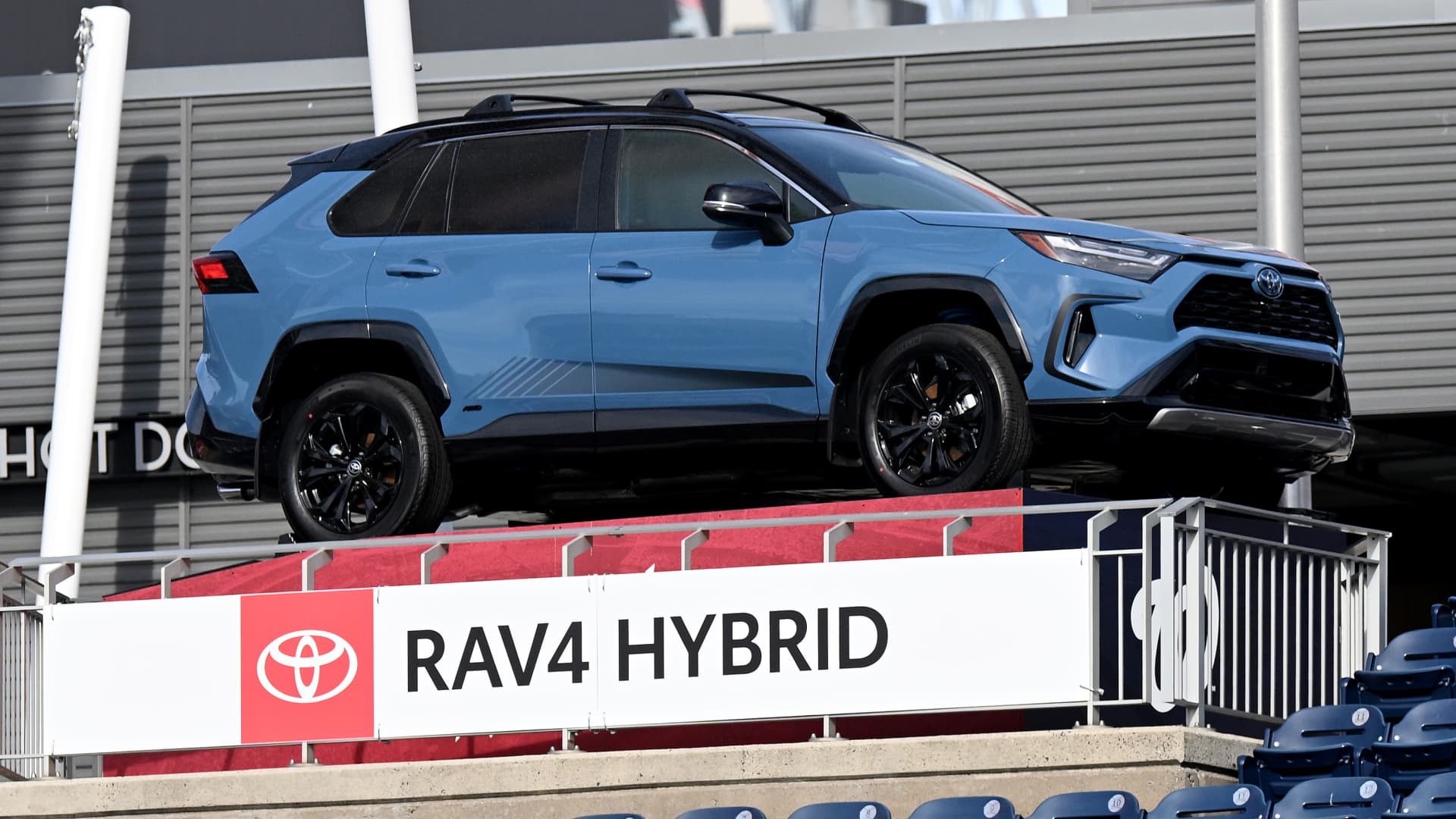
The U.S. automotive market is undergoing a significant strategic realignment, with second-quarter sales data revealing a clear bifurcation between companies adept at leveraging Hybrid Vehicles and those heavily invested in a slowing all-electric transition. This trend underscores a pivotal moment for manufacturers, as consumer preferences pivot sharply towards fuel efficiency and lower operating costs, directly impacting market leadership and competitive positioning.
🗝️ Corporate Strategy Insights
- Agile Portfolio Diversification. Automakers with a robust hybrid lineup, notably Toyota and Honda, are capturing market share by meeting immediate consumer demand for fuel efficiency and lower operating costs amidst high gas prices.
- Re-evaluating EV Dominance. The mixed sales results indicate a potential slowdown in the rapid transition to purely electric vehicles, forcing companies like General Motors and Tesla to reassess their production and marketing strategies.
- Operational Efficiency in Production. Manufacturers able to quickly scale hybrid production and integrate these technologies into popular models are demonstrating superior operational agility, directly translating into sales growth and challenging established market leaders.
Automakers across the U.S. are navigating a complex landscape, as consumer demand shifts dramatically in response to fluctuating gas prices and evolving perceptions of electric vehicle (EV) practicality. The second quarter witnessed a pronounced divergence, with companies offering a strong suite of hybrid models significantly outperforming those with a limited or nascent hybrid presence. Toyota Motor, a long-standing leader in hybrid technology, reported a 1.1% increase in its second-quarter sales, primarily fueled by a roughly 20% surge in electrified vehicle sales. This success is mirrored by other Asian automakers: Hyundai Motor saw a 4% rise in sales, underpinned by a remarkable 67% jump in hybrid sales during the first half of the year, while Honda Motor achieved an 8.4% overall sales increase, citing record electrified sales. Kia, up approximately 3%, also reported an impressive 152% increase in hybrid sales in Q2. Randy Parker, CEO of Hyundai and Genesis North America, explicitly stated that ‘Hybrids are definitely our growth engine right now,’ attributing the trend to consumers prioritizing fuel efficiency and lower operating costs. Such insights are regularly highlighted by financial news outlets, including reports from Reuters business intelligence.
Conversely, traditional giants like General Motors (GM), despite being the top-selling automaker in the U.S., reported a 4.2% decline in second-quarter sales. GM’s portfolio predominantly features an extensive EV lineup but only a single, low-volume hybrid model, highlighting a strategic imbalance in product offerings relative to current market needs. This disparity has led Cox Automotive to observe that Toyota is rapidly narrowing the sales gap with GM, with predictions suggesting Toyota could potentially surpass GM as the top-selling manufacturer in the U.S. by year-end, a significant competitive shift. Ford Motor is also expected to report an 11.5% decline for the quarter, grappling with production issues, while Tesla’s sales are projected to be down over 20%, indicating a broader softening in pure EV demand. This dynamic underscores a critical re-evaluation of product mix and market responsiveness across the industry, favoring adaptable manufacturers over those solely committed to a single powertrain future. Keeping a pulse on broader stock markets is crucial for understanding these dynamic shifts.
- Hybrid Momentum: Toyota, Hyundai, Honda, and Kia are leveraging their strong hybrid portfolios to drive significant sales growth.
- EV Headwinds: GM and Tesla are experiencing declines in EV sales, indicating a challenging period for the all-electric transition.
- Market Rebalancing: High gas prices and cost consciousness are re-shaping consumer preferences, favoring efficient hybrid options.
The surging demand for Hybrid Vehicles creates a direct cause-and-effect chain throughout the automotive ecosystem. A robust hybrid offering translates into immediate market share gains for agile manufacturers like Toyota and Honda, effectively expanding their customer base in a cost-conscious environment. This success, in turn, pressures competitors like General Motors and Ford to accelerate their own hybrid development and production, potentially reallocating capital from purely EV initiatives or necessitating strategic partnerships to fill portfolio gaps. The ripple effect extends to supply chains, with increased demand for hybrid-specific components, and impacts marketing spend, as companies emphasize fuel efficiency over solely electric performance. Ultimately, this strategic pivot could redefine market leadership, pushing companies to diversify their electrification strategies rather than placing all bets on a singular, all-electric future. This also highlights the importance of keeping an eye on broader company strategy for sustained corporate growth.
‘The current market unequivocally demonstrates that an “electrified” strategy must encompass more than just pure battery electric vehicles. Automakers with a balanced portfolio, particularly those with strong hybrid offerings, are proving resilient and strategically superior in today’s volatile consumer landscape,’ stated a recent report from a leading industry analysis firm.
Recent sales data provides a stark contrast in performance:
- Toyota Motor (TM): Q2 sales up 1.1%, with electrified vehicles surging approximately 20%.
- Hyundai Motor (HMC): Q2 sales up 4%, driven by a 67% increase in hybrid sales during H1.
- Honda Motor (HMC): Q2 sales up 8.4%, attributed to record electrified vehicle sales.
- Kia: Q2 sales up ~3%, with hybrid sales jumping 152%.
- General Motors (GM): Q2 sales down 4.2%, with EV sales declining 33%.
- Ford Motor (F): Expected to be down 11.5% in Q2 (Cox Automotive forecast).
- Tesla (TSLA): Expected to be off more than 20% in Q2 (Cox Automotive forecast).
These figures highlight the direct correlation between product portfolio diversification, especially in hybrids, and market performance amid shifting consumer priorities.
Toyota’s Competitive Advantages in a Shifting Market
Toyota’s longstanding investment and expertise in hybrid technology have solidified its competitive advantage. The company benefits from a mature and efficient hybrid powertrain supply chain, extensive brand recognition for reliability and fuel economy in its hybrid models like the RAV4 Hybrid, and a strong dealer network equipped to service these vehicles. This early and consistent commitment to hybridization has provided Toyota with a crucial lead, allowing it to capitalize swiftly on the renewed consumer interest in fuel-efficient options as macroeconomic pressures mount. Their ability to deliver a broad range of Hybrid Vehicles at various price points gives them an inherent edge. Staying informed on industry trends is vital for those interested in what drives markets.
General Motors’ Strategic Challenge and Path Forward
General Motors faces a significant strategic challenge in its current product mix, which is heavily skewed towards full-size trucks, SUVs, and an expanding all-electric lineup, with a notable gap in mainstream hybrid offerings. While GM executives maintain discipline on incentives and profitability, the Q2 sales decline, particularly in EVs, signals a potential misjudgment of the near-term market trajectory. To regain momentum and challenge Toyota’s growing presence, GM may need to accelerate the development and deployment of more accessible and varied hybrid models across its Chevrolet, Buick, and GMC brands. This could involve revisiting its capital allocation strategy to balance long-term EV ambitions with immediate market demand for transitional technologies, ensuring better responsiveness to dynamic market conditions, a key aspect discussed in market leadership articles.
Re-evaluating Electrification: The Hybrid Renaissance for Automakers
The latest sales reports present a compelling narrative: the immediate future of automotive growth in the U.S. lies significantly in hybrid vehicles, challenging the accelerated transition to all-electric. This shift is reshaping competitive dynamics, rewarding strategic agility and diversified product portfolios over single-focus electrification bets.
- The market is rewarding automakers with robust Hybrid Vehicles portfolios, showing strong sales growth.
- Companies solely focused on EVs are experiencing sales declines, signaling a need for strategic re-evaluation.
- Consumer demand is prioritizing fuel efficiency and lower operating costs, driven by high gas prices.
Will this hybrid renaissance compel major automakers to fundamentally alter their long-term electrification roadmaps, or is it merely a temporary detour?
📊 StockXpo Analyst’s View
Market Impact: This mixed sales report is likely to shift investor sentiment towards automakers demonstrating immediate market responsiveness with diversified portfolios. Companies heavily reliant on pure EVs without robust hybrid alternatives may face increased scrutiny, potentially impacting their valuations and access to capital markets. Conversely, strong hybrid performers are likely to see positive investor interest, reflecting confidence in their operational efficiency and adaptability to current consumer trends.
Sector To Watch: The automotive components sector, particularly suppliers for hybrid powertrains and battery technologies that can be adapted for hybrids, stands to gain. Additionally, the broader energy sector will remain critical, as fluctuating oil prices directly influence consumer buying patterns towards more fuel-efficient vehicles. This scenario underscores the importance of monitoring global markets closely, as explored on the Bloomberg markets news platform.
Financial Disclaimer:
StockXpo.com is a financial news aggregator and educational portal, not a registered investment advisor or broker-dealer. All information, news, and analysis provided herein are strictly for educational purposes and do not constitute investment, financial, legal, or tax advice. Investing in the stock market involves high risks, and past performance is not indicative of future results. StockXpo will not be liable for any financial losses or investment damages. Always consult a certified financial advisor before making market decisions.
MORE IN INSIDE BUSINESS

Assortment Trimming: Retailers Redefine Growth Through Operational Efficiency
Published: Saturday, October 10, 2026 · 8:31 AM

Saudi Arabia Flight Decision: Delta Weighs Safety Amid Regional Tensions
Published: Friday, October 9, 2026 · 7:21 AM