Published: Friday, July 24, 2026 · 9:19 PM | Updated: Friday, July 24, 2026 · 9:19 PM
📊 198 views




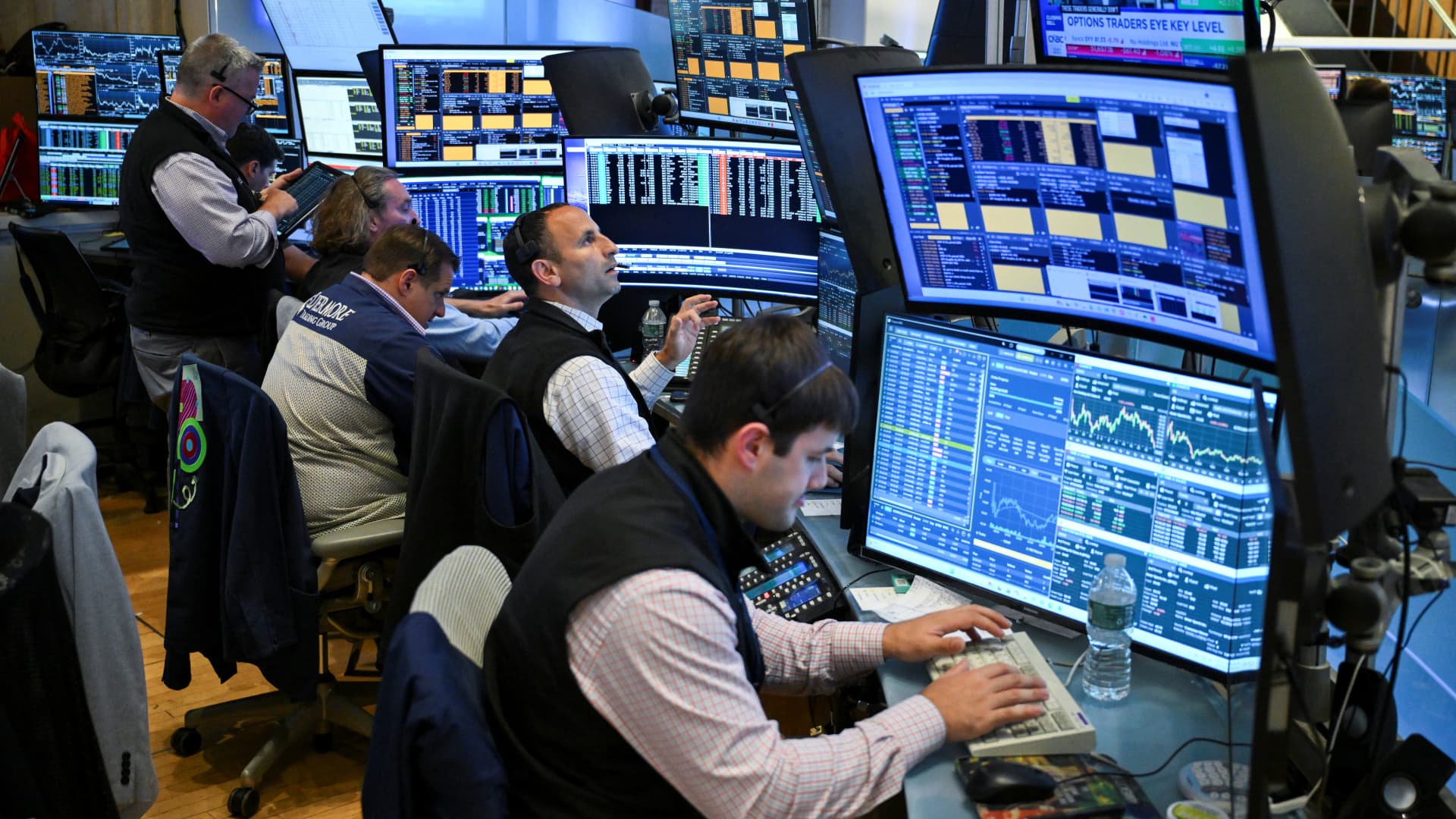
The ambitious buildout of artificial intelligence infrastructure by tech giants is now triggering significant discomfort in the bond market. Escalating AI capex budgets are causing fixed-income investors to demand greater returns, marking a critical shift in how these once-fortress companies are perceived. This trend suggests a reevaluation of risk and profitability in the race for AI dominance.
🚀 Tech Strategy & Market Disruptions
- AI Capex Escalation. Hyperscalers like Alphabet, Amazon, and Meta are significantly increasing capital expenditure for AI data centers, straining traditional financial models.
- Bond Market Skepticism. Fixed-income investors are reacting with widening credit spreads and higher borrowing costs, signaling anxiety over the long-term ROI of immense AI investments.
- Energy Cost Impact. Rising power costs, exacerbated by geopolitical tensions, are a major contributing factor to increased capex, pushing data center operational expenses higher.
Investor discomfort surrounding the financial outlay for artificial intelligence infrastructure is becoming increasingly apparent in bond markets. Major technology firms, including Google, Amazon, and Meta, are experiencing widening credit spreads, indicating that fixed-income investors now demand a higher premium to lend to these companies. This shift underscores a growing apprehension about the substantial capital expenditure (capex) required to make the ambitious AI buildout a reality.
Following Alphabet’s recent upward revision of its capex forecast, bond yields ticked higher, fueling concerns that other hyperscalers might follow suit. A significant driver of these ballooning budgets is the rising cost of energy, a critical input for the vast data centers being constructed across the U.S. at an unprecedented pace. GE Vernova CEO Scott Strazik noted expectations for continued inflationary pressure, partly due to the heightened geopolitical landscape, which has seen oil prices climb above $100 a barrel this week.
Mizuho analysts echoed these concerns, writing to clients that the current capex increases are testing investor limits. These firms, traditionally viewed as financially robust, are now confronting a dramatic rise in AI-related costs. Analysts predict that by next year, these hyperscalers collectively could spend more on capex than they generate in free cash flow, a stark reversal from their historical financial strength. This situation is creating intense discussions between bond and equity investors navigating the evolving financial landscape of tech giants.
- Alphabet’s raised capex forecast has directly influenced bond yields, signaling broader market apprehension.
- The rising cost of power is a critical factor driving up data center construction and operational expenses.
- Mizuho projects hyperscalers’ collective capex could outstrip free cash flow by next year, challenging financial stability.
Oracle’s 5-year credit default swap (CDS) serves as a potent barometer for these emerging AI debt fears, trading at a multi-year high. Barclays credit analyst Andrew Keches highlighted Oracle’s CDS as a ‘liquid hedge on AI capex’ due to its relevance to OpenAI’s execution and wider data center spending narratives. The company recently faced a credit rating downgrade to BBB- by S&P Global, just one notch above junk status, intensifying investor scrutiny over its debt market activities for data center expansion and leasing. Despite these challenges, Oracle executives remain confident in their AI ambitions, leveraging growing relationships with OpenAI, Meta, and Nvidia for cloud architecture partnerships. However, the upward movement in tech bond yields is likely to impact future financing deals, as evidenced by Meta’s planned $12 billion Texas data center financing, which, according to recent reports from financial newswires, is expected to be priced at a higher borrowing rate, reflecting investor demands for better returns on these massive investments.
The exponential growth in AI demand necessitates unprecedented capital expenditure for advanced data centers and specialized hardware. This massive investment requirement directly translates into increased debt financing for major tech players, leading to widening credit spreads and higher borrowing costs in the bond market. Higher cost of capital could, in turn, slow down the pace of AI infrastructure deployment for some, creating a potential choke point in broader technology market trends as firms prioritize fiscal prudence over aggressive expansion. Ultimately, this pressure can disrupt market dominance dynamics, favoring companies with more efficient capex models or those that can secure cheaper financing, while potentially penalizing those with less clear ROI projections for their intensive AI investments, impacting the entire landscape of emerging technologies shaping the future.
‘The current bond market reaction to AI capex underscores a fundamental re-evaluation of technology’s financial models. While AI promises transformative growth, the sheer scale of investment in compute, power, and physical infrastructure challenges traditional free cash flow generation. CTOs must now balance aggressive innovation with clear, measurable returns on these multi-billion-dollar investments, ensuring that the technological leap doesn’t inadvertently become a debt trap.’
Hyperscalers’ Infrastructure Strength and Challenges
The core of the AI buildout lies in the formidable infrastructure deployed by hyperscalers. Companies like Google, Amazon, and Meta possess vast global networks of data centers, robust cloud platforms, and significant engineering talent. This inherent strength allows them to rapidly scale operations, acquire cutting-edge AI hardware, and develop proprietary AI models. Their existing cloud ecosystems provide a direct revenue channel for AI services, theoretically justifying the substantial capex. However, this strength is increasingly tested by the sheer magnitude of power demands, the scarcity of high-performance chips, and the rapidly evolving technological landscape, which demands constant upgrades and significant maintenance. The inflationary environment, particularly concerning energy prices and labor, further complicates their ability to manage costs effectively, pushing their operational envelopes to new extremes, as often reported by industry-leading financial news outlets.
Oracle’s Ecosystem Expansion Potential
Oracle, while not a hyperscaler in the same vein as the ‘Magnificent Seven,’ has carved out a unique and expanding niche in the AI infrastructure space, particularly through its cloud architecture partnerships. Its collaborations with OpenAI, Meta, and Nvidia signify a strategic pivot towards becoming a critical enabler of AI innovation rather than solely a direct competitor in general-purpose cloud. By focusing on specialized, high-performance computing for AI workloads, Oracle is leveraging its existing enterprise customer base and data expertise. This strategy positions Oracle as a pivotal player in the AI ecosystem, attracting companies that require dedicated, secure, and scalable infrastructure for their intensive AI applications. The challenge lies in effectively communicating the long-term value and ROI of these capital-intensive data center investments to a skeptical bond market, especially given its recent credit rating adjustments.
AI Capex Budgets: Navigating the Investment Tightrope
The growing anxiety in the bond market over AI capex budgets signals a critical juncture for tech titans. The era of unchecked investment, driven by the sheer promise of AI, is giving way to a more scrutinizing financial environment. Investors are increasingly demanding clarity on the return on investment for these massive capital outlays, particularly as free cash flow projections face pressure from escalating infrastructure and energy costs. For more educational tech insights, this trend is a major focus.
- Tech giants are facing higher borrowing costs due to increased investor caution around AI infrastructure spending.
- The balance between aggressive AI expansion and financial prudence is becoming a key investor focus.
- Energy costs and geopolitical factors are significantly impacting the economic viability of new data center projects.
Can tech companies sustain this rapid pace of AI investment without fundamentally reshaping their capital structures and investor relationships?
📊 StockXpo Analyst’s View
Market Impact: The widening credit spreads for major tech players indicate a significant repricing of risk associated with aggressive AI infrastructure investments. This shift could lead to a broader market re-evaluation of high-growth tech stocks, especially those heavily reliant on debt financing for expansion. Investor sentiment may become more discerning, favoring companies demonstrating clearer paths to profitability and capital efficiency in their AI strategies.
Sector To Watch: The energy and utility sectors stand to gain substantially from the surging power demands of AI data centers. Companies involved in sustainable energy solutions, power infrastructure, and advanced cooling technologies will likely experience increased demand. Conversely, heavily indebted tech firms without diversified revenue streams or strong free cash flow generation might face increased scrutiny and higher cost of capital.
Financial Disclaimer:
StockXpo.com is a financial news aggregator and educational portal, not a registered investment advisor or broker-dealer. All information, news, and analysis provided herein are strictly for educational purposes and do not constitute investment, financial, legal, or tax advice. Investing in the stock market involves high risks, and past performance is not indicative of future results. StockXpo will not be liable for any financial losses or investment damages. Always consult a certified financial advisor before making market decisions.
MORE IN INSIDE TECHNOLOGY
Bond Yields Under Pressure: IMF Warns of ‘Disorderly’ Spike Driven by AI Debt and Inflation
Published: Tuesday, October 13, 2026 · 1:21 AM
AI Breakthroughs: TikTok CEO Predicts Major Scientific Leap Within Three Years
Published: Monday, October 12, 2026 · 2:40 AM