Published: Monday, June 8, 2026 · 3:01 PM | Updated: Monday, June 8, 2026 · 3:01 PM
📊 246 views




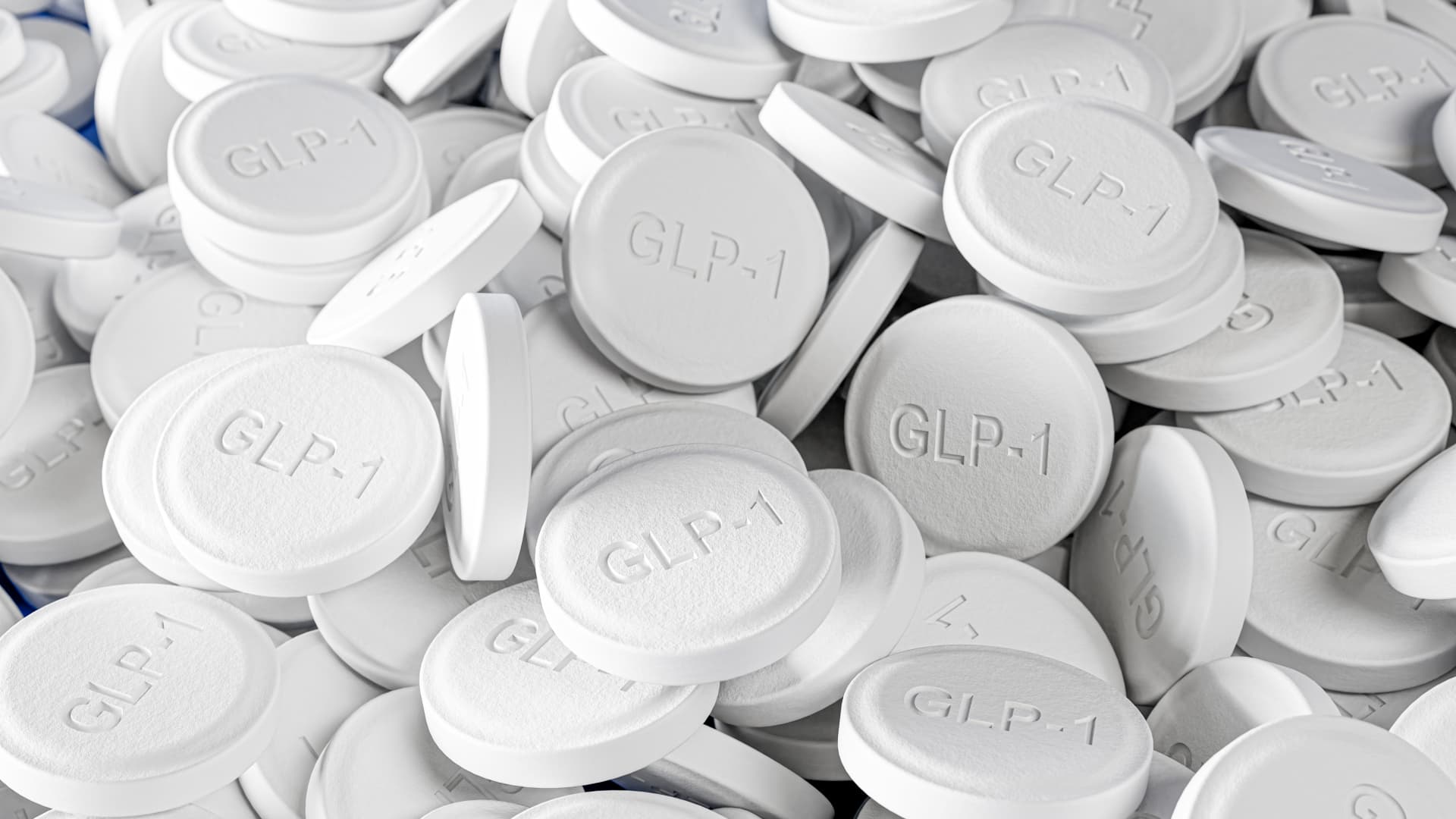
The pharmaceutical giants Novo Nordisk and Eli Lilly are escalating their rivalry in the rapidly expanding GLP-1 pill market, positioning their oral weight-loss therapies for a significant shift as Medicare coverage for these drugs begins in July. This impending change promises to unlock a vast new patient demographic, intensifying the strategic maneuvers of both companies to capture market share and establish dominance in a sector projected for massive growth.
🗝️ Corporate Strategy Insights
- Medicare Focus. Both Novo Nordisk and Eli Lilly are strategically gearing up for July’s Medicare coverage of GLP-1 drugs, adapting their marketing and product positioning to appeal to millions of seniors now able to access these therapies at a subsidized rate.
- Pill vs. Injectable Dominance. The battle extends beyond current offerings, with a strong focus on oral GLP-1 treatments, signaling a potential shift in patient preference from weekly injections to daily pills, which could reshape market leadership.
- Next-Generation Pipeline. Both companies are aggressively advancing their pipelines, with Lilly’s retatrutide and Novo’s CagriSema, aiming to introduce more potent and differentiated therapies to maintain long-term competitive advantages and expand treatment options.
Novo Nordisk recently announced a significant milestone for its Wegovy pill, reaching over 3 million prescriptions since its U.S. market entry five months ago. CEO Mike Doustdar highlighted this rapid adoption as a clear acceleration, even in the face of Eli Lilly’s recent introduction of its own GLP-1 pill, Foundayo. Lilly’s CEO, Dave Ricks, countered by stating that Foundayo prescriptions are ‘markedly higher’ than the 20,000 reported just weeks prior, indicating a strong ramp-up for their oral offering as well. The competitive intensity was palpable at the American Diabetes Association’s Scientific Sessions, where both companies deployed extensive advertising for their respective obesity medications.
The impending Medicare coverage in July, which will cap monthly out-of-pocket costs for GLP-1 drugs at $50 for seniors, represents a pivotal market expansion. Novo Nordisk aims to leverage its Wegovy shot’s proven cardiovascular benefits, such as reducing risks of heart attacks and strokes, as a differentiator for seniors. Doustdar argues that these ‘free of charge’ additional health protections should make Wegovy the preferred choice ‘if common sense is to prevail.’ Conversely, Eli Lilly is emphasizing the convenience of Foundayo, which can be taken anytime with food and other medications, contrasting with Novo’s pill requiring an empty stomach and a 30-minute fasting period. Ricks believes this ease of integration into daily routines will appeal significantly to seniors who often manage multiple medications.
While the immediate focus is on Medicare, broader insurance coverage for GLP-1 drugs remains a challenge. Despite analyses, such as one cited by Reuters, suggesting these drugs are cost-effective, many employers have hesitated due to the vast potential patient pool and concerns about adherence. Health insurer Cigna recently made headlines by ceasing coverage for its own employees. Lilly, however, is conducting an internal study to demonstrate the long-term health cost benefits and improved outcomes, intending to publish results later this year to bolster the case for wider coverage and redefine obesity care as ‘regular health care.’
- Novo Nordisk’s Wegovy pill achieved over 3 million U.S. prescriptions within five months, showcasing rapid market penetration.
- Eli Lilly’s Foundayo pill prescriptions are ‘markedly higher’ than 20,000 reported weeks prior, indicating strong initial uptake.
- Both companies are heavily investing in advertising and market presence, with differing strategies for Medicare beneficiaries: Novo on health benefits, Lilly on convenience.
The Strategic Ripple Effect of GLP-1 Oral Therapies
The introduction and aggressive marketing of oral GLP-1 therapies by Novo Nordisk and Eli Lilly are poised to create significant strategic ripple effects across the pharmaceutical landscape. The shift towards convenient, daily pills from weekly injectables could dramatically expand the addressable market by overcoming patient apprehension associated with injections. This broader accessibility, especially with Medicare coverage, translates directly into higher revenue potential for the market leaders. Competitors without a robust oral pipeline face a substantial disadvantage, risking market share erosion and a loss of pricing power. The emphasis on cardiovascular and other ancillary health benefits, as promoted by Novo, could also shift payer perspectives, making it harder for insurers to deny coverage if these drugs offer long-term health cost savings. Furthermore, the push for direct-to-consumer platforms like LillyDirect for next-generation drugs signals a strategic move to control distribution channels and patient relationships, bypassing traditional gatekeepers and accelerating adoption.
‘The GLP-1 pill market is not just a battle for prescriptions; it’s a strategic race to redefine obesity treatment paradigms, leveraging convenience and comprehensive health benefits to capture an unprecedented demographic shift driven by expanded Medicare access.’
Key Market Indicators to Watch
Given the rapidly evolving nature of the GLP-1 pill market, tracking key indicators is crucial for understanding competitive dynamics:
- Prescription Growth Rates: Monitoring the week-over-week growth of Novo’s Wegovy pill and Lilly’s Foundayo will directly reflect consumer adoption and market traction.
- Insurance Coverage Decisions: The willingness of private insurers and employers to expand coverage for GLP-1s, especially for obesity, will dictate the pace of market expansion beyond Medicare.
- Pipeline Advancements: Updates on next-generation drugs like Lilly’s retatrutide (with its bariatric surgery-like efficacy) and Novo’s CagriSema will signal future competitive advantages and potential market disruption.
- Medicare Enrollment & Adherence: Actual enrollment numbers for GLP-1s under Medicare and patient adherence rates will demonstrate the long-term viability and financial impact of expanded coverage.
These indicators collectively paint a picture of the GLP-1 pill market’s health and potential trajectory, influencing stock markets and broader investment analysis on a global scale.
Novo Nordisk’s Strategic Analysis
Novo Nordisk, a long-standing leader in diabetes and obesity care, is making a concerted effort to leverage its established brand and clinical data to maintain market leadership. The company’s strategic move to accelerate the Wegovy pill launch, even as Lilly introduced a competitor, showcases an aggressive stance to capitalize on the burgeoning oral GLP-1 segment. CEO Mike Doustdar, who took the helm less than a year ago amidst internal restructuring, is tasked with reinvigorating sales and the pipeline. His commitment to CagriSema, despite initial investor skepticism about its efficacy compared to Lilly’s pipeline, highlights a strategy of incremental innovation and diversification within cardiometabolic health. Novo’s ability to demonstrate superior health outcomes beyond just weight loss, particularly for cardiovascular benefits, forms a crucial part of its competitive moats and patient acquisition strategy, especially when targeting a risk-averse demographic like seniors. The initial success of the Wegovy pill provides a much-needed momentum boost, affirming confidence in Novo’s strategic direction and operational efficiency.
Eli Lilly’s Competitive Advantages
Eli Lilly enters the GLP-1 pill market with significant momentum from its injectable Zepbound, and its oral Foundayo is quickly gaining traction. Lilly’s primary competitive advantage lies in its innovative pipeline, notably retatrutide, a triple agonist that has shown exceptional weight loss efficacy, comparable to bariatric surgery. This positions Lilly as a potential leader in next-generation, highly effective obesity treatments. The company’s focus on convenience for its oral therapy, Foundayo, is a shrewd move to appeal to a broad patient base, particularly seniors managing multiple medications. Furthermore, Lilly’s proactive engagement with the government regarding Medicare preparation and its internal studies to prove the cost-effectiveness of GLP-1s for obesity underscore a long-term vision to embed these therapies as standard healthcare. The launch of LillyDirect also signifies a forward-thinking approach to direct patient engagement and distribution, an increasingly important facet of corporate growth in the modern pharmaceutical landscape.
Navigating the GLP-1 Pill Market: What’s Next for Innovators
The fierce competition between Novo Nordisk and Eli Lilly in the GLP-1 pill market highlights a transformative period for obesity treatment, driven significantly by impending Medicare coverage. Both companies are employing distinct yet powerful strategies, aiming to capture the senior demographic through health benefits versus convenience. The success of their oral therapies, alongside advanced pipeline drugs, will dictate future market dynamics.
- Market leadership in the GLP-1 space will likely hinge on the successful integration of oral therapies and the differentiation of next-generation drugs.
- Insurance coverage expansion, particularly from private payers, remains a critical hurdle for sustained, broad market growth.
- Companies demonstrating long-term health outcomes and convenience will likely gain a significant competitive edge among diverse patient populations.
As the GLP-1 pill market matures, how will ongoing innovation and evolving reimbursement policies reshape access and adoption for millions globally?
📊 StockXpo Analyst’s View
Market Impact: This intensified competition for the GLP-1 pill market, particularly with Medicare’s entry, is set to significantly boost sector valuations. Investors will closely watch prescription data and pipeline developments, with any substantial lead in market share or clinical trial results likely causing notable stock movements for both Novo Nordisk and Eli Lilly. The expansion of accessible obesity treatment represents a massive untapped revenue stream that could sustain growth for years, impacting overall market liquidity. The competitive dynamics could also put pressure on broader pharmaceutical industry players to accelerate their own cardiometabolic pipelines.
Sector To Watch: The pharmaceutical and biotechnology sectors, specifically companies focused on metabolic disorders, will remain under the spotlight. Additionally, health insurance providers like major health insurers will face increased scrutiny regarding their GLP-1 coverage policies, potentially influencing their profitability and stock performance, as discussed on Forbes’ business insights. Pay attention to medical device companies catering to obesity-related comorbidities, as broader GLP-1 adoption could shift demand patterns. This news signals a significant phase of corporate strategy and potentially robust returns for firms executing effectively, a key aspect of strong investment analysis.
Financial Disclaimer:
StockXpo.com is a financial news aggregator and educational portal, not a registered investment advisor or broker-dealer. All information, news, and analysis provided herein are strictly for educational purposes and do not constitute investment, financial, legal, or tax advice. Investing in the stock market involves high risks, and past performance is not indicative of future results. StockXpo will not be liable for any financial losses or investment damages. Always consult a certified financial advisor before making market decisions.
MORE IN INSIDE BUSINESS

Airline Profits Challenge: Why Rising Airfare Won’t Boost Bottom Lines
Published: Monday, October 5, 2026 · 7:48 AM
Chick-fil-A’s Unwavering Family Strategy Fuels Expansion and Market Leadership
Published: Sunday, October 4, 2026 · 9:09 AM