Published: Monday, June 8, 2026 · 3:04 PM | Updated: Monday, June 8, 2026 · 3:04 PM
📊 120 views




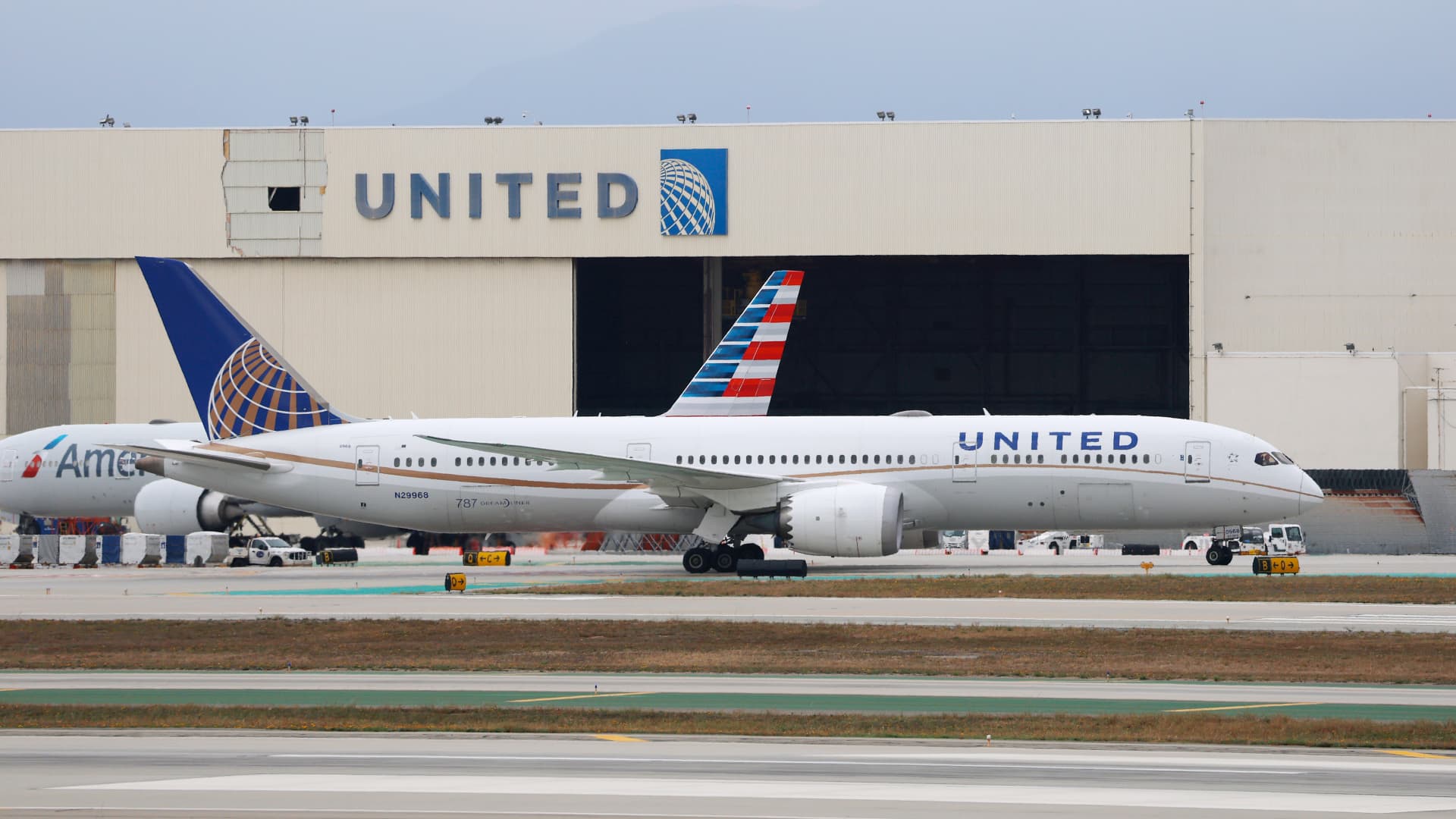
United Airlines CEO Scott Kirby has firmly stated that further large-scale airline mergers in the U.S. are not on his radar, nor does he anticipate significant industry consolidation. This declaration, following American Airlines’ rejection of a potential tie-up, signals a strategic shift for major carriers away from M&A as a primary growth driver, pushing a renewed focus on organic expansion and corporate growth initiatives.
🗝️ Corporate Strategy Insights
- M&A Slowdown Ahead. United’s CEO sees no viable major domestic acquisition targets, suggesting a halt to the current wave of consolidation among top-tier carriers.
- Partnerships Over Acquisitions. Delta’s continued emphasis on joint ventures in key international markets highlights an alternative growth strategy for global reach.
- Regulatory & Operational Hurdles. Significant challenges involving regulatory approval, union support, and integration complexity make large-scale airline mergers increasingly difficult to execute profitably.
United Airlines CEO Scott Kirby recently conveyed a clear message from Rio de Janeiro: the era of significant airline mergers in the U.S. is largely over. His comments, delivered during the International Air Transport Association’s annual meeting, followed American Airlines’ rejection of a potential combination earlier this year. Kirby, who has historically been an architect of major airline consolidation, now asserts that “there’s nothing” left in terms of viable large-scale merger opportunities, emphasizing the profound difficulty in executing deals that don’t make strong economic sense. This perspective marks a notable pivot, especially given prior discussions he initiated about a potential United-American tie-up with the Trump administration, aimed at bolstering competition against foreign rivals.
The sentiment is echoed by Delta Air Lines President Peter Carter, who also dismissed the prospect of mergers for his carrier. Instead, Delta has long prioritized a strategy of strategic partnerships and joint ventures, expanding its global footprint in crucial markets like South Korea, Mexico, and Europe. This approach underscores a broader industry realization: with the U.S. domestic air travel market nearing maturity, future growth avenues increasingly lie in international expansion and collaborative agreements rather than outright acquisitions. Kirby’s previous dismissal of buying new partner JetBlue further solidifies this stance, indicating a preference for operational alignment over full integration.
The recent wave of smaller consolidations, such as Allegiant and Sun Country this year, and Alaska Airlines and Hawaiian Airlines in 2024, are seen as isolated instances rather than harbingers of further major shake-ups. Executing a large merger requires alignment across all stakeholders—unions, customers, shareholders, regulators, and management teams. As Kirby pointed out regarding American’s management, such consensus is currently absent, making complex integrations insurmountable, though CNBC previously reported on the potential regulatory hurdles.
- Regulatory scrutiny has intensified, making approval for major airline consolidations a high hurdle, as seen with past attempts.
- Integrating disparate operational systems, fleets, and corporate cultures presents enormous challenges that can erode potential synergies.
- Gaining unanimous support from diverse stakeholder groups, including powerful labor unions, is often a protracted and difficult negotiation.
The explicit halt in top-tier airline mergers sends a clear strategic ripple throughout the aviation sector. Without the potential for quick market share gains through acquisition, major carriers like United and Delta are forced to intensify their focus on organic growth and operational efficiency. This translates into increased capital allocation towards fleet modernization, enhancing customer experience, and expanding route networks, particularly in high-growth international markets. For competitors, this means less pressure to react to mega-mergers but more direct competition on service, pricing, and network breadth. Delta’s stated ambition to “take on United” in the lucrative trans-Pacific market exemplifies this shift, signaling an intensified battle for market leadership in key global corridors. Smaller airlines, no longer acquisition targets for the largest players, might seek consolidation among themselves or explore niche market opportunities. The absence of large M&A also allows for a clearer focus on operational excellence, which can lead to better margins and a more stable competitive landscape in the long run. Investors will now scrutinize carriers’ ability to drive value through internal improvements and strategic alliances rather than hoping for transformative mergers.
The most critical strategic takeaway is the industry’s pivot from large-scale consolidation as a primary growth lever to an intensified focus on organic market development and strategic partnerships, a move driven by regulatory pressure and the sheer complexity of integrating major airline operations, impacting global market shifts.
While specific verifiable financial metrics from the news are limited, several key indicators highlight the evolving strategic landscape:
- Market Concentration: High, with four major U.S. carriers dominating. Further consolidation faces significant antitrust challenges.
- International Revenue Share: Growing importance for legacy carriers like United and Delta, offsetting mature domestic market growth.
- Partnership Expansion: Carriers increasingly leveraging joint ventures and alliances for global reach and efficiency, minimizing integration risks.
These indicators underscore why the path of least resistance for growth now lies in collaboration and organic expansion, rather than complex and scrutinized mergers.
United Airlines Strategic Analysis: Charting a Course Beyond M&A
United Airlines, under Scott Kirby’s leadership, appears to be doubling down on a strategy of operational excellence and targeted network expansion. Having recently partnered with JetBlue and reaffirming its disinterest in outright acquisitions, United is likely to prioritize investments in its existing fleet, technology, and service offerings. This approach aims to fortify its competitive position, particularly in international routes where it holds significant strength. The airline will need to demonstrate its ability to drive profitable growth through internal initiatives, optimizing its hubs and leveraging its strong brand presence to attract and retain high-value customers without the quick market share bumps from mergers. This involves a granular focus on route profitability, cost control, and efficient resource allocation.
United Airlines Market Leadership: Defending the Trans-Pacific Crown
United Airlines currently holds a strong position in the lucrative trans-Pacific market, a segment Delta President Peter Carter has explicitly targeted for increased competition. This sets the stage for a heightened rivalry, where United’s existing infrastructure, established routes, and customer loyalty will be critical assets. To defend its market leadership, United must continue innovating its service, offer competitive pricing, and potentially expand its network in collaboration with Asian partners. The airline’s ability to maintain efficient operations and deliver a superior customer experience on these long-haul routes will be paramount in fending off aggressive challengers like Delta and ensuring sustained profitability in a key growth segment. This intense competition emphasizes the need for robust operational efficiency to maintain market share.
United’s Strategic Trajectory: An Era of Internal Focus?
United Airlines’ public dismissal of further airline mergers signifies a critical juncture for the U.S. aviation industry. Rather than pursuing external consolidation, carriers like United and Delta are now firmly signaling a strategic redirection toward organic growth, operational efficiency, and international partnerships. This shift promises a more stable, albeit fiercely competitive, landscape where internal capabilities and targeted alliances will define market success.
- Major U.S. airlines will likely focus capital allocation on fleet modernization and network optimization.
- International markets, particularly trans-Pacific, are set to become primary battlegrounds for market share.
- Strategic partnerships and joint ventures will gain prominence as an alternative to M&A for global reach.
How will this renewed emphasis on internal growth and collaboration reshape the competitive dynamics among the major U.S. carriers in the coming years?
📊 StockXpo Analyst’s View
Market Impact: The explicit disavowal of large-scale airline mergers by key CEOs like United’s Scott Kirby is likely to dampen M&A speculative activity in the sector. This clarity could lead to a re-evaluation of airline stock valuations, shifting investor focus from potential acquisition premiums to fundamental operational performance, profitability margins, and organic growth strategies, a key area for educational insights. Liquidity might see less volatility from merger-related news, allowing more stable, long-term investment horizons for the stock markets.
Sector To Watch: The airline industry, specifically legacy carriers, will pivot towards intense competition in international growth segments, particularly the trans-Pacific routes. Companies focused on internal efficiencies, technology upgrades, and robust global partnership networks are poised to gain, while smaller, less efficient regional airlines might face pressure to find niche markets or form smaller alliances. Aircraft manufacturers and aviation technology providers may also see increased demand as airlines invest in modernizing their fleets and operations.
Financial Disclaimer:
StockXpo.com is a financial news aggregator and educational portal, not a registered investment advisor or broker-dealer. All information, news, and analysis provided herein are strictly for educational purposes and do not constitute investment, financial, legal, or tax advice. Investing in the stock market involves high risks, and past performance is not indicative of future results. StockXpo will not be liable for any financial losses or investment damages. Always consult a certified financial advisor before making market decisions.
MORE IN INSIDE BUSINESS
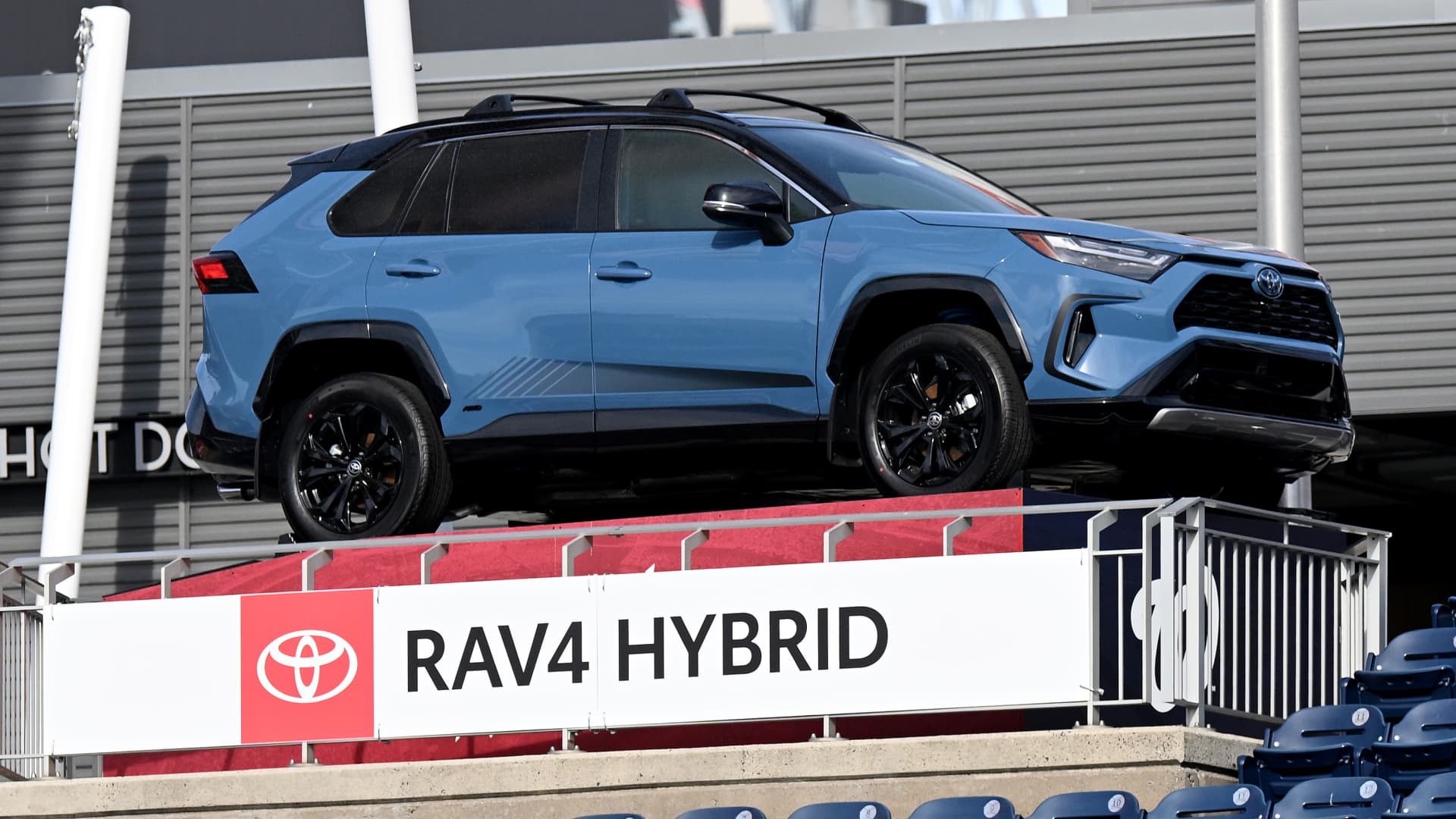
Hybrid Vehicles Surge: A Strategic Shift Driving U.S. Auto Sales Growth
Published: Wednesday, July 1, 2026 · 6:48 PM
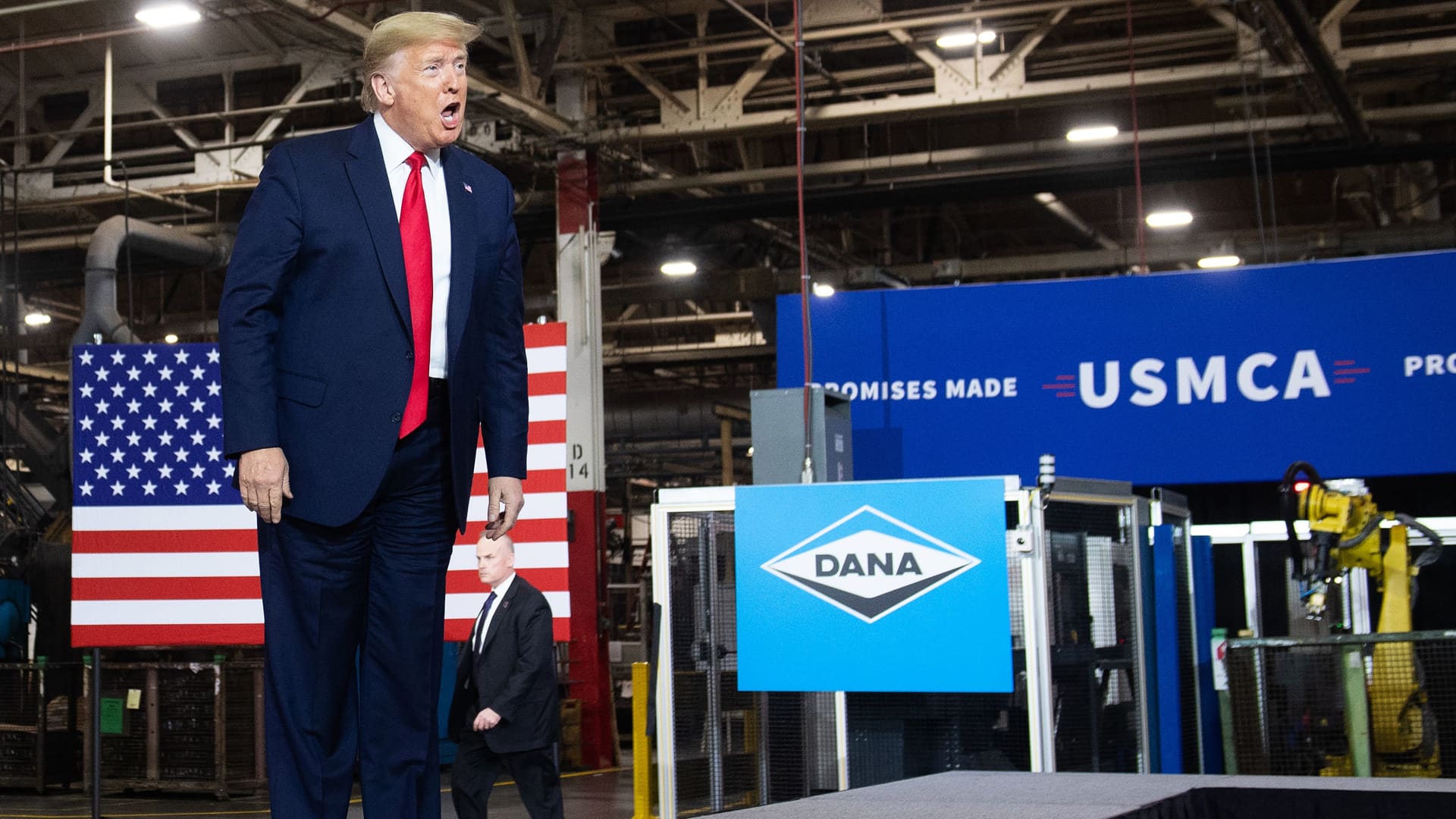
USMCA Trade Deal: Rising Uncertainty Threatens Auto Investment
Published: Wednesday, July 1, 2026 · 1:40 PM