Published: Tuesday, June 30, 2026 · 7:41 PM | Updated: Tuesday, June 30, 2026 · 7:41 PM
📊 246 views




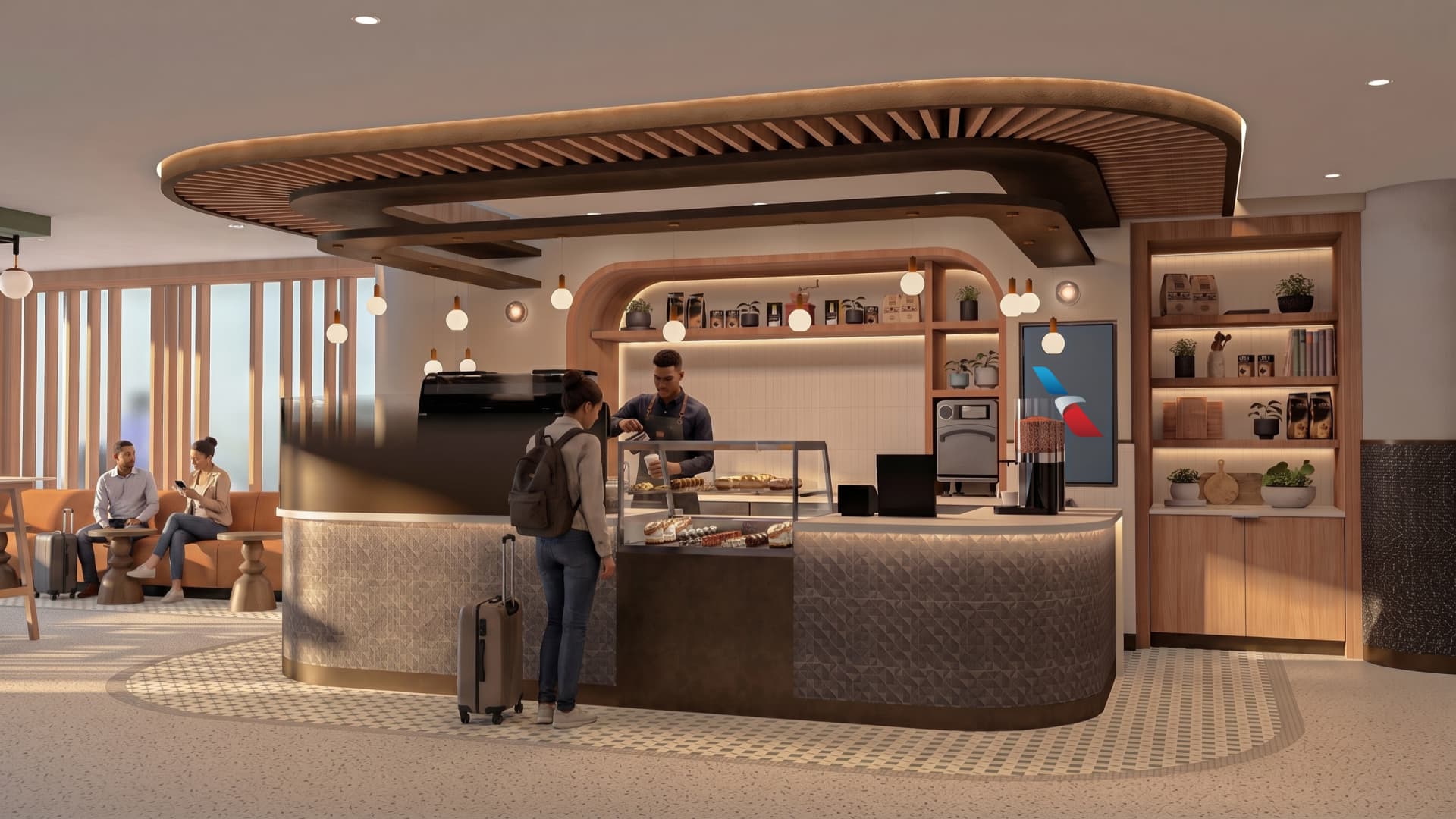
American Airlines is intensifying its battle for premium passengers with a new grab-and-go lounge at New York’s JFK, signaling a critical investment in high-value customer experience. This initiative aims to narrow the profit disparity with rivals Delta Air Lines and United Airlines by enhancing service for top-tier clientele and credit card holders, particularly in a key global hub. The introduction of the American Airlines JFK lounge underscores a broader industry trend towards tailored, efficient luxury amenities, reflecting a strategic pivot to secure lucrative market segments.
🗝️ Corporate Strategy Insights
- Targeted Customer Experience. American Airlines is focusing on time-crunched, high-paying customers and credit card holders, offering efficient, short-visit lounge access that reduces crowding in larger facilities.
- Competitive Response. This move directly addresses offerings from rivals like United Airlines and Delta Air Lines, aiming to close a persistent profit gap in the premium travel segment.
- Operational Efficiency Through Innovation. The grab-and-go ‘Provisions’ model optimizes lounge capacity and resource allocation, providing premium service without the extensive overhead of full-service clubs.
American Airlines’ decision to launch its new Provisions grab-and-go lounge at New York’s John F. Kennedy International Airport by year-end marks a significant tactical maneuver in the airline’s ongoing effort to capture a larger share of the lucrative high-paying customer segment. This 3,700-square-foot facility, offering barista-prepared beverages and quick food options, represents AA’s first new lounge at JFK in over four years. It is designed to cater to time-crunched premium travelers and elite loyalty members, providing expedited service without the full amenities—or crowding—of larger Admirals Clubs or Flagship Lounges.
The move aligns American with a growing industry trend, exemplified by United Airlines’ similar ‘mini-lounges’ launched in Denver. Airlines are increasingly recognizing the need to differentiate service offerings for various premium tiers, addressing both the demand for exclusive spaces and the operational challenge of overcrowded traditional lounges. This targeted approach aims to enhance the perceived value for high-revenue passengers who might otherwise gravitate towards competitors known for superior premium offerings, such as Delta Air Lines and United Airlines, both of whom have been more aggressive in this space. For deeper insights into market dynamics, consider exploring current global financial markets.
Key motivations behind this strategic expansion include:
- Addressing the competitive landscape by matching or exceeding rival premium amenities.
- Optimizing lounge capacity by diverting short-stay visitors from full-service clubs.
- Solidifying loyalty among high-value customers, who are critical for profitability.
Operating out of JFK’s Terminal 8, shared with Oneworld Alliance partners like British Airways and corporate growth strategies, and Alaska Airlines, the new Provisions lounge complements American’s existing trio of high-end lounges for long-haul business and first-class travelers, alongside its Admirals Club. This layered approach to premium access aims to cover a broader spectrum of elite traveler needs, from quick transits to more extensive pre-flight experiences, reinforcing American’s presence in a critical global gateway.
This strategic move is expected to have a significant ripple effect across the airline industry’s competitive landscape. By enhancing the premium offering at a critical international hub like JFK, American Airlines aims to bolster its appeal to corporate travelers and affluent leisure customers. This direct competitive action puts pressure on rivals, particularly Delta and United, to continually innovate and expand their own premium services. The grab-and-go model also represents an operational efficiency play, allowing AA to serve more premium passengers effectively without needing to build larger, more expensive full-service lounges. Over time, successful implementation could lead to increased market share in high-yield segments and improved profitability for American Airlines, pushing other carriers to refine their own tailored amenities.
This investment in the grab-and-go concept at JFK is a clear signal that American Airlines is prioritizing incremental enhancements to its premium product, specifically designed to capture the highly profitable, time-sensitive traveler and close strategic service gaps with its primary competitors.
While specific financial metrics for the projected impact are not yet public, key indicators of success for the new American Airlines JFK lounge include:
- Customer Satisfaction Scores: Higher ratings from premium passengers using the new facility.
- Premium Segment Revenue Growth: Direct correlation between enhanced amenities and increased revenue from elite members.
- Lounge Utilization Rates: Optimized flow between grab-and-go and full-service lounges.
American Airlines Strategic Analysis: Winning the Premium Race
American Airlines is actively re-evaluating its network and service offerings to ensure it remains competitive in the high-margin premium travel market. The JFK lounge opening follows a pattern of recent investments designed to elevate the overall customer journey for its most valuable passengers. This includes a broader strategy of aligning its premium ground experience with its enhanced in-flight products, ensuring a consistent luxury proposition from check-in to destination. The airline’s challenge has been to catch up with competitors who have historically led in premium service innovation, making each new facility a critical piece of a larger, integrated strategy. Investors often consider such moves when evaluating stock markets and company performance.
American Airlines Industry Benchmarking: Keeping Pace with Rivals
In the fiercely competitive airline sector, benchmarking against peers like Delta and United is paramount. Both Delta and United have aggressively expanded their premium offerings, from new club concepts to enhanced in-flight services, directly impacting market share in the lucrative business travel segment. American’s introduction of the grab-and-go lounge is a tactical move to match and differentiate, recognizing that modern premium travelers value convenience and efficiency as much as luxury. This facility aims to reduce the gap in perceived value and service innovation, a key factor in attracting and retaining high-yield customers who often compare services across major carriers before booking, as reported by leading business news outlets.
American Airlines’ JFK Play: An Edge in Competitive Skies?
The launch of American Airlines’ Provisions grab-and-go lounge at JFK signifies a calculated step to fortify its premium customer strategy in a high-stakes market. By catering to the specific needs of time-conscious, high-value travelers, AA aims to enhance loyalty and directly challenge competitors’ strongholds in the segment. This strategic facility is more than just a convenience; it’s a statement about American’s commitment to winning the lucrative battle for elite passengers.
- Reinforces AA’s commitment to the premium travel market at a major international hub.
- Addresses both customer demand for convenience and operational needs to manage lounge capacity.
- Positions American Airlines to better compete for high-yield customers against Delta and United.
How will this localized enhancement translate into broader market share gains for American Airlines in the fiercely contested premium travel segment?
📊 StockXpo Analyst’s View
Market Impact: This targeted investment by American Airlines is likely to be viewed positively by investors, signaling a clear strategy to improve revenue quality by focusing on high-margin customer segments. Increased competition in premium airport services could lead to moderate capital expenditure increases across the sector as airlines jockey for position, but also promises enhanced customer loyalty and pricing power for successful implementers.
Sector To Watch: The airline sector, particularly legacy carriers with extensive global networks, will remain under scrutiny. Companies demonstrating effective strategies for premiumization and operational efficiency in key hubs, especially those aligning loyalty programs with enhanced physical amenities, stand to gain. Watch for further innovations in airport experience, particularly from Delta and United, as they respond to American’s latest move. For more educational insights, visit the StockXpo blog.
Financial Disclaimer:
StockXpo.com is a financial news aggregator and educational portal, not a registered investment advisor or broker-dealer. All information, news, and analysis provided herein are strictly for educational purposes and do not constitute investment, financial, legal, or tax advice. Investing in the stock market involves high risks, and past performance is not indicative of future results. StockXpo will not be liable for any financial losses or investment damages. Always consult a certified financial advisor before making market decisions.
MORE IN INSIDE BUSINESS
Wonder’s Ambitious Strategy: Texas Expansion, Automation, and an IPO Path
Published: Sunday, October 25, 2026 · 9:32 AM

Young Airplane Scrapping: A $17 Million Engine Crisis Reshaping Aviation
Published: Saturday, October 24, 2026 · 8:26 AM