Published: Friday, June 5, 2026 · 6:52 PM | Updated: Friday, June 5, 2026 · 6:52 PM
📊 210 views




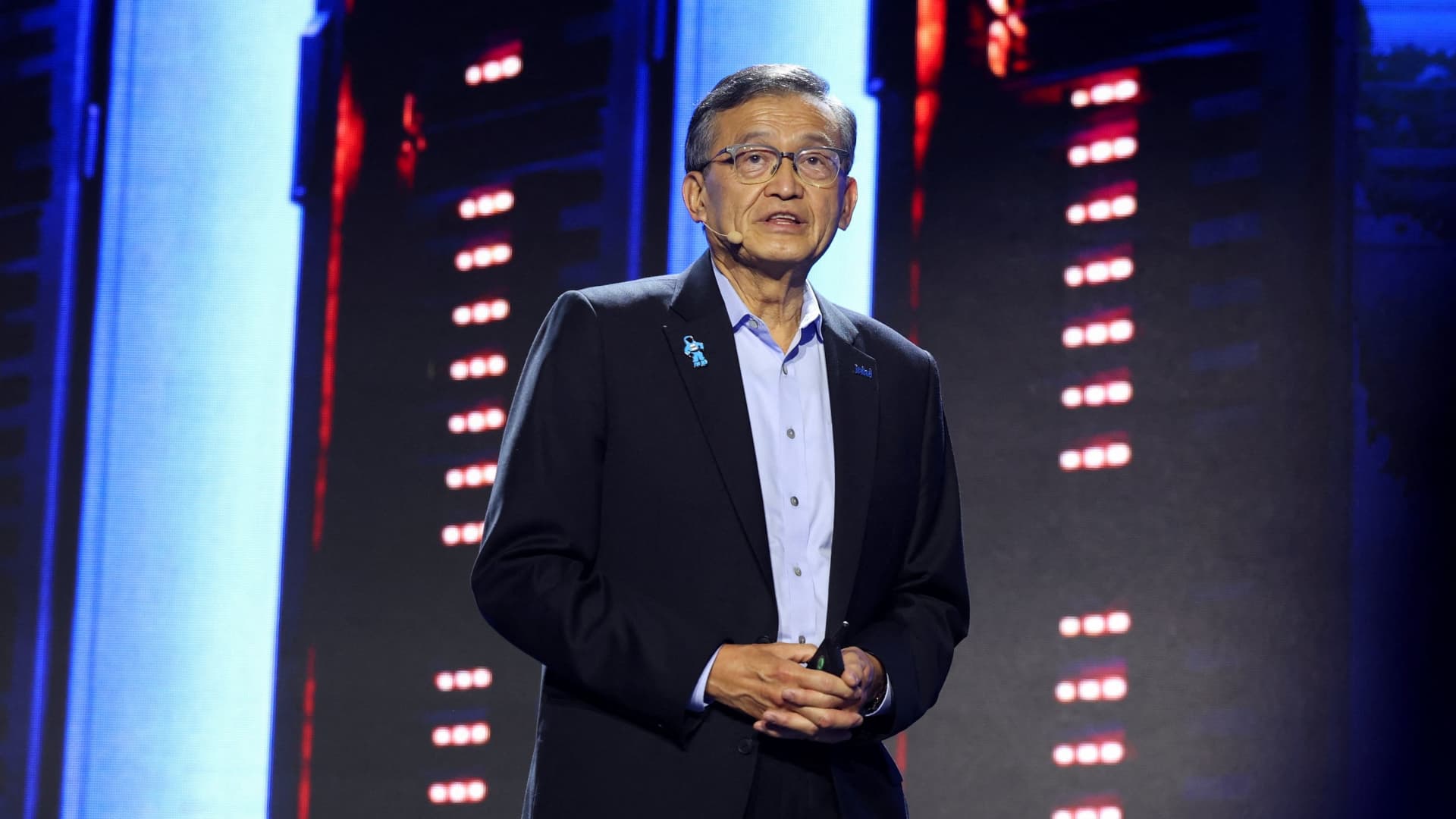
Jim Cramer’s Charitable Trust has increased its stake in Intel, signaling renewed confidence in the semiconductor giant amidst recent market volatility. This strategic move highlights a focus on the company’s core strengths and its positioning for future technological demands, particularly within the evolving data center landscape and the burgeoning Agentic AI era. The trust acquired an additional 100 shares at approximately $103 each, bringing its total holding to 500 shares and nudging its portfolio weighting to 1.3%. This action occurred as the broader tech sector experienced a significant downturn, with the Nasdaq falling over 2.5% and Intel shares dropping about 8% from recent highs.
🚀 Tech Strategy & Market Disruptions
- Agentic AI Computing Demand. The anticipated shift towards a 1-to-1 CPU-to-GPU ratio in data centers positions Intel’s central processing units (CPUs) as critical components for advanced AI workloads.
- Foundry Business Opportunity. Intel’s expanding chip manufacturing capabilities present a compelling alternative for companies seeking diversified and advanced semiconductor production, challenging established players.
- Technological Execution Improvements. Under CEO Lip-Bu Tan, the company has demonstrated significant progress in both its technological offerings and operational execution, enhancing its competitive standing.
The rationale behind this investment appears multi-faceted, extending beyond the traditional CPU market. Intel’s strategic push into chip manufacturing, often referred to as its foundry business, is gaining traction as global supply chain constraints and geopolitical considerations drive companies to seek alternative production partners. While Taiwan Semiconductor Manufacturing Company (TSMC) remains the undisputed leader, Intel’s growing capacity and its commitment to advanced packaging technologies present a significant opportunity to capture new foundry customers.
The “Agentic AI era” signifies a future where artificial intelligence systems operate with greater autonomy and proactive decision-making capabilities. This paradigm shift is expected to drive substantial demand for specialized computing infrastructure, where the interplay between CPUs and GPUs is paramount. Intel’s established strength in CPU design, coupled with its efforts to enhance its GPU offerings and overall ecosystem, positions it to be a key player in this transformative technological wave. The narrative here is not just about selling more chips, but about providing the foundational computing power that will enable the next generation of intelligent systems.
Navigating the Evolving Chip Architecture Landscape
The semiconductor industry is in constant flux, driven by relentless innovation and shifting market demands. Intel’s recent strategic adjustments, including its significant investments in foundry services and its focus on the evolving data center architecture, reflect a proactive approach to these changes. The potential for a 1-to-1 CPU-to-GPU ratio in future data centers is a critical development, suggesting that processing power will need to be more balanced between general-purpose computation and specialized parallel processing. This could unlock new avenues for Intel’s CPU business, which has historically been its cornerstone.
- The increasing demand for AI and machine learning workloads is a primary catalyst for this architectural shift.
- Diversification of chip manufacturing sources is becoming a strategic imperative for global technology firms.
- Improvements in chip packaging and integration technologies are crucial for enhancing performance and efficiency.
Intel’s Foundry Business: A Strategic Pivot
Intel’s foray into offering its manufacturing capabilities to external clients, a foundry model, is a bold move aimed at diversifying its revenue streams and leveraging its extensive fabrication infrastructure. Companies are increasingly wary of relying on a single dominant manufacturer, especially given the historical chip shortages and supply chain disruptions that have plagued various industries. Intel’s ambition to compete with established foundries like TSMC represents a significant challenge but also offers a substantial reward if successful. Success in this area would not only bolster its financial performance but also solidify its position as a comprehensive semiconductor solutions provider. For those seeking to understand the latest emerging technologies, keeping a close eye on Intel’s foundry progress is essential.
Intel’s dual strategy of enhancing its core CPU business while aggressively pursuing foundry opportunities positions it to capitalize on both established and emerging market needs, particularly in the high-stakes arena of AI infrastructure.
The Road Ahead for Advanced Chip Manufacturing
The future of computing is inextricably linked to advancements in semiconductor technology. As AI models grow more complex and data processing requirements escalate, the demand for more powerful, efficient, and specialized chips will only intensify. Intel’s renewed focus on innovation and its strategic investments in manufacturing capacity signal a commitment to meeting these future demands. While competition remains fierce, the company’s long-standing expertise and its evolving business model suggest a robust potential for continued growth and market influence in the years to come. Understanding these dynamics is key to comprehending the broader educational tech insights shaping the digital landscape.
Intel’s Evolving Platform Architecture
Intel’s approach to platform architecture is undergoing a significant transformation, driven by the need to support more sophisticated computing paradigms like Agentic AI. The company is not merely focused on the raw processing power of its CPUs but also on how these processors integrate with other components, particularly GPUs, to create synergistic computing systems. The move towards a balanced CPU-GPU ratio in data centers signifies a paradigm shift where specialized accelerators are no longer an afterthought but an integral part of the core compute fabric. This requires Intel to think holistically about system design, software optimization, and the overall data flow within complex environments. Their investments in advanced packaging and interconnect technologies are critical enablers for such integrated architectures, aiming to reduce latency and increase bandwidth between disparate processing units.
Intel’s Market Adoption Challenges
While Intel’s technological advancements and strategic initiatives are promising, significant challenges remain in gaining widespread market adoption, particularly for its foundry services. The semiconductor industry is characterized by established trust and long-standing relationships, and convincing major fabless design companies to shift production to Intel requires more than just technical prowess. Factors such as yield rates, manufacturing consistency, intellectual property protection, and competitive pricing will be crucial in swaying potential customers. Furthermore, the perception of Intel’s internal chip design capabilities versus its foundry services needs to be clearly delineated to avoid potential conflicts of interest in the eyes of its clients. Navigating these complex market dynamics will require sustained execution excellence and transparent communication with the industry. A deeper dive into the technology market trends often reveals these intricate adoption hurdles.
Intel’s Foundry Business: A Disruptive Opportunity
Intel’s expansion into the foundry business represents a significant move to disrupt the established semiconductor manufacturing landscape. By offering its advanced manufacturing capabilities to a wider range of clients, Intel aims to challenge the dominance of players like TSMC and Samsung. This is particularly relevant as global supply chains face increasing pressure and geopolitical uncertainties. The demand for advanced chip manufacturing and packaging solutions is growing, and Intel is positioning itself to capture a substantial share of this market. This diversification not only strengthens Intel’s financial outlook but also contributes to a more resilient and competitive semiconductor ecosystem globally. Investors are closely watching to see how Intel’s foundry strategy unfolds, as it could fundamentally alter the dynamics of chip production, impacting companies across various technology sectors. For a comprehensive view on industry shifts, see reuters.com/technology.
Intel Chip Momentum Signals Renewed Market Strength
Intel’s recent investment by Jim Cramer’s Charitable Trust underscores a growing sentiment that the company’s strategic pivot towards advanced manufacturing and its positioning for the Agentic AI era are poised for significant market impact. The company’s technological improvements and expanded foundry services present a compelling case for innovation-driven growth.
- Intel’s increased focus on CPU-GPU integration is aligning with the demands of next-generation AI computing.
- The foundry business offers a clear path to revenue diversification and market share expansion.
- Execution improvements under current leadership are enhancing the company’s competitive viability.
Will Intel’s strategic investments in manufacturing and AI enablement solidify its position as a dominant force in the evolving semiconductor landscape?
📊 StockXpo Analyst’s View
Market Impact: The renewed investor confidence in Intel, coupled with its strategic expansion into foundry services, could exert downward pressure on competitors who lack similar diversification or manufacturing scale. This news may also stimulate increased investment in AI infrastructure and advanced computing solutions across the board.
Sector To Watch: The semiconductor manufacturing equipment (SME) sector, along with companies heavily reliant on advanced chip development for AI applications, are likely to see significant shifts. Investors should monitor companies that benefit from increased fab utilization and those enabling complex chip integration.
Financial Disclaimer:
StockXpo.com is a financial news aggregator and educational portal, not a registered investment advisor or broker-dealer. All information, news, and analysis provided herein are strictly for educational purposes and do not constitute investment, financial, legal, or tax advice. Investing in the stock market involves high risks, and past performance is not indicative of future results. StockXpo will not be liable for any financial losses or investment damages. Always consult a certified financial advisor before making market decisions.
MORE IN INSIDE TECHNOLOGY
 $11B Productivity Breakthrough featured image" style="width: 100%; height: auto;" />
Construction Robots: Innovation Driving a $11B Productivity Breakthrough
Published: Saturday, September 12, 2026 · 10:07 AM

AI Self-Improvement: Unpacking the Existential Risk for Tech Giants
Published: Friday, September 11, 2026 · 7:22 AM