Published: Thursday, June 25, 2026 · 5:53 PM | Updated: Thursday, June 25, 2026 · 5:53 PM
📊 266 views




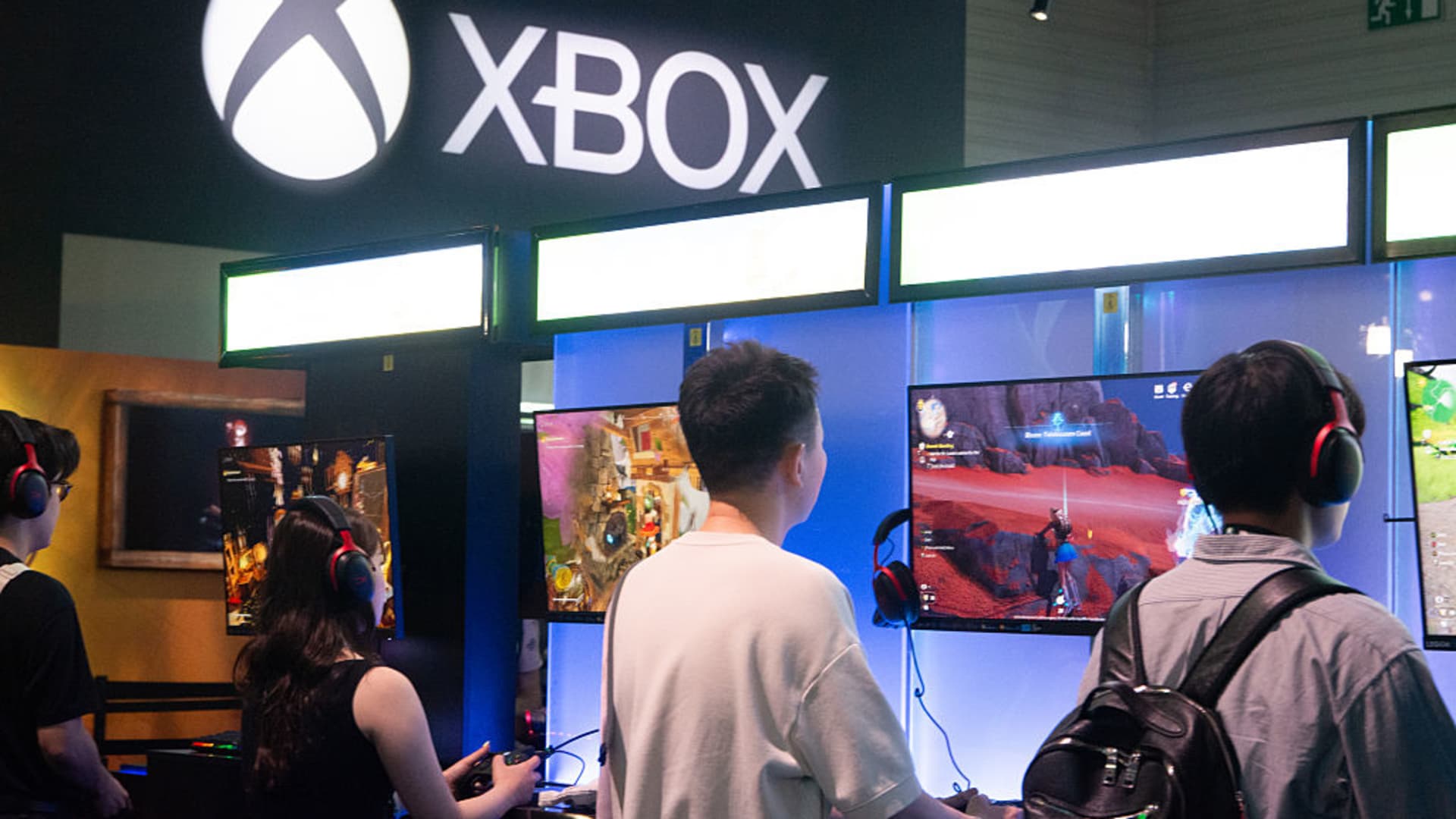
Microsoft has announced significant price hikes for its Xbox Series S and X consoles, following a similar move by Apple for MacBooks and iPads. This escalation in Xbox console prices reflects a broader industry challenge driven by surging component costs, particularly memory, increasingly prioritized for high-demand AI infrastructure.
🚀 Tech Strategy & Market Disruptions
- AI Demand Fuels Component Inflation. The voracious appetite for high-bandwidth memory (HBM) by AI hardware, exemplified by Nvidia’s GPUs, is diverting supply and driving up prices for standard memory components critical for consumer electronics.
- Eroding Console Profit Margins. Unlike other consumer devices, gaming consoles are often sold at razor-thin margins or even a loss, making them highly vulnerable to sudden increases in manufacturing costs and potentially forcing platform holders to reconsider traditional pricing models.
- Industry-Wide Supply Chain Strain. Microsoft’s and Apple’s announcements highlight a pervasive supply chain crisis affecting the entire consumer electronics sector, with memory manufacturers like Micron and SK Hynix raising prices due to limited capacity and soaring demand.
On Thursday, Microsoft confirmed consumers would face increased prices for its Xbox game consoles, effective August 1. This decision closely followed Apple’s announcement of price hikes for its MacBook and iPad lines, collectively signaling a significant inflationary pressure across the consumer electronics sector. The core driver behind these adjustments, as stated by Microsoft in a blog post, is the substantial increase in component costs, specifically console storage and memory. The company noted that these prices have already soared by over 2.5 times and are projected to double again by the fall of 2027, a trend widely reported in financial news like major tech publications.
This trend is exacerbated by memory manufacturers, including key players like Micron and SK Hynix, who are grappling with limited production capacity. Their strategic prioritization of high-bandwidth memory (HBM) for the burgeoning artificial intelligence infrastructure, particularly for powering high-performance GPUs from companies such as Nvidia, has directly impacted the availability and cost of conventional memory modules essential for devices like gaming consoles, smartphones, and computers. This strategic shift allows manufacturers to command higher prices, leading to wider profit margins in the AI-focused segment, but creating a challenging environment for other hardware producers. Microsoft had previously adjusted Xbox pricing in the U.S. in October of the prior year, indicating that the current increases are not an isolated event but rather a continuation of macroeconomic pressures and supply chain volatility.
Gaming consoles, in particular, face unique financial constraints. Unlike many other consumer devices that often carry substantial profit margins, consoles are traditionally sold at cost or even below their manufacturing price. This business model relies on recouping costs through game sales, subscriptions, and accessories. When fundamental component costs rise dramatically, as seen with memory, this strategy becomes unsustainable, directly impacting the profitability and market positioning of platforms like Xbox.
The disruption flow from escalating memory costs to consumer impact is clear and cascading: Intensified demand for AI computing resources, specifically high-bandwidth memory, has led to memory manufacturers strategically redirecting limited production capacity toward lucrative AI sectors. This reallocation has inadvertently caused a tightening of supply and a subsequent increase in pricing for standard memory components vital for general consumer electronics. Consequently, major hardware producers like Microsoft and Apple are compelled to pass these elevated costs onto consumers through higher device prices for popular products such as Xbox console prices, MacBooks, and iPads. This dynamic threatens to strain consumer budgets and potentially slow the adoption rate of new gaming hardware, particularly for price-sensitive markets, while further solidifying the financial strength of memory suppliers and AI chipmakers. Consistently, industry reports confirm that these elevated costs are reshaping supply chain strategies.
‘The current memory supply crunch, heavily influenced by AI’s insatiable demand for HBM, presents a critical challenge to traditional hardware business models. For a CTO, it necessitates a deep re-evaluation of supply chain resilience, component diversification strategies, and even the potential for vertical integration or novel partnership models to mitigate future cost shocks and ensure innovation-driven growth in competitive markets.’
The impact of rising component costs is quantifiable across Microsoft’s console lineup:
- Xbox Series S (512 GB): Price increased by $100 to approximately $500.
- Xbox Series S (1 TB): Price increased by $150 more than the 512 GB model.
- Xbox Series X (Entry-Level): Now starts at about $750.
- Memory Price Inflation: Console storage and memory prices have increased more than 2.5x, with expectations for another doubling by fall 2027.
- Product Discontinuation: The 2 TB Xbox Series X, introduced in 2024, will no longer be available.
Microsoft’s Gaming Platform Architecture
Microsoft’s Xbox platform architecture, while robust, is inherently dependent on standardized, high-volume components. The current shift in the memory market highlights a vulnerability for hardware manufacturers that rely heavily on off-the-shelf parts. While custom silicon integration, such as AMD’s chips powering both Xbox and PlayStation, offers some optimization, the underlying memory and storage solutions are largely commoditized. This makes the gaming division highly susceptible to global supply chain pressures and pricing volatility in the semiconductor industry. Architecturally, this could force future console generations to consider more modular designs, enhanced cloud integration, or even a shift towards proprietary memory solutions if the cost trajectory continues, to maintain competitive pricing and performance envelopes. Ensuring the continuous availability of components that facilitate emerging technologies and robust security is paramount for ecosystem stability, as detailed in various discussions around technology market trends.
Xbox Market Adoption Challenges in a Shifting Landscape
The increased Xbox console prices introduce significant market adoption challenges, especially as the gaming industry increasingly pivots towards subscription services, cloud gaming, and more accessible hardware options. With competitors like Sony potentially facing similar cost pressures, the race for market share shifts beyond raw console power to value proposition. Consumers, already facing broader economic pressures, may delay upgrades or explore alternatives such as PC gaming or mobile platforms, which offer a lower barrier to entry. Furthermore, the rising cost of entry could hamper efforts to expand the Xbox ecosystem into emerging markets where price sensitivity is particularly high. This scenario underscores the need for continuous innovation in service offerings and strategic pricing to maintain competitive edge, a common theme in understanding emerging technologies and market dynamics.
The Xbox Pricing Shift: Navigating Supply, Demand, and AI’s Shadow
Microsoft’s latest price adjustments for its Xbox consoles are a direct consequence of a semiconductor market reshaped by unprecedented demand from the AI sector. This move signals a difficult balancing act between maintaining profitability and keeping consumer access affordable in a fiercely competitive gaming landscape. The long-term implications for the console market, and broader consumer electronics, will depend heavily on how quickly supply chains can adapt to the AI-driven component demand and whether manufacturers can innovate to mitigate future cost pressures.
- The prioritization of HBM for AI infrastructure is a fundamental market shift affecting multiple tech sectors.
- Traditional console business models, often relying on low hardware margins, are under severe stress.
- Consumers are likely to face sustained higher prices across various electronics until supply normalizes.
Will the gaming industry’s reliance on hardware shift even further towards cloud and subscription services as physical console costs continue to rise?
📊 StockXpo Analyst’s View
Market Impact: The increased Xbox console prices, coupled with Apple’s similar actions, could dampen consumer spending on discretionary electronics, potentially impacting sales volumes in the short to medium term. Investor sentiment for hardware-centric companies might face headwinds, while firms providing AI infrastructure or benefiting from increased memory prices (like Micron, Nvidia) could see continued positive momentum. This divergence highlights a re-segmentation of tech value drivers.
Sector To Watch: The semiconductor manufacturing sector, particularly companies specializing in high-bandwidth memory and advanced packaging for AI, remains critical. Additionally, the cloud gaming and subscription service industries (e.g., Xbox Game Pass) are poised for potential acceleration as consumers seek alternative, potentially more cost-effective ways to access gaming experiences amidst rising hardware prices, offering valuable educational tech insights.
Financial Disclaimer:
StockXpo.com is a financial news aggregator and educational portal, not a registered investment advisor or broker-dealer. All information, news, and analysis provided herein are strictly for educational purposes and do not constitute investment, financial, legal, or tax advice. Investing in the stock market involves high risks, and past performance is not indicative of future results. StockXpo will not be liable for any financial losses or investment damages. Always consult a certified financial advisor before making market decisions.
MORE IN INSIDE TECHNOLOGY

Anthropic Pentagon Blacklisting: A Major Risk for AI’s Public Sector Role
Published: Wednesday, October 14, 2026 · 12:03 AM

Bond Yields Under Pressure: IMF Warns of ‘Disorderly’ Spike Driven by AI Debt and Inflation
Published: Tuesday, October 13, 2026 · 1:21 AM