
Published: Wednesday, June 3, 2026 · 2:16 AM | Updated: Wednesday, June 3, 2026 · 2:16 AM
📊 223 views




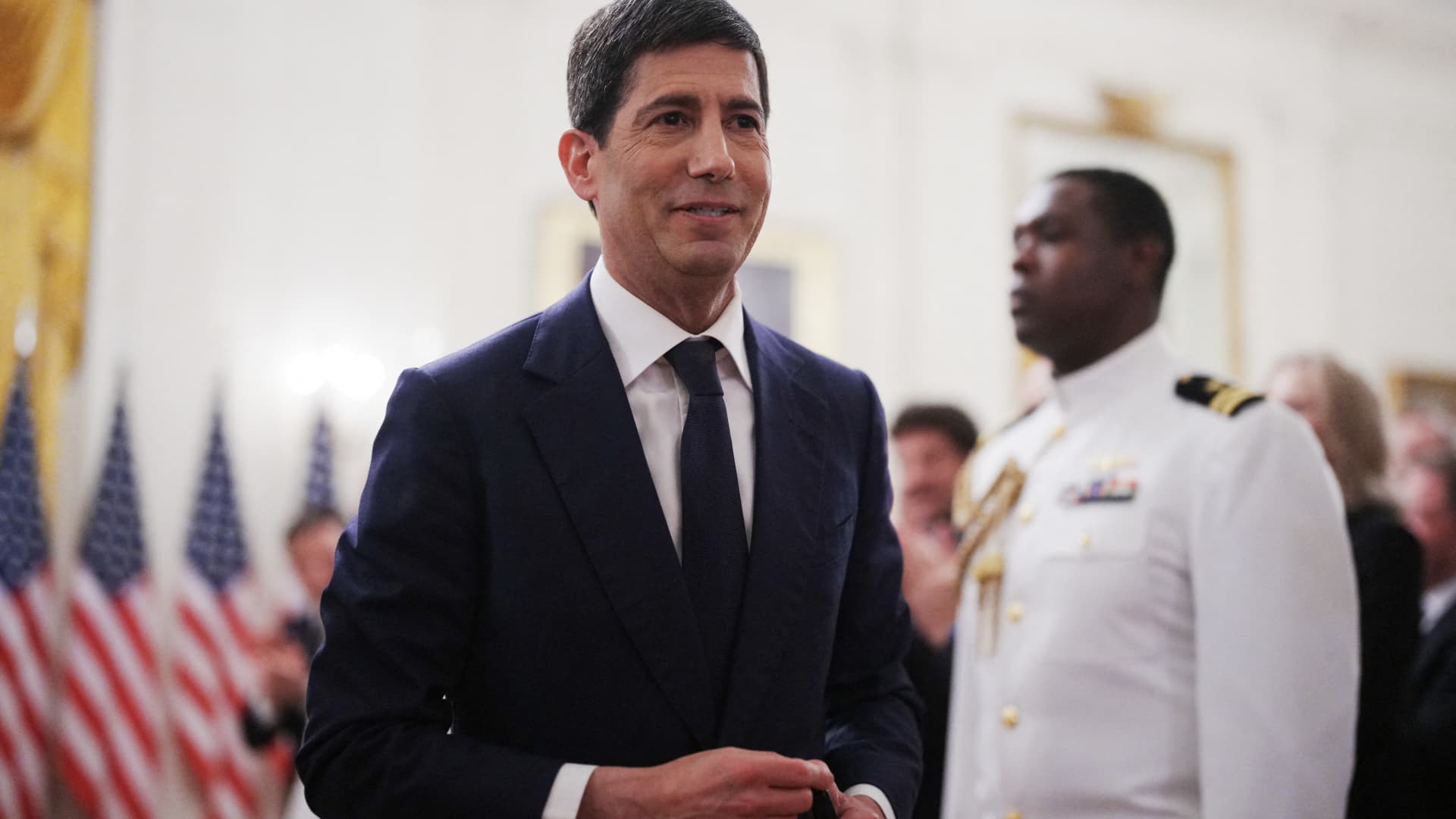
New Federal Reserve Chair Kevin Warsh is signaling a decisive shift in central bank policy, with his initial key hires drawing immediate attention from market participants. By bringing in advisors with strong ties to conservative economic blueprints, Warsh appears poised to challenge established norms within the institution. This move sets the stage for potential recalibrations in monetary policy, impacting everything from inflation targets to employment objectives.
💰 Financial Strategy & Market Insights
- Policy Overhaul Signal. The appointment of Paul Winfree, a contributor to the ‘Project 2025’ policy document, indicates a potential departure from the Fed’s current dual mandate, possibly prioritizing inflation control over employment maximization.
- Insider-Turned-Critic Approach. Warsh’s own history as a former Fed governor during the 2007-2008 crisis, coupled with his stated desire for ‘regime change,’ suggests a critical re-evaluation of the central bank’s operational framework.
- Advisory Network Scrutiny. While Warsh boasts a network of influential figures, the limited presence of traditional central banking expertise among his initial hires raises questions about the depth of institutional knowledge informing his decisions.
Kevin Warsh’s early staffing decisions at the Federal Reserve underscore a commitment to a significant policy recalibration, a move closely watched by investors navigating global market dynamics. The inclusion of Paul Winfree, who authored a chapter on Federal Reserve reform within the ‘Project 2025’ conservative policy agenda, is particularly noteworthy. Winfree’s prior work has explored radical suggestions such as dismantling the Fed’s dual mandate, advocating instead for a singular focus on ‘protecting the dollar and restraining inflation’. This stands in contrast to Warsh’s public statements at his swearing-in, where he expressed support for both aspects of the dual mandate.
Daniel Heil’s addition to Warsh’s team, bringing experience from Stanford’s Hoover Institution, further solidifies an advisory cohort that appears to be drawn from outside the traditional Fed ecosystem. This strategic selection of personnel, described as temporary contractors for ‘policy analysis and planning on special projects,’ suggests an agenda that prioritizes fresh perspectives and potentially contrarian viewpoints. Warsh himself has cultivated an image as an insider who became a critic after his tenure as a Fed governor during the critical 2007-2008 financial crisis, a narrative that now appears to be shaping his leadership approach.
The implications for capital shifts and asset valuation are substantial. A move away from a dual mandate could fundamentally alter the interest rate environment, impacting bond yields and equity valuations across sectors. Investors will be keenly observing how these new perspectives translate into actual policy directives, potentially leading to increased volatility as markets adjust to a new era of monetary strategy. This development offers a unique window into the evolving landscape of central banking and its direct influence on comprehensive market analysis.
- Potential Policy Shift: The influence of ‘Project 2025’ advisors could lead to a re-evaluation of the Fed’s objectives, potentially impacting inflation and employment strategies.
- Risk Management Focus: A singular focus on inflation and dollar protection might necessitate more aggressive interest rate adjustments, increasing financial sector risk.
- Advisory Network Dynamics: The emphasis on external advisors may foster innovation but could also introduce challenges in integrating new ideas with established institutional processes.
Fed’s New Direction: Decoding the Policy Ripple
The Federal Reserve’s commitment to its dual mandate—maximizing employment and stabilizing prices—has been a cornerstone of monetary policy for decades. However, the hiring of individuals like Paul Winfree, who have explicitly advocated for narrowing this focus to ‘protecting the dollar and restraining inflation,’ suggests a potential philosophical divergence at the highest levels of the central bank. This tension between Warsh’s stated endorsements and his advisors’ published ideas will be a critical area to monitor.
Kevin Warsh’s Policy Evolution Analysis
Warsh’s past criticisms of the Fed, including his assertion that achieving ‘regime change’ would require ‘breaking some heads,’ indicate a desire for significant structural and operational reform. While his recent rhetoric has softened, emphasizing the creation of an environment for ‘best work,’ the underlying sentiment for change appears robust. His broader network includes prominent figures like Condoleezza Rice and Stanley Druckenmiller, but the core team he is assembling seems geared towards intellectual disruption rather than incremental adjustments.
The potential impact on market liquidity cannot be overstated. Shifts in Fed policy, particularly concerning interest rate trajectories and inflation targets, can dramatically alter the cost of capital and the attractiveness of various asset classes. For instance, a more hawkish stance on inflation could lead to higher short-term rates, impacting short-term debt markets and potentially slowing down lending activity. Conversely, a stronger emphasis on dollar protection could influence foreign exchange markets and international capital flows, affecting global investment strategies discussed on financial news platforms.
- Upside Potential: Successful implementation of targeted policies could lead to greater price stability and a stronger dollar, benefiting certain sectors and investors.
- Downside Risks: Overly aggressive policy shifts could trigger economic slowdowns, increased unemployment, or financial market instability, negatively impacting broad asset classes.
The central tenet of monetary policy reform often revolves around the trade-offs between inflation, employment, and financial stability. A shift in focus, such as prioritizing inflation containment, fundamentally alters the calculus for interest rate decisions and could lead to a less accommodative financial environment, impacting investment horizons and risk appetites.
Federal Reserve Dual Mandate Dynamics
The concept of the Fed’s dual mandate, established by Congress, is crucial to understanding potential policy shifts. Originally articulated to promote maximum employment and stable prices, it has guided the central bank’s actions for decades. Any significant deviation from this framework, such as the elimination or de-emphasis of the employment objective, would represent a profound change, impacting labor markets and the overall economic growth outlook.
Warsh’s Fed Personnel Alignment
The strategic selection of advisors like Paul Winfree and Daniel Heil suggests a deliberate effort to infuse the Federal Reserve with perspectives that may challenge the status quo. Winfree’s background in developing conservative policy proposals, including those concerning the Fed’s structure and objectives, positions him as a key voice in Warsh’s nascent policy planning. This alignment of personnel with specific ideological and policy leanings provides a clear signal of the direction the new Fed Chair intends to steer the institution. Such developments are crucial for anyone seeking insights into the finance sector.
Federal Reserve Policy Focus
The debate around the Fed’s primary focus—whether it should be on inflation, employment, or a balanced approach—is a perennial one in economic circles. Kevin Warsh’s hiring choices indicate a potential leaning towards prioritizing inflation control and currency strength. This emphasis could lead to adjustments in how the Fed interprets economic data and formulates its monetary policy responses, potentially leading to a less predictable interest rate environment for asset managers and a more challenging landscape for investment strategies.
Fed’s New Leadership Direction
Kevin Warsh’s initial staffing choices signal a clear intent to implement substantial policy changes at the Federal Reserve. The inclusion of advisors with backgrounds in conservative economic reform blueprints suggests a potential pivot from the established dual mandate, with a heightened focus on inflation and currency stability.
- The appointments indicate a deliberate move towards challenging existing Fed orthodoxy.
- Investors should prepare for potential shifts in interest rate policy and quantitative tightening/easing strategies.
- The personnel choices suggest an administration that values ideological alignment and a critical re-evaluation of central banking’s role.
Financial Disclaimer:
StockXpo.com is a financial news aggregator and educational portal, not a registered investment advisor or broker-dealer. All information, news, and analysis provided herein are strictly for educational purposes and do not constitute investment, financial, legal, or tax advice. Investing in the stock market involves high risks, and past performance is not indicative of future results. StockXpo will not be liable for any financial losses or investment damages. Always consult a certified financial advisor before making market decisions.
MORE IN INSIDE FINANCE

Singapore Haven: Stability Yields Opportunity Amid Global Volatility
Published: Tuesday, October 13, 2026 · 12:19 AM

Inflation Peak for 2026: Sticky Prices to Challenge Asset Valuations
Published: Monday, October 12, 2026 · 11:45 AM


