Published: Wednesday, June 3, 2026 · 4:17 AM | Updated: Wednesday, June 3, 2026 · 4:17 AM
📊 271 views




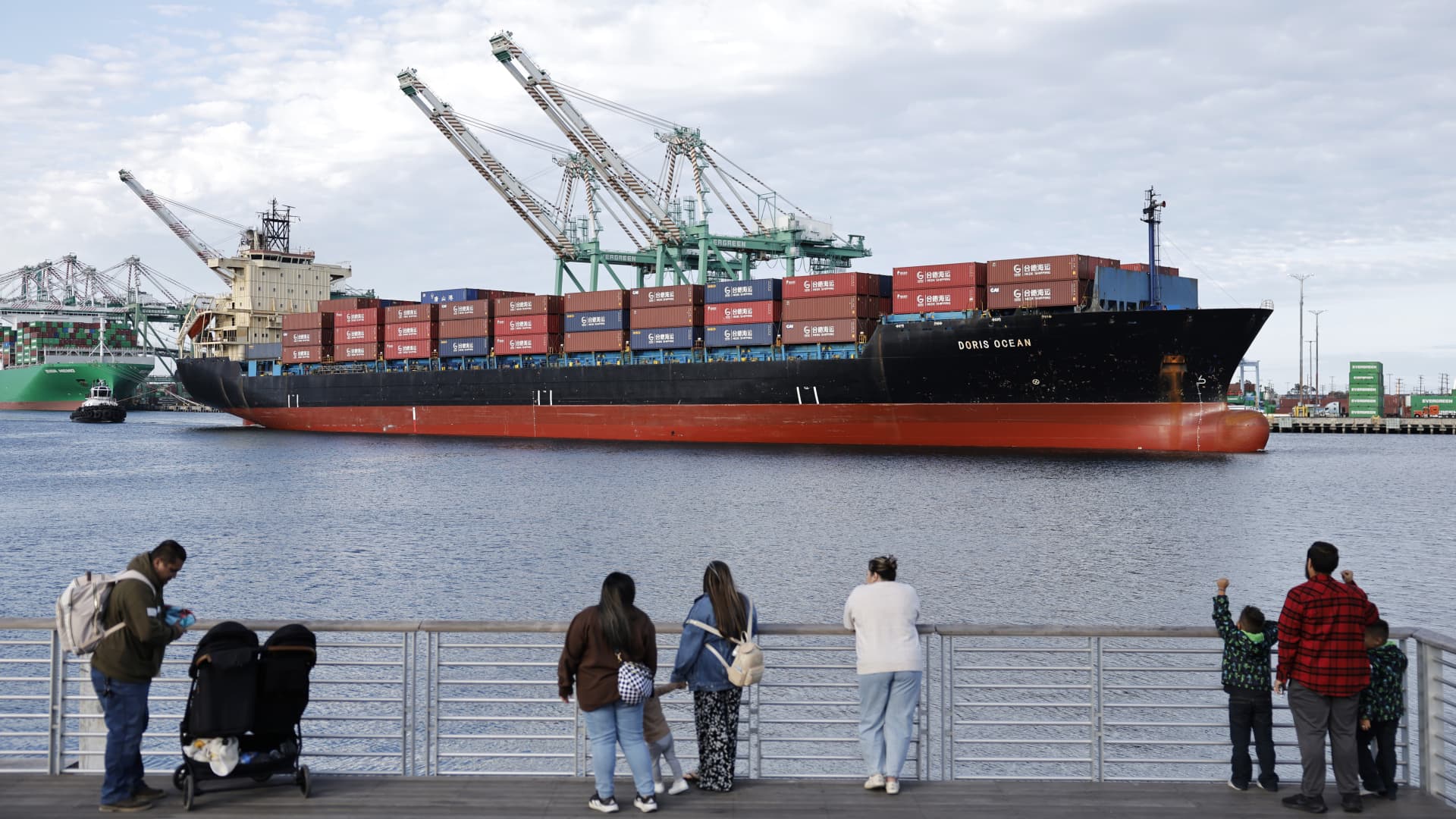
The United States has ignited a new front in global trade policy, proposing significant forced labor tariffs on goods from 60 economies worldwide. This aggressive move, spearheaded by the Office of the U.S. Trade Representative (USTR), aims to recalibrate an ‘unlevel playing field’ for American businesses and workers, challenging major trading partners like China, the European Union, and Japan. This development promises to reshape international commerce and supply chain dynamics, impacting a broad spectrum of industries globally.
📊 Macro-Economic Strategic Insights
- Broad-Scope Tariffs Proposed. The USTR seeks duties of 10% or 12.5% on imports from 60 nations, asserting a failure to adequately address forced labor practices.
- Section 301 Invoked. This action falls under Section 301 of the Trade Act of 1974, a powerful tool allowing the U.S. to enforce trade agreements and address unfair trade practices.
- Global Economic Impact. Major trading partners like China, the EU, and Japan are among those targeted, signaling widespread repercussions for international supply chains and trade relations.
USTR Jamieson Greer stated that the ‘failure of our most important trading partners to address the importation of goods made with forced labor is unacceptable,’ creating an unfair competitive environment for American workers. The proposed duties vary, with a 10% rate for economies that have implemented at least a partial ban on forced labor-related trade, and a steeper 12.5% for those without such prohibitions. This comprehensive approach also includes a separate textile mechanism, designed to permit a specific volume of apparel and textile imports from some nations at reduced rates, softening the blow for certain sectors while maintaining the core objective.
This concerted effort reflects an escalating focus on human rights within trade policy, pushing countries to reinforce labor standards or face economic penalties. The implications of these forced labor tariffs extend far beyond immediate import costs, potentially catalyzing significant shifts in global sourcing strategies and manufacturing hubs. Businesses reliant on international supply chains, particularly those with exposure to the 60 targeted economies, will need to reassess their operational frameworks to mitigate risks and ensure compliance.
- The scope of these proposed tariffs is exceptionally broad, impacting a significant portion of global trade flows.
- This initiative aims to fundamentally reshape global supply chains by increasing the cost of goods produced using non-compliant labor practices.
- The policy challenges existing trade agreements and commitments, prompting a re-evaluation of international commerce rules.
Understanding the Ripple Effect on Global Commerce
The economic consequences of these new tariffs are anticipated to cascade through the global economy, creating discernible cause-and-effect relationships.
- New Tariffs → Higher Import Costs for Businesses → Supply Chain Re-evaluation & Diversification.
- Increased Production Costs (passed to consumers) → Potential Consumer Price Pressure → Risk of Inflationary Spike in specific goods.
- Trade Friction & Retaliation Risk → Elevated Geopolitical Strain → Increased Market Volatility for investors seeking insight on stock markets.
Section 301 of the Trade Act of 1974 empowers the U.S. government to investigate and respond to unfair trade practices by foreign countries. It provides a legal basis for the USTR to impose duties or other trade restrictions against countries found to be violating trade agreements or engaging in practices detrimental to U.S. commerce. This unilateral tool is a potent instrument for enforcing U.S. trade policy and aims to ensure equity in international trade relations.
While specific economic metrics on the projected impact of these tariffs are still developing, early analysis suggests several key areas will be affected:
- Proposed Tariff Rates: 10% for economies with partial forced labor bans; 12.5% for all other economies. This differentiation incentivizes policy changes.
- Number of Affected Economies: 60 nations, indicating a widespread global impact on trade routes and sourcing.
- Targeted Enforcement Mechanism: Section 301 of the Trade Act of 1974, highlighting the U.S. intent to unilaterally enforce labor standards.
Global Supply Chain Policy Commentary
The imposition of such sweeping forced labor tariffs will inevitably force companies to re-evaluate their global sourcing strategies. Enterprises with intricate supply chains stretching across multiple targeted economies will face mounting pressure to verify labor practices at every tier. This could accelerate the trend towards supply chain reshoring or ‘friendshoring,’ as companies seek to mitigate compliance risks and avoid punitive duties. The shift could favor countries with robust labor protections, potentially redirecting trade flows and investment into new regions, according to recent analysis from global economic reporting.
U.S. Trade Inflationary Risks
Tariffs, by their nature, increase the cost of imported goods. For consumers, this could translate into higher prices for a range of products, from electronics to textiles. While the USTR’s stated goal is to level the playing field, the immediate economic consequence for the U.S. could be an uptick in import inflation, at a time when policymakers are already battling price stability concerns. Businesses will likely pass some of these increased costs onto consumers, potentially dampening purchasing power and overall economic activity, as explored in comprehensive financial news.
Navigating the New Era of Forced Labor Tariffs
The U.S.’s bold stance on forced labor tariffs marks a pivotal moment in international trade, prioritizing human rights and fair labor practices over purely economic expediency. This move is set to instigate significant shifts across global supply chains and could redefine trade relationships for years to come.
- Businesses must conduct thorough due diligence on their supply chains to ensure compliance and avoid potential penalties.
- Governments of targeted economies may be compelled to strengthen their labor enforcement mechanisms to retain access to the U.S. market.
- The action could set a precedent for other nations to adopt similar trade policies focused on ethical sourcing.
How will global trade partners adapt their labor policies and supply networks in response to this stringent new enforcement? Find more insights on understanding global economic policy on StockXpo.com/economy/.
📊 StockXpo Analyst’s View
Market Impact: This broad application of tariffs introduces considerable uncertainty, likely increasing volatility in global equity markets, particularly for import-reliant sectors. Companies heavily invested in the targeted economies or with exposed supply chains may see immediate downward pressure on their valuations. Investors should scrutinize company disclosures regarding supply chain resilience and geographic revenue exposure for exclusive investment analysis available on stockxpo.com/blog/.
Sector To Watch: The apparel and textile industries, despite the proposed mitigation mechanism, remain highly susceptible to these tariffs due to their globalized production networks. Conversely, domestic manufacturing and automation sectors in the U.S. could see a boost as companies explore reshoring options to circumvent tariff costs and ensure ethical sourcing, providing readers with in-depth market insights on StockXpo.com.
Financial Disclaimer:
StockXpo.com is a financial news aggregator and educational portal, not a registered investment advisor or broker-dealer. All information, news, and analysis provided herein are strictly for educational purposes and do not constitute investment, financial, legal, or tax advice. Investing in the stock market involves high risks, and past performance is not indicative of future results. StockXpo will not be liable for any financial losses or investment damages. Always consult a certified financial advisor before making market decisions.
MORE IN INSIDE ECONOMY
Fed Rate Hikes: December Surge Expected Amid Stubborn Inflation
Published: Tuesday, October 27, 2026 · 7:34 AM

2 Trillion Deficit: A Looming Challenge for U.S. Macro-Stability
Published: Monday, October 26, 2026 · 4:27 PM