Published: Thursday, June 25, 2026 · 7:51 AM | Updated: Thursday, June 25, 2026 · 7:51 AM
📊 233 views




A series of devastating tremors, including magnitude 7.2 and 7.5 seismic events, have struck Venezuela’s northern coast, prompting an urgent global humanitarian response and raising significant questions about the nation’s economic stability. The swift pledge of U.S. assistance signals a notable diplomatic shift, highlighting the international community’s critical role in mitigating the macro-economic fallout from such natural disasters. This macroeconomic shift and policy response will undoubtedly test Venezuela’s resilience and capacity for recovery amidst existing geopolitical complexities.
📊 Macro-Economic Strategic Insights
- Humanitarian Crisis & International Coordination. The catastrophic Venezuela earthquake has necessitated a rapid, multi-national humanitarian effort, demonstrating immediate global solidarity in disaster relief.
- Diplomatic Realignment. The U.S. offer of aid to Venezuela’s interim government, led by Delcy Rodriguez, marks a significant thawing of diplomatic relations, potentially reshaping regional alliances.
- Profound Economic Impact. Initial estimates from the U.S. Geological Survey project a potential 7% dent in Venezuela’s GDP, underscoring the severe and immediate economic repercussions of the seismic activity.
The Unfolding Impact of Venezuela’s Seismic Catastrophe
The back-to-back tremors, measuring 7.2 and 7.5 magnitude, have caused widespread destruction in Venezuela, particularly in the capital, Caracas. Acting President Delcy Rodriguez has declared a state of emergency, reporting an initial 32 fatalities and 700 injuries, although the U.S. Geological Survey (USGS) paints a far grimmer picture, estimating a 41% chance of over 10,000 deaths and a 17% chance of exceeding 100,000. Such a severe humanitarian crisis invariably strains public services and infrastructure, diverting critical resources from economic development towards immediate relief and recovery efforts.
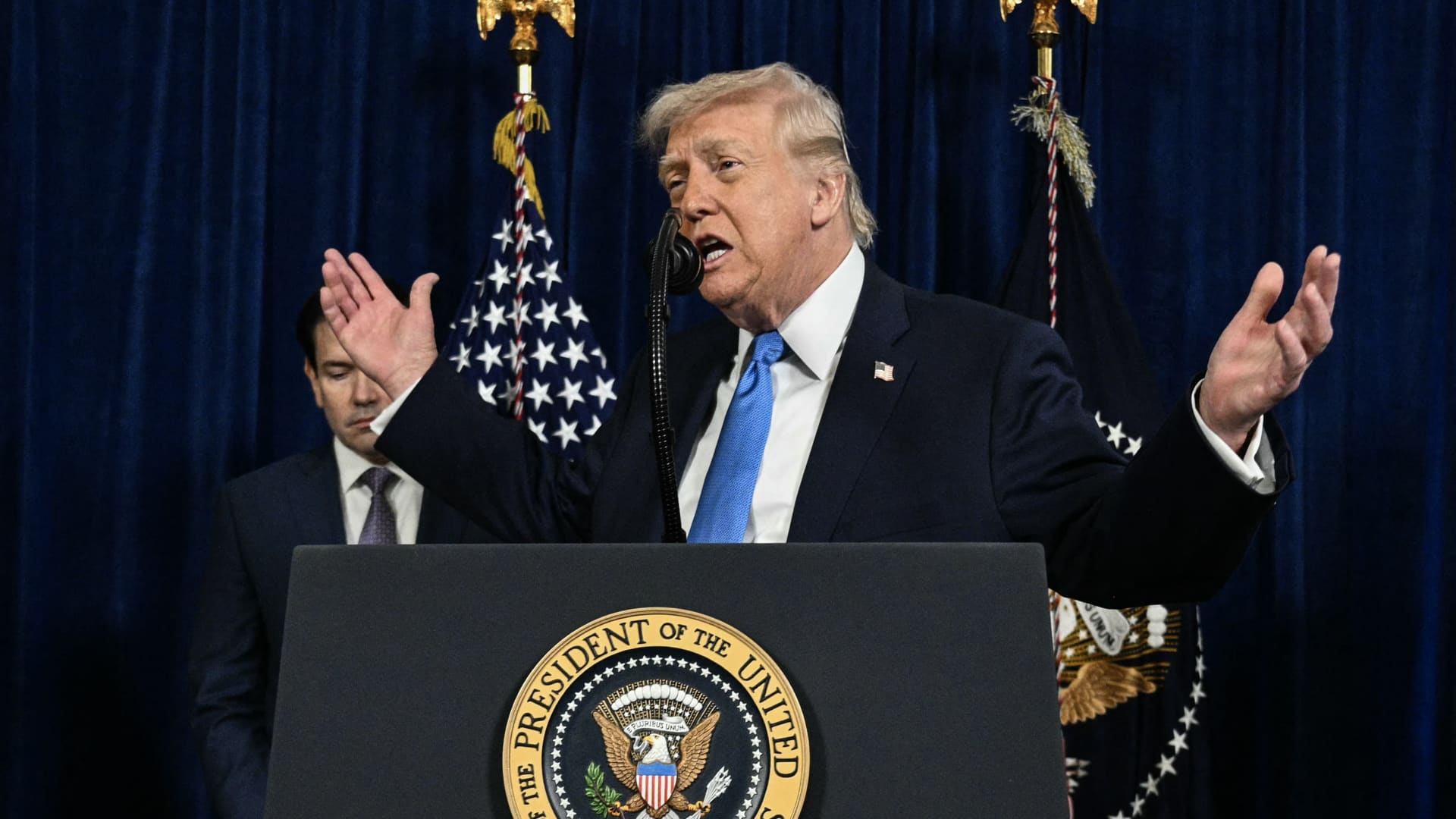
President Donald Trump’s immediate pledge of U.S. resources signifies a notable diplomatic pivot. Historically, Washington has maintained a contentious relationship with elements of Venezuela’s leadership. However, this crisis has seemingly prompted a pragmatic re-engagement, with Deputy Secretary of State Christopher Landau confirming U.S. contact with Venezuelan authorities and the mobilization of disaster assistance teams, search and rescue capabilities, and medical supplies. This aid arrives alongside humanitarian support from other international actors like China, Brazil, Qatar, and the Dominican Republic, illustrating a concerted global effort.
The economic ramifications for Venezuela are projected to be substantial. Beyond the immediate costs of emergency response, the USGS has warned that the devastating earthquake could reduce the nation’s GDP by up to 7%. This comes as Venezuela navigates complex internal and external economic pressures, including the ongoing dynamics surrounding U.S.-controlled oil exports, which have seen a surge in value since January. The allocation and oversight of these funds become even more critical in the face of widespread reconstruction needs, offering valuable insights for informed decisions.
- Immediate Relief Efforts: U.S. and international teams are deploying search and rescue personnel, medical supplies, and humanitarian resources.
- Reconstruction Challenge: Flattened buildings and damaged infrastructure will necessitate massive rebuilding efforts, drawing on both domestic and international financing.
- Geopolitical Repercussions: The U.S. aid offer may signify a new chapter in U.S.-Venezuelan relations, impacting regional stability and alliances.
The Ripple Effect: Economic Pathways to Recovery
The broader economic trends emerging from this disaster highlight a direct cause-and-effect chain that will shape Venezuela’s immediate future:
- Infrastructure Damage & Capital Destruction → Immediate halt in productive activity & surge in emergency spending.
- Humanitarian Crisis & Population Displacement → Disruption to labor force & long-term social welfare costs.
- International Aid Influx → Short-term liquidity injection, but potential for increased national debt if reconstruction loans are involved.
- GDP Contraction (up to 7%) → Reduced government revenues & diminished capacity for public services.
- Resource Reallocation → Shift from development projects to essential recovery, impacting long-term growth trajectories.
Disaster Economics: This field analyzes the complex economic consequences of natural catastrophes, spanning from immediate infrastructure damage and productivity losses to long-term impacts on trade, investment, and fiscal stability. A core tenet is understanding how disaster relief and reconstruction efforts, if poorly managed, can exacerbate existing economic vulnerabilities or, if effectively coordinated, provide a pathway to resilient recovery.
Key Economic Metrics Under Strain
The severity of the Venezuela earthquake is reflected in several critical metrics that will define the scale of the recovery challenge:
| Metric | Value/Projection | Significance |
|---|---|---|
| Earthquake Magnitude (Max) | 7.5 | Indicates severe structural damage and widespread impact potential. |
| Initial Fatalities Reported | 32 | Official count, likely to rise as rescue efforts continue. |
| USGS Fatality Probability (High) | 100,000 (17% chance) | Highlights the extreme risk to human life and the scale of the potential tragedy. |
| Projected GDP Impact | Up to 7% contraction | Quantifies the direct economic damage and loss of productive capacity. |
Venezuela’s Fiscal Resilience: A Stress Test
The recent seismic events pose an unprecedented stress test for Venezuela’s already fragile fiscal framework. Years of economic instability and sanctions have left the nation with limited reserves and significant infrastructure deficiencies, making post-disaster recovery particularly challenging. The immediate need for humanitarian aid and reconstruction funds will place immense pressure on the national budget, potentially leading to increased reliance on external debt or a reallocation of funds from other critical sectors. The effectiveness of the interim government in mobilizing and transparently managing international assistance will be crucial in restoring confidence and paving the way for eventual recovery and broader stock markets reactions.
Regional Stability and Geopolitical Repercussions
The humanitarian crisis unfolding after the Venezuela earthquake carries significant implications for regional stability. Mass displacement, if the fatality estimates prove accurate, could trigger a new wave of migration, putting pressure on neighboring countries already grappling with economic challenges. The cooperative stance shown by the U.S. and other nations in providing aid could also reshape geopolitical dynamics, potentially fostering new avenues for dialogue and cooperation that extend beyond immediate disaster relief. This shift might influence how regional powers approach future crises and long-term economic development initiatives across Latin America, as observed in international economic data.
The Venezuela Earthquake: A Crossroads for Recovery
The devastating Venezuela earthquake presents a profound challenge to the nation’s human capital and economic infrastructure, demanding an immediate and sustained international response. The diplomatic overtures from the U.S., alongside multilateral aid efforts, offer a crucial lifeline, but the path to recovery will be arduous and complex.
- The extent of long-term economic damage and displacement will largely depend on the speed and efficacy of reconstruction efforts.
- The renewed U.S. engagement could signal a strategic shift in regional diplomacy, impacting future political and economic relations.
- Investor confidence and future foreign direct investment will hinge on perceived stability and transparent governance in the post-disaster environment.
How will this catastrophic event ultimately reshape Venezuela’s economic trajectory and its standing on the global stage?
📊 StockXpo Analyst’s View
Market Impact: The immediate market impact is likely to be localized, potentially causing volatility in regional equities and commodities markets, particularly for any Venezuelan-linked financial instruments. However, the surge in international aid could provide a temporary uplift for certain aid-related logistics and construction companies.
Sector To Watch: We are closely watching the construction, logistics, and disaster relief technology sectors, as these industries will be crucial for the immediate recovery and long-term rebuilding efforts. Companies specializing in resilient infrastructure and emergency supply chains may see increased demand.
Financial Disclaimer:
StockXpo.com is a financial news aggregator and educational portal, not a registered investment advisor or broker-dealer. All information, news, and analysis provided herein are strictly for educational purposes and do not constitute investment, financial, legal, or tax advice. Investing in the stock market involves high risks, and past performance is not indicative of future results. StockXpo will not be liable for any financial losses or investment damages. Always consult a certified financial advisor before making market decisions.
MORE IN INSIDE ECONOMY
AI Concentration Risks Loom as East Asia & Pacific Sees 4.5% Growth Outlook
Published: Tuesday, October 6, 2026 · 1:56 AM

Western Populations’ Shrinkage: A Looming Fiscal Warning by 2029
Published: Monday, October 5, 2026 · 3:15 AM