Published: Thursday, June 25, 2026 · 5:17 AM | Updated: Thursday, June 25, 2026 · 5:17 AM
📊 240 views




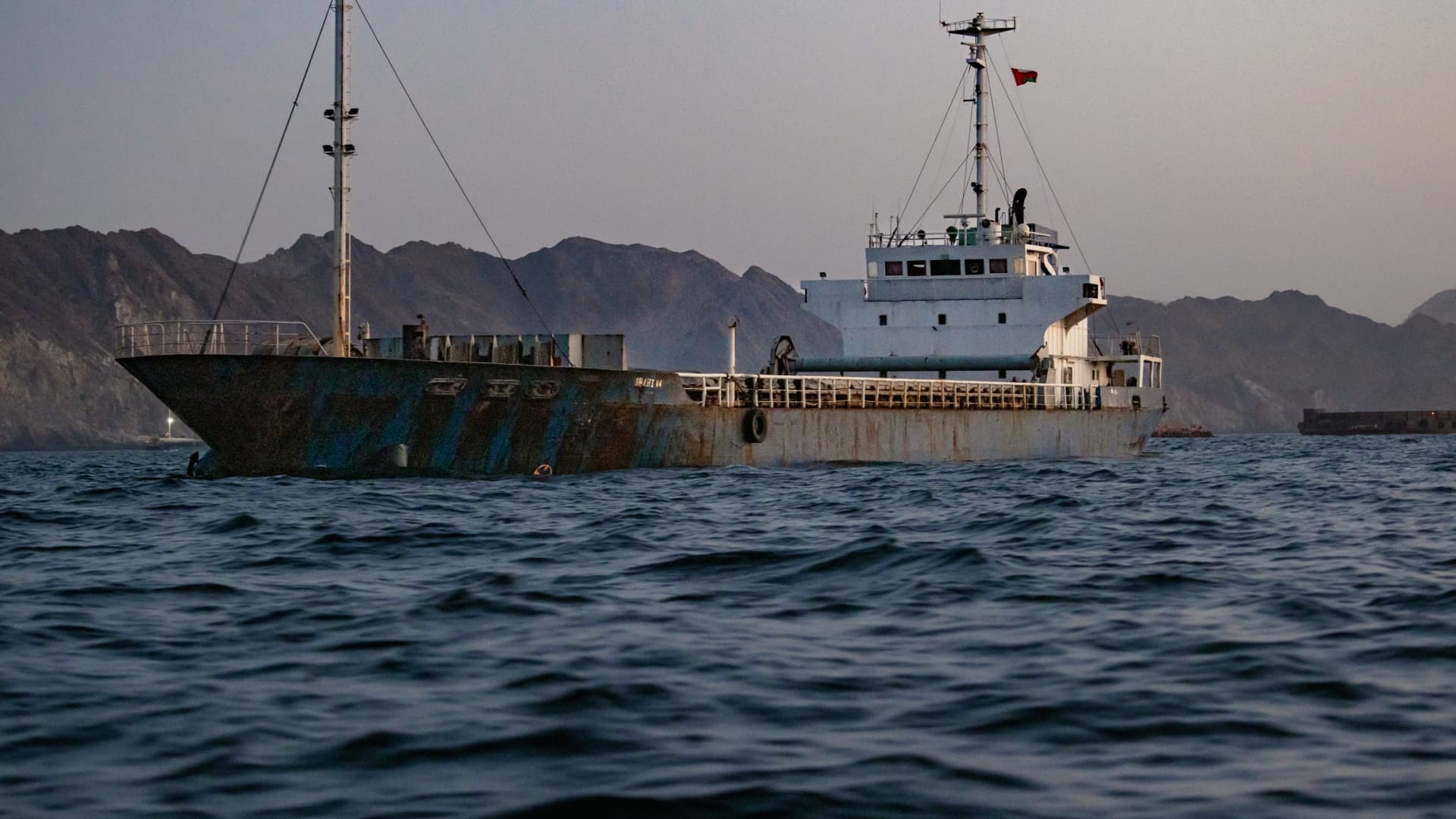
Iran’s recent declaration regarding shipping routes through the Strait of Hormuz has reintroduced significant geopolitical risk, threatening the fragile stability of global energy supply chains. This stern warning directly challenges nascent efforts to normalize transit in one of the world’s most vital maritime chokepoints, amplifying concerns for international trade and oil prices.
📊 Macro-Economic Strategic Insights
- Escalating Geopolitical Risk. Iran’s firm stance on controlling Strait of Hormuz transit routes raises geopolitical temperatures, impacting maritime insurance and shipping costs globally.
- Uncertainty for Global Energy Markets. Continued Iranian assertion of authority over the Strait creates significant uncertainty for oil and gas flows, potentially leading to price volatility and supply disruptions.
- Challenge to International Shipping Norms. Tehran’s rejection of alternative, internationally proposed shipping corridors complicates navigation and could deter full recovery of traffic to pre-conflict levels.
Tehran’s Islamic Revolutionary Guard Corps (IRGC) issued a sharp warning this week, deeming any new transit routes through the Strait of Hormuz without its approval ‘unacceptable and dangerous.’ This move directly contradicts a recent U.S.-Iran memorandum of understanding aimed at reopening the crucial energy artery, throwing global shipping into renewed uncertainty. The IRGC Navy insisted that only routes designated by Iran are permissible and require mandatory coordination with Iranian forces, according to Iranian local media. This comes despite a key naval information group having proposed a southern transit route, confirmed clear of mines along Omani territorial waters, as a recommended alternative.
The timing of Iran’s warning is particularly notable, occurring after a period of tentative recovery in the Strait. Ship-tracking data from MarineTraffic indicated that transits tripled last weekend compared to the prior comparable period, though they remain significantly below pre-war levels of over 100 ships daily. Even with this uptick, operators have been proceeding cautiously, utilizing a mix of Iranian, Omani, and International Maritime Organization route patterns. This hesitant return signals underlying anxieties within the maritime industry, a sentiment further exacerbated by the latest Iranian pronouncements. The U.S. Treasury had previously sanctioned Iran’s Persian Gulf Strait Authority in May, accusing it of attempting to ‘extort global maritime trade’ and explicitly warning against any tolling system on Hormuz.
- Iran’s demands undermine recent diplomatic efforts to stabilize the critical waterway.
- The persistence of Iranian control could suppress a full return to pre-conflict shipping volumes indefinitely.
- Global commodity strategists warn that prolonged Iranian operational influence will lead to lower long-term flows.
The implications of Iran’s assertive posture over the Strait of Hormuz resonate deeply across global economic systems:
Geopolitical Tensions ↑ → Shipping Insurance Premiums ↑ → Global Trade Costs ↑ → Consumer Prices ↑
Oil Supply Uncertainty ↑ → Crude Oil Prices ↑ → Energy Inflation ↑ → Economic Growth ↓
Maritime Logistics Disruptions ↑ → Supply Chain Delays ↑ → Manufacturing Costs ↑ → Corporate Profit Margins ↓
The Strait of Hormuz is more than just a waterway; it’s a strategic chokepoint through which roughly a third of the world’s seaborne oil and a significant portion of natural gas transit daily. Any sustained disruption or unilateral control asserted by a single nation effectively holds a substantial part of the global energy supply hostage, with immediate and profound effects on international markets and energy security.
Recent Strait of Hormuz Shipping Data (MarineTraffic):
- Weekend Transit Recovery: Transits tripled to 93 last weekend compared to the prior period.
- Daily Verified Crossings: 31 commercial and energy-laden vessels verified on Tuesday.
- Pre-War vs. Current: Daily transits remain significantly below pre-war levels of over 100 ships.
These metrics highlight a cautious and incomplete recovery, underscoring the ongoing impact of geopolitical tensions on vital trade arteries.
Regional Stability and Trade Implications
The Middle East, a region perpetually sensitive to geopolitical shifts, faces heightened instability from Iran’s latest declaration. While the U.S. and Iran had recently agreed to a memorandum to reopen the economic policy artery, Tehran’s firm assertion of control introduces an unpredictable element. This regional instability could deter foreign investment and disrupt intra-regional trade, particularly impacting Gulf Cooperation Council (GCC) nations reliant on secure maritime routes. The warning further underscores the complex interplay between security, trade, and diplomatic efforts in managing crucial international waterways.
Global Benchmarking on Shipping Security
Compared to other global maritime chokepoints like the Suez Canal or the Panama Canal, the Strait of Hormuz uniquely combines high strategic importance with persistent geopolitical volatility. While other routes face congestion or environmental challenges, Hormuz is continuously under threat of military or political interference, as noted by analyses from organizations like global economic news. This situation places it in a distinct category, requiring far more robust security protocols and diplomatic vigilance from international powers. RBC Capital Markets’ Helima Croft suggested that pre-war tanker traffic through Hormuz might represent a high point for the foreseeable future if Iran maintains operational control, a perspective echoed by many analysts tracking international economic developments.
Navigating the Strait of Hormuz: A Future of Continued Uncertainty
Iran’s latest declaration significantly complicates the outlook for shipping through the Strait of Hormuz, transforming a period of cautious recovery into one of renewed apprehension. This move underscores Tehran’s resolve to exert control over the vital waterway, potentially reshaping long-term global energy logistics and trade dynamics.
- Shipping companies are likely to reassess risk premiums and potentially seek alternative, albeit longer, routes.
- The global energy market faces increased volatility, impacting crude oil prices and investor sentiment.
- Diplomatic efforts will intensify to de-escalate tensions and ensure freedom of navigation through the critical chokepoint.
How will international powers respond to Iran’s assertion of control, and what long-term impact will this have on global trade and energy security?
📊 StockXpo Analyst’s View
Market Impact: This escalation injects fresh uncertainty into stock markets, particularly those sensitive to energy prices and geopolitical risk. Expect crude oil futures to react with upward pressure, while shipping and logistics companies may face higher operating costs and insurance premiums, potentially leading to a re-evaluation of their valuations. Investor sentiment could remain cautious until a clearer resolution emerges regarding transit security.
Sector To Watch: The energy sector, specifically oil and gas producers and tankers, will be under intense scrutiny. Companies with significant exposure to Middle Eastern crude movements and those in maritime insurance will experience direct impacts. Conversely, alternative energy investments might see increased interest as markets seek diversification from volatile fossil fuel supply chains. Additionally, for broader insights, delve into more investment analysis.
Financial Disclaimer:
StockXpo.com is a financial news aggregator and educational portal, not a registered investment advisor or broker-dealer. All information, news, and analysis provided herein are strictly for educational purposes and do not constitute investment, financial, legal, or tax advice. Investing in the stock market involves high risks, and past performance is not indicative of future results. StockXpo will not be liable for any financial losses or investment damages. Always consult a certified financial advisor before making market decisions.
MORE IN INSIDE ECONOMY
Trump Economic Approval Plummets: A Warning for Macro Stability
Published: Thursday, October 22, 2026 · 9:12 AM

UK Inflation Jumps to 3.5%: Cementing Rate Hike Expectations
Published: Wednesday, October 21, 2026 · 2:51 AM