Published: Wednesday, June 3, 2026 · 1:45 AM | Updated: Wednesday, June 3, 2026 · 1:45 AM
📊 259 views




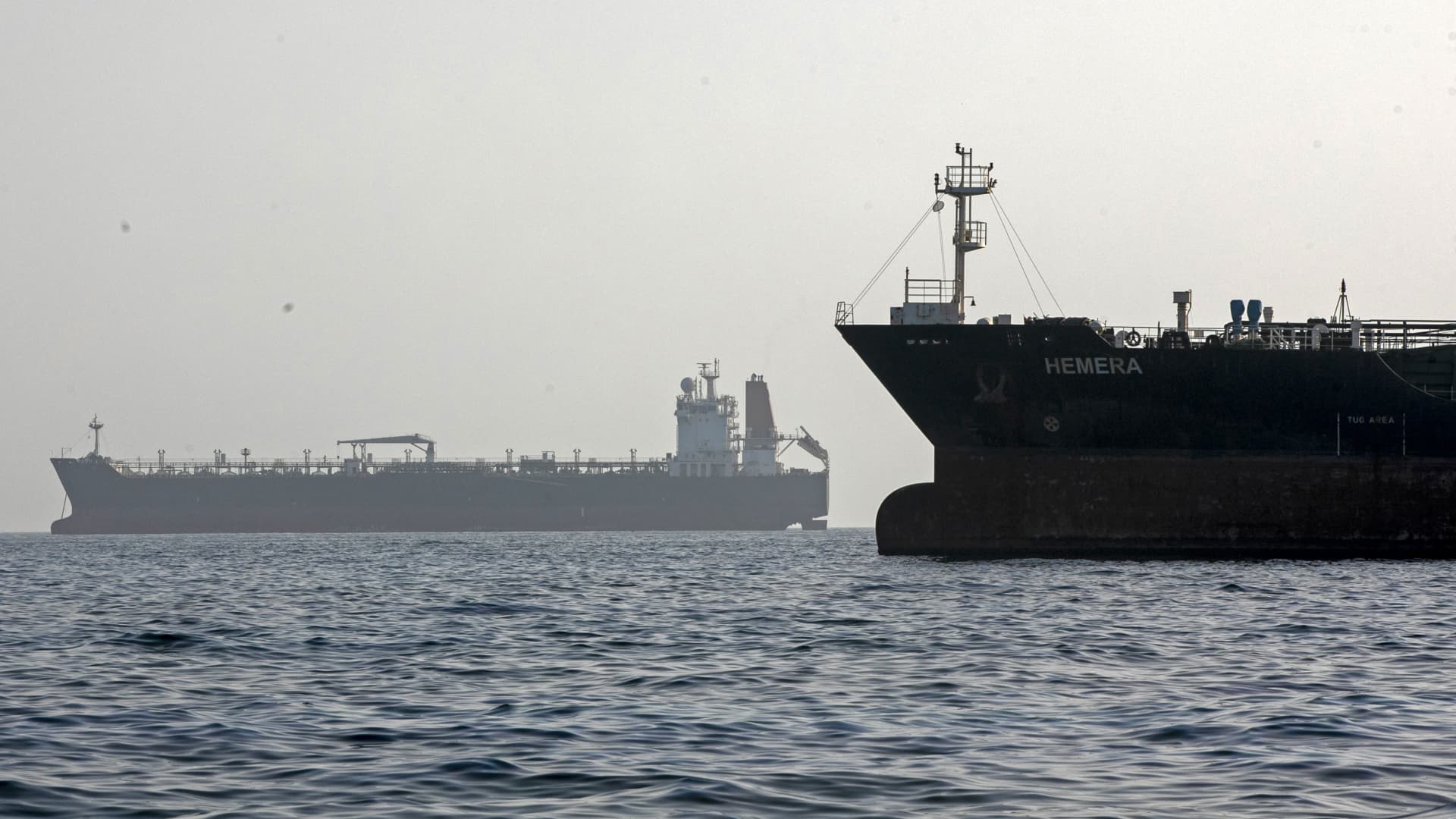
The escalating military engagements between the United States and Iran, marked by a recent intensification of attacks and defensive actions, threaten to destabilize a crucial global energy artery. As peace negotiations remain stalled, the risk of broader regional conflict looms large, carrying significant implications for global macro-stability and systemic growth.
📊 Macro-Economic Strategic Insights
- Heightened Geopolitical Risk. The renewed hostilities between the U.S. and Iran increase geopolitical uncertainty, potentially disrupting energy supply chains and impacting global commodity prices.
- Stalled Diplomacy and Economic Impact. The failure of peace talks prolongs the conflict, leading to sustained economic disruption in the region and potentially deterring foreign investment in key markets.
- Fragile Ceasefire Dynamics. The repeated cycle of attacks and counter-attacks highlights the fragility of any de-escalation efforts, suggesting a prolonged period of tension with unpredictable economic consequences.
U.S. Central Command reported successfully thwarting multiple Iranian ballistic missile and drone attacks, responding with defensive strikes on an Iranian military ground control station. These actions underscore a dangerous escalation in a conflict that began in February, now three months into a stalemate characterized by rejected proposals and a lack of direct communication. Iran has reportedly been reviewing an agreement from the Trump administration, but engagement with Washington has been minimal.
Recent weeks have seen a marked increase in aggressive actions. Iran’s Revolutionary Guard Corps has targeted U.S. military assets, including the Fifth Fleet headquarters and an airbase, citing retaliatory measures for perceived U.S. attacks on Iranian infrastructure. Similarly, Iran’s navy targeted a vessel identified as Panaya, alleging it was in response to a U.S. strike on an Iranian tanker near the Strait of Hormuz.
These escalating events are not isolated. Governments across the Gulf region have reported drone incursions, with Kuwait and Bahrain activating air defense systems and issuing public warnings. This heightened alert status reflects the immediate security concerns for nations operating within proximity to the escalating conflict.
- The Strait of Hormuz remains a critical choke point for global oil supply, making any disruption in this region a significant concern for energy markets worldwide.
- The cyclical nature of attacks and counter-attacks suggests a lack of clear strategic de-escalation from either side, prolonging regional instability.
- The reported involvement of both ballistic missiles and drones indicates a sophisticated and evolving threat landscape that requires constant vigilance from regional defense forces.
🇺🇸 Middle East Policy Commentary
The ongoing military exchanges between the U.S. and Iran, coupled with stalled diplomatic efforts, present a complex challenge for regional policy. The U.S. strategy appears focused on deterrence and defensive actions, while Iran’s actions suggest a willingness to engage in asymmetric responses. This dynamic creates a volatile environment where miscalculation could have severe consequences.
THE RIPPLE EFFECT
Intensified US Iran Attacks → Increased Geopolitical Risk → Disruption of Oil Supply → Volatile Energy Prices → Inflationary Pressures
The fundamental challenge lies in navigating a path that prioritizes de-escalation and diplomatic resolution while maintaining credible deterrence. The economic implications of prolonged conflict in this strategic region cannot be overstated, impacting everything from energy security to global trade flows. For investors tracking macroeconomic trends, this volatile situation necessitates a cautious approach and a keen eye on developments in the Persian Gulf.
📈 Oil Production Metrics
While specific production figures for Iranian oil are not readily available due to sanctions and the current conflict, global oil benchmarks are highly sensitive to developments in the Persian Gulf.
| Metric | Current Trend | Significance |
|---|---|---|
| WTI Crude Oil Futures | Volatile, sensitive to supply news | Indicates global oil market reaction to geopolitical events. |
| Brent Crude Oil Futures | Similar volatility to WTI | Represents international oil price benchmarks. |
| Strait of Hormuz Traffic | Potential for disruption | A critical waterway for global energy shipments; any impediment raises prices. |
These metrics are crucial for understanding the immediate economic impact of heightened tensions in the region.
The Strait of Hormuz: A Flashpoint for Global Trade
The Strait of Hormuz, a narrow waterway through which a significant portion of the world’s oil passes, is at the epicenter of this escalating conflict. Any disruption to maritime traffic in this vital chokepoint could have immediate and severe repercussions for global energy markets, leading to price surges and supply chain anxieties. The intensity of these confrontations directly correlates with the potential for such disruptions.
Iran’s Defense Posture Evolves
Iran’s continued deployment of ballistic missiles and drones signals an adaptive defense strategy. This approach allows Iran to project power and conduct retaliatory strikes without necessarily engaging in direct, large-scale conventional warfare. The U.S. and its allies face the ongoing challenge of countering these evolving asymmetric threats, which can destabilize regional security and economic stability.
The Evolving Landscape of US Iran Attacks
The persistent cycle of US Iran attacks underscores a protracted geopolitical struggle with far-reaching economic implications. As diplomatic channels remain strained, the potential for further escalation poses a significant risk to global macro-stability. Investors and policymakers must closely monitor these developments for potential impacts on energy prices, trade routes, and overall market sentiment.
- Increased risk of energy price shocks impacting inflation globally.
- Potential for supply chain disruptions affecting various industries reliant on Middle Eastern oil.
- Heightened investor caution leading to reduced capital flows into emerging markets.
What critical economic policy adjustments will governments implement to mitigate the inflationary pressures arising from prolonged geopolitical instability in key energy-producing regions?
### 📊 StockXpo Analyst’s View
Market Impact: The escalating US Iran attacks are injecting significant uncertainty into global markets, likely dampening investor sentiment and increasing volatility, particularly in energy and defense sectors. Investors may seek safe-haven assets as risk premiums rise.
Sector To Watch: Defense contractors and cybersecurity firms are poised to benefit from increased geopolitical tensions. Conversely, sectors heavily reliant on stable oil prices, such as transportation and certain manufacturing industries, could face headwinds.
Financial Disclaimer:
StockXpo.com is a financial news aggregator and educational portal, not a registered investment advisor or broker-dealer. All information, news, and analysis provided herein are strictly for educational purposes and do not constitute investment, financial, legal, or tax advice. Investing in the stock market involves high risks, and past performance is not indicative of future results. StockXpo will not be liable for any financial losses or investment damages. Always consult a certified financial advisor before making market decisions.
MORE IN INSIDE ECONOMY
Trump Economic Approval Plummets: A Warning for Macro Stability
Published: Thursday, October 22, 2026 · 9:12 AM

UK Inflation Jumps to 3.5%: Cementing Rate Hike Expectations
Published: Wednesday, October 21, 2026 · 2:51 AM