Published: Wednesday, June 3, 2026 · 4:23 PM | Updated: Wednesday, June 3, 2026 · 4:23 PM
📊 251 views




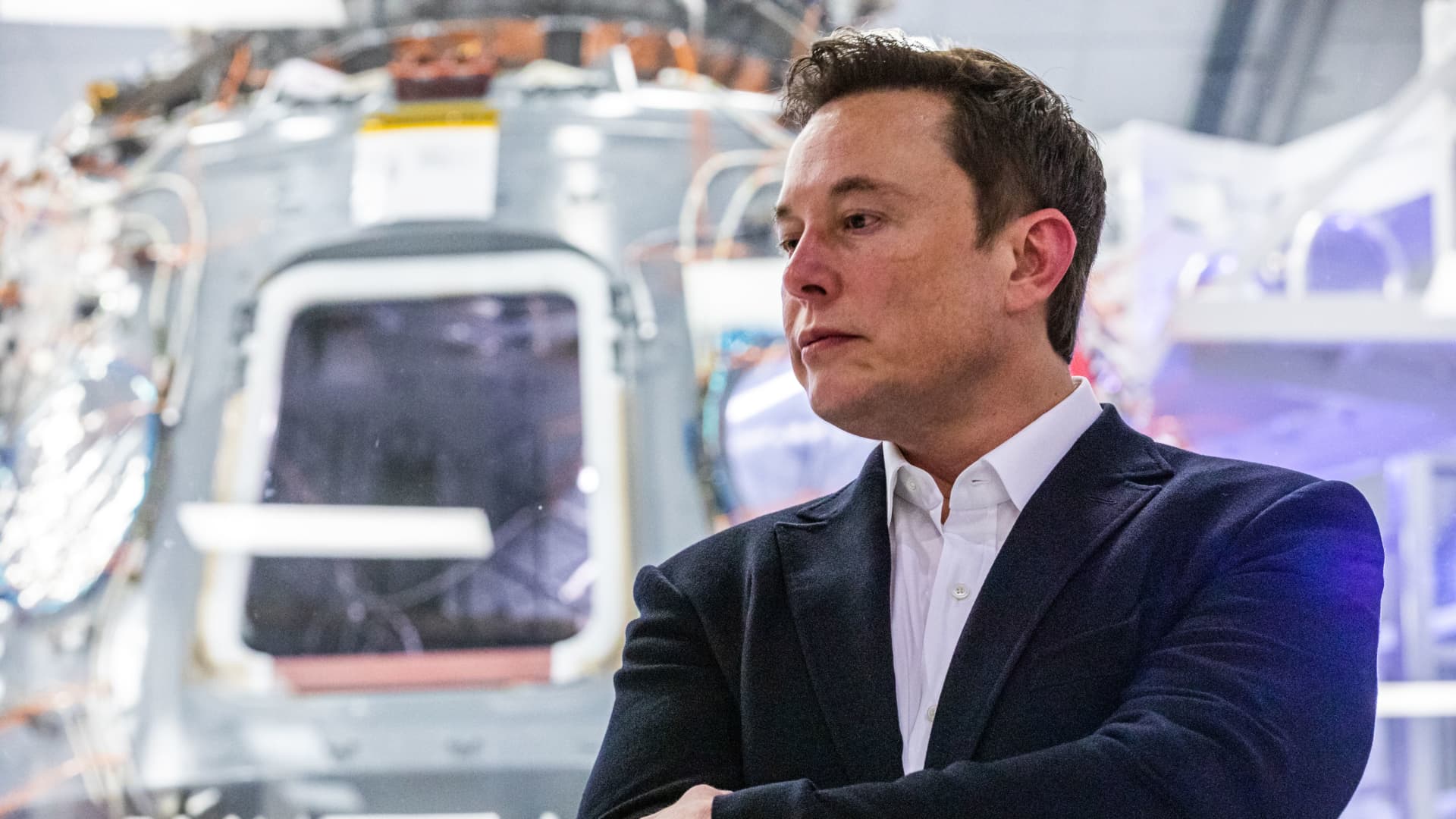
Elon Musk’s SpaceX is poised to make history with an initial public offering (IPO) targeting a monumental $1.75 trillion valuation, setting a fixed price of $135 per share. This audacious move bypasses traditional IPO roadshow pricing ranges, signaling strong confidence in market demand for the space technology giant.
🚀 Tech Strategy & Market Disruptions
- Historic Valuation. SpaceX is set to debut at a $1.75 trillion valuation, making it the seventh-largest U.S. company and surpassing its sister company, Tesla.
- Unique Fixed Pricing. Eschewing the typical IPO price range, SpaceX opted for a fixed $135 per share after extensive pre-roadshow investor meetings, indicating robust demand.
- Largest IPO Ever. With a $75 billion offering size, the SpaceX IPO is projected to more than triple the size of Alibaba’s previous record as the largest U.S. initial public offering.
SpaceX, under the ticker SPCX, is scheduled for its Nasdaq debut on June 12. This listing represents a pivotal moment for the burgeoning space economy, placing a deep-tech innovator squarely in the public market spotlight. The company’s decision to offer a fixed share price of $135, rather than a flexible range, suggests a strong conviction based on pre-roadshow investor sentiment, as reported by CNBC. This approach is highly unusual in the IPO landscape, where companies typically test demand sensitivity.
The proposed valuation of $1.75 trillion hinges on the successful closure of EchoStar spectrum and Cursor transactions, according to sources familiar with the matter. This valuation would place SpaceX above tech giants like Tesla and position it as the seventh-largest company in the U.S. This staggering figure underscores the market’s belief in SpaceX’s long-term potential across its diverse ventures, from satellite internet to interplanetary travel. The offering size is expected to reach $75 billion from the sale of 555.6 million shares, making it an unprecedented event in financial markets.
The IPO comes amidst a flurry of activity in the AI sector, with companies like Anthropic and OpenAI also racing towards public listings. Anthropic recently filed its confidential prospectus, with OpenAI expected to follow suit. While these AI firms dominate headlines for their software innovations, SpaceX’s market entry highlights the increasing investor appetite for hardware-centric, capital-intensive technological advancements that promise to redefine fundamental human capabilities, from global connectivity to space exploration.
SpaceX’s journey to the public market has involved a prospectus filing with the SEC last month, revealing significant past losses, a common trait for high-growth tech firms in their early stages. An amended filing further detailed plans to reserve up to 5% of IPO stock for employees and certain individuals, a common practice to incentivize and reward key contributors.
The market is also abuzz with speculation regarding Elon Musk’s long-term vision: a potential merger between SpaceX and Tesla. Discussions among colleagues and internal dialogue at Tesla suggest this possibility is actively considered. Such a consolidation could unlock synergies, combining Tesla’s autonomous AI and manufacturing prowess with SpaceX’s advanced robotics and propulsion systems, accelerating progress in areas like artificial intelligence, battery technology, and sustainable energy for both terrestrial and extraterrestrial applications. For those following broad technology market trends, this could be a significant development.
Key aspects defining this historic public offering:
- Unprecedented Scale: Surpassing all prior U.S. IPOs in valuation and offering size.
- Market Confidence: Fixed pricing reflects strong pre-market investor appetite.
- Strategic Alliances: Dependence on specific transactions to solidify the $1.75 trillion valuation.
The SpaceX IPO directly fuels capital availability (Cause). This enables accelerated R&D and manufacturing scale for Starlink, Starship, and other ambitious projects (Effect). This, in turn, amplifies market disruption across various sectors:
- Global Connectivity: Rapid deployment of Starlink satellites challenges traditional telecom, enabling internet access in remote regions.
- Logistics & Defense: Reusable rocket technology dramatically lowers launch costs, impacting satellite deployment for commercial and military uses, alongside potential for rapid point-to-point transport.
- Space Exploration & Resource Utilization: Funds ambitious missions to Mars and beyond, laying groundwork for off-world resource extraction and infrastructure development, redefining long-term human expansion.
‘The SpaceX IPO isn’t just about a company going public; it’s a testament to the transformative power of patient, long-term capital in deep tech. Their vertically integrated approach, from propulsion to satellite internet, creates a formidable technological moat that few can replicate. This IPO allows them to accelerate their vision, pushing the boundaries of what’s possible in space and on Earth.’
| Metric | Detail |
|---|---|
| IPO Share Price | $135 per share (fixed) |
| Target Valuation | $1.75 Trillion |
| Shares Offered | 555.6 Million |
| Offering Size | $75 Billion |
SpaceX Ecosystem Expansion Potential
SpaceX’s strategic advantage lies not just in its rocket technology but in its burgeoning ecosystem. Starlink, its satellite internet constellation, is rapidly expanding, bringing high-speed internet to underserved areas globally. This global network creates a platform for future services, from IoT applications in remote environments to advanced data analytics for climate monitoring. The continuous innovation in reusable rocket technology, notably with Starship, drastically reduces the cost barrier to space, opening up new frontiers for manufacturing, tourism, and research. This horizontal and vertical integration gives SpaceX unparalleled control over its supply chain and operational costs, a critical factor for sustainable growth in the capital-intensive space sector. The company’s drive for innovation aligns with the focus of many emerging technologies.
SpaceX Market Adoption Challenges
Despite its groundbreaking achievements, SpaceX faces significant market adoption challenges. While Starlink provides vital connectivity, it competes with established terrestrial broadband providers and faces regulatory hurdles in various countries. The large upfront capital expenditure required for satellite deployment and rocket development means sustained profitability, especially for long-term Mars ambitions, remains a distant goal. Furthermore, the space industry is attracting increasing competition from both private ventures and national space agencies, all vying for launch contracts and satellite internet market share. Navigating these competitive pressures and evolving regulatory landscapes will be crucial for SpaceX to translate its technological leadership into consistent financial performance, a key area for Reuters’ technology coverage.
The SpaceX IPO: Defining the New Space Economy Frontier
The impending SpaceX IPO represents a defining moment for the future of the space economy, signaling a profound shift in how disruptive innovation is financed and brought to global markets. Its ambitious valuation and unique pricing strategy reflect a mature company confident in its long-term vision, despite inherent risks and capital intensity.
- Market Redefinition: SpaceX’s public debut fundamentally re-rates the potential of deep-tech, space-focused enterprises.
- Liquidity & Capital: The IPO provides massive liquidity for early investors and substantial capital for future-facing projects.
- Integrated Vision: Strong potential for synergy with Tesla if a merger materializes, accelerating AI and sustainable tech.
As SpaceX prepares for its Nasdaq launch, will its public market journey truly accelerate humanity’s multi-planetary future, or will the scale of its ambition encounter unforeseen earthly challenges?
📊 StockXpo Analyst’s View
Market Impact: The SpaceX IPO is set to inject significant capital and excitement into the global markets, particularly in the deep-tech and aerospace sectors. Its massive valuation could trigger a reassessment of other private ‘unicorn’ companies, potentially leading to more high-profile tech IPOs. Investor sentiment will likely lean bullish on companies demonstrating tangible, long-term technological vision, even with substantial initial losses.
Sector To Watch: The immediate beneficiaries will be companies within the aerospace, satellite communications, and advanced materials industries, along with firms specializing in AI and robotics that could find synergistic applications. We also anticipate increased investor scrutiny on firms that are lagging in their digital transformation efforts, as SpaceX’s move highlights the rapid pace of technological change and market disruption, as covered in Forbes’ technology news and insights from our own educational tech insights.
Financial Disclaimer:
StockXpo.com is a financial news aggregator and educational portal, not a registered investment advisor or broker-dealer. All information, news, and analysis provided herein are strictly for educational purposes and do not constitute investment, financial, legal, or tax advice. Investing in the stock market involves high risks, and past performance is not indicative of future results. StockXpo will not be liable for any financial losses or investment damages. Always consult a certified financial advisor before making market decisions.
MORE IN INSIDE TECHNOLOGY

SK Hynix Shares Rebound: A Strategic Shift in Semiconductor Funding
Published: Friday, October 23, 2026 · 1:46 AM
AI Innovation Fuels Southeast Asia’s Digital Growth
Published: Thursday, October 22, 2026 · 12:36 AM