Published: Wednesday, June 3, 2026 · 4:22 PM | Updated: Wednesday, June 3, 2026 · 4:22 PM
📊 250 views




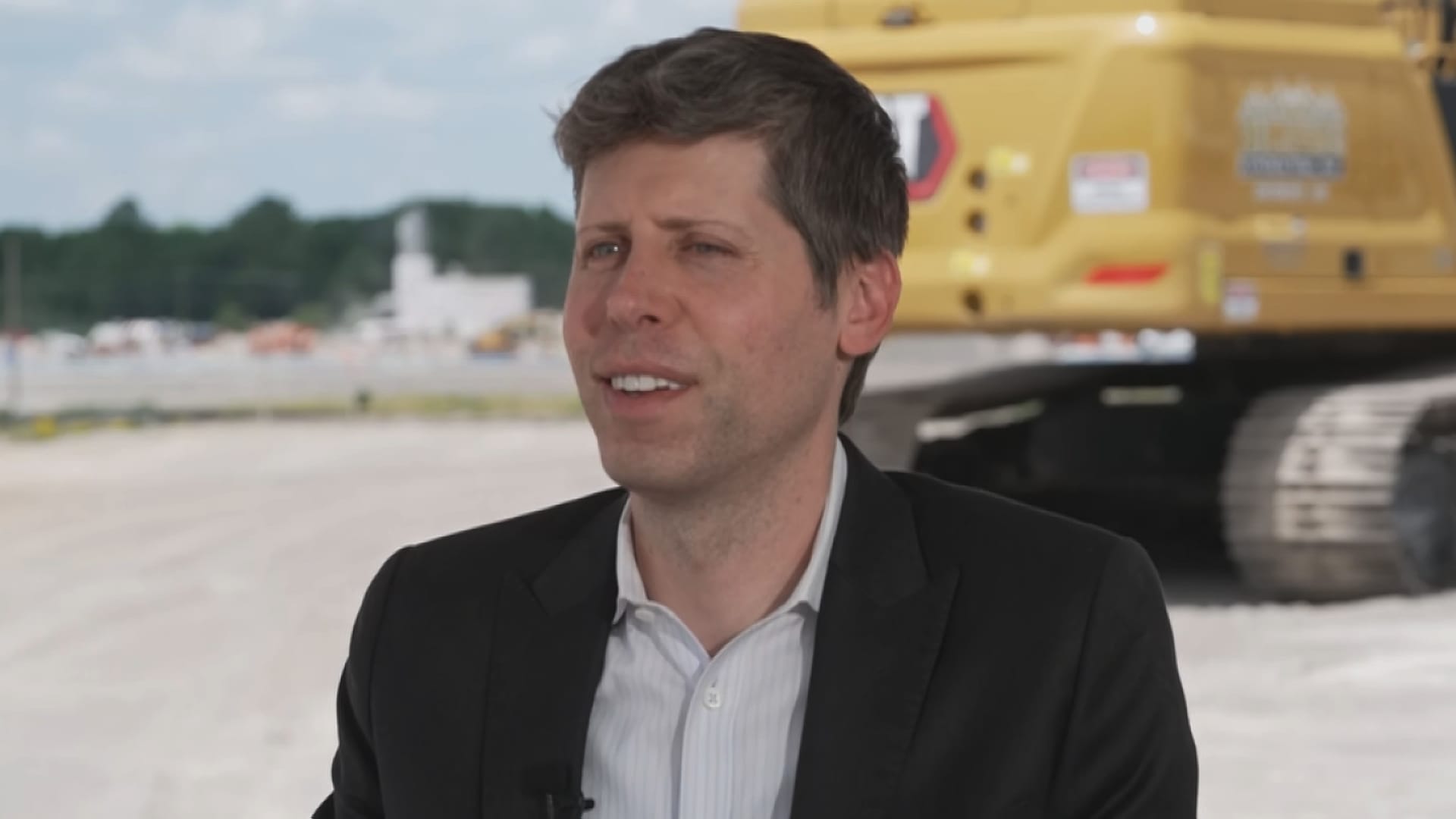
OpenAI CEO Sam Altman’s recent meetings with top U.S. lawmakers and Trump administration officials in Washington D.C. highlight the escalating importance of AI Regulation. These discussions follow President Trump’s executive order, signaling a pivotal moment for how artificial intelligence development will be governed, balancing innovation with safety protocols.
🚀 Tech Strategy & Market Disruptions
- Executive Order Focus. President Trump’s recent order seeks voluntary industry cooperation on pre-release model access, aiming to establish early government oversight without immediate mandates.
- Altman’s Proactive Stance. Sam Altman’s engagement with both Republican and Democratic leadership underscores OpenAI’s strategy to shape policy, advocating for U.S. leadership in AI development and safety.
- Transparency in Advocacy. OpenAI’s public statement on its policy views emphasizes transparent advocacy for thoughtful regulation, rigorous testing, and broad access to AI benefits.
The landscape of artificial intelligence is rapidly evolving, pushing governments worldwide to consider regulatory frameworks. OpenAI CEO Sam Altman’s active participation in discussions surrounding AI Regulation in Washington D.C. signifies a critical juncture for the industry. His meetings with figures like House Speaker Mike Johnson and House Minority Leader Hakeem Jeffries, alongside officials from the Trump administration, underscore a concerted effort to influence the nascent regulatory environment. President Trump’s recent executive order, which requests voluntary access to AI models up to 30 days before release, is a testament to the growing governmental interest in understanding and potentially mitigating risks associated with advanced AI systems. Altman’s public support for this order, emphasizing U.S. leadership in developing safe and effective AI, aligns with OpenAI’s stated commitment to responsible innovation.
These high-level interactions are not new for Altman, who has been a frequent visitor to Capitol Hill since ChatGPT’s 2022 launch, notably after a controversial deal with the Pentagon. OpenAI’s recently published policy stance further articulates its commitment to ‘thoughtful regulation, rigorous testing of powerful AI systems, strong safety standards, public accountability, and broad access to AI’s benefits.’ This proactive engagement aims to ensure that regulatory measures facilitate rather rather than hinder the rapid advancement of emerging technologies while addressing legitimate concerns about ethical deployment and national security. The company’s pledge against political donations and PAC funding reinforces its stated intent for transparent advocacy, a move that could build trust amid increasing scrutiny and help shape future technology market trends.
- The ongoing dialogue aims to establish foundational principles for AI governance.
- It reflects a bipartisan concern over AI’s societal impact and economic implications.
- Industry leaders like Altman are proactively seeking to guide the regulatory narrative.
Governmental engagement with leading AI developers (Cause) → Potential for new voluntary or mandatory regulatory frameworks (Effect) → Increased emphasis on AI model safety, transparency, and ethical development (Disruption) → Reshaping of market entry strategies for new AI products and services.
‘Effective AI regulation is not merely about control; it’s about establishing a resilient foundation for accelerated innovation. By involving pioneers like Sam Altman, policymakers can craft frameworks that anticipate future technological vectors, ensuring both safety and competitive advantage for the U.S. in the global AI race.’
Key Regulatory Dimensions Under Discussion:
- Voluntary Pre-Release Access: Companies like OpenAI are encouraged to provide government access to models before public release, potentially setting a precedent for industry-government collaboration.
- Safety Standards: Emphasis on developing robust safety protocols and rigorous testing methodologies for powerful AI systems.
- Cyber Tools Deployment: Focus on integrating AI-powered cyber defenses for trusted defenders, enhancing national security postures.
- Public Accountability: Calls for greater transparency and accountability from AI developers regarding system capabilities and impacts.
OpenAI’s Market Adoption Challenges
Despite its groundbreaking innovations, OpenAI faces significant market adoption challenges beyond its initial consumer success. The path from research breakthroughs to widespread enterprise integration is fraught with hurdles, including high computational costs, the need for specialized data infrastructure, and convincing businesses of the tangible ROI for custom AI deployments. Furthermore, the ethical implications of large language models, potential for bias, and data privacy concerns require robust solutions and clear communication strategies to foster trust among a diverse customer base. Navigating these complexities while maintaining a rapid development pace is crucial for sustained commercial viability and expanding its market footprint globally. This dynamic environment requires continuous adaptation and strategic partnerships to overcome inherent friction in integrating advanced AI into legacy systems.
OpenAI’s Ecosystem Expansion Potential
OpenAI’s strategic partnerships and API integrations underscore its significant ecosystem expansion potential. By offering its foundational models as services, OpenAI empowers a vast developer community to build new applications, fostering innovation across various industries, including those leveraging emerging technologies. This platform-centric approach allows for rapid scaling without direct ownership of every end-user application. The company’s engagement with sectors from healthcare to finance through its API demonstrates its intent to become a foundational layer for the next generation of digital tools. Further collaboration with cloud providers, hardware manufacturers, and specialized data providers will be critical to extending its reach and solidifying its position as a central player in the evolving AI ecosystem. This approach creates a network effect, driving demand for its core models and services, and offers valuable educational tech insights.
OpenAI’s Regulatory Engagement: Shaping AI’s Future
OpenAI’s proactive stance in D.C. is a critical maneuver to shape the future of AI Regulation, potentially setting global precedents for how emerging technologies are developed and deployed. This engagement signifies a maturation of the AI industry, moving beyond pure innovation to a focus on responsible governance and societal integration.
- Defines early parameters for AI industry self-governance and government oversight.
- Reinforces OpenAI’s leadership position in both technological innovation and policy advocacy.
- Highlights the growing imperative for balancing rapid technological advancement with robust safety and ethical standards.
How will these nascent regulatory discussions ultimately impact the pace of AI innovation and the global competitive landscape?
📊 StockXpo Analyst’s View
Market Impact: This proactive engagement from OpenAI could stabilize investor sentiment around the future of AI, mitigating fears of abrupt, stifling regulation. Clarity in AI Regulation could unlock further institutional investment into AI infrastructure and application development, reducing policy uncertainty that often deters capital.
Sector To Watch: The enterprise software and cloud computing sectors stand to benefit significantly from more defined AI governance. Companies specializing in AI safety, auditing, and compliance technologies will likely see increased demand. Conversely, sectors heavily reliant on unregulated data practices might face new hurdles.
Financial Disclaimer:
StockXpo.com is a financial news aggregator and educational portal, not a registered investment advisor or broker-dealer. All information, news, and analysis provided herein are strictly for educational purposes and do not constitute investment, financial, legal, or tax advice. Investing in the stock market involves high risks, and past performance is not indicative of future results. StockXpo will not be liable for any financial losses or investment damages. Always consult a certified financial advisor before making market decisions.
MORE IN INSIDE TECHNOLOGY

AI Innovation Fuels Southeast Asia’s Digital Growth
Published: Thursday, October 22, 2026 · 12:36 AM
NextDC Shares Plunge: Power Delays Threaten Australia’s Data Center Growth
Published: Wednesday, October 21, 2026 · 1:50 AM