Published: Friday, May 29, 2026 · 12:12 PM | Updated: Saturday, May 30, 2026 · 3:09 PM
📊 246 views




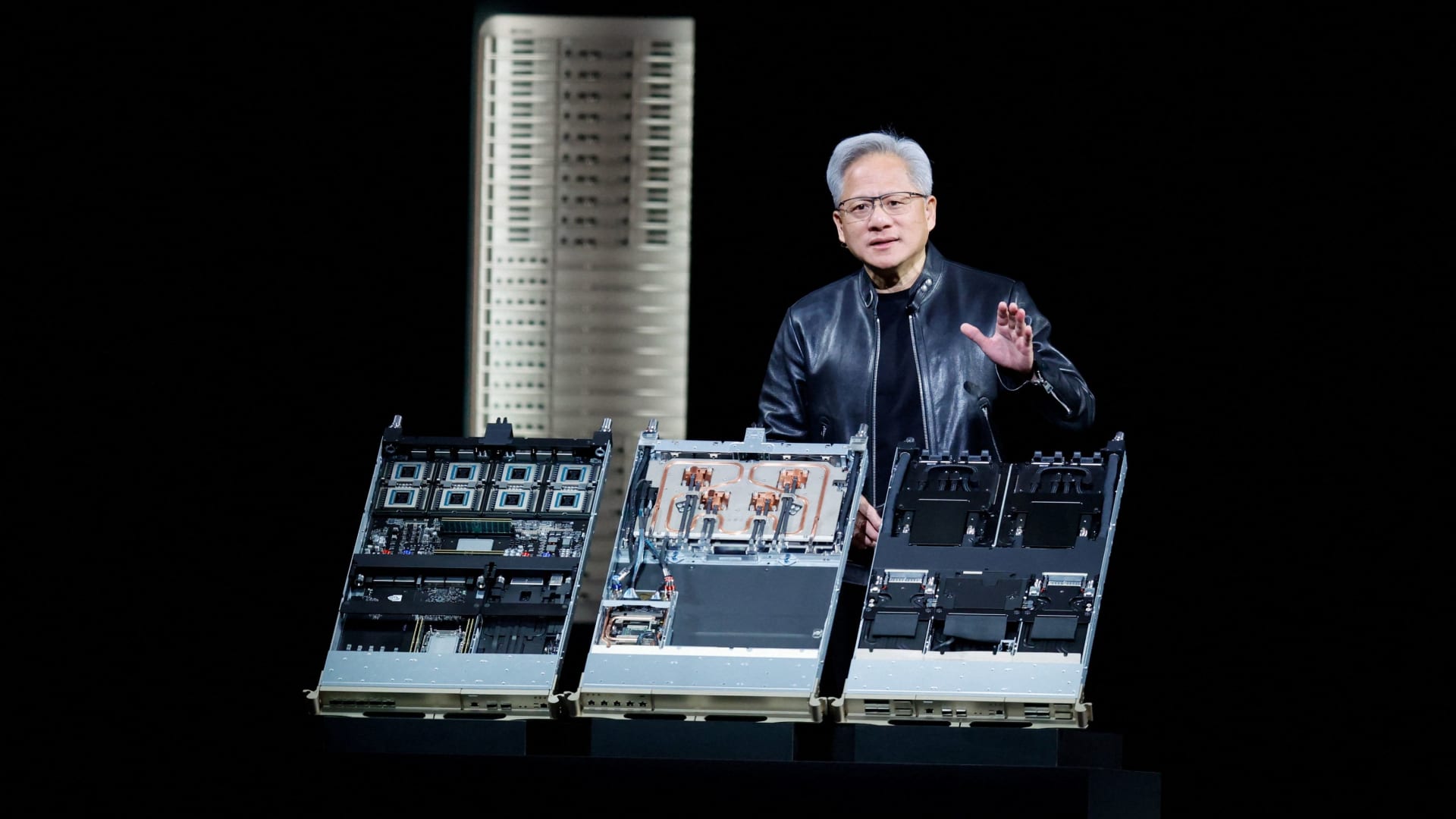
The relentless acceleration of artificial intelligence is encountering a critical physical limitation: the efficiency of data transfer between its core components. As AI models grow in complexity and demand, the conventional electrical pathways used in current chip architectures are becoming a significant bottleneck, impacting speed and driving up energy consumption. A promising technological solution is emerging from the realm of photonics, a field that leverages light to move data, offering a path to overcome these challenges.
🚀 Tech Strategy & Market Disruptions
- Photonics for Enhanced AI Interconnectivity. Utilizing light instead of electrical signals to transfer data between GPUs, memory, and servers promises a dramatic increase in processing speeds and a reduction in energy costs, directly addressing a major AI performance constraint.
- Significant Industry Investment & Strategic Alliances. Major players like Nvidia are channeling billions into photonics companies, signaling strong market confidence and fostering strategic partnerships to scale the production and integration of this advanced technology.
- Manufacturing and Integration Hurdles on the Horizon. Scaling photonics to meet AI’s burgeoning demand presents significant manufacturing challenges. Furthermore, adapting existing AI product roadmaps to incorporate optical components will require substantial redesign efforts and potentially multiple product generations.
The current AI boom, while transformative, is increasingly constrained by its infrastructure. Beyond the well-publicized concerns about energy access and the memory chip crunch, the efficiency of data movement between specialized AI chips and broader systems is becoming a paramount bottleneck. Electrical signals traveling along copper wires, the long-standing standard, are reaching their speed and energy efficiency limits. Photonics, a field that has already seen adoption in areas like fiber optic connectivity, offers a compelling alternative by using light to transmit data.
This shift from electrical to optical communication is not merely an incremental improvement; it represents a fundamental architectural change with profound implications for AI performance. Gil Luria, head of technology research at D.A. Davidson, highlights this critical junction: “One of the main bottlenecks for the performance of AI models is the speed of communication between chips and between chip servers." He further elaborates that optical interconnectivity could significantly boost model performance, leading to faster responses and task execution.
Massive Capital Influx into Photonics
The strategic importance of photonics in enabling next-generation AI infrastructure has triggered substantial investment. Nvidia, a leader in AI processing, has committed billions to companies at the forefront of photonics development. Recent investments include $2 billion allocated to Lumentum, Coherent, and Marvell, all of whom are actively engaged in advancing photonics technology. Additionally, Nvidia is investing $500 million in Corning for advanced optical connectivity solutions and has participated in significant funding rounds for optics startups like Ayer Labs.
Nvidia’s CEO, Jensen Huang, has publicly acknowledged the critical need for increased photonics capacity, stating that the demand for silicon photonics technology far outstrips current global supply. The company is actively integrating this technology into its networking platforms and GPU-to-GPU interconnect solutions, signaling a clear commitment to optical interconnects as a core component of future AI systems. This strategic pivot underscores the industry’s recognition of photonics as a key enabler for continued AI advancement.
- The adoption of photonics directly addresses the data transfer speed limitations inherent in current AI hardware.
- Major technology firms are making significant financial commitments to photonics companies, indicating robust market confidence.
- The integration of photonics requires not only supply chain scaling but also fundamental redesigns of existing AI hardware architectures.
Navigating the Deployment Challenges
Despite the immense potential, the widespread adoption of photonics in AI infrastructure is not without its hurdles. Alan Weckel, principal analyst at 650 Group, points to manufacturing scalability as a primary concern. The industry must rapidly ramp up production capacity to meet an unprecedented surge in demand, a task made more difficult by existing supply chain constraints. This challenge is amplified by the novelty of the technology at this scale, requiring new manufacturing processes and expertise.
Beyond manufacturing, adapting active AI systems to incorporate optical components presents a significant design and engineering challenge. Luria notes that integrating more optical solutions necessitates substantial redesigns of current product roadmaps. Replacing copper wires with optical fiber requires a re-evaluation of system architecture and interoperability, which may take several product generations from leading companies like Nvidia to become commonplace. This evolutionary process highlights the iterative nature of technological integration, even for groundbreaking innovations.
The transition from electrical to optical data transfer within AI systems is a critical architectural evolution. It moves beyond incremental improvements to address fundamental physical limitations, paving the way for exponential gains in computational speed and energy efficiency, essential for the next era of AI.
The recent surge in the memory chip market, exemplified by Micron’s impressive stock performance, underscores the broader market’s enthusiasm for AI-enabling hardware. Micron has seen its market capitalization soar, driven by the dual forces of the memory crunch and the insatiable demand for AI processing power. This trend highlights the interconnectedness of the semiconductor ecosystem, where advancements in one area can have cascading positive effects across the entire value chain.
Similarly, the exploration of custom chip design by startups like Mistral AI signals a broader industry trend towards specialized hardware tailored for AI workloads. This quest for optimized silicon, whether developed in-house or through strategic partnerships, is a direct response to the increasing demands placed upon computing infrastructure by advanced AI models. The convergence of these efforts—from photonics for connectivity to specialized chip architectures—is shaping the future of AI hardware.
Photonics: Architecting Tomorrow’s AI Infrastructure
The move towards photonics represents a fundamental re-architecture of AI systems, shifting from electrical pathways to optical ones. This entails not just swapping components but rethinking system design to fully leverage the speed and efficiency of light. The implications for data centers, server designs, and inter-chip communication are profound, suggesting a future where AI computations are performed at unprecedented speeds with significantly reduced power consumption.
Photonics: Ecosystem Expansion Potential
The significant investments by major players like Nvidia in photonics companies are catalyzing the expansion of its ecosystem. This involves not only the development of new optical components but also the creation of standardized interfaces and integration methodologies. As more companies enter this space and existing ones scale their operations, the photonics ecosystem is poised for rapid growth, fostering innovation and driving down costs through economies of scale. This expansion is crucial for widespread adoption across various AI applications and industries.
The Light-Speed Leap for AI Processing
The photonics revolution is set to redefine the boundaries of AI performance by addressing the critical bottleneck of data transfer. Companies that can successfully navigate the manufacturing and integration challenges will be at the forefront of this transformative wave. The strategic investments and ongoing research signal a clear industry direction towards optical interconnectivity as the future standard for high-performance AI infrastructure.
- Photonics offers a scalable solution to AI’s data transfer limitations, promising significant speed and energy efficiency gains.
- The sector is attracting substantial investment, with key players actively forging strategic partnerships to accelerate development and deployment.
- Challenges in manufacturing scale and system integration remain, necessitating innovation and multi-generational product roadmaps.
Will the accelerated development and adoption of photonics become the primary driver for the next phase of AI innovation and market expansion?
📊 StockXpo Analyst’s View
Market Impact: The advancements in photonics are set to unlock significant gains in processing power, potentially leading to substantial increases in the valuations of companies enabling this transition. This could also influence market liquidity as investors pivot towards infrastructure plays that support AI scaling. The technology market trends are increasingly favoring hardware innovations that address fundamental performance limits.
Sector To Watch: Semiconductor manufacturers specializing in optical components, as well as AI hardware providers integrating these technologies, are prime candidates for growth. Companies involved in the development of photonic integrated circuits and advanced optical transceivers are particularly noteworthy.
Financial Disclaimer:
StockXpo.com is a financial news aggregator and educational portal, not a registered investment advisor or broker-dealer. All information, news, and analysis provided herein are strictly for educational purposes and do not constitute investment, financial, legal, or tax advice. Investing in the stock market involves high risks, and past performance is not indicative of future results. StockXpo will not be liable for any financial losses or investment damages. Always consult a certified financial advisor before making market decisions.
MORE IN INSIDE TECHNOLOGY

SoftBank AI Investment: Malaysia’s $50 Billion Innovation Surge
Published: Monday, October 26, 2026 · 2:37 AM

SpaceX AI Chips: $40 Billion Deal Fuels Innovation-Driven Growth
Published: Sunday, October 25, 2026 · 9:35 PM