Published: Friday, May 29, 2026 · 12:13 PM | Updated: Friday, May 29, 2026 · 12:13 PM
📊 220 views




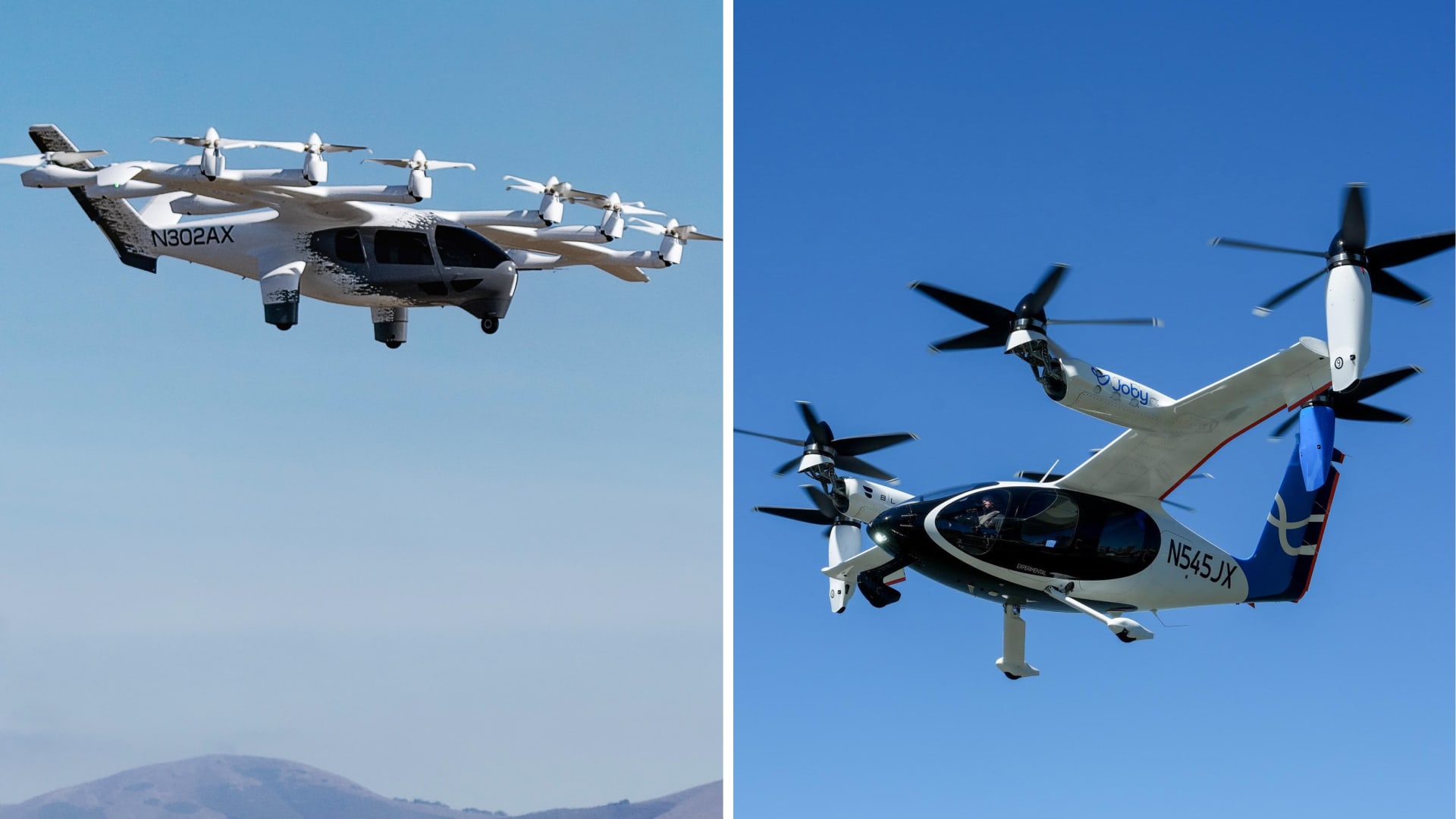
The ambitious vision of air taxis navigating urban skies is encountering significant headwinds, not from technological limitations, but from escalating internal disputes. The dream of a seamless, emission-free aerial transportation network is increasingly jeopardized by a series of high-stakes legal battles between key industry players, threatening to stall progress and erode investor confidence.
🚀 Tech Strategy & Market Disruptions
- Intellectual Property Disputes. Accusations of corporate espionage and patent infringement are creating significant friction, directly impacting collaboration and innovation timelines.
- Regulatory Uncertainty Amplified. Ongoing litigation complicates Federal Aviation Administration (FAA) certification processes, pushing back crucial timelines for commercial operations.
- Investor Skepticism Grows. The legal entanglements and financial drain associated with lawsuits are fostering caution among investors, potentially impacting future funding rounds for the sector.
The once-hyped promise of electric vertical take-off and landing (eVTOL) vehicles is now overshadowed by a cascade of lawsuits. Joby Aviation’s allegations of corporate espionage against Archer, followed by Archer’s counterclaims of fraud and hidden ties to China, paint a grim picture of internal competition. This acrimonious environment extends to other players, with Vertical Aerospace facing a patent infringement suit from Archer. Such legal entanglements not only divert crucial resources but also cast a long shadow over the sector’s credibility and future viability. As Beta Technologies CEO Kyle Clark aptly noted, the potential fallout from these disputes could drag the entire industry down. The market has already responded with significant stock depreciation for several key players, including Archer and Vertical Aerospace, signaling investor jitters.
The current legal skirmishes are more than just corporate spats; they represent a significant impediment to the broader adoption of advanced air mobility. The Federal Aviation Administration (FAA) has a stringent, multi-phase certification process that requires rigorous design approval and quality verification. Delays and distractions caused by litigation directly prolong these timelines, increasing costs and uncertainty. While the Trump administration’s eVTOL Integration Pilot Program offered a much-needed boost of validation and a potential path to accelerated development, the courtroom battles threaten to derail these initiatives. The industry’s inability to resolve internal conflicts could inadvertently slow down the very innovation it seeks to foster, impacting everything from infrastructure development to public acceptance.
* The ongoing legal battles are consuming valuable executive time and capital that could otherwise be dedicated to product development and certification.
* The accusations, if proven, could lead to significant financial penalties and reputational damage for the companies involved.
* Investor sentiment, already sensitive to the long timelines and capital-intensive nature of eVTOL development, is likely to become more cautious.
> The confluence of complex technological development, heavy regulatory oversight, and intense corporate competition creates a volatile landscape for air taxi innovation. Success will depend not just on engineering prowess but on the ability to navigate these intricate legal and market dynamics without derailing the core mission of bringing safe, sustainable aerial transport to the masses. This highlights the critical need for robust governance frameworks and strategic foresight beyond just technological advancement, a key aspect in understanding broader emerging technologies.
## The Architecture Behind the Innovation’s Stumble
While the technological underpinnings of eVTOLs involve sophisticated battery management, advanced aerodynamics, and sophisticated flight control systems, the current disruptions stem from the human and corporate elements. The infrastructure required for widespread air taxi deployment—vertiports, charging stations, and air traffic management systems—is already a massive undertaking. Adding legal disputes to this complex equation introduces a layer of operational risk that is difficult to quantify but certainly detrimental to progress. Companies like Joby Aviation are progressing through FAA certification phases, with Joby nearing Phase 4 and initiating flight testing. Vertical Aerospace and Eve Air Mobility are pursuing certification through European and Brazilian aviation authorities, respectively. However, these advancements are happening amidst a backdrop of industry-wide legal challenges, suggesting that even technical milestones can be overshadowed by corporate infighting.
## Joby Aviation’s Ecosystem Expansion Potential
Joby Aviation, despite the broader industry’s turmoil, continues to forge strategic partnerships that could be crucial for its long-term success. Collaborations with ridesharing giants like Uber and significant investments from automotive powerhouse Toyota underscore Joby’s efforts to build a comprehensive ecosystem. The company’s expansive presence in the Middle East, including a significant partnership to operate air taxi services in Dubai, demonstrates an aggressive global strategy. These international ventures, where regulatory bodies have shown greater receptiveness, could provide valuable operational experience and financial backing. Furthermore, Joby’s participation in the Trump administration’s pilot testing programs indicates a focused approach to demonstrating its capabilities and building confidence, a necessary precursor to widespread adoption and a crucial element for understanding technology market trends.
## Archer Aviation’s Market Adoption Challenges
Archer Aviation, a significant player in the eVTOL space, faces its own set of hurdles, prominently including market adoption and the inherent complexities of scaling operations. The company’s ambitious plan to commercialize by 2025, and now eyeing a 2028 deadline in conjunction with the Olympics in Los Angeles, highlights the protracted nature of bringing such advanced technology to the public. The recent acquisition of Hawthorne Airport signifies a substantial investment in critical infrastructure, positioning Archer to build an operational hub for the burgeoning air taxi network in the region. However, the financial implications of such large-scale infrastructure plays, coupled with the ongoing legal disputes and the general investor caution surrounding the sector, present significant challenges to Archer’s rapid market penetration and future growth. Understanding these dynamics is essential for navigating the evolving emerging technologies landscape.
**The Turbulence Ahead for Air Taxi Commercialization**
The current climate of intense litigation and regulatory hurdles poses a substantial threat to the timely commercialization of air taxi services. While technological advancements continue, the legal and financial complexities are creating a significant drag on the industry’s momentum. The sector is at a critical juncture where resolving internal conflicts and demonstrating clear, stable progress will be paramount to attracting and retaining investor confidence.
* The risk of further legal entanglements could deter new investment and stall crucial research and development.
* Certification timelines are likely to be extended, pushing back the realistic start dates for commercial passenger flights.
* The industry must find a way to foster collaboration and competition without resorting to litigation to ensure sustained growth.
### 📊 StockXpo Analyst’s View
Market Impact: The escalating legal battles within the air taxi sector are creating significant volatility and increasing investor apprehension, potentially leading to a broader deleveraging of speculative assets in the advanced air mobility space. This news could negatively impact sentiment for companies reliant on similar regulatory pathways and capital-intensive innovation.
Sector To Watch: While the eVTOL sector faces headwinds, the underlying technologies and the demand for efficient urban transport remain. Investors may shift focus to ancillary services, infrastructure development, or companies with more stable regulatory pathways and diversified revenue streams. The defense sector, which often pioneers advanced aviation technologies, might also see renewed interest as companies like Joby leverage dual-use applications.
Financial Disclaimer:
StockXpo.com is a financial news aggregator and educational portal, not a registered investment advisor or broker-dealer. All information, news, and analysis provided herein are strictly for educational purposes and do not constitute investment, financial, legal, or tax advice. Investing in the stock market involves high risks, and past performance is not indicative of future results. StockXpo will not be liable for any financial losses or investment damages. Always consult a certified financial advisor before making market decisions.
MORE IN INSIDE TECHNOLOGY

Bond Yields Under Pressure: IMF Warns of ‘Disorderly’ Spike Driven by AI Debt and Inflation
Published: Tuesday, October 13, 2026 · 1:21 AM

AI Breakthroughs: TikTok CEO Predicts Major Scientific Leap Within Three Years
Published: Monday, October 12, 2026 · 2:40 AM