Published: Friday, May 29, 2026 · 12:44 PM | Updated: Friday, May 29, 2026 · 12:44 PM
📊 244 views




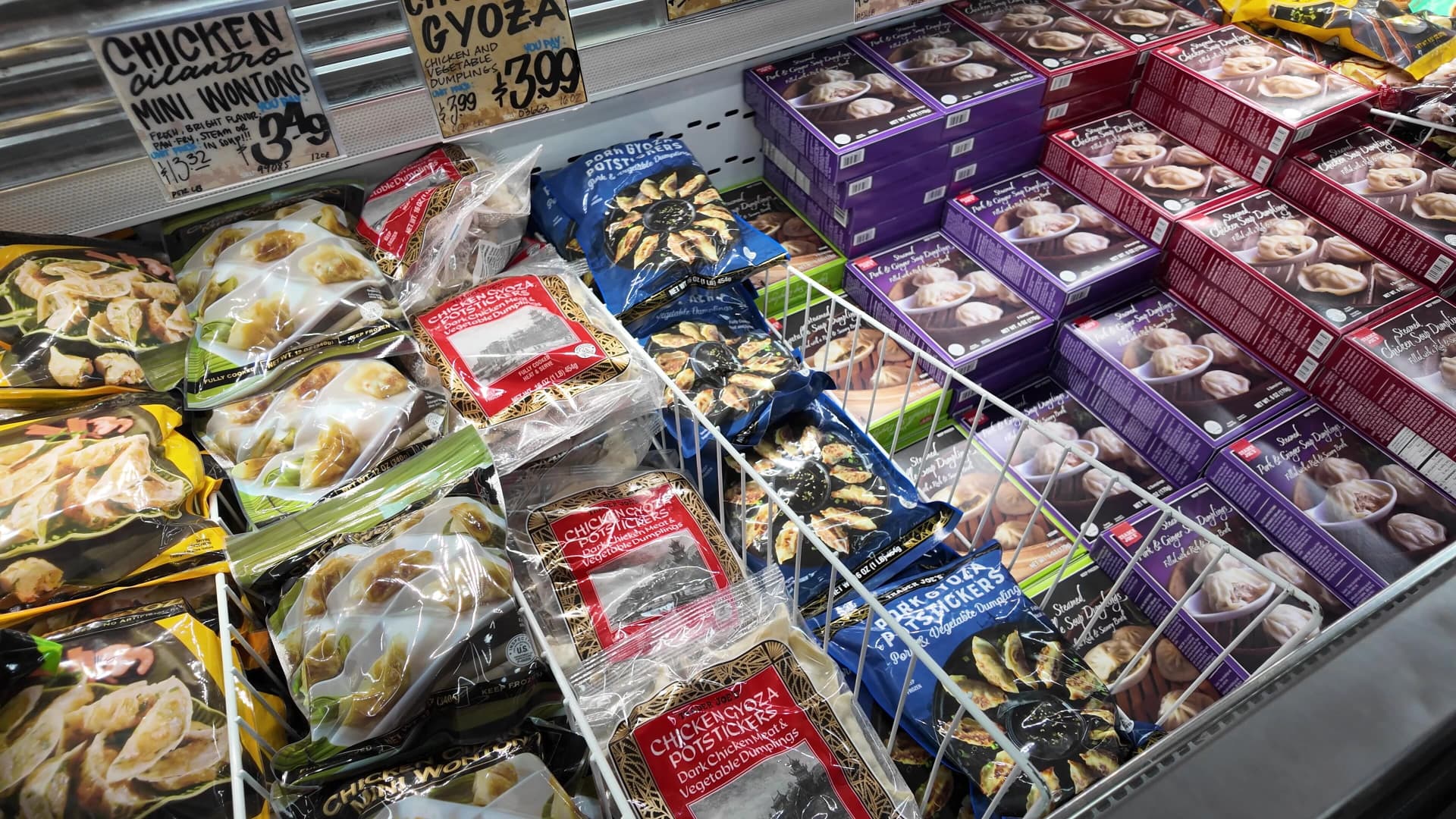
Mainstream U.S. grocery retailers are increasingly integrating Asian grocery items beyond traditional segregated aisles, driven by surging consumer demand for global flavors and a growing Asian-American population. This strategic shift represents a significant evolution in how stores approach product selection and merchandising, aiming to capture a broader consumer base interested in culinary exploration.
🗝️ Corporate Strategy Insights
- Shifting Shelf Space: Retailers are moving Asian grocery products from the ‘ethnic aisle’ to integrate them across various store sections, mirroring mainstream American products.
- Consumer-Driven Demand: Growing interest in global cuisines and the increasing visibility of Asian flavors through social media and dining experiences are key drivers.
- Market Growth Projection: The U.S. Asian food market is anticipated to reach $51.3 billion by 2031, indicating significant untapped potential for retailers and brands.
The traditional “ethnic aisle”, once a limited space for a select few international products, is rapidly transforming. Brands like Geem, a Korean seaweed snack company, have experienced accelerated growth, moving from direct-to-consumer models to mainstream placements in stores like Whole Foods within months. This rapid integration is attributed to demonstrated market performance and a broader category growth trajectory. Buyers are now more receptive to new brands, recognizing the expanding consumer appetite for diverse flavors.
This trend is not isolated to snacks. Segments such as condiments, sauces, and frozen foods are witnessing substantial growth. Specialty grocers like H Mart and 99 Ranch Market are expanding, while major players like Target and Whole Foods are actively increasing their Asian food and beverage selections. This expansion is often driven by a dual strategy: catering to the growing Asian-American demographic and attracting consumers of all ethnicities seeking novel culinary experiences. As market analysis suggests, food and beverage remain a primary avenue for cultural exploration, especially when international travel is cost-prohibitive.
The expanding presence of Asian grocery items reflects a deeper demographic and cultural shift in the U.S. The Pew Research Center notes a significant increase in the Asian population, which directly influences consumer preferences and market demand. This demographic growth, coupled with a general trend towards more adventurous eating habits, is compelling retailers to re-evaluate their product assortments. Brands like Deep Brands, with their Deep Indian Kitchen and Thai brand Tem Toa, are leveraging this by offering accessible, authentic global flavors that appeal to a diverse consumer base.
Understanding the Retailer’s Shelf Strategy
Retailers like Whole Foods are making deliberate placement decisions to spark consumer curiosity. The success of brands like Gymkhana, an Indian sauce brand, demonstrates how a single product’s explosive growth can lift an entire subcategory. This indicates a strategic approach to cross-merchandising, aiming to integrate Asian flavors seamlessly across various store departments, from beverages to frozen meals. Target has also increased its offerings, adding items such as ramen bowls and unique flavor variations of popular snacks, reflecting a proactive stance in capturing this growing market segment.
Deep Brands’ Rise in Frozen Foods
Deep Brands has positioned itself as a leader in the frozen Asian food segment, focusing on delivering authentic, premium global flavors to a broad consumer base. Their strategy centers on accessibility, aiming to make these culinary experiences available to consumers regardless of their ethnic background. This approach has led to significant market share gains, particularly within the frozen Indian food category, capturing demand from younger, affluent demographics. The company’s success highlights a broader industry trend where ethnic foods are shedding their niche status to become integral parts of the mainstream grocery landscape, driving significant retail sales.
The integration of Asian grocery into mainstream retail is more than a product placement strategy; it’s a reflection of evolving consumer tastes and demographics. Companies that can adapt and offer authentic, high-quality products are poised for significant growth. This trend indicates a broader shift towards a more inclusive and diverse food retail environment, where culinary exploration is actively encouraged.
The expansion of Asian grocery items into mainstream retail channels signifies a fundamental shift, driven by consumer demand and demographic evolution, pushing retailers to innovate their merchandising and product strategies to capture a wider market.
| Market Segment | Projected Growth (2024-2031) | Significance |
|---|---|---|
| U.S. Asian Food Market | $51.3 billion by 2031 (4.7% CAGR) | Indicates substantial overall market expansion and opportunity. |
| Asian Snacking | Multiple billions by end of 2030 | Highlights the rapid growth and consumer adoption of convenient Asian food products. |
| ‘Ethnic Aisle’ Sales (2024) | $8.8 billion | Demonstrates the existing market size that is now being further energized by mainstream integration. |
Whole Foods’ Flavor Integration Strategy
Amazon’s Whole Foods has been actively increasing its investment in Asian flavors, recognizing a “tremendous” growth in demand and innovation within the category. Category merchant Julie Bandin highlighted that the store actively seeks products that encourage consumers to be adventurous in the kitchen, using unique Asian brands as a bridge to introduce new tastes. The intentional placement of these products is designed to stimulate consumer curiosity and drive trial. The successful introduction and subsequent growth of brands like Gymkhana have demonstrably boosted related subcategories, underscoring the potential for cross-merchandising and the broader proliferation of Asian-inspired flavor profiles across all store aisles.
Target’s Expanding Asian Food Footprint
A spokesperson for Target confirmed the continuous growth in demand for its Asian food and beverage offerings. The retailer has been systematically expanding both the number of products available and the shelf space dedicated to this category. Recent additions, such as ramen bowls and specialized Asian-flavored snacks like unique Oreo varieties, reflect Target’s commitment to catering to evolving consumer preferences. This proactive approach ensures that Target remains a competitive player in attracting consumers eager to explore diverse culinary options, solidifying its position as a destination for both everyday essentials and international food discoveries.
The Evolving Landscape of Asian Grocery
The widespread adoption of Asian grocery items into mainstream retail signifies a profound cultural and economic shift. As consumers become more adventurous and informed about global cuisines, retailers must adapt their strategies to meet this demand. The success of brands finding shelf space next to established Western products is a testament to their quality and market appeal, illustrating a future where diverse culinary traditions are not segregated but celebrated throughout the grocery shopping experience.
Will this accelerated integration of global flavors permanently alter the traditional grocery store model, or is it a passing trend driven by current consumer fads?
📊 StockXpo Analyst’s View
Market Impact: Investor sentiment towards food retailers showing strong adaptation to these trends is likely to improve, signaling a broader appetite for companies that can effectively respond to evolving consumer preferences. This shift could lead to increased competition among grocers to secure unique and popular international brands.
Sector To Watch: Food manufacturing and distribution companies specializing in ethnic and international foods are prime candidates for growth. Retailers with robust supply chain capabilities for diverse products will also see enhanced market positioning.
Financial Disclaimer:
StockXpo.com is a financial news aggregator and educational portal, not a registered investment advisor or broker-dealer. All information, news, and analysis provided herein are strictly for educational purposes and do not constitute investment, financial, legal, or tax advice. Investing in the stock market involves high risks, and past performance is not indicative of future results. StockXpo will not be liable for any financial losses or investment damages. Always consult a certified financial advisor before making market decisions.
MORE IN INSIDE BUSINESS

American Airlines loss forecast: Strategic Capacity Slowdown Expected
Published: Thursday, October 22, 2026 · 8:40 AM

United Airlines Profit Outlook Slashed Amid Fuel Costs, Strong Demand Persists
Published: Wednesday, October 21, 2026 · 7:30 AM