Published: Thursday, May 28, 2026 · 1:50 AM | Updated: Thursday, May 28, 2026 · 1:50 AM
📊 238 views




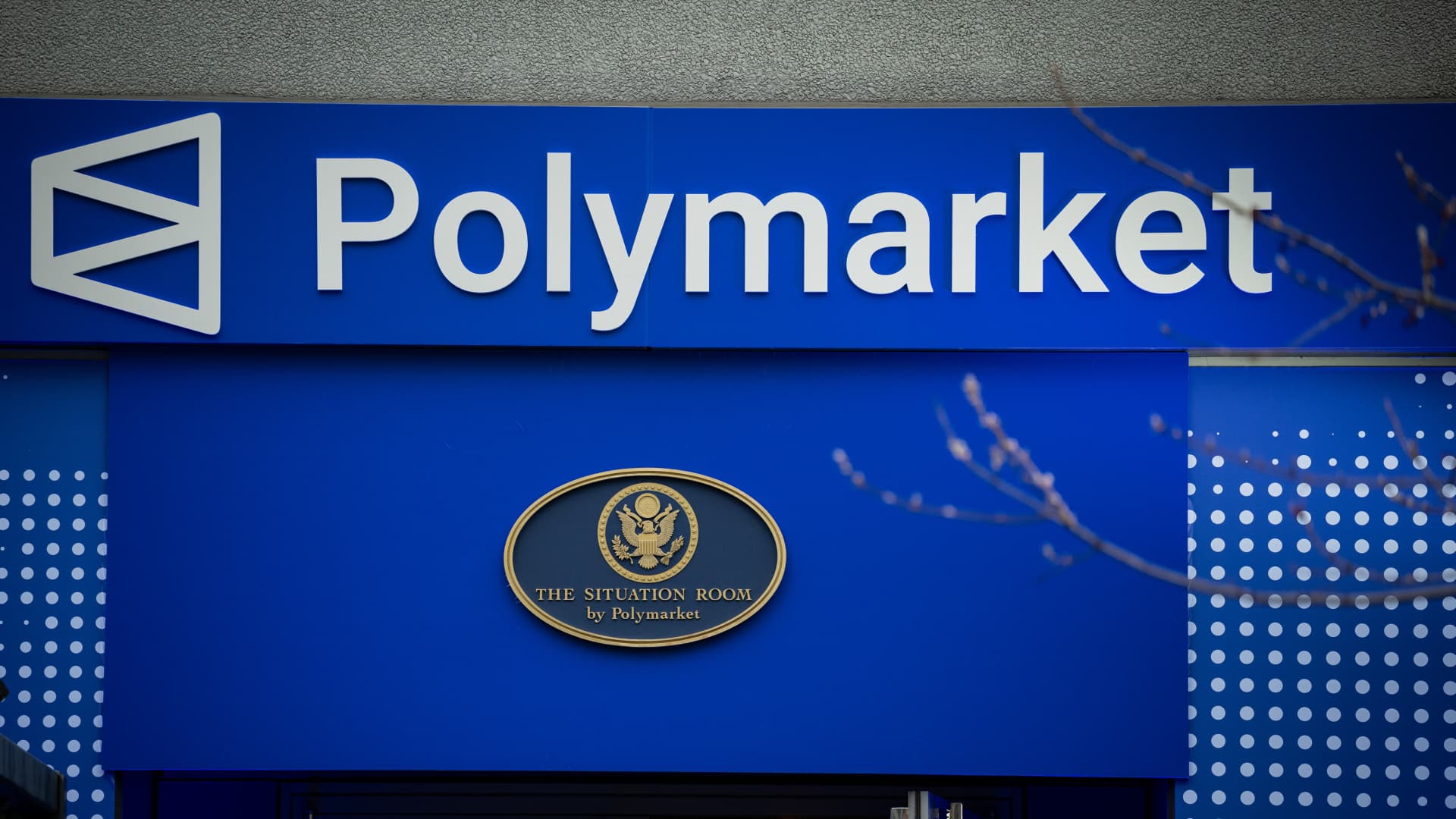
Federal prosecutors have brought fraud charges against a Google employee accused of exploiting confidential information for substantial gains on the Polymarket prediction platform. The case highlights significant risks within digital asset markets and the regulatory scrutiny they attract.
💰 Financial Strategy & Market Insights
- Insider Trading Allegations. A Google engineer allegedly used non-public search data to make profitable bets on Polymarket, signaling a critical need for robust internal controls and compliance in data-sensitive industries.
- Regulatory Scrutiny Intensifies. This incident, following a similar case involving a US Army officer, suggests an increasing focus from regulators like the CFTC on prediction markets and the potential for misuse of sensitive information.
- Digital Asset Market Risks. The case underscores the inherent volatility and potential for fraud in nascent digital markets, emphasizing the importance of due diligence for investors engaging with these platforms.
Google Employee’s Risky Bets on Polymarket
Michele Spagnuolo, a staff information security engineer at Google, is facing charges of money laundering, commodities fraud, and wire fraud. Prosecutors allege he leveraged access to confidential ‘Year in Search’ data, a tool available to all employees but meant for internal analysis, to place highly accurate bets on Polymarket. His trades reportedly netted him approximately $1.2 million after Google publicly announced its 2025 search trends. Observers on Polymarket had previously flagged an account, ‘AlphaRaccoon,’ for suspicious activity on these specific contracts, which has now been linked to Spagnuolo.
The complaint, unsealed in the Southern District of New York, details how Spagnuolo’s alleged misuse of this material confidential information constituted a breach of his duties. Beyond the high-profile ‘most searched person’ bet, Spagnuolo is also accused of correctly predicting outcomes on other search-related contracts, such as ‘Will Zohran Mamdani rank in the Top 5 most searched’ and ‘Will Squid Game be the #1 searched TV show.’ This pattern of accurate predictions based on non-public data forms the core of the fraud allegations.
- Spagnuolo was arrested in New York and released on a $2.25 million bond.
- Google stated the employee is on leave and that the company is cooperating with law enforcement.
- Polymarket emphasized its cooperation with authorities in the investigation.
Google has acknowledged the employee accessed marketing materials via an internal tool but condemned the use of confidential information for betting as a serious policy violation. The company’s swift action, placing the employee on leave, signals a commitment to addressing internal security lapses. Meanwhile, Polymarket highlighted its role as a platform cooperating with regulatory bodies, positioning itself as a responsible player in the prediction market landscape. This incident, however, casts a shadow over the transparency and security of such platforms, particularly when handling sensitive corporate data.
Navigating the Volatility of Prediction Markets
The incident involving the Google employee and Polymarket is not an isolated event. It follows closely on the heels of another high-profile case where a U.S. Army master sergeant was arrested for allegedly using classified information to make profitable bets on Polymarket regarding U.S. operations. These recurring instances of insider trading on prediction markets raise critical questions about asset valuation and the effectiveness of existing oversight mechanisms. For investors in digital assets, such events highlight the inherent risks associated with markets that can be susceptible to manipulation and fraud, impacting overall market sentiment and liquidity.
The broader implication for the financial sector, particularly those exploring decentralized finance and novel trading platforms, is a stark reminder of the regulatory challenges. Ensuring fair and transparent markets requires constant vigilance and adaptation. The success of platforms like Polymarket, despite these issues, points to a growing demand for sophisticated prediction and hedging tools. However, the integrity of these tools hinges on robust security protocols and strict adherence to ethical trading practices. Insights from market analysis suggest that regulatory bodies will likely increase their scrutiny of such platforms moving forward.
“Misappropriation of material confidential information for personal financial gain on prediction markets represents a direct assault on market integrity. It’s imperative for platforms to implement more rigorous identity verification and transaction monitoring to prevent future occurrences and maintain investor confidence. This highlights the need for clearer regulatory frameworks governing these evolving financial instruments.”
The Commodity Futures Trading Commission (CFTC) is also pursuing a civil case against Spagnuolo, reinforcing the seriousness with which these alleged breaches are being treated by financial regulators. The dual civil and criminal proceedings underscore the potential financial and legal ramifications for individuals engaging in such activities.
Google’s Data Security in the Spotlight
The core of the allegations centers on Spagnuolo’s access to Google’s internal data systems. While Google emphasized that the employee used a tool available to all staff, the company’s statement also confirmed that using confidential information for betting is a ‘serious breach of our policies.’ This incident forces a re-evaluation of access controls and data usage policies within large technology firms, especially concerning sensitive marketing and trend data that could be monetized on external platforms. The ability to forecast market trends, even indirectly through search data, carries significant financial implications and requires stringent safeguards.
Polymarket’s Response to Regulatory Pressure
Polymarket, as the trading platform involved, has positioned itself as a cooperative entity working with U.S. law enforcement. Their statement highlighted their commitment to fair and transparent markets and their willingness to work with regulators. This proactive stance is crucial for the platform’s long-term viability and its ability to attract and retain users. However, the repeated instances of insider trading cases linked to Polymarket could lead to increased compliance burdens and potentially affect the liquidity of certain contracts if trust erodes. For those interested in financial sector developments, understanding the regulatory landscape for prediction markets is becoming increasingly important.
- Upside Potential: Increased regulatory clarity could legitimize prediction markets, attracting institutional capital and enhancing liquidity. Platforms that demonstrate robust compliance may see significant growth.
- Downside Risks: Heightened regulatory enforcement could lead to stricter rules that stifle innovation or make it harder for smaller platforms to operate. Reputational damage from insider trading cases can deter user adoption.
The Future of Predictable Information Bets
This case raises fundamental questions about how non-public, yet not strictly classified, information can be monetized and regulated. As more data becomes digitized and accessible, the lines between internal knowledge and tradable market information blur. The outcome of Spagnuolo’s case and the ongoing CFTC civil suit will likely set important precedents for how such activities are policed in the evolving digital economy. Investors seeking to understand market sentiment may find financial news outlets like Reuters providing critical analyses of these unfolding regulatory battles.
Google’s Data Security in the Crosshairs
The incident brings renewed attention to Google’s internal data handling practices. While the company states the employee used a generally available tool, the breach lies in the misuse of confidential information. This highlights a pervasive challenge for major tech firms: safeguarding proprietary data from internal exploitation in a world where data itself is a highly valuable asset. The consequences for Google extend beyond the immediate legal proceedings, potentially impacting its reputation and demanding a re-evaluation of its internal security protocols. For educational financial insights, one might explore educational financial insights on corporate governance.
Polymarket Faces Increased Regulatory Spotlight
Polymarket’s position as a key player in the prediction market space is now under intense scrutiny. While the platform has cooperated with authorities, the recurring nature of these high-profile insider trading cases suggests systemic risks that may require more than just platform-level cooperation. The long-term implications for Polymarket and similar platforms depend heavily on their ability to demonstrate stringent oversight and a commitment to market integrity, a factor that will influence overall asset valuation within this niche.
Polymarket Insider Trading’s Market Signal
The recent charges against a Google employee for Polymarket insider trading serve as a potent reminder of the risks inherent in rapidly evolving digital markets. The prosecution underscores the importance of robust internal controls and the increasing regulatory focus on prediction platforms. Investors and market participants should closely monitor these developments as they shape the future of digital asset regulation and influence overall market liquidity and confidence.
- The legal actions against individuals leveraging insider information on prediction markets are likely to escalate regulatory oversight.
- Companies with access to sensitive data must reinforce their internal security measures to prevent misuse for speculative trading.
- Polymarket and similar platforms face a critical juncture in demonstrating their commitment to fair play and transparency to maintain user trust and market integrity.
How will these regulatory actions shape the future landscape of digital asset markets and corporate data governance?
📊 StockXpo Analyst’s View
Market Impact: The charges send a clear signal about the regulatory risks associated with prediction markets and the leveraging of corporate insider information. This could lead to a short-term dampening of investor sentiment towards unregulated digital platforms, potentially impacting liquidity for less established assets. However, it may also spur greater adoption of regulated and compliant decentralized finance (DeFi) solutions.
Sector To Watch: Technology and data analytics firms with direct access to non-public trend data will likely face increased compliance scrutiny. Conversely, specialized legal and cybersecurity firms focused on financial market integrity may see a surge in demand for their services.
Financial Disclaimer:
StockXpo.com is a financial news aggregator and educational portal, not a registered investment advisor or broker-dealer. All information, news, and analysis provided herein are strictly for educational purposes and do not constitute investment, financial, legal, or tax advice. Investing in the stock market involves high risks, and past performance is not indicative of future results. StockXpo will not be liable for any financial losses or investment damages. Always consult a certified financial advisor before making market decisions.
MORE IN INSIDE FINANCE

Singapore Haven: Stability Yields Opportunity Amid Global Volatility
Published: Tuesday, October 13, 2026 · 12:19 AM

Inflation Peak for 2026: Sticky Prices to Challenge Asset Valuations
Published: Monday, October 12, 2026 · 11:45 AM